
Brač Island
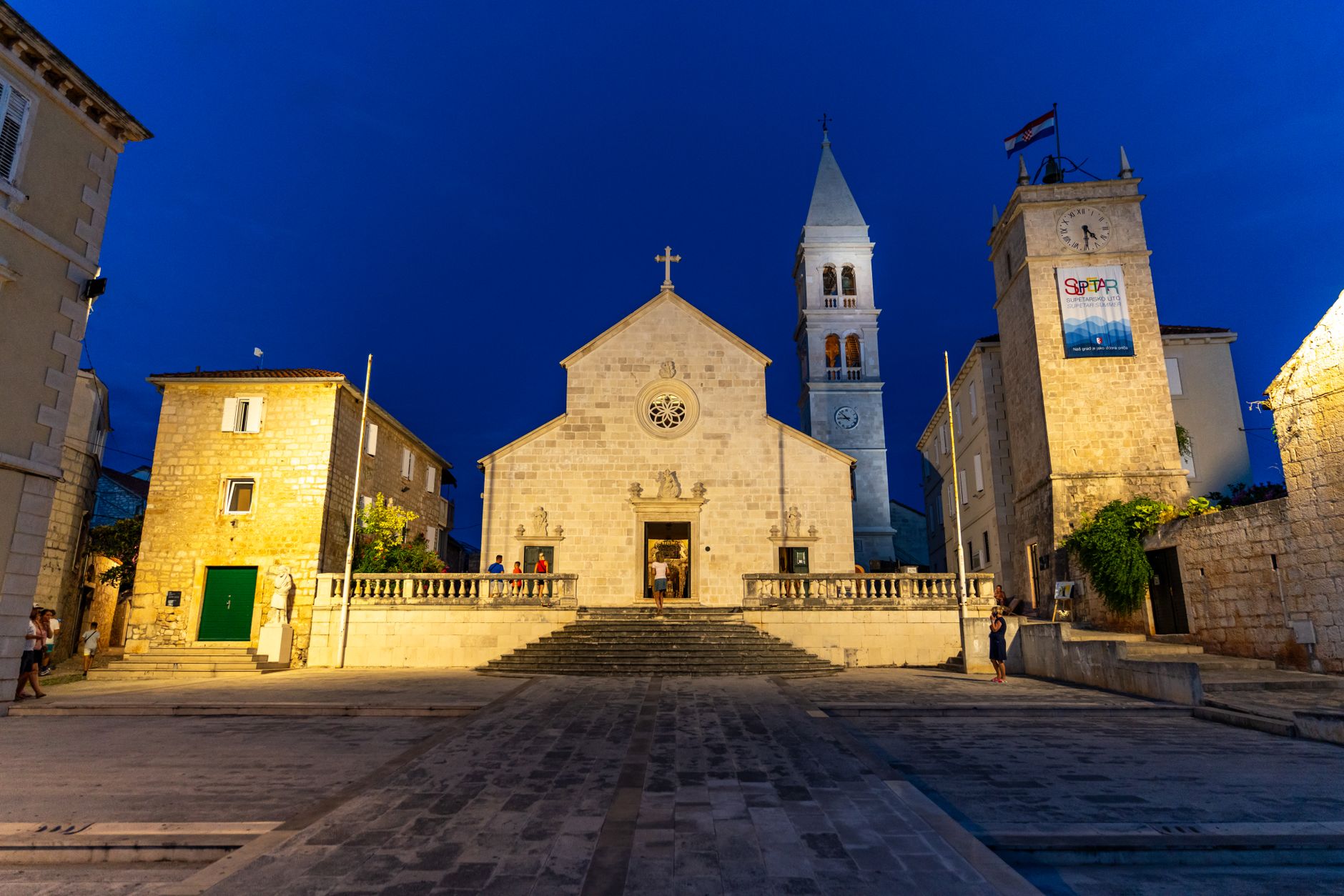
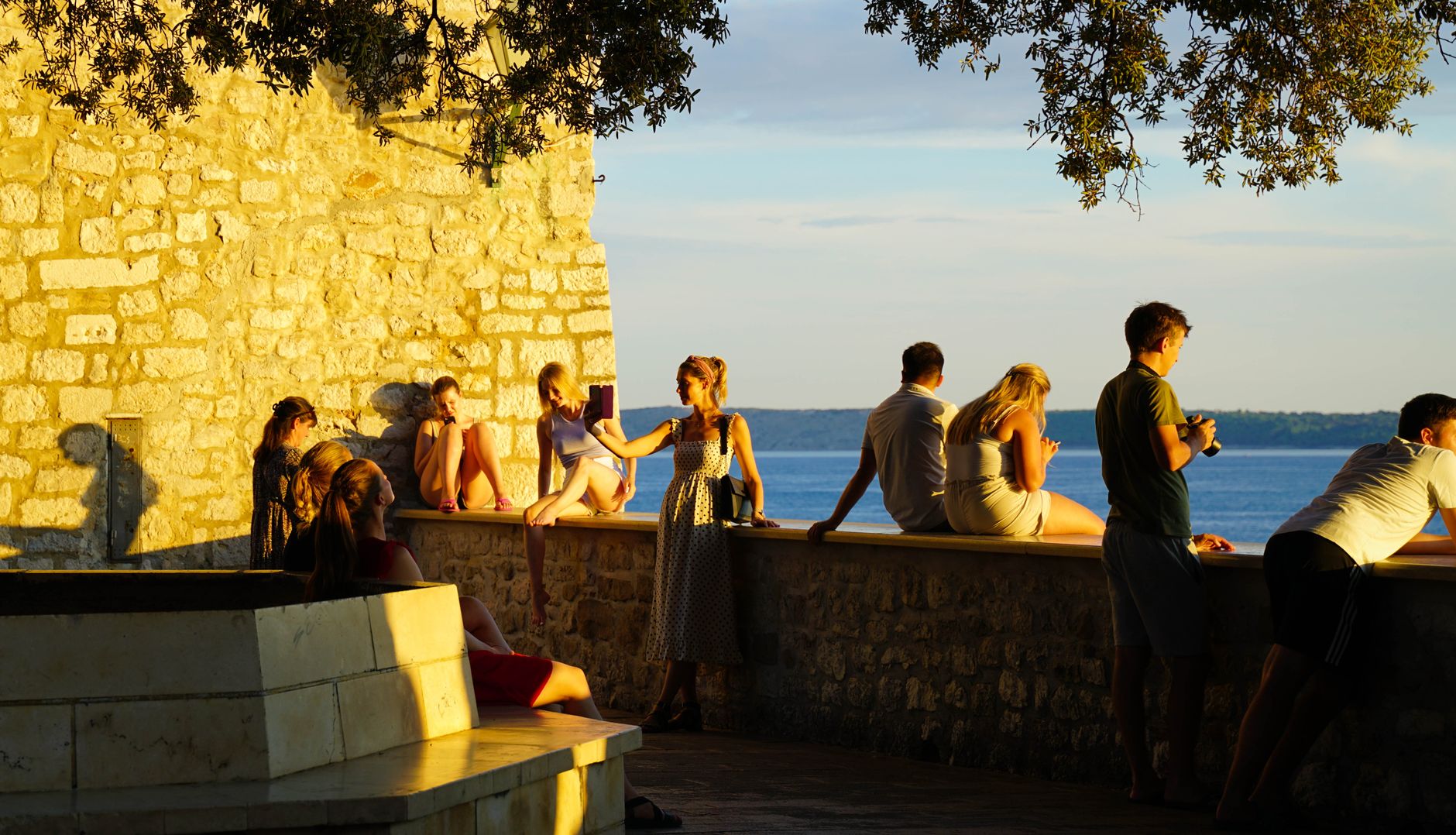
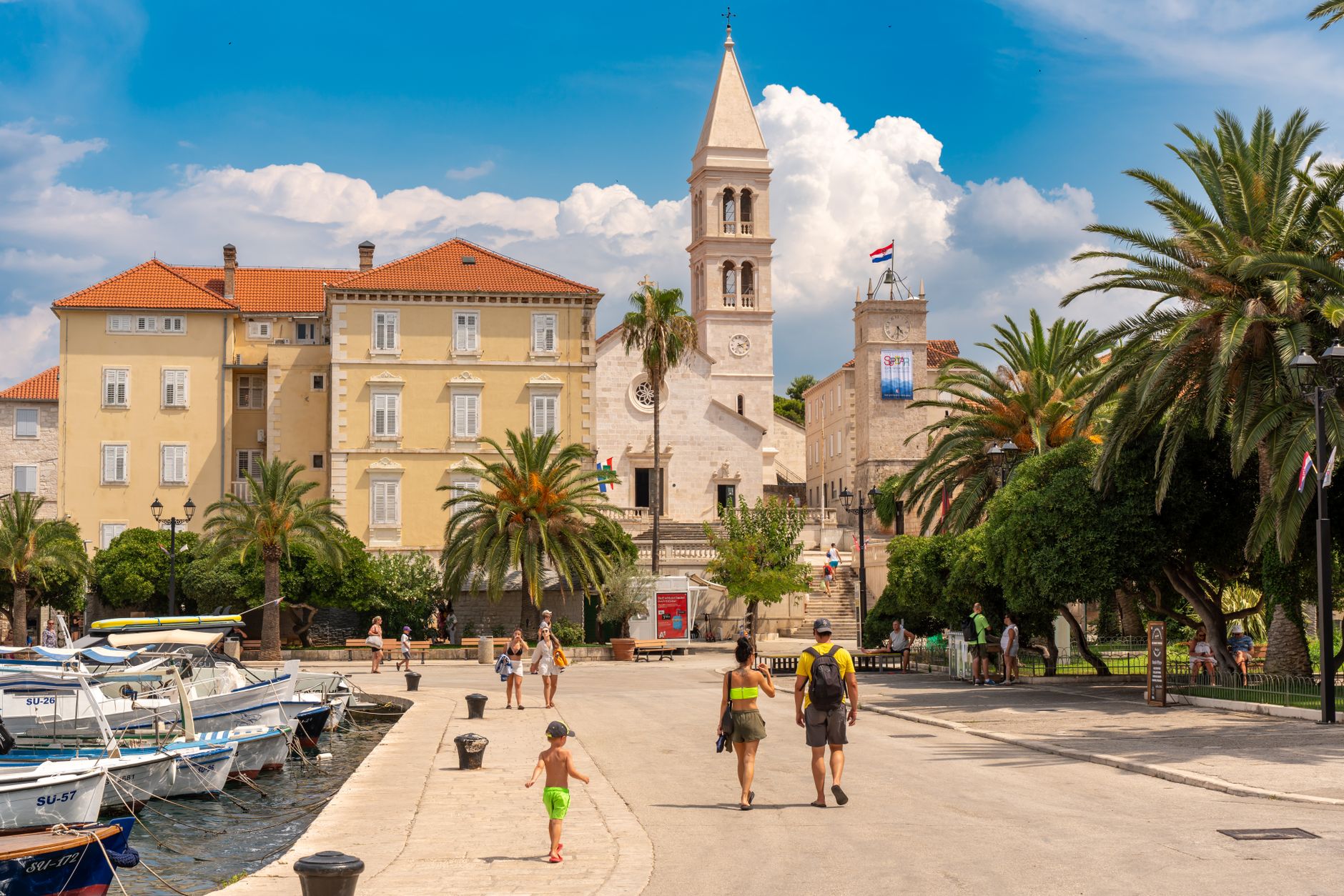
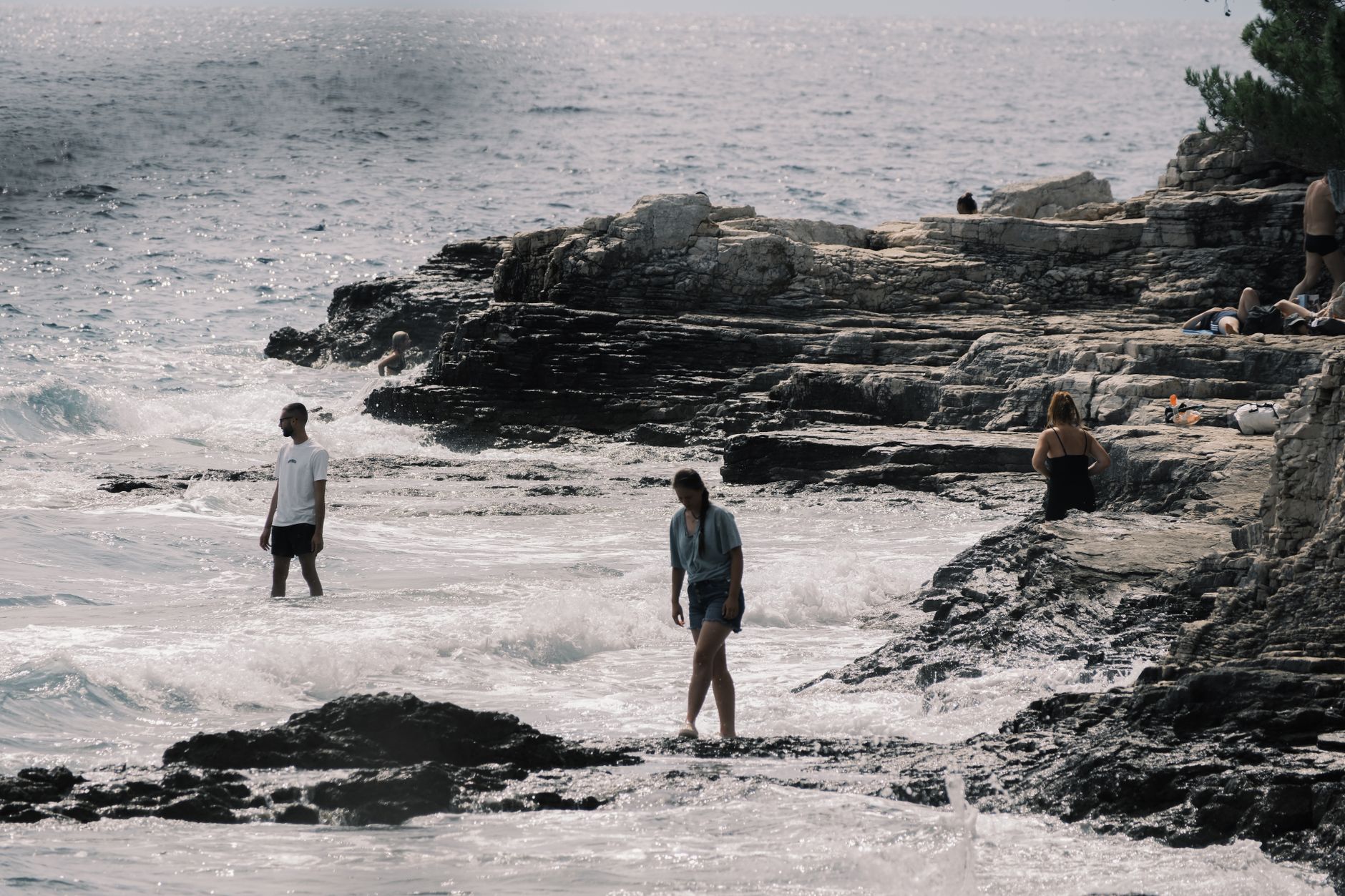
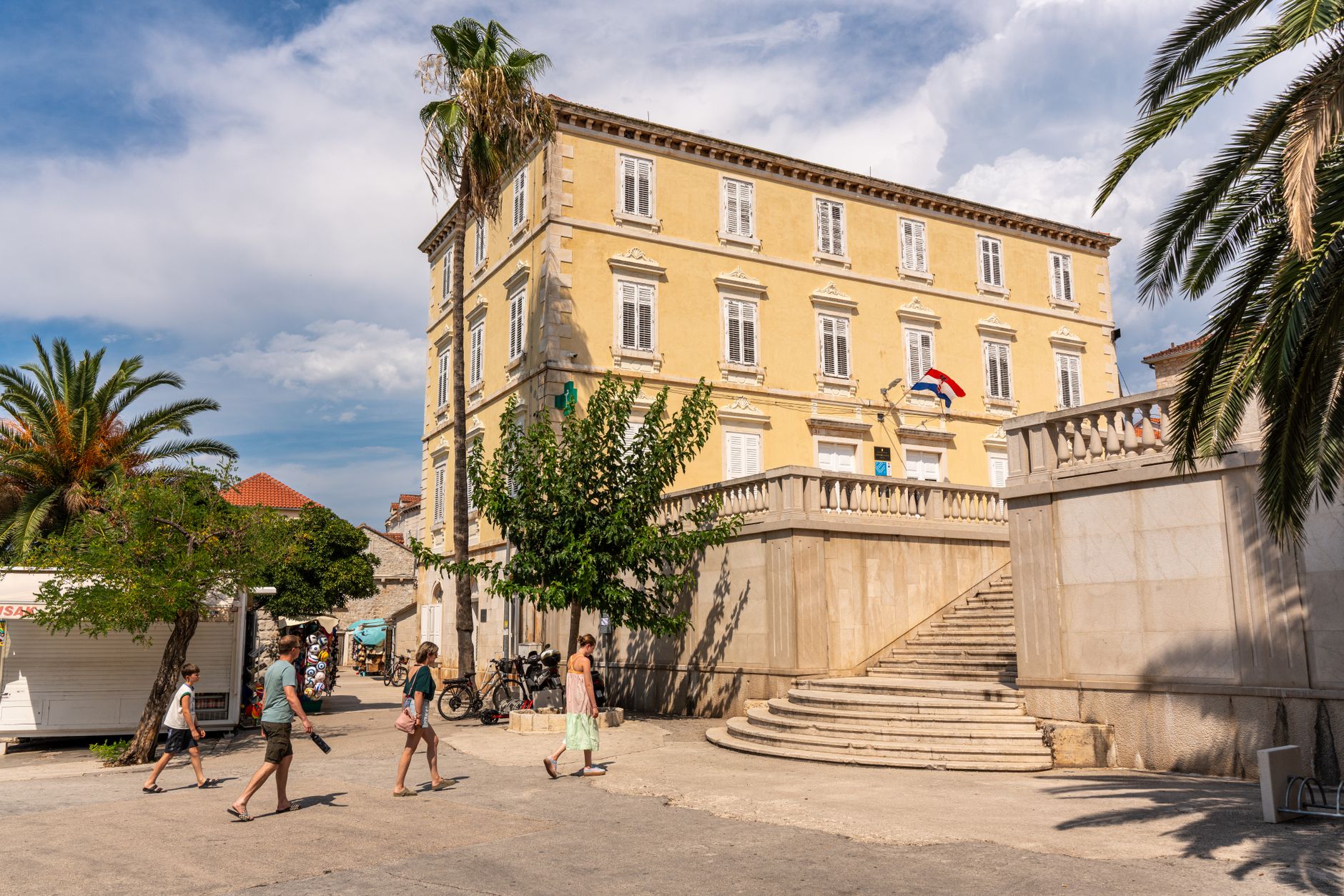
Brač sits about an hour by ferry from Split, and the first thing you notice is the stone — pale, almost white, quarried here since Roman times. Diocletian had it shipped to the mainland for his palace in the early 4th century, and the same quarries at Pučišća still operate today, still teaching the craft in a stonemason school that dates to the 15th century.
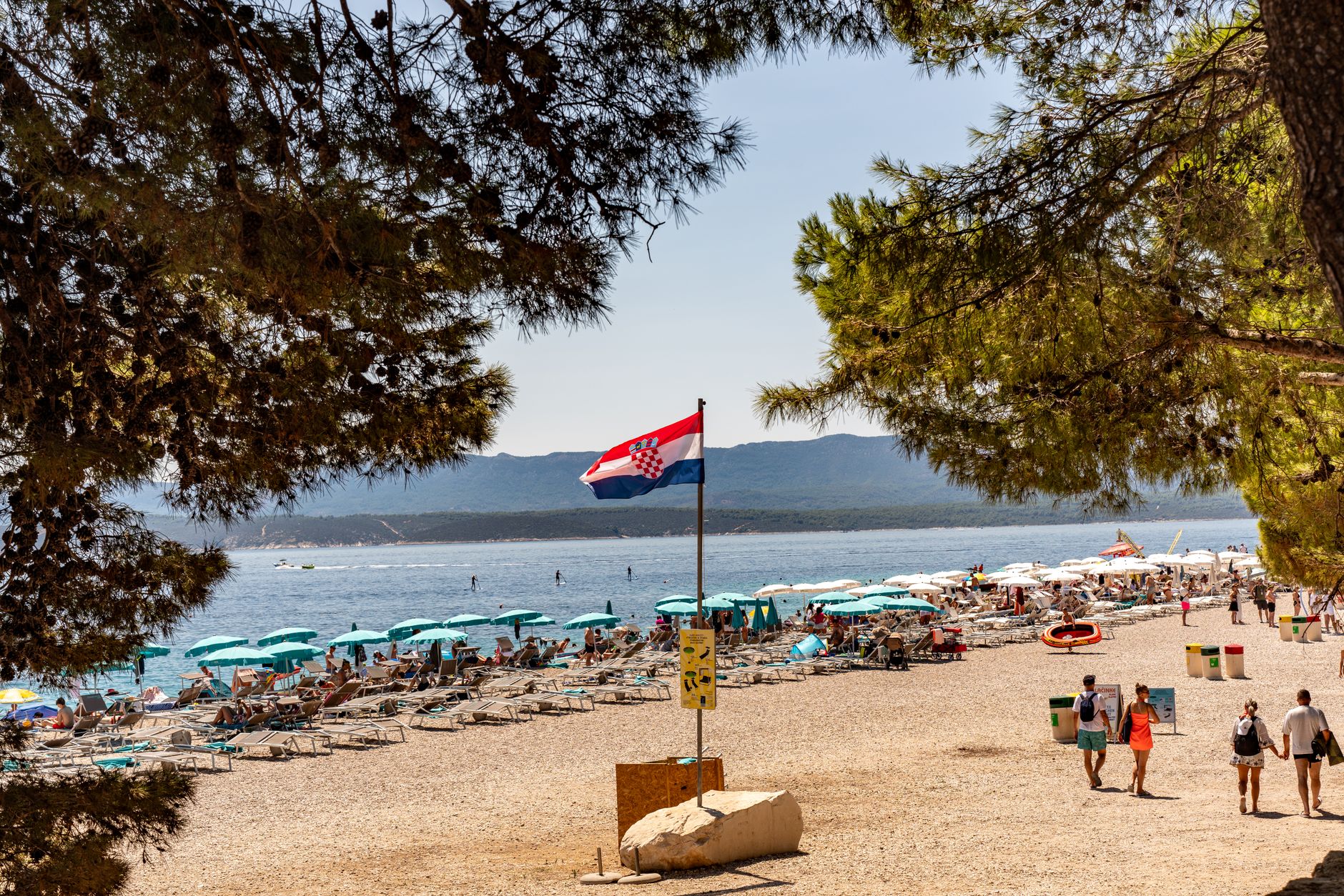
The island runs to contrasts: a beach at Bol whose triangular spit shifts direction with the current, a hermitage tucked into a ravine that housed an astronomy observatory, and Škrip, a village with walls old enough to predate the island's recorded history. You can cover the main roads in a day, but that tends to make you want to stay longer.
💛 What travellers fall for
People who come back tend to rent a car rather than rely on buses, and they head to Škrip early before the tour groups arrive. The Blaca Hermitage requires a walk in — no vehicles — so start there in the morning. Bol's Dominican monastery museum, with the Tintoretto, is easy to miss if you're focused on the beach.
How Brač Island came to be
The island's name traces back to the Illyrian word for deer, and its oldest confirmed settlement, Škrip, has been continuously inhabited for around 3,000 years. Romans quarried its distinctive limestone for Diocletian's Palace in Split — a connection still visible in both buildings. Croatian settlers arrived in the 7th century, the island was sacked by Saracens in 872, and from there it passed through Venetian, Hungarian, Bosnian and Habsburg hands before entering Yugoslavia in 1918.
The 20th century left its own marks: Yugoslav partisans and Allied special forces drove out German occupiers in 1944, and the tourism that had grown steadily since the 1930s — over 115,000 visitors annually by 1989 — collapsed to fewer than 10,000 during the war of 1992 before recovering. Croatia's independence in 1991 reframed all of it.
Who and what shaped it
People who shaped it
Landmark buildings
See Brač Island in motion
Plan your visit
On the map
When to go
Summers are hot and dry, with July and August bringing the crowds and reliably clear skies. Spring and early autumn are mild and far quieter; October can still be warm enough to swim.
Right now
Background & history adapted from Wikipedia (CC BY-SA) · specs from Wikidata (CC0) · weather from Open-Meteo · map data © OpenStreetMap contributors · photos from Wikimedia Commons / Unsplash with per-image credit. No third-party reviews or social posts reproduced.