
Region

Split

Split
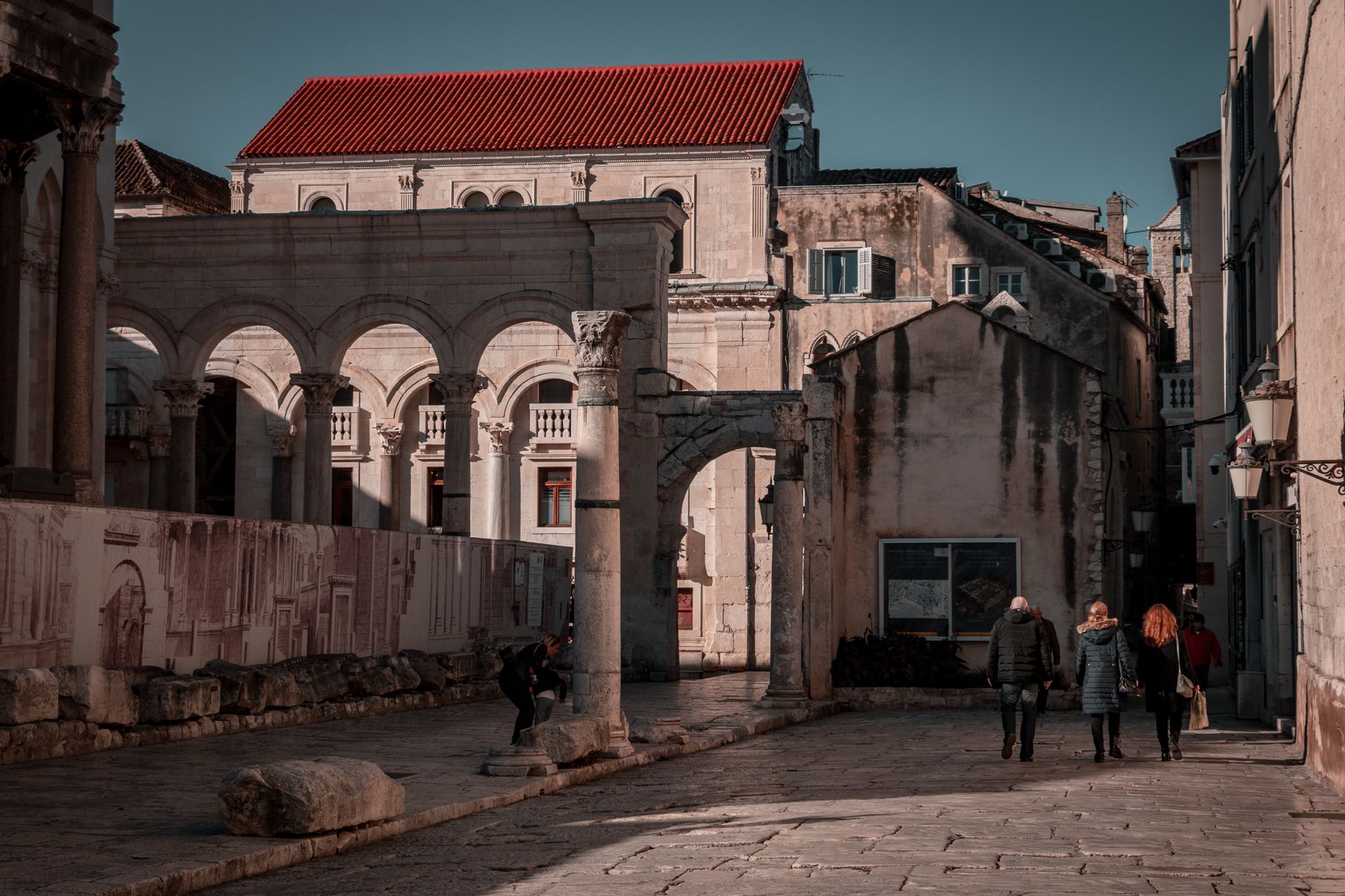
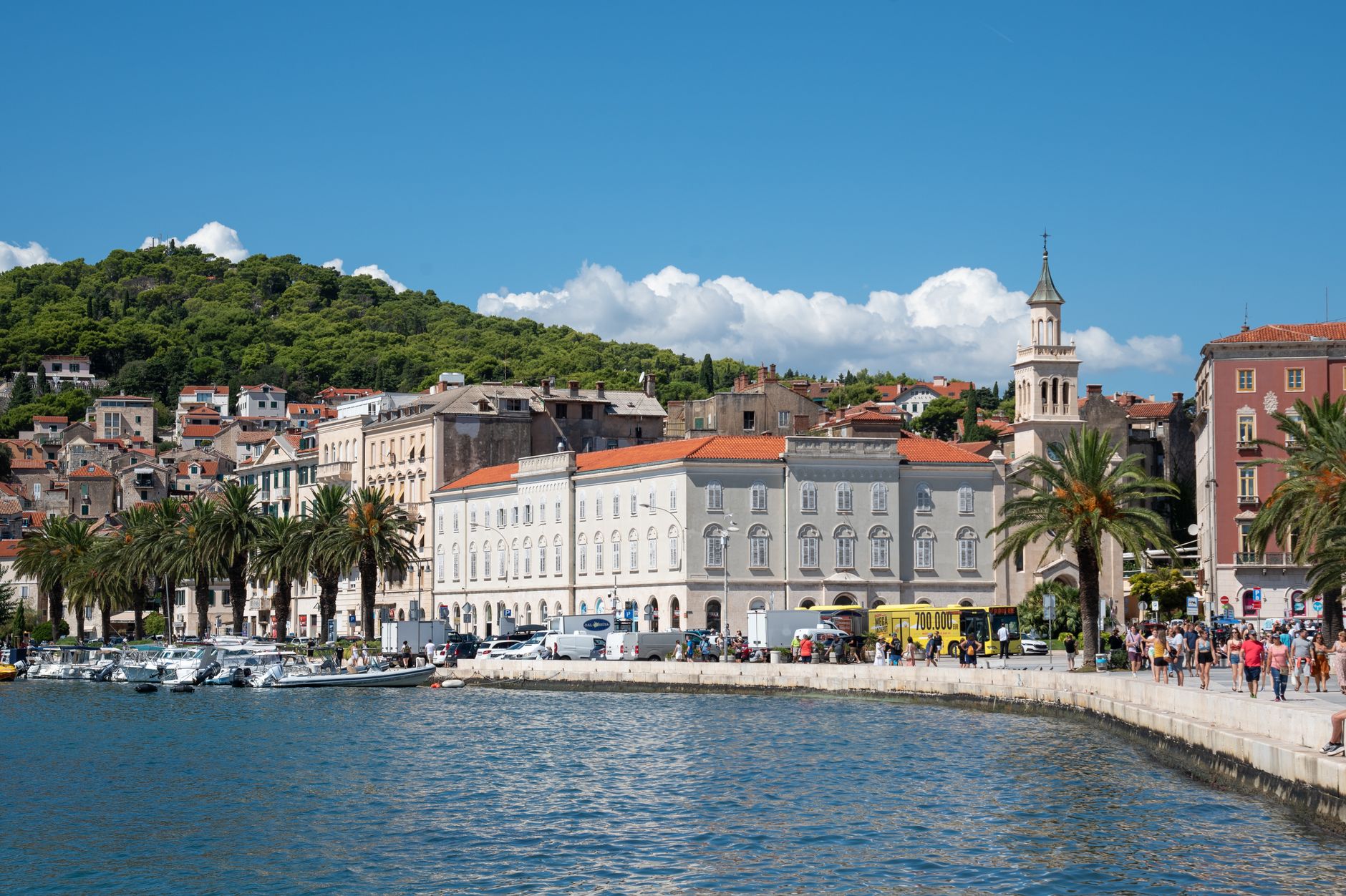
Photo by Zekai Zhu on Pexels
Split
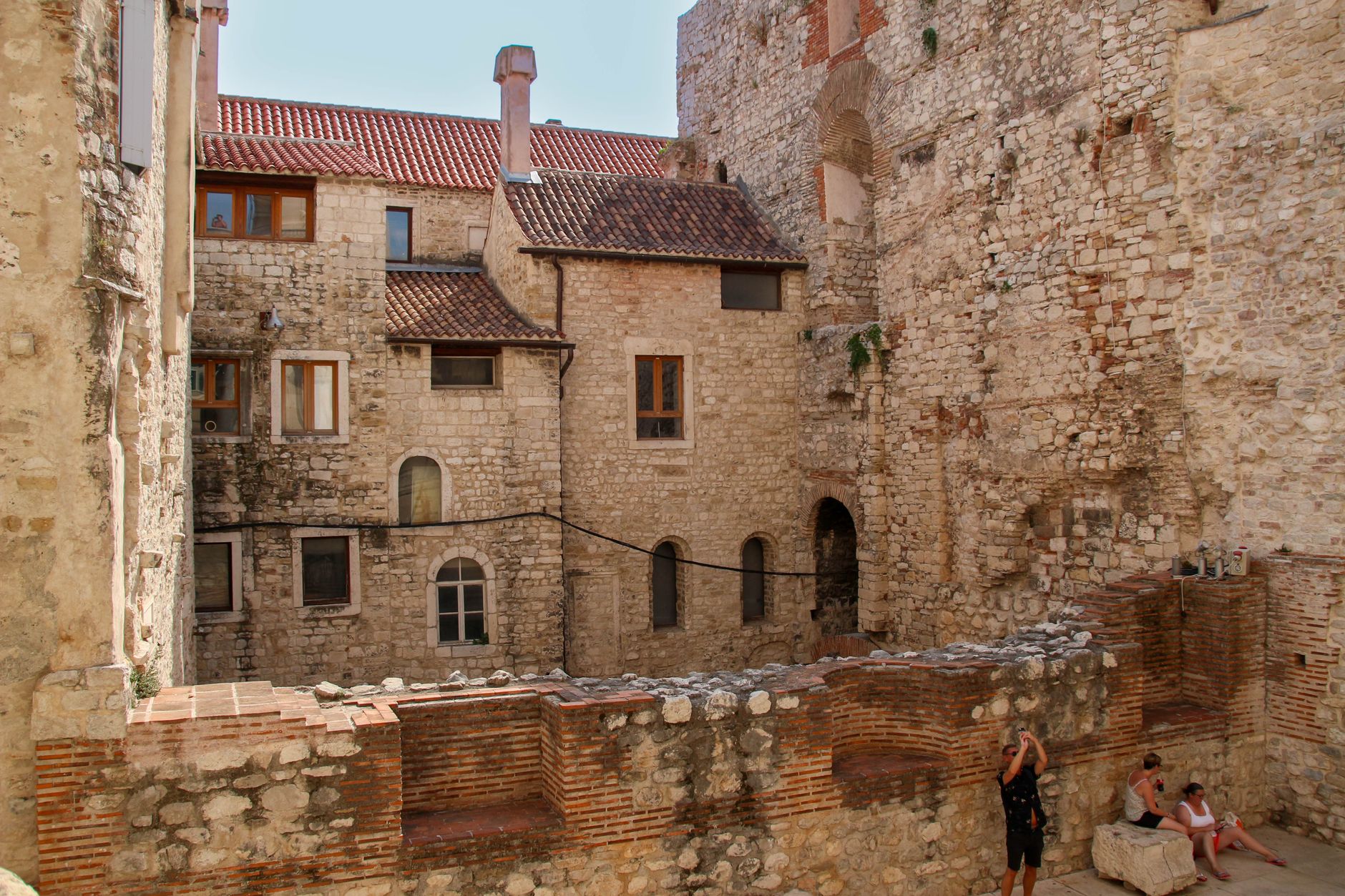
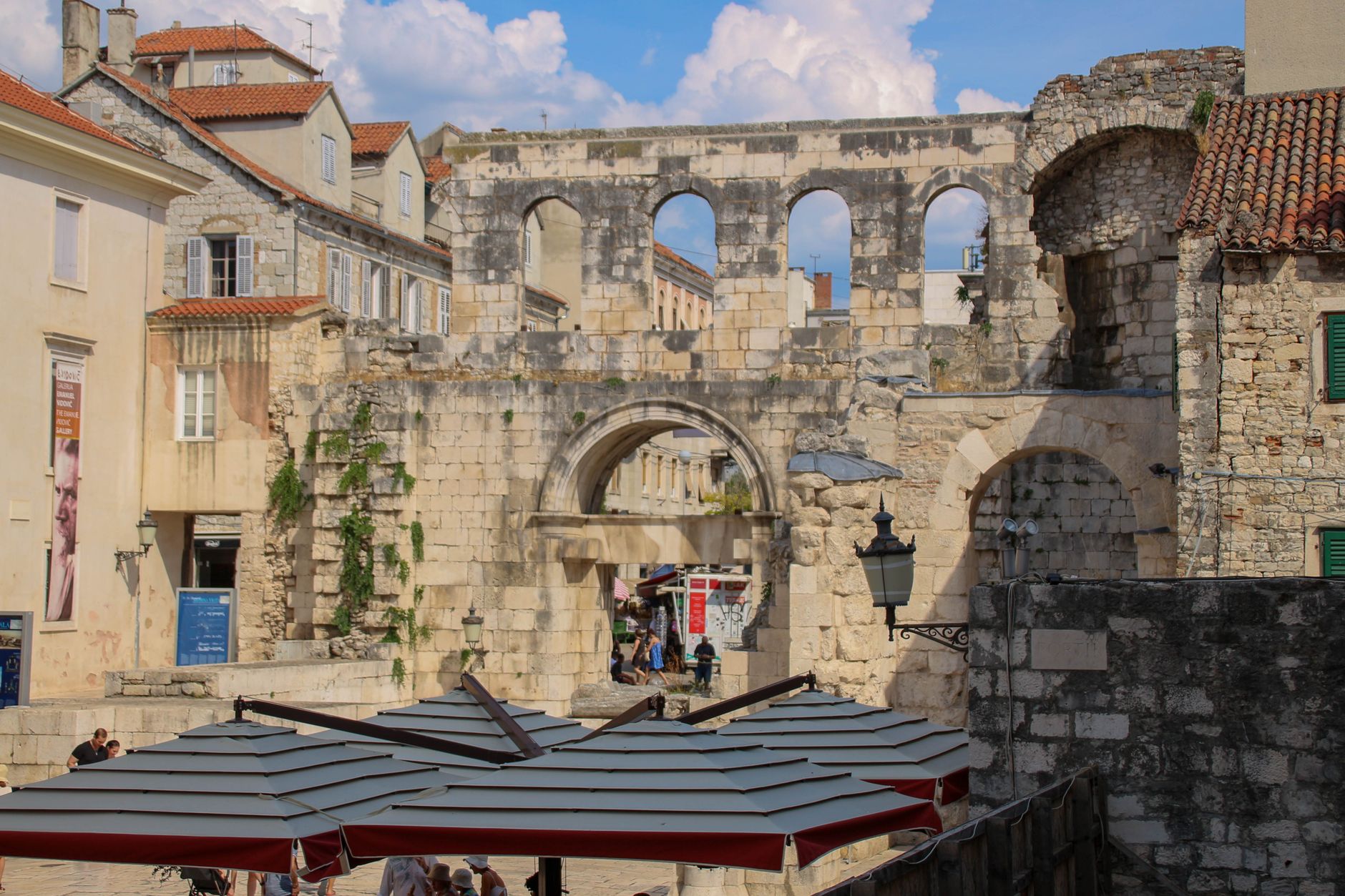
Photo by Aleksei Pribõlovski on Pexels
Split
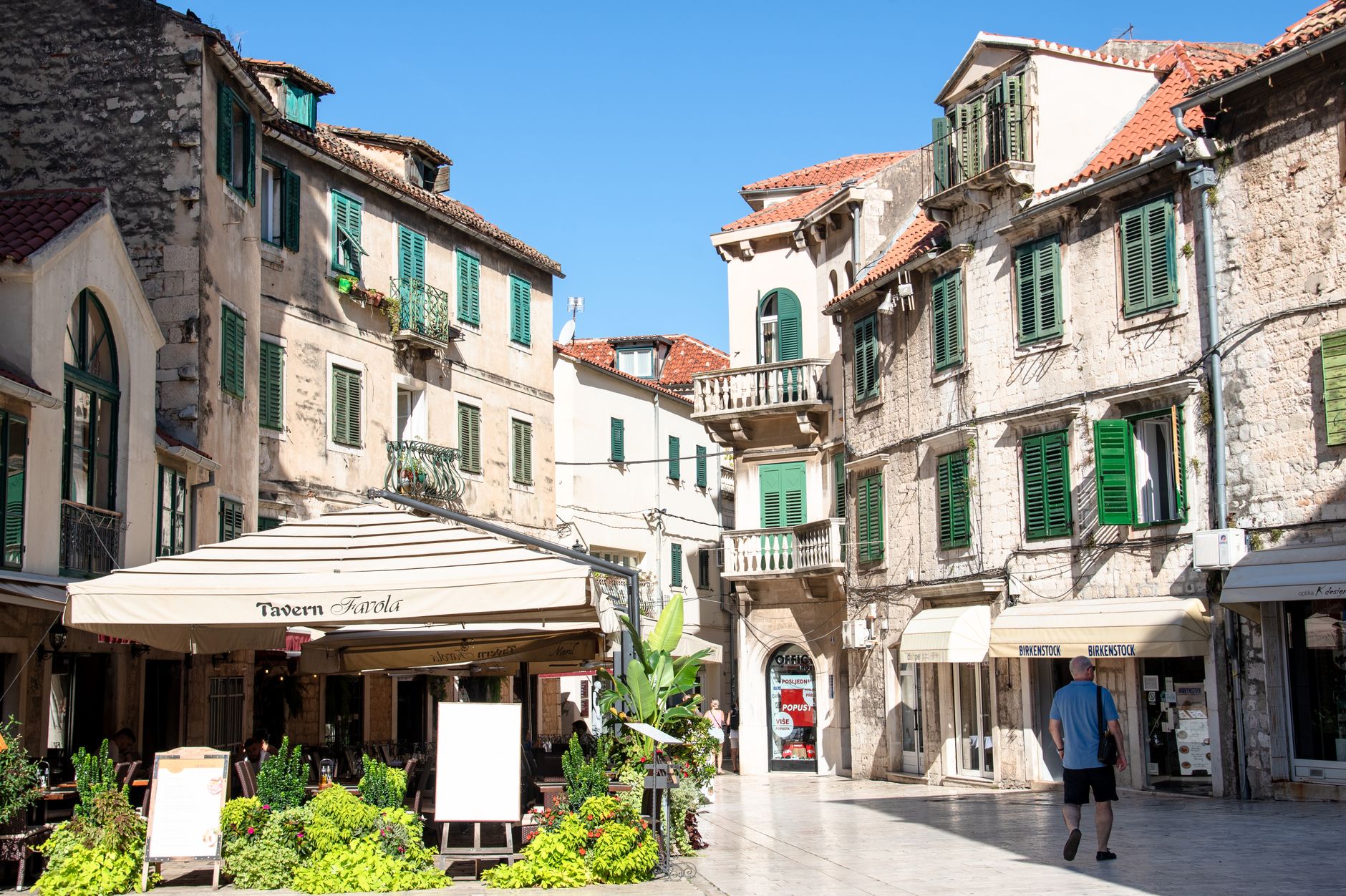
Photo by Jan Tang on Pexels
Split
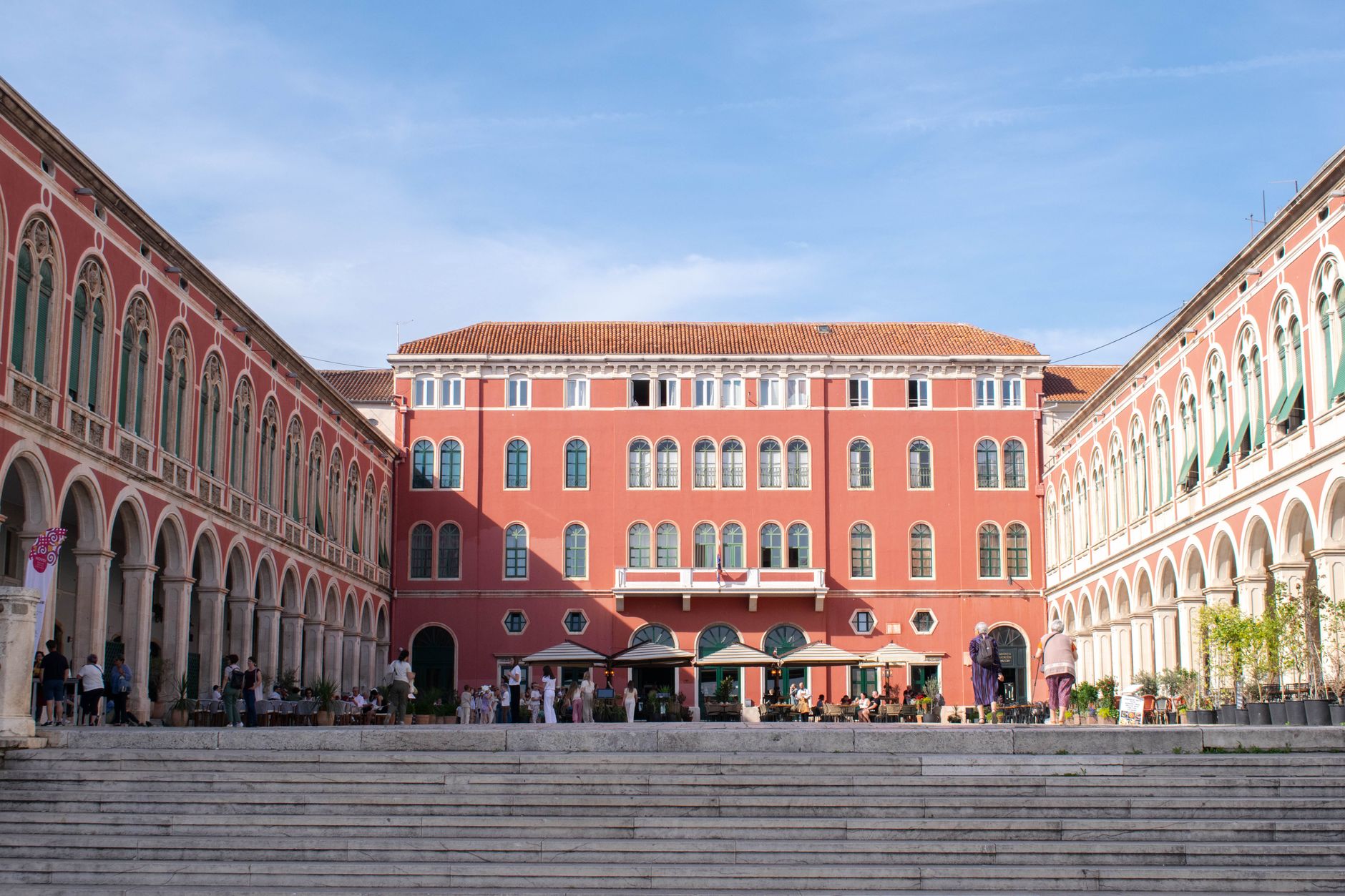
Photo by Alex Batonisashvili on Pexels
Split
Photo by Jan Tang on Pexels
Split
Photo by Aleksei Pribõlovski on Pexels
City break Culture & history Romantic getaway

Split is a city where the Roman Empire never quite ended. Diocletian's Palace — built as a retirement estate for one emperor, completed in 305 CE — became, after refugees from a sacked neighbouring city moved in, the living core of a modern Dalmatian town. Today around 3,000 people still sleep, cook and hang laundry inside those walls. You walk through a fourth-century gate to find a bar, a cathedral converted from an imperial mausoleum, and someone's cat asleep on a sphinx of black Egyptian granite.

Split sits on the Dalmatian coast, roughly midway down Croatia, and works both as a destination in its own right and as a departure point for the islands. The old town is compact enough to cover on foot in an afternoon, deep enough to keep pulling you back.

💛 What travellers fall for

Return visitors tend to develop specific loyalties: a table on the Peristyle at dusk when the stone goes gold, the free walk through the palace cellars from the Bronze Gate to that same square, the Meštrović Gallery on a quiet morning when the garden is almost empty. The city rewards wandering without a plan more than it rewards a checklist.

Good to know
Ferries to Hvar and other islands leave from the port directly below the palace's south wall. May–June and September offer the best balance of warmth and manageable crowds. July and August are hot and packed. The cathedral bell tower requires a separate ticket; the basement walk from the Bronze Gate is free.
The story

How Split came to be

Split's origins sit with a small Greek colony called Aspálathos, founded in the third or second century BCE. The city as it stands, though, begins with Diocletian — a Dalmatian-born soldier who rose to become one of Rome's most powerful emperors, ruled 284–305 CE, then did something almost no emperor had done: voluntarily abdicated. He spent his final years in the palace he'd spent a decade building on his home coast, dying there in 316.

The palace sat relatively quiet until the seventh century, when Avars and Slavs destroyed nearby Salona. Its refugees moved inside the walls and organised a city around the old imperial corridors. Venice, Hungary-Croatia and Austria each held the city in turn before it became part of Yugoslavia and, in 1992, Croatia. UNESCO recognised the palace complex in 1979.

People & landmarks

Who and what shaped it

People who shaped it

Diocletian
Roman Emperor (284–305 CE) who built the palace as his retirement residence, 295–305 CE; died there in 316.
Gregory of Nin
Bishop who introduced Croatian language into Bible teachings; commemorated by 28 ft statue in Split.
Ivan Meštrović
Croatia's greatest sculptor; his former seaside residence now houses a gallery of his marble and bronze works.

Landmark buildings

Diocletian's Palace
Built 295–305 CE as imperial retirement residence; 7 acres with 72 ft high walls, 16 towers, 4 gates; UNESCO World Heritage Site since 1979; ~3,000 residents still live within its walls.
Cathedral of Saint Domnius
Built 305 CE as Diocletian's mausoleum; oldest Catholic cathedral still in use within its original Roman structure; converted to cathedral in 653.
Peristyle Square
Central courtyard of the palace; features best-preserved Roman architecture and one of most authentic examples of Roman culture globally.
Temple of Jupiter
3rd century Roman temple built 295–305 CE; features Egyptian black granite sphinx; likely converted to Baptistery of St. John Baptist in 6th century.
Diocletian's Palace Cellars
Underground structures with 60 rooms mirroring the palace above; one of most well-preserved ancient complexes globally; partially free to walk.
Croatian National Theater
Neo-baroque building hosting performances since 1893; features red velvet seats, gilded boxes, and chandelier-lit foyer with art exhibitions.
Republic Square
19th century neo-Renaissance square west of the palace, built to evoke Venice's St. Mark's Square.
Riva Promenade
Main pedestrian street dedicated to Croatian National Revival; took current form under French rule (1807); converted to pedestrian zone in 1990s.
Ivan Meštrović Gallery
1930s seaside villa, former residence of sculptor; garden with views that inspired the artist.
People's Square
Medieval meeting place with gothic bell tower; marks edge of Old Town; surrounded by shops, cafes, bars, restaurants.
Practical

Plan your visit

On the map

When to go

Summers are hot and dry, with July and August regularly reaching the mid-30s Celsius along the waterfront. Spring and autumn are mild and often clear — ideal walking weather. Winters are cool and occasionally rainy but rarely harsh.

Right now

☀️
28°C
Clear
Sat
32°
27°
Sun
33°
26°
Mon
🌦️
33°
27°
Tue
🌦️
28°
23°
Weather data: Open-Meteo

Background & history adapted from Wikipedia (CC BY-SA) · specs from Wikidata (CC0) · weather from Open-Meteo · map data © OpenStreetMap contributors · photos from Wikimedia Commons / Unsplash with per-image credit. No third-party reviews or social posts reproduced.

Top