
Hvar Island
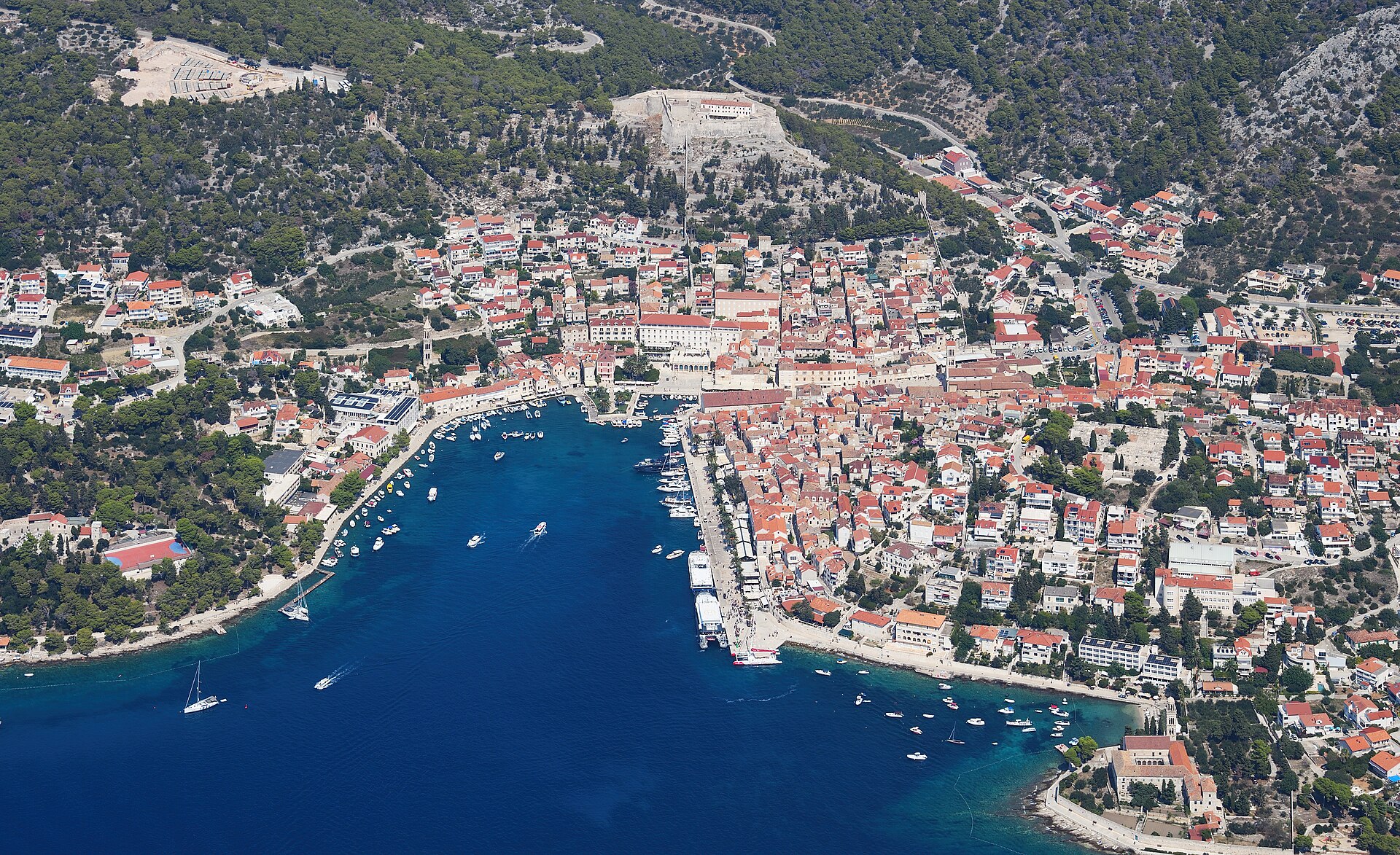
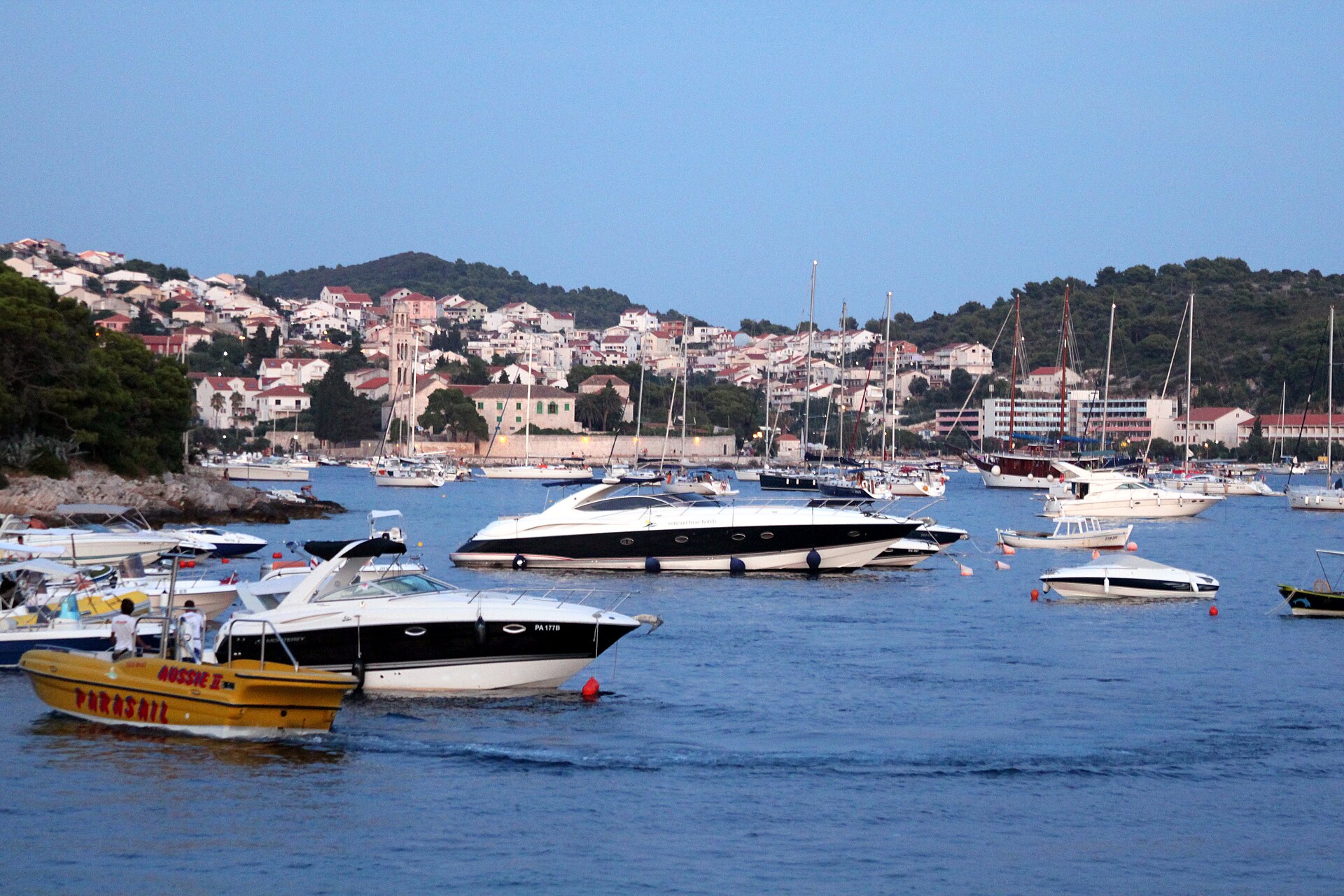
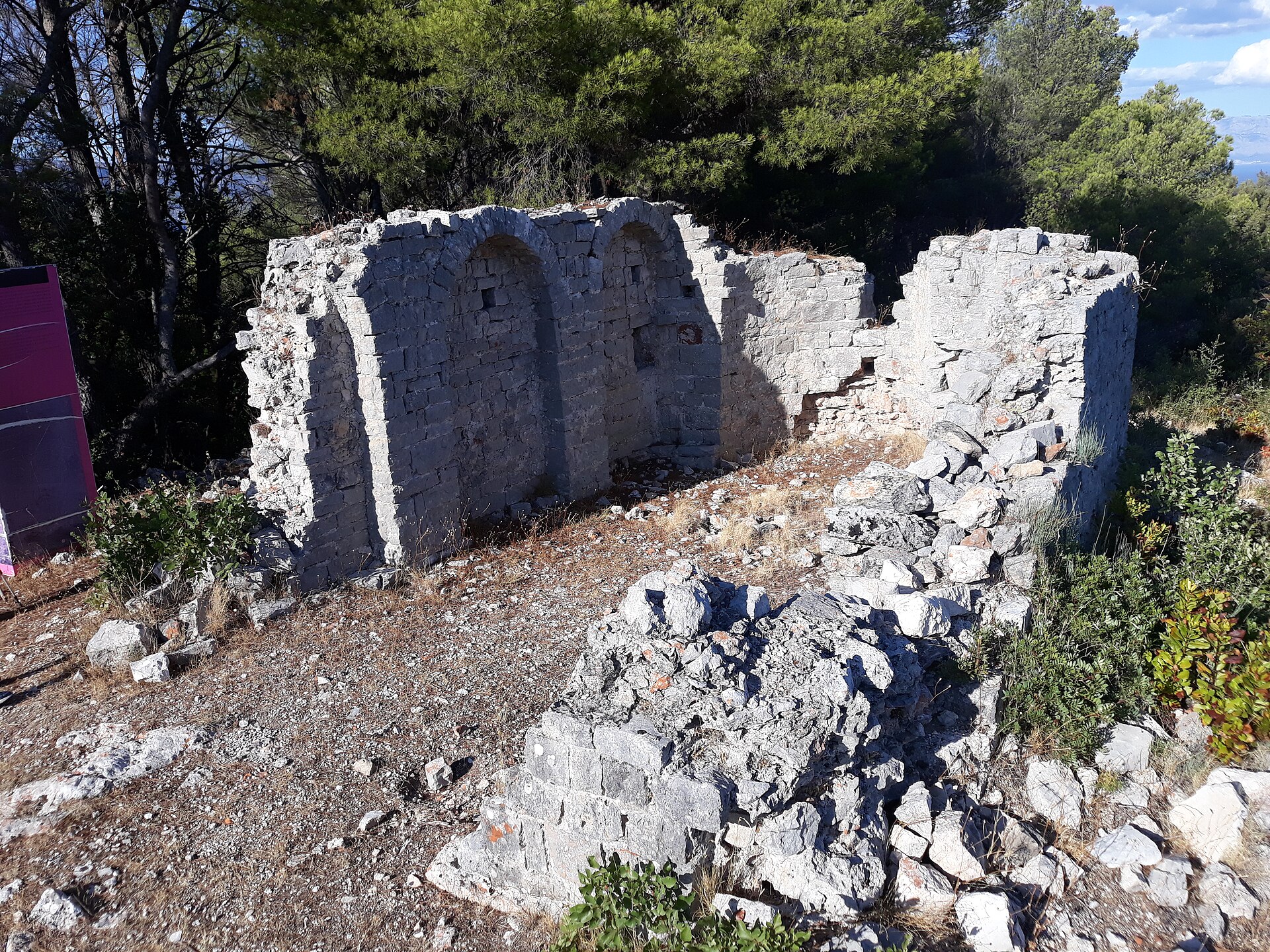
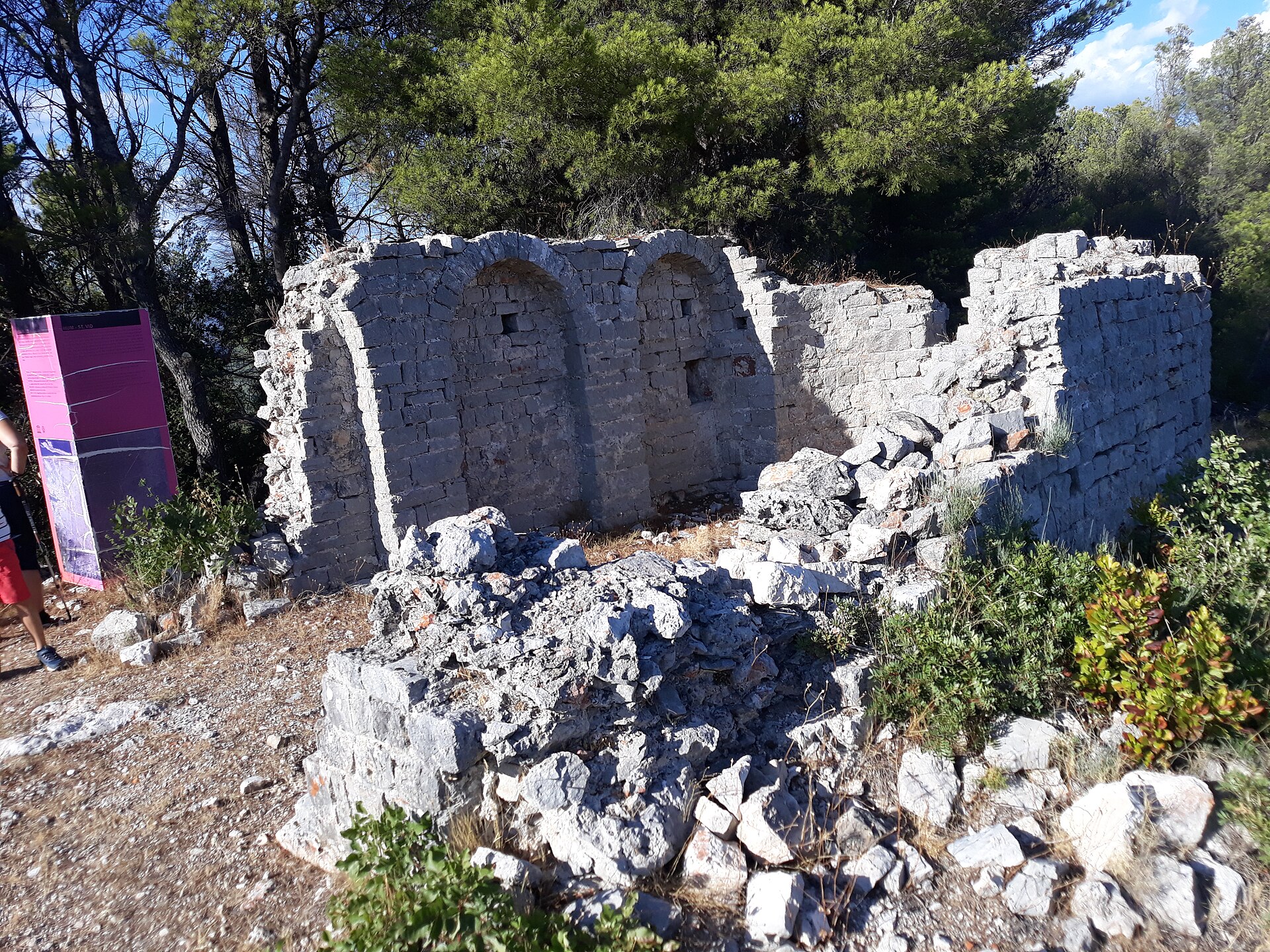
Hvar is a long, thin island in the Adriatic — about 68 kilometres from end to end — where lavender fields and vineyards cover the interior and the coast breaks into small bays facing the Pakleni Islands offshore. The town of Hvar sits around a wide harbour, its Renaissance square one of the largest on the Dalmatian coast, presided over by the Cathedral of St. Stephen and an Arsenal building that doubles as one of Europe's oldest public theatres. Stari Grad, at the other end of the island, is quieter and older, its agricultural plain still divided along the same grid the Greek colonists laid out after 384 BC.
The island draws a wide range of visitors — some here for the sea, some for the wine, some to trace a remarkably layered past that runs from Neolithic pottery to Venetian fortresses to Renaissance poetry.
How Hvar Island came to be
People have lived on Hvar for a very long time — long enough that the Neolithic culture centred here, dating from roughly 3500 to 2500 BC, now carries the island's name. The Greeks founded Pharos in 384 BC on the site of today's Stari Grad, and their field system on the plain behind town has survived intact enough to earn UNESCO World Heritage status. Venice eventually took firm hold in 1409, turning the town of Hvar into a significant naval base and building the Arsenal between 1579 and 1611.
The 16th century brought raids from Ottoman forces — in 1571 the entire population of Hvar Town retreated to the fortress above while Turkish forces burned the town below — yet the same period produced two of Croatia's most important Renaissance writers, Petar Hektorović and Hanibal Lucić, both Hvar-born. After Napoleon came and went, the Austrian Empire brought a calmer stretch; the Hygienic Society of Hvar, founded in 1868 and still active, is a direct product of that era's interest in organised tourism.
Who and what shaped it
People who shaped it
Landmark buildings
See Hvar Island in motion
Plan your visit
On the map
When to go
Summers are long, dry, and reliably hot, with sea temperatures that stay warm well into September. Spring and autumn are mild and often sunny; winters are quiet and occasionally wet, but the island never fully closes.
Right now
Background & history adapted from Wikipedia (CC BY-SA) · specs from Wikidata (CC0) · weather from Open-Meteo · map data © OpenStreetMap contributors · photos from Wikimedia Commons / Unsplash with per-image credit. No third-party reviews or social posts reproduced.