
Poreč
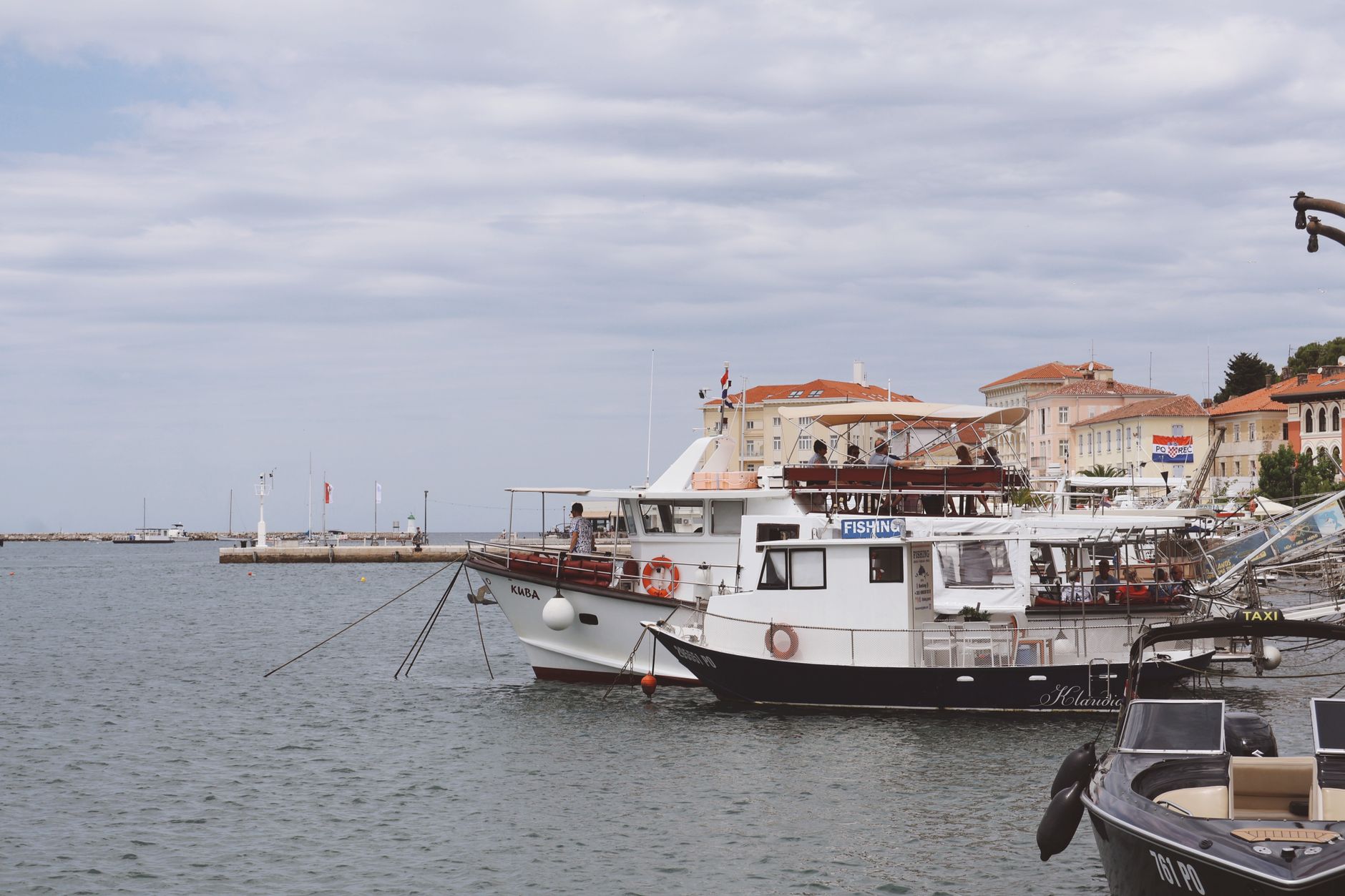
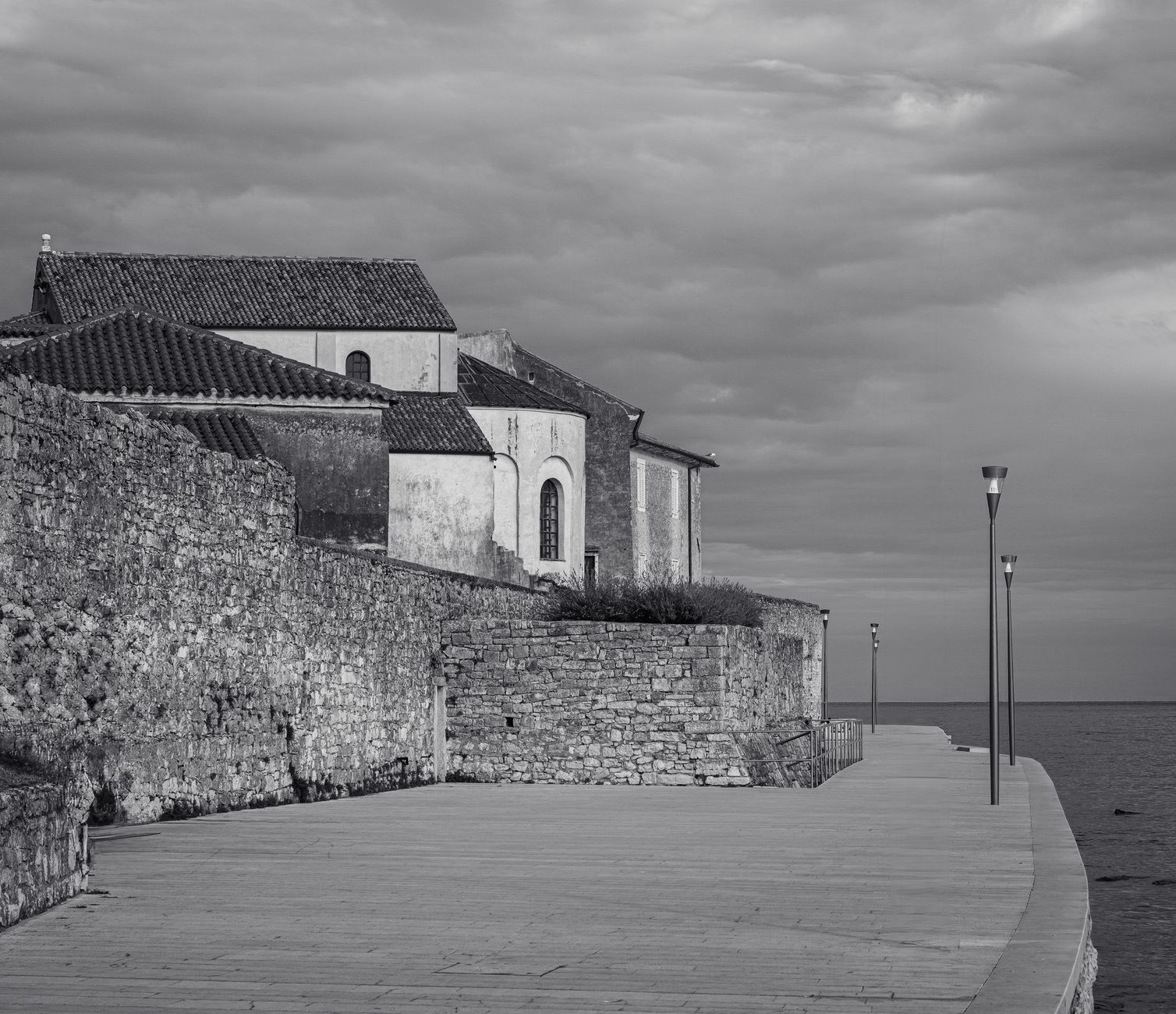
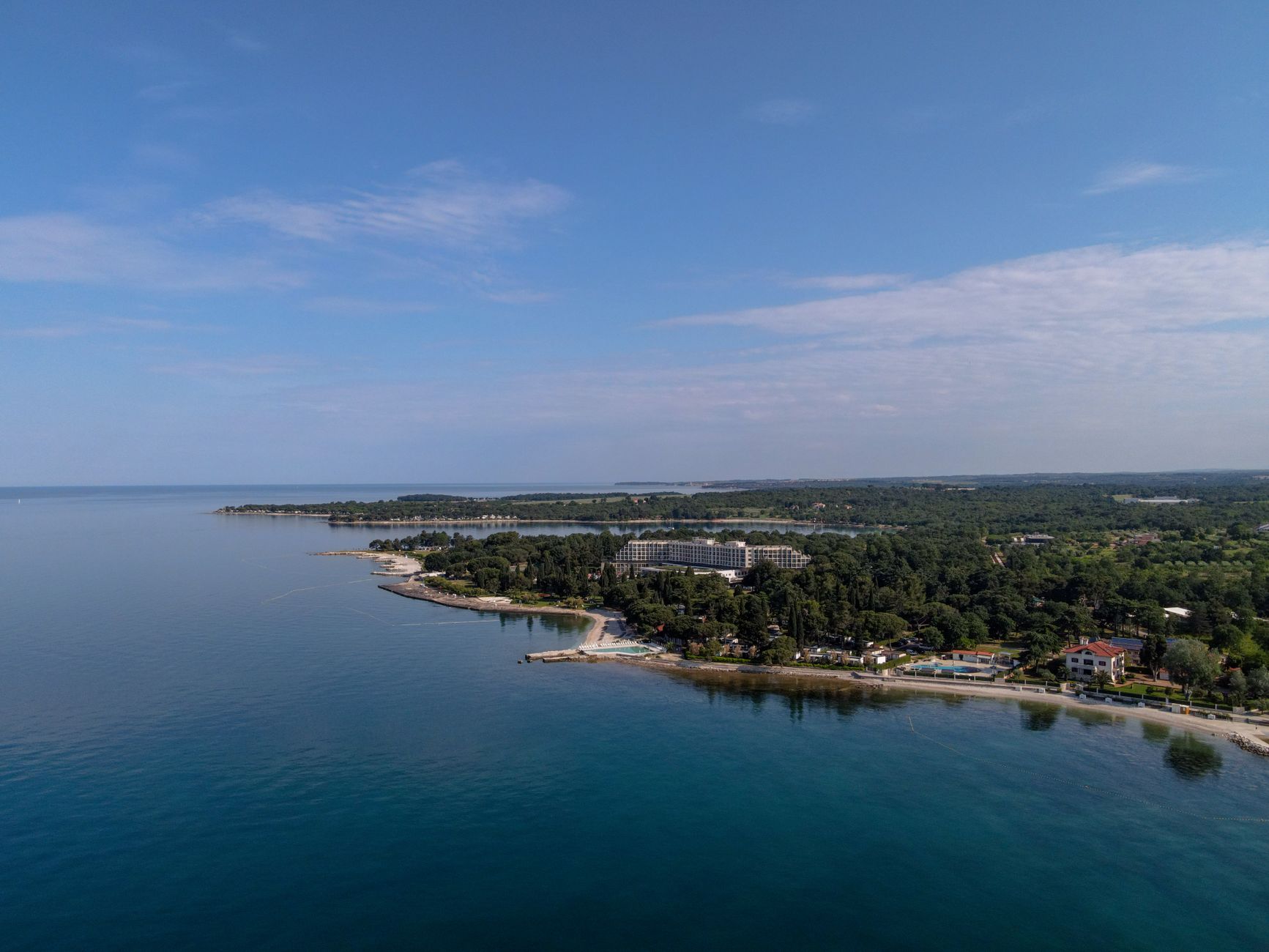
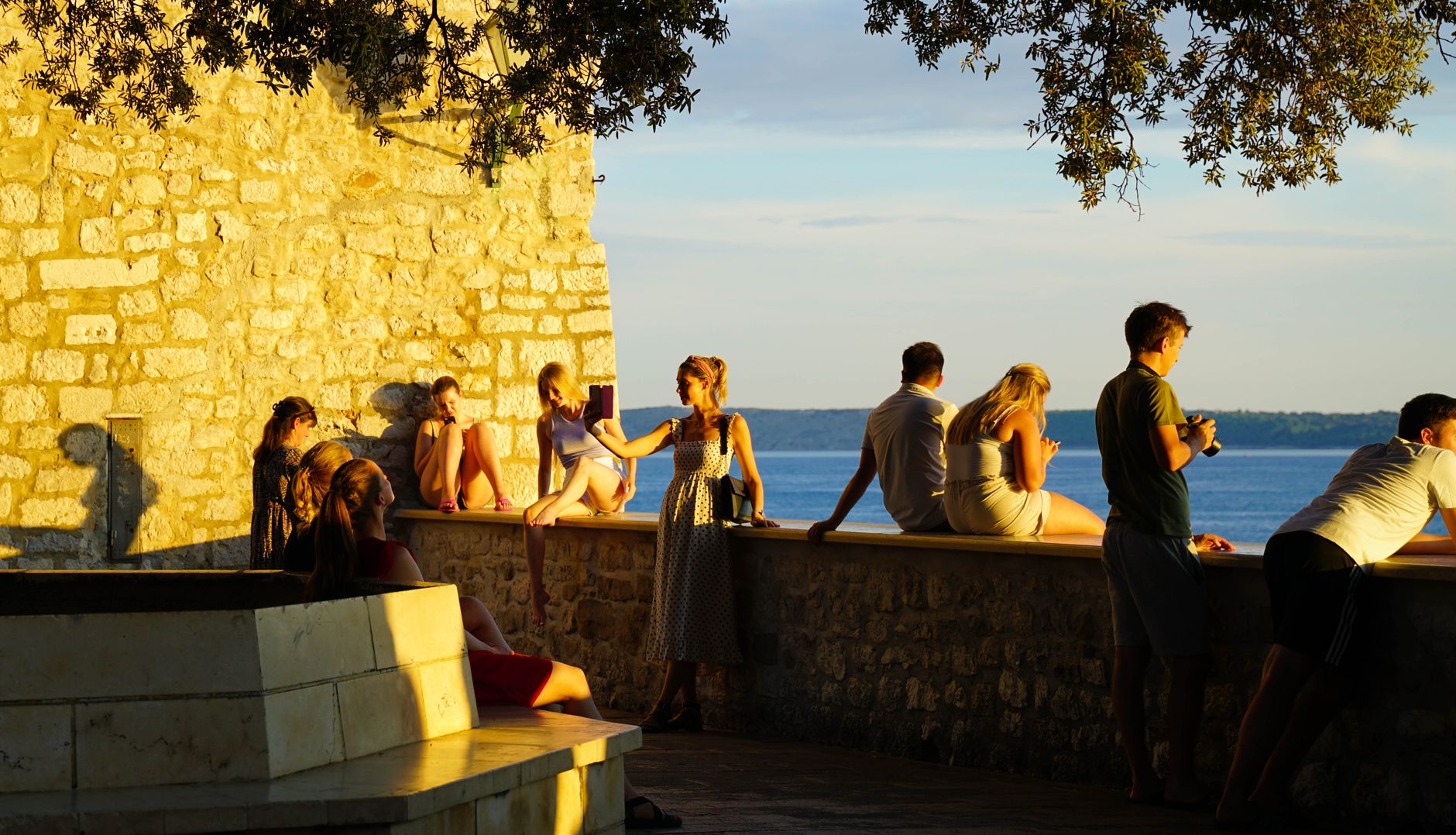
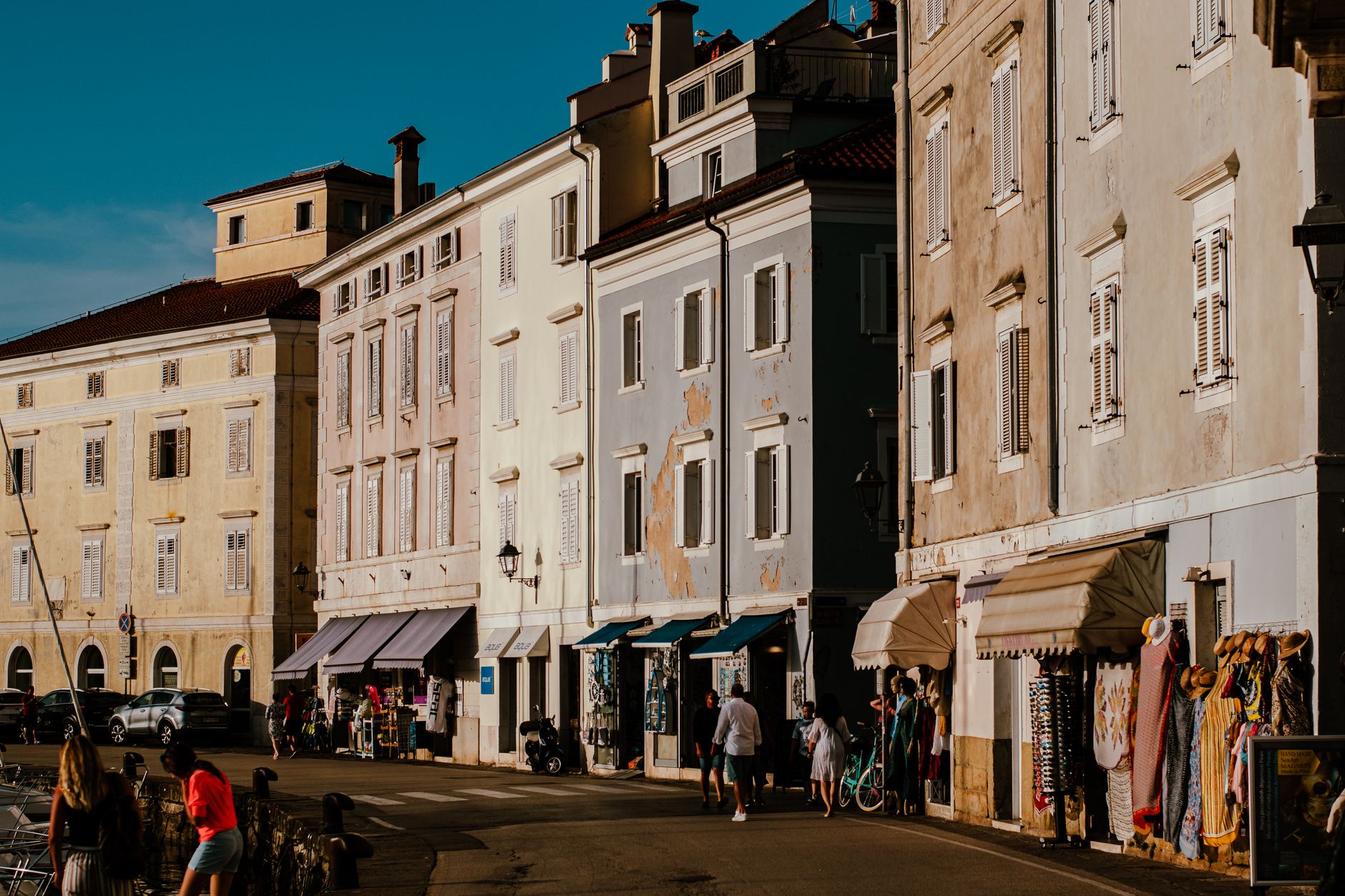
Poreč sits on a small peninsula jutting into the Adriatic, its street grid still following the lines Romans laid down two thousand years ago. Walk the Decumanus — the old main road — and you're tracing a path that hasn't meaningfully shifted since the first century. The town's centrepiece is the Euphrasian Basilica, a sixth-century Byzantine complex whose gold mosaics have been drawing eyes upward since the reign of Justinian.
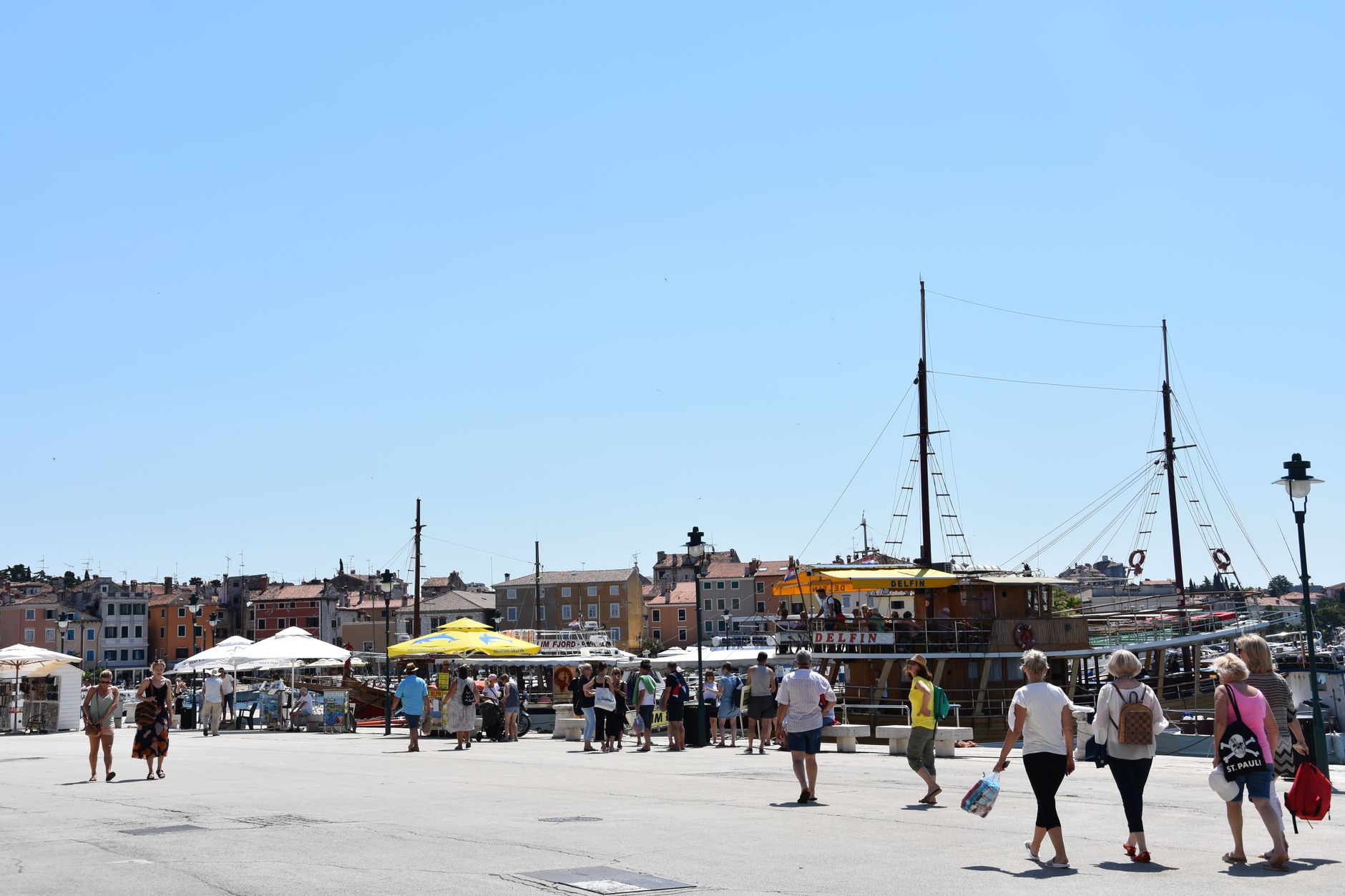
This is Istria's most visited coastal town, which means summer brings crowds, but the peninsula's compact old core keeps things navigable. The sea here runs warmer than Croatia's southern coast, the stone streets cool quickly after sunset, and the Roman square of Marafor still holds the remains of a Neptune temple.
How Poreč came to be
The Histri, an Illyrian tribe, were here first. Romans arrived in the second century BC with a military fortress, and by the time of Augustus the settlement had been formalized as Colonia Iulia Parentium. The street plan from that era — Decumanus and Cardo Maximus crossing at right angles — is still legible underfoot.
Christianity arrived early: a cathedral stood here by the fourth century. In the sixth century, Bishop Euphrasius rebuilt it into the complex that survives today, completed between 543 and 554 under Byzantine rule. Venice claimed the town in 1267 and held it for five centuries, leaving Romanesque houses and Gothic palaces behind. Napoleon followed, then the Austro-Hungarian Monarchy, then Italy, before Poreč became part of Croatia in 1943 — a sequence that gives the old town its layered, hard-to-place character.
Who and what shaped it
People who shaped it
Landmark buildings
See Poreč in motion
Plan your visit
On the map
When to go
Summers are long and dry, with July averaging ten hours of sunshine a day and temperatures peaking around 30°C — sea temperatures here can reach 28°C, warmer than further south. Winters are mild but quiet, with January averaging around 6°C; spring and autumn bring reliable warmth without the August crowds.
Right now
Background & history adapted from Wikipedia (CC BY-SA) · specs from Wikidata (CC0) · weather from Open-Meteo · map data © OpenStreetMap contributors · photos from Wikimedia Commons / Unsplash with per-image credit. No third-party reviews or social posts reproduced.