
Changi
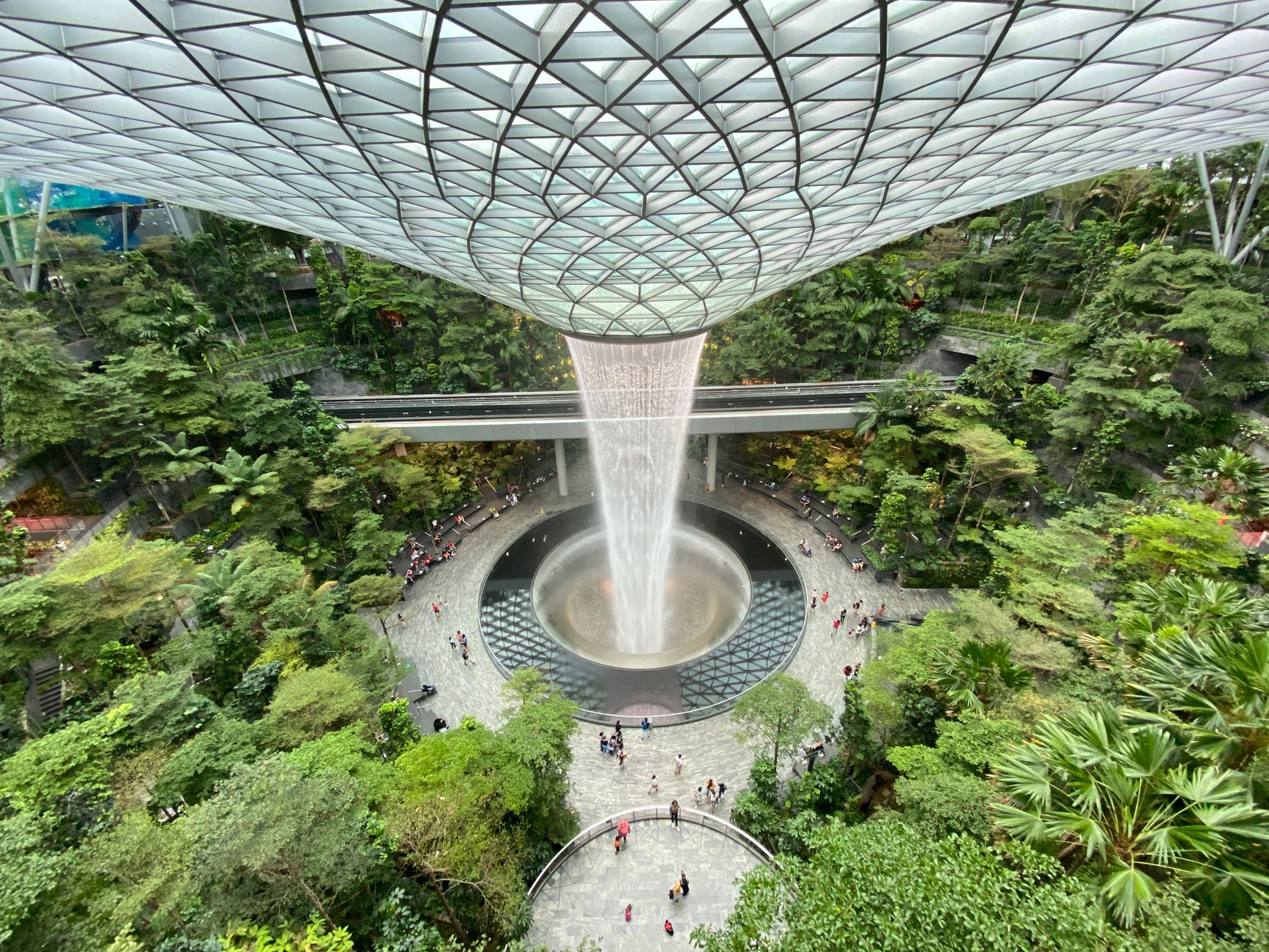
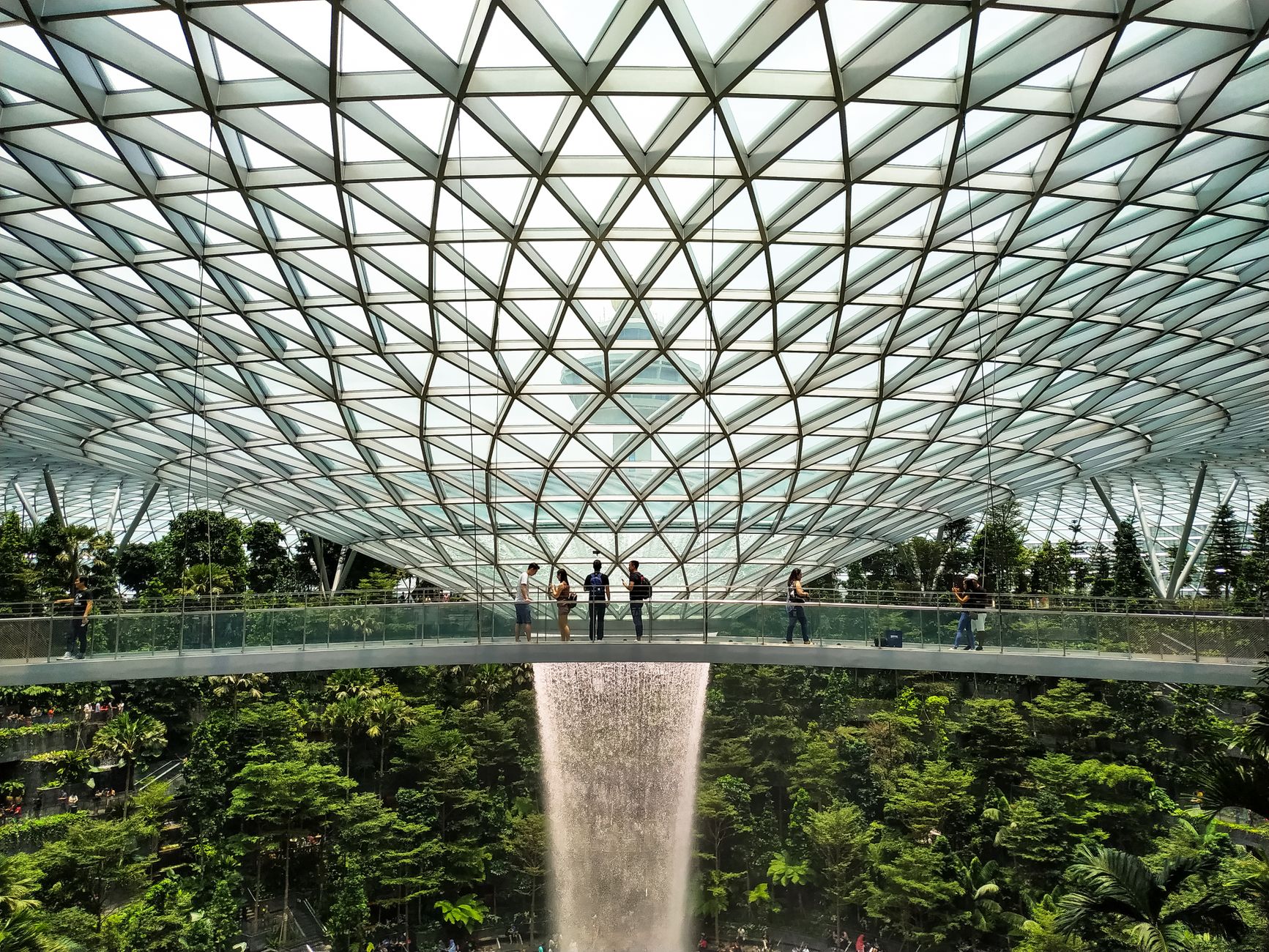
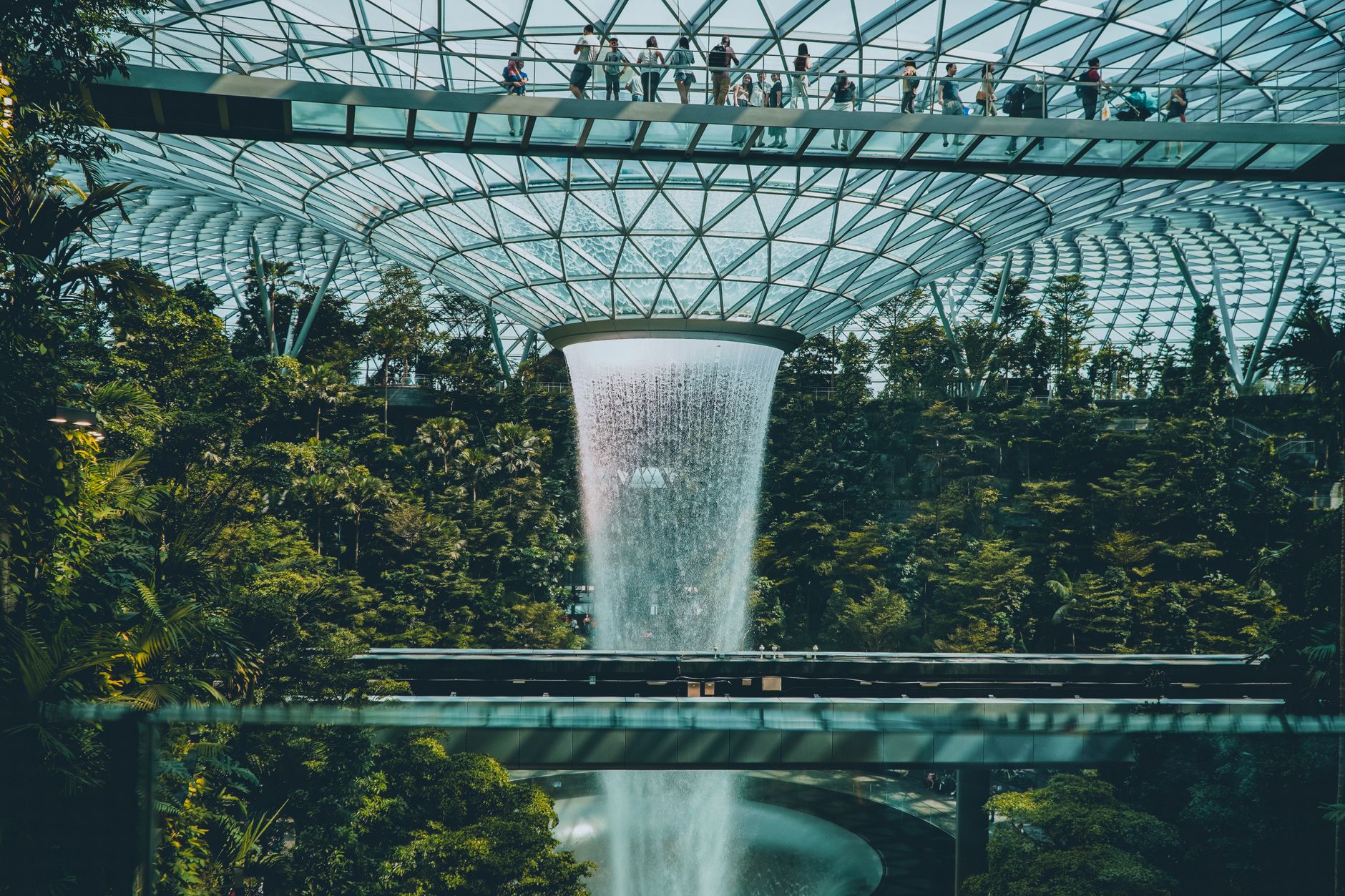
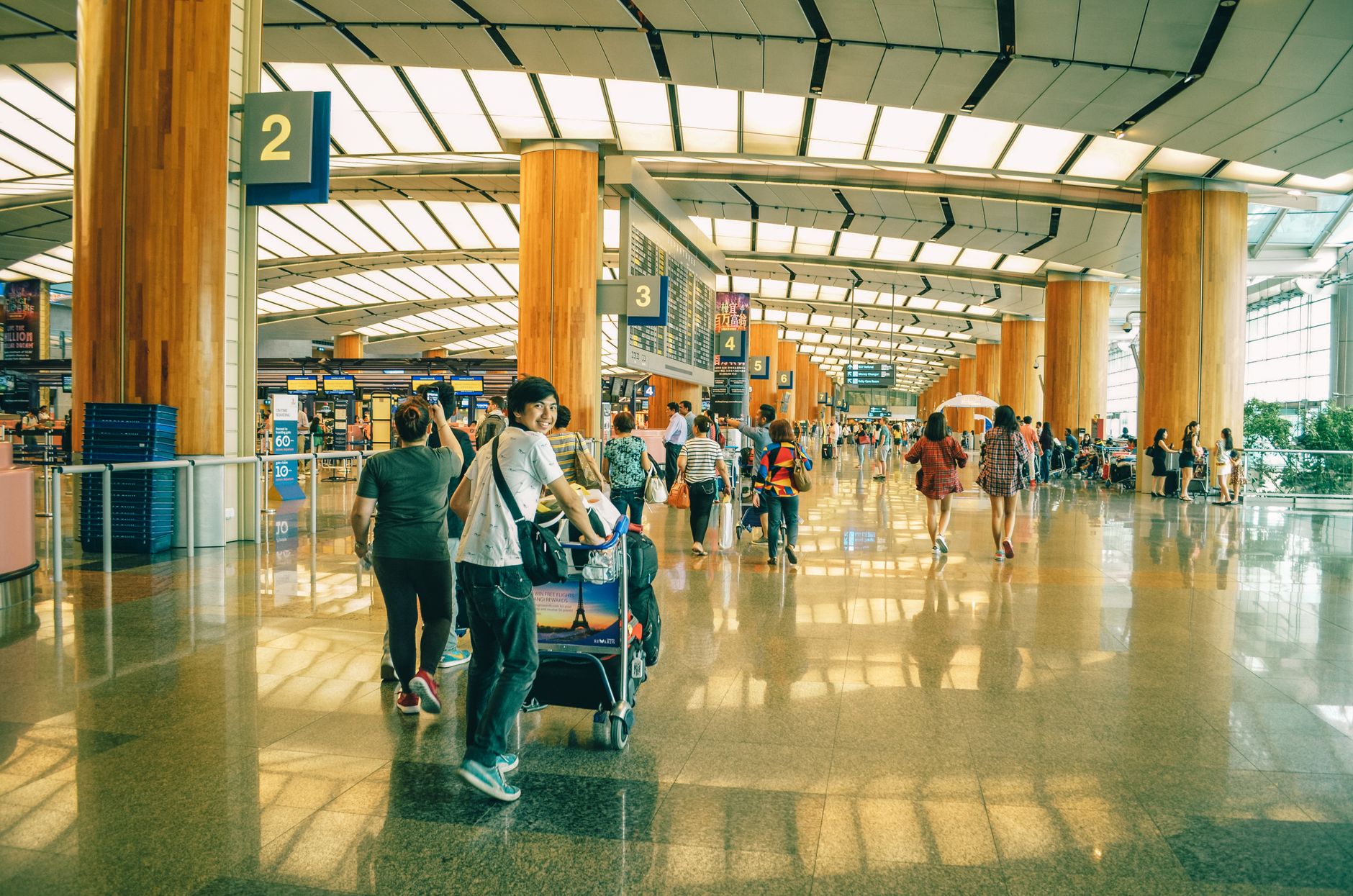
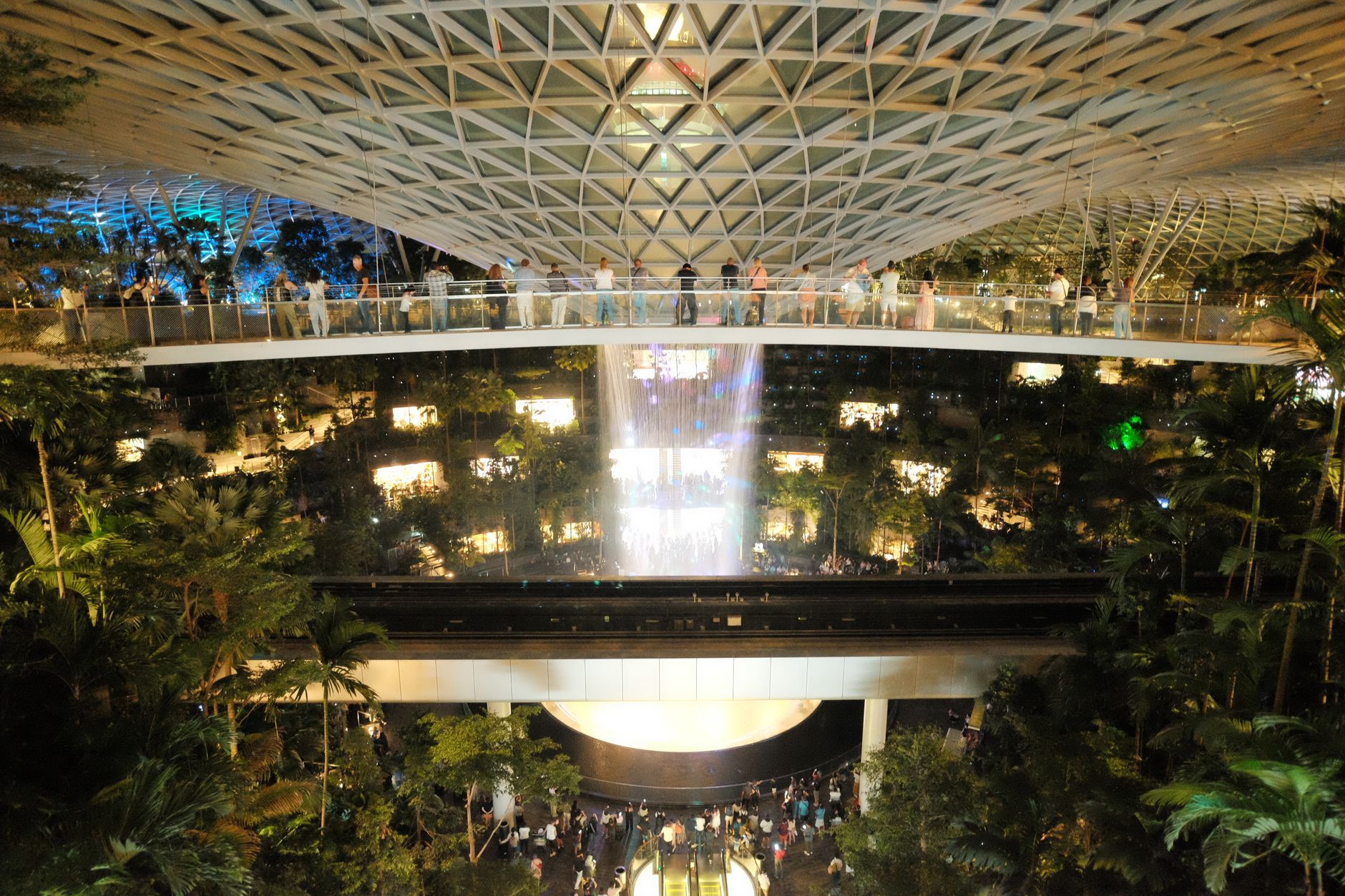
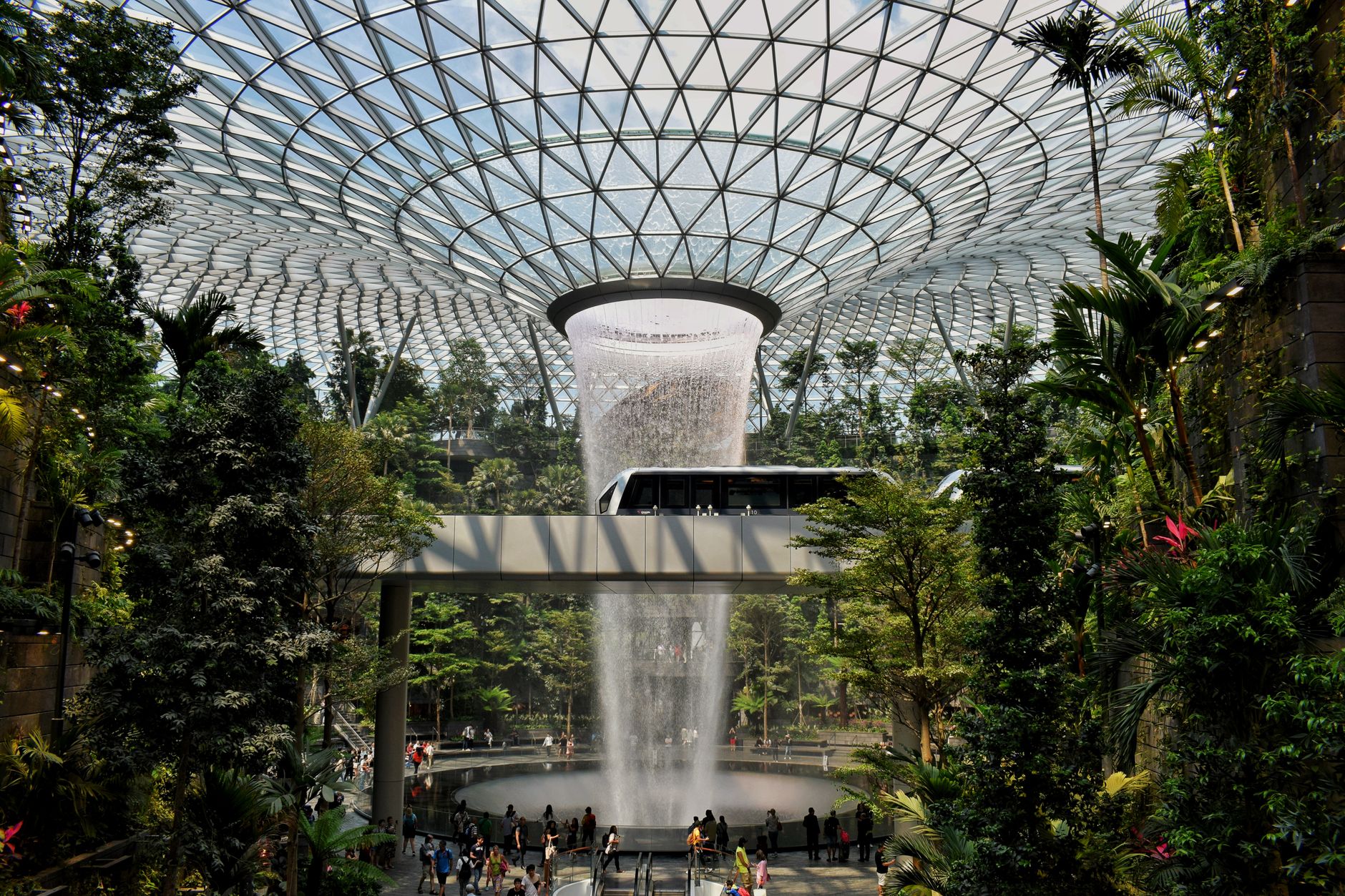
Most people encounter Changi as a threshold — the place where Singapore begins or ends, where a 40-metre waterfall drops through a glass-and-steel dome into an indoor forest of 2,000 trees. But the eastern tip of the island carries more than an airport. It holds the site of one of the Pacific War's most harrowing chapters, a boardwalk that traces the old shoreline past sailing clubs and casuarina trees, and a neighbourhood that shifted from malarial swampland to RAF base to one of the world's busiest aviation hubs in less than a century.
Changi rewards the traveller who pauses rather than sprints to a gate. The Jewel complex alone — Moshe Safdie's circular greenhouse connecting three terminals — can absorb an afternoon, and that's before you've walked out toward the beach park where the sea opens up and the city feels, briefly, far away.
How Changi came to be
The name Changi likely derives from the Cengal tree (Neobalanocarpus heimii), which once covered this jungle-and-swamp corner of the island. British surveyors knew the point by another name — Franklin Point — in the 1820s and 1830s, and the colonial administration later built summer bungalows here before constructing military barracks and a hospital from the 1920s onward, as tensions across Asia deepened.
The weight of 1942 still lies over certain parts of Changi. After the British surrender, Allied POWs were marched to Changi Prison and the surrounding barracks. At Changi Beach Park and other locations, the Sook Ching massacres claimed thousands of Chinese civilians. The murals painted by POWs at Block 151 Changi Camp — quiet symbols of faith and endurance — survive at Martlesham Road. Three decades later, the former Royal Air Force base became the foundation for a new international airport: construction began in 1975, with 870 hectares reclaimed from swamp and sea, and the first commercial flight landed on 1 July 1981.
Who and what shaped it
People who shaped it
Landmark buildings
See Changi in motion
Plan your visit
On the map
When to go
Changi sits in a tropical zone with high humidity, consistent heat, and rain distributed across the year rather than concentrated in a single wet season. There is no cool window to wait for — pack light, expect afternoon showers, and treat the air-conditioned terminals and Jewel as genuine relief rather than just transit infrastructure.
Right now
Background & history adapted from Wikipedia (CC BY-SA) · specs from Wikidata (CC0) · weather from Open-Meteo · map data © OpenStreetMap contributors · photos from Wikimedia Commons / Unsplash with per-image credit. No third-party reviews or social posts reproduced.