
Orchard Road
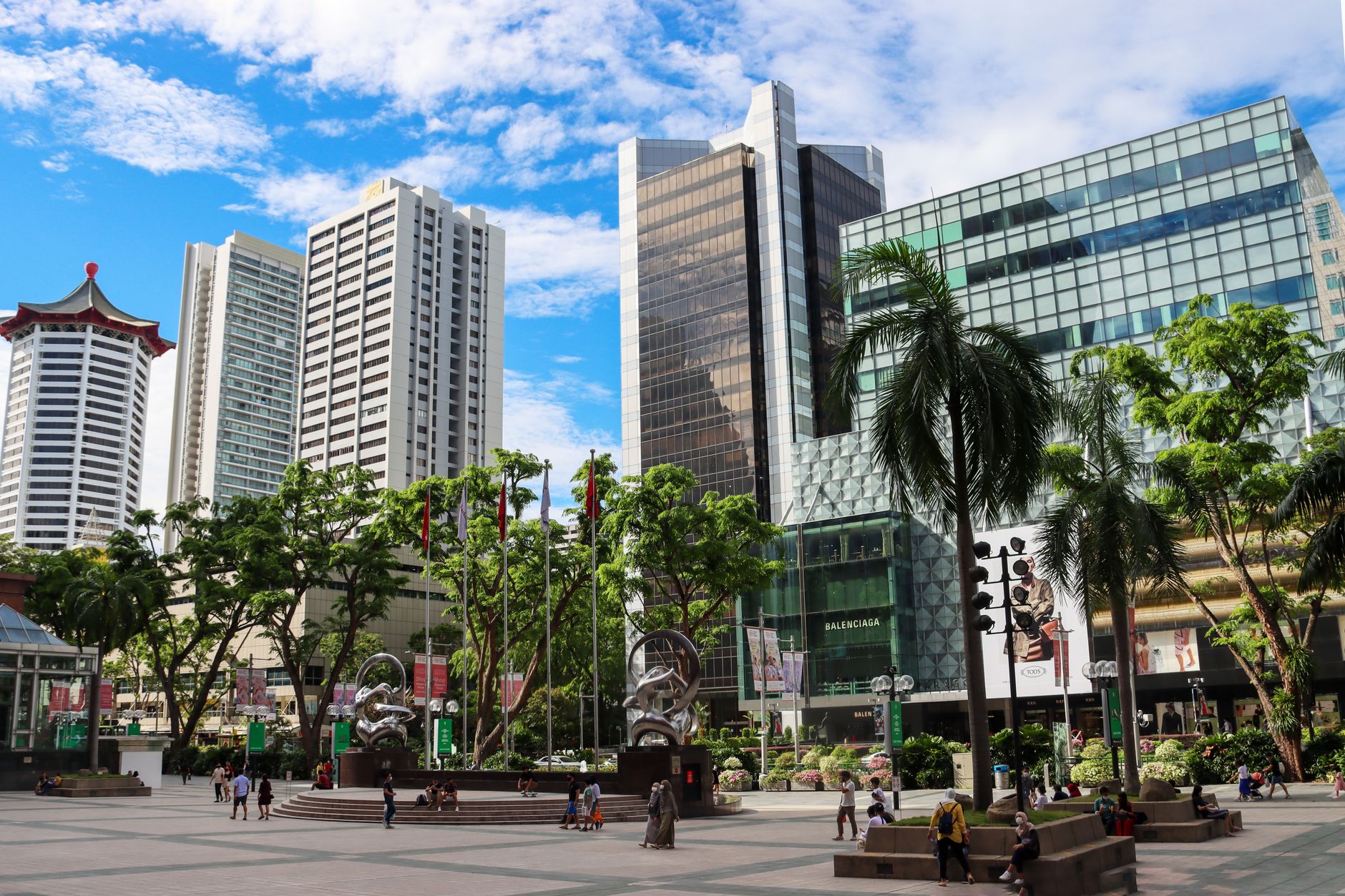
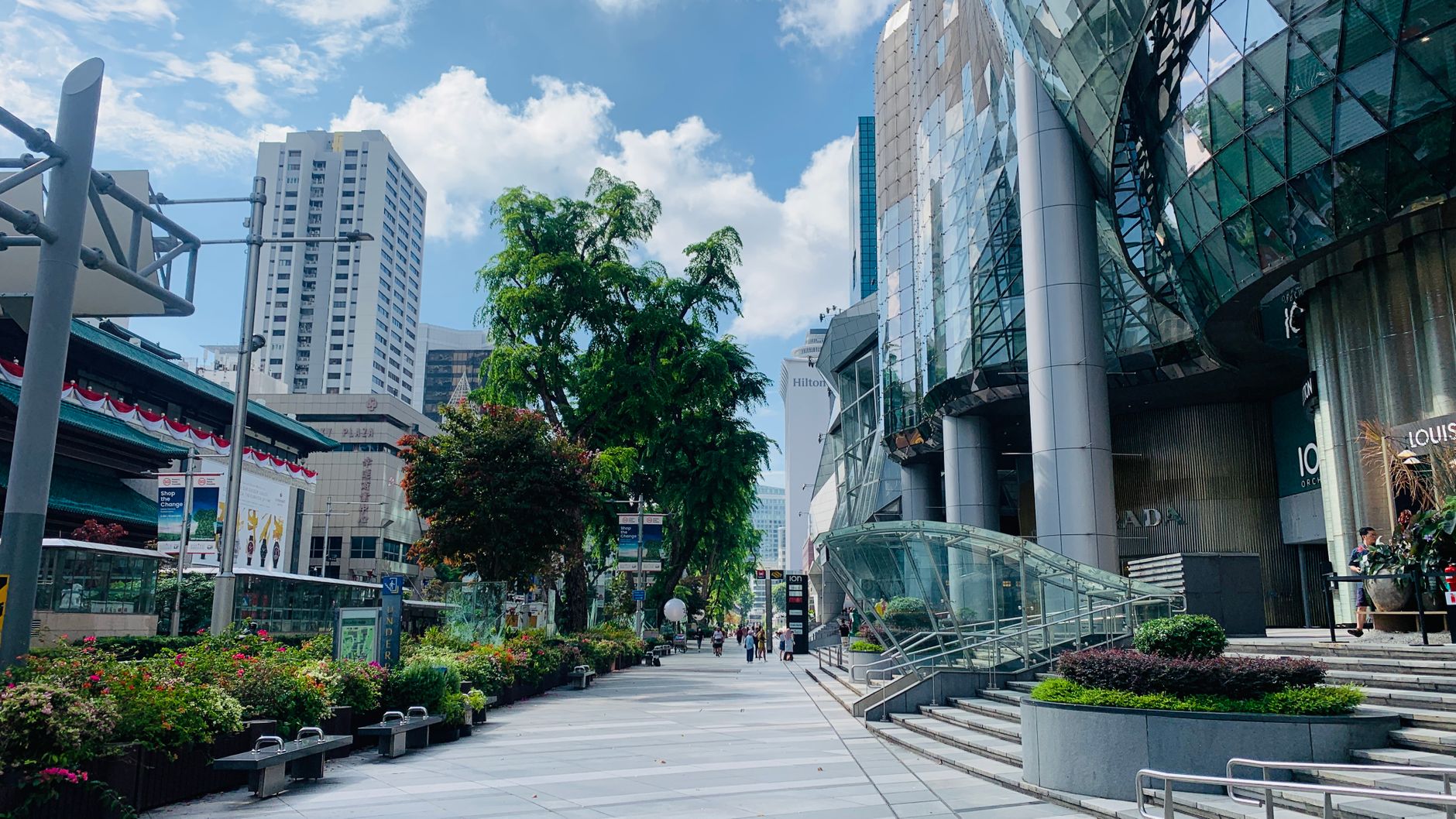
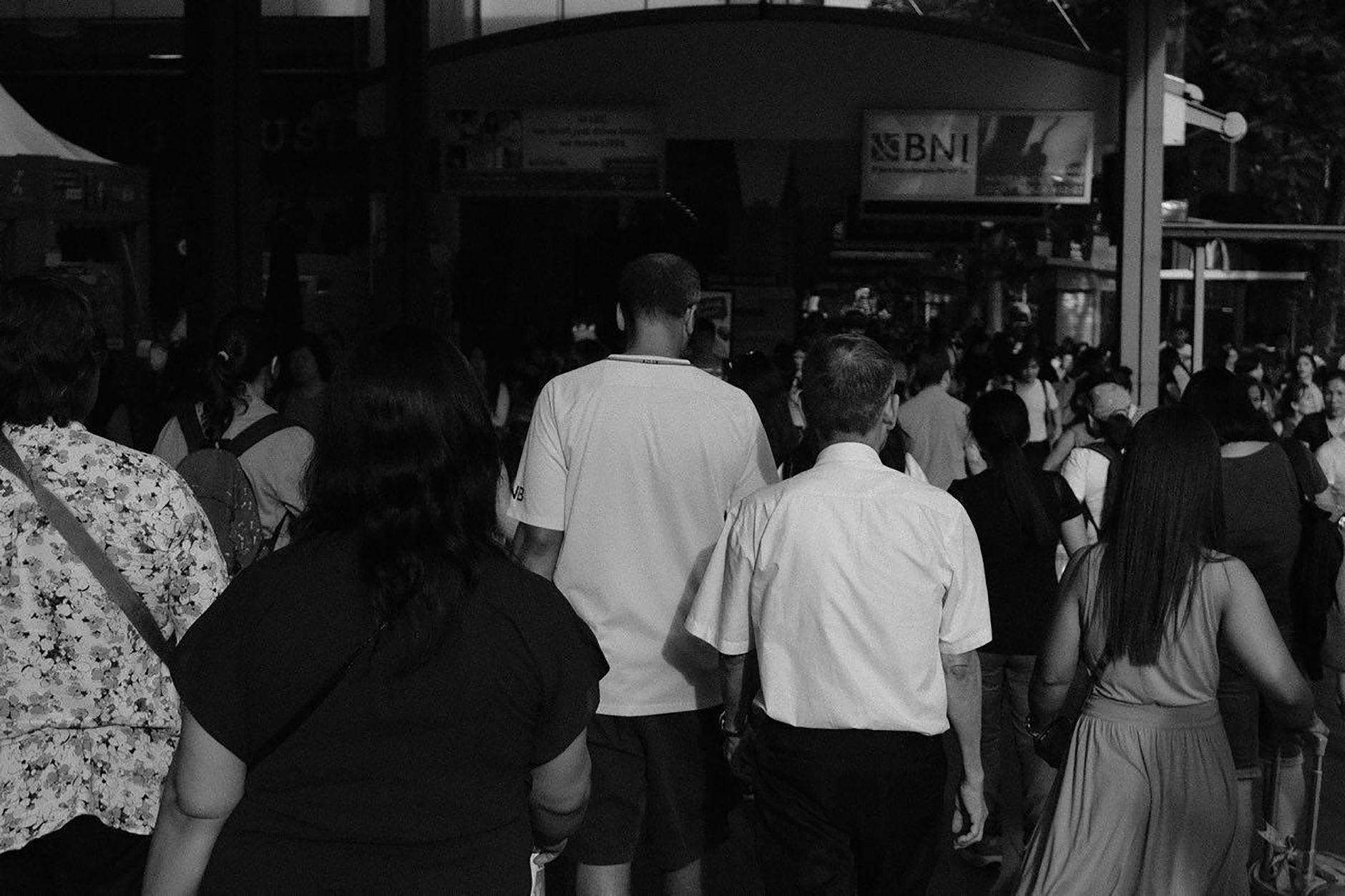
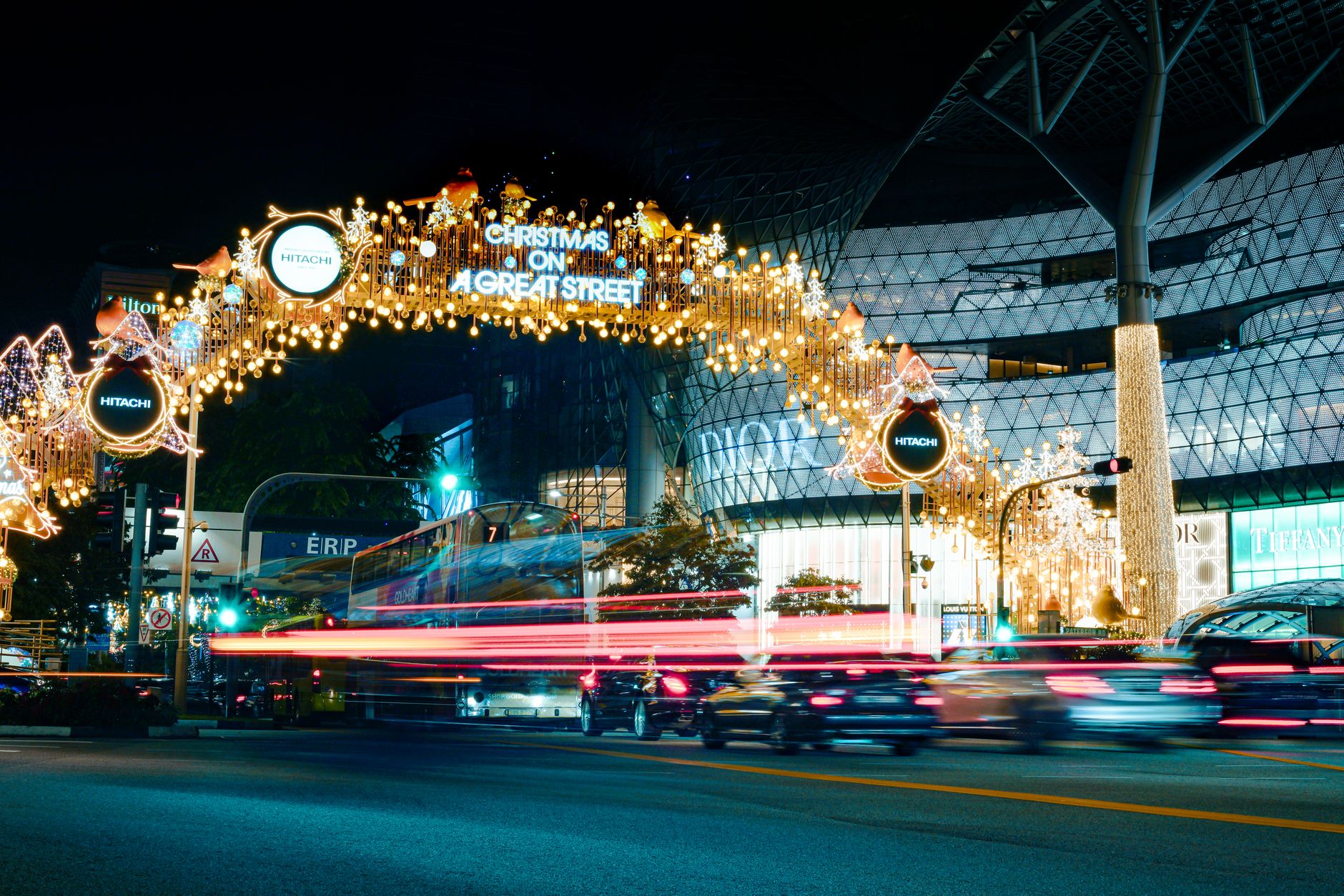
Orchard Road is where Singapore does commerce at full volume — a long corridor of malls stacked floor upon floor, air-conditioned to the point of needing a layer in December. But pay attention to the edges and you find something older: the green-tiled roofs and red doors of Tangs, modelled on the Forbidden City by an architect who understood that a shopfront could also be a statement; the 1878 Presbyterian church still holding its ground between the glass towers; Emerald Hill's Peranakan terraces a short walk from the main drag.
This is Singapore's commercial spine, and it works best when you treat it that way — as a place to move through deliberately, pausing where the history shows through the retail.
💛 What travellers fall for
People who come back tend to take the ION Orchard observatory at least once — 218 metres up, paid entry, genuinely panoramic. They also slip into Cuppage Terrace for an early evening drink among the 1905 Malacca-style houses, which sit improbably close to everything yet feel removed from the main road's pace.
How Orchard Road came to be
The road was cut in the 1830s through gambier, pepper, and later nutmeg plantations — it led to the orchards, which is where the name comes from. A worldwide collapse in nutmeg prices in the 1840s, followed by disease that wiped out the remaining trees by 1860, ended the agricultural era. What replaced it was incremental: Edwin Koek established the road's first market in 1880; Singapore Cold Storage opened here in 1905; the YMCA's Edwardian brick building went up in 1911 on a 999-year colonial lease.
The shift to retail came mid-century. Tang Choon Keng moved his department store to Orchard Road in 1958, commissioning a building with Forbidden City detailing that still stands. The MRT's North-South line arrived in the late 1980s, and the corridor settled into the form it holds today.
Who and what shaped it
People who shaped it
Landmark buildings
See Orchard Road in motion
Plan your visit
On the map
When to go
Singapore's equatorial climate means Orchard Road is warm and humid year-round, with afternoon rain showers most likely between November and January. The malls provide near-constant air conditioning, which makes the outdoor stretches feel all the more intense in the midday heat — early mornings or evenings are easier on foot.
Background & history adapted from Wikipedia (CC BY-SA) · specs from Wikidata (CC0) · weather from Open-Meteo · map data © OpenStreetMap contributors · photos from Wikimedia Commons / Unsplash with per-image credit. No third-party reviews or social posts reproduced.