
Pulau Ubin
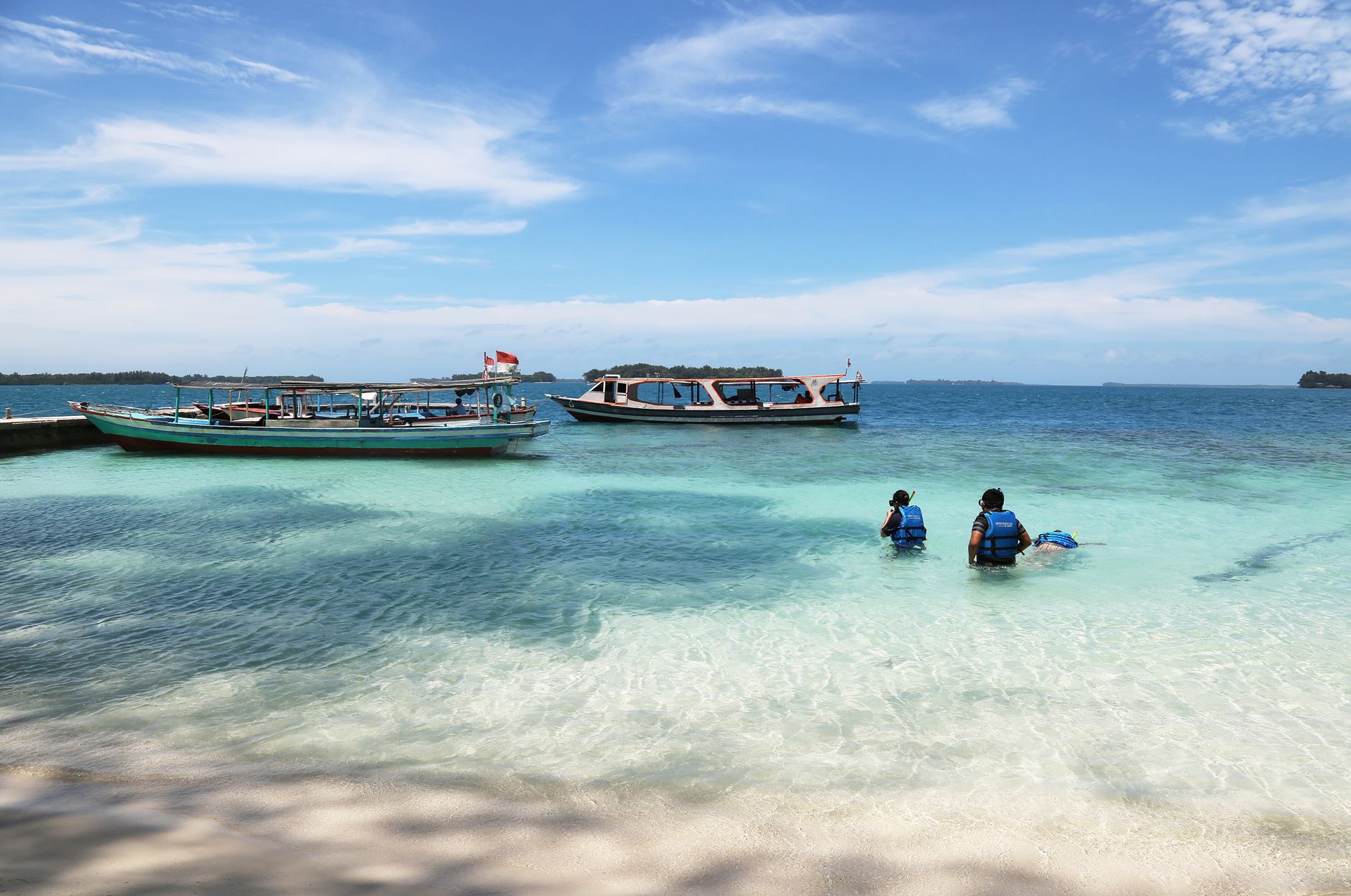
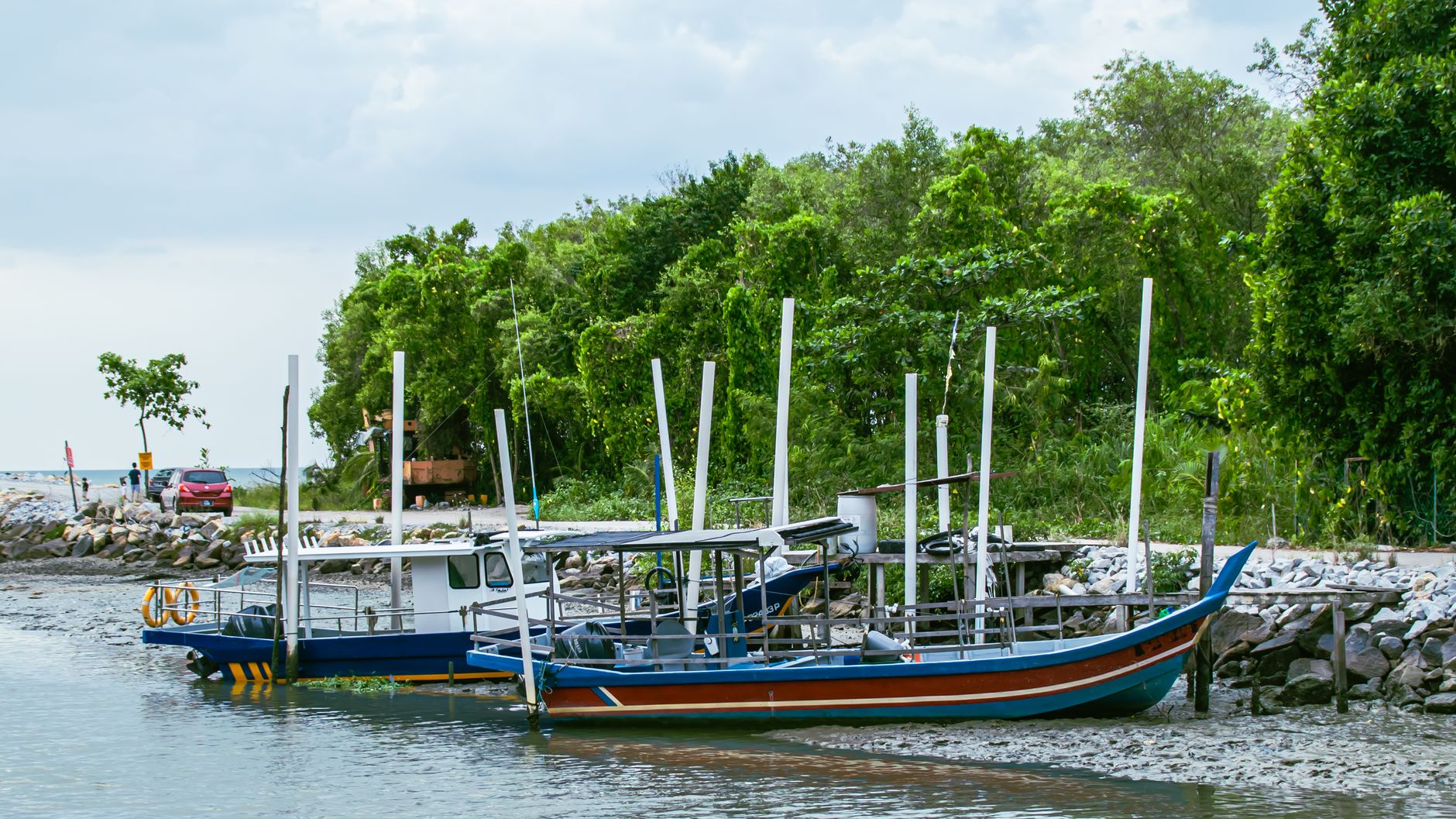
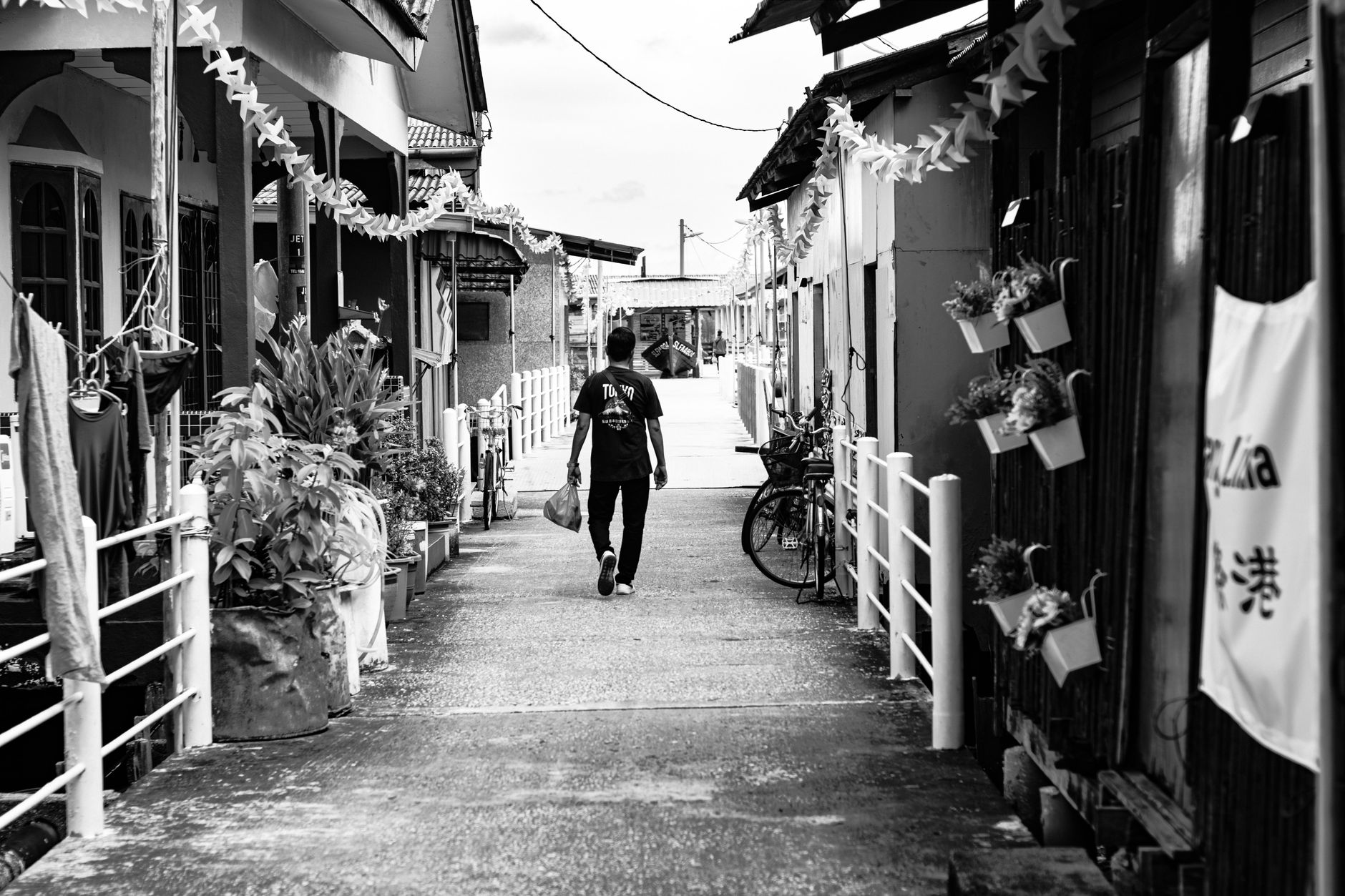
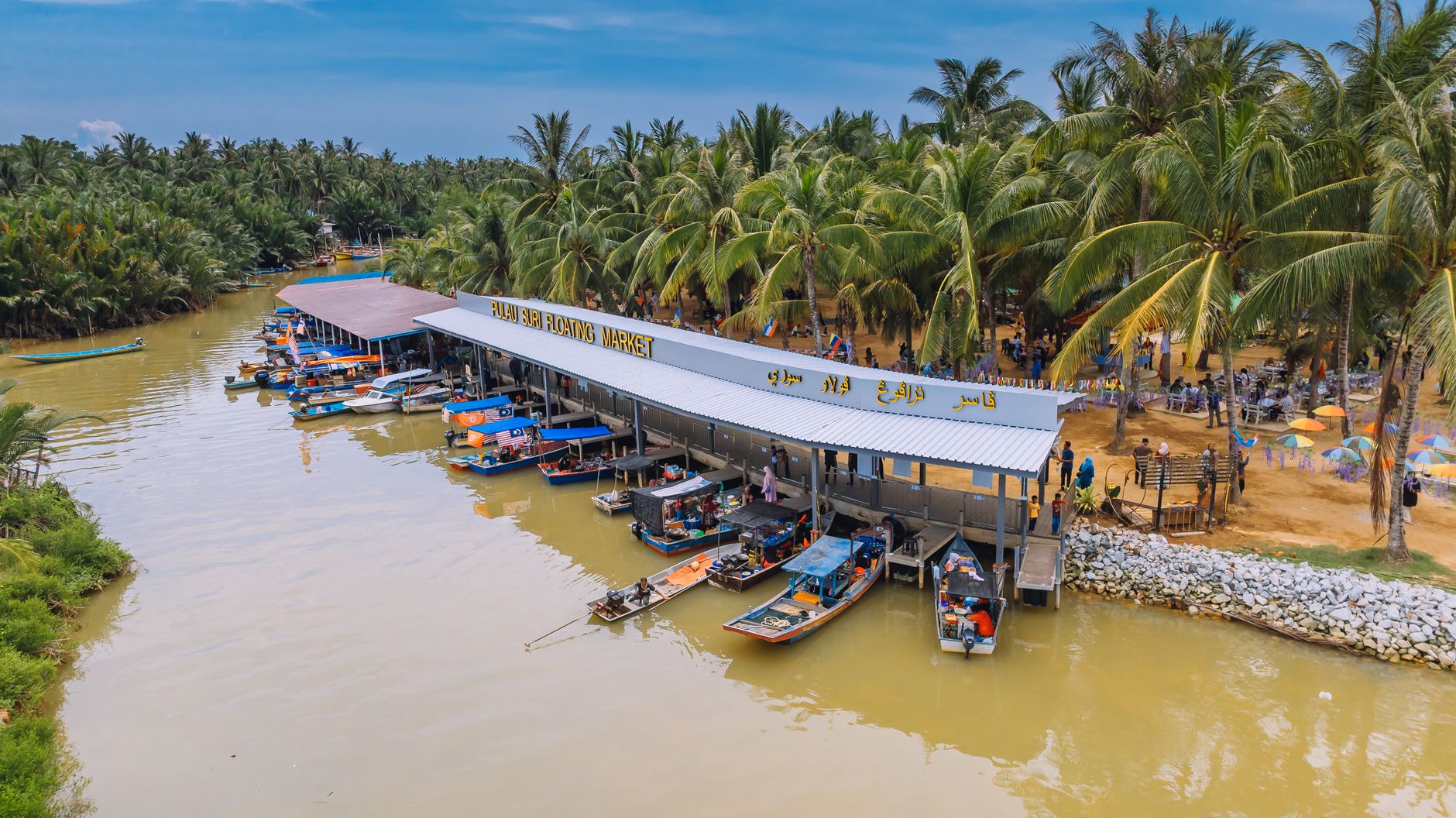
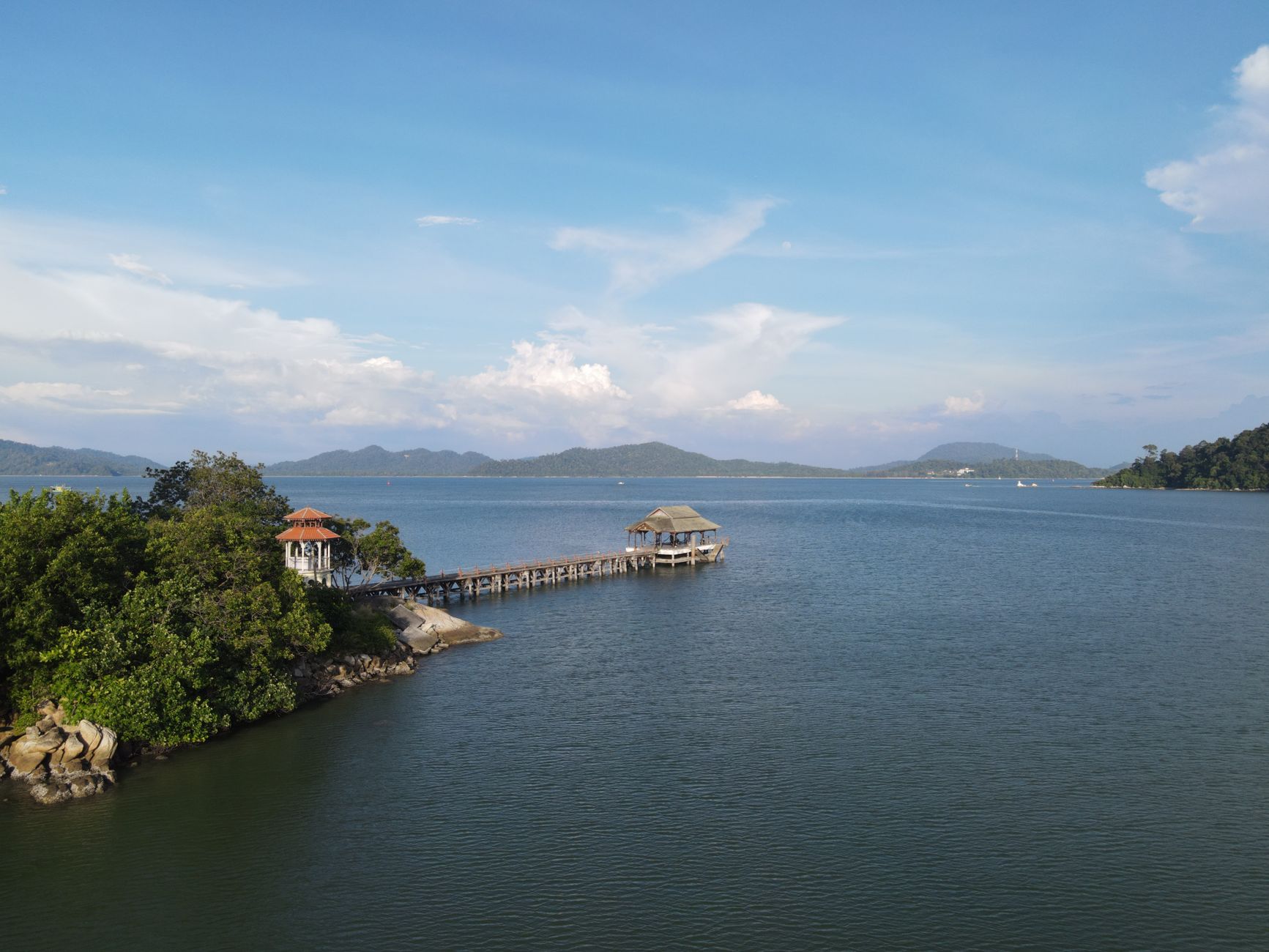
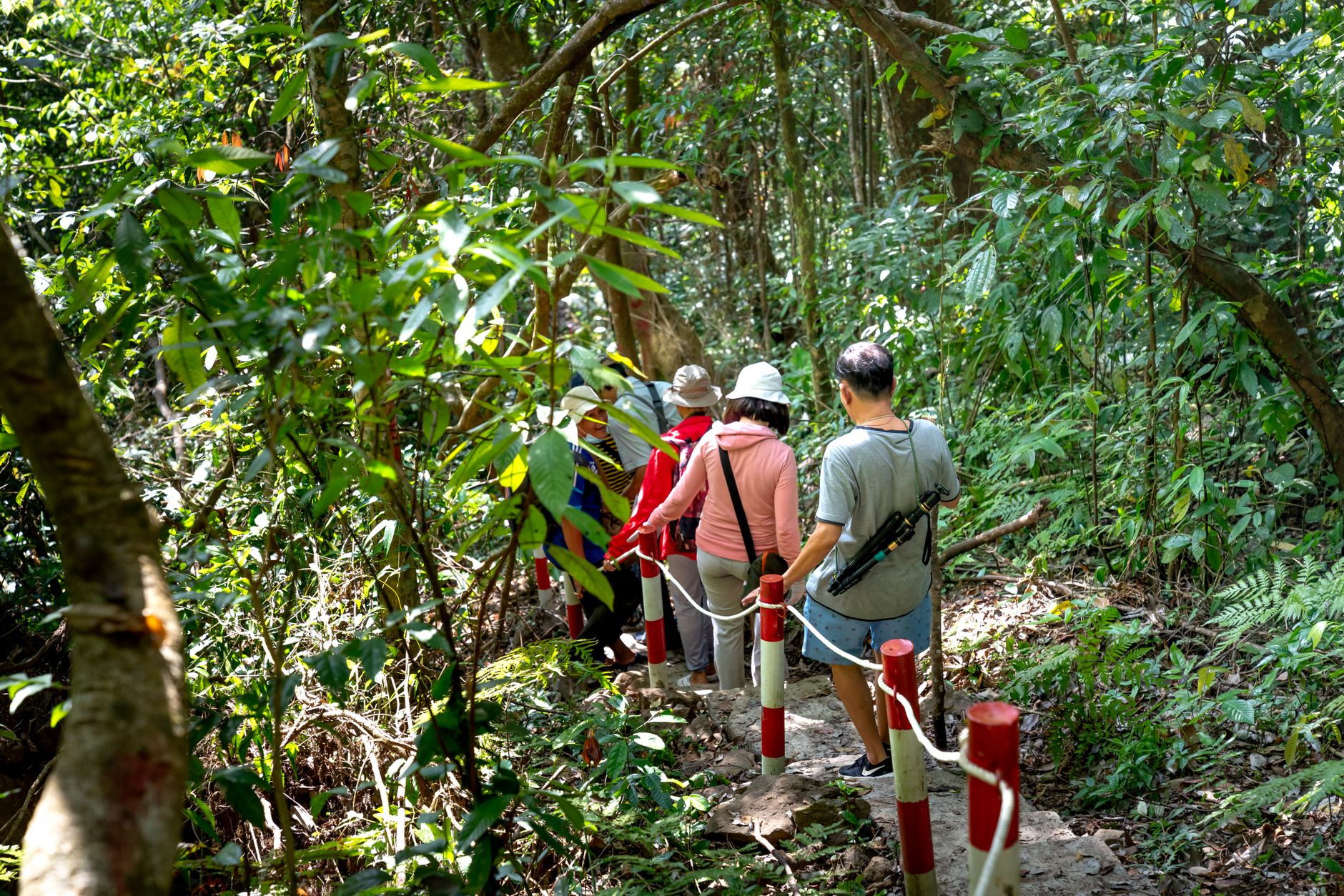
Ten minutes by bumboat from Changi Point, Pulau Ubin sits close enough to see from the mainland yet feels genuinely apart from it. The kampong at the jetty — a handful of bicycle-rental shacks, a few open-air restaurants, dogs napping in the shade — sets the pace immediately. Almost nobody lives here now, around forty residents at last count, and the Singapore that existed before air-conditioning and concrete has largely been preserved by that fact.
Most visitors come to cycle the red-dirt tracks, wade through the mangroves at Chek Jawa, or simply sit with the quiet. Six granite quarries, long since abandoned, have filled with still green water. The island has no entry fee, no ticketing queue, and no real hurry.
💛 What travellers fall for
People who return tend to head straight past the jetty crowd to Encik Hassan's for mee rebus before the weekend rush, then time Chek Jawa for low tide when the mudflats are exposed. The Ah Ma Drink Stall beside Jelutong Bridge is worth the detour on weekends — shade, cold drinks, and the sluice gates that once managed prawn ponds still sitting quietly in the water.
How Pulau Ubin came to be
The island appears on a British survey sketch as early as 1828, and John Crawfurd formally claimed it for the Crown in 1825. By the 1840s, Chinese settlers had begun quarrying its granite — the stone that paved much of colonial Singapore — and the industry eventually drew a population of around two thousand. In the 1880s, a group of Malays led by Endut Senin arrived from the Kallang River, establishing the community whose descendants shaped the kampong character that remains today.
The school built to serve those families, Bin Kiang School, opened in 1952 and closed in 1985 as residents drifted to the mainland. In 1967, Dr Goh Keng Swee chose the island as the founding site of Outward Bound Singapore. By 2013, authorities had quietly dropped all development plans, and Pulau Ubin has been left, more or less, to itself.
Who and what shaped it
People who shaped it
Landmark buildings
See Pulau Ubin in motion
Plan your visit
On the map
When to go
Singapore's heat and humidity apply here year-round, but Pulau Ubin's tree cover makes cycling and walking more bearable than the city. The northeast monsoon (November to January) brings heavier rain; if a downpour catches you on the tracks, the dirt paths turn slick quickly, so morning starts are worth it in any season.
Right now
Background & history adapted from Wikipedia (CC BY-SA) · specs from Wikidata (CC0) · weather from Open-Meteo · map data © OpenStreetMap contributors · photos from Wikimedia Commons / Unsplash with per-image credit. No third-party reviews or social posts reproduced.