
Toa Payoh
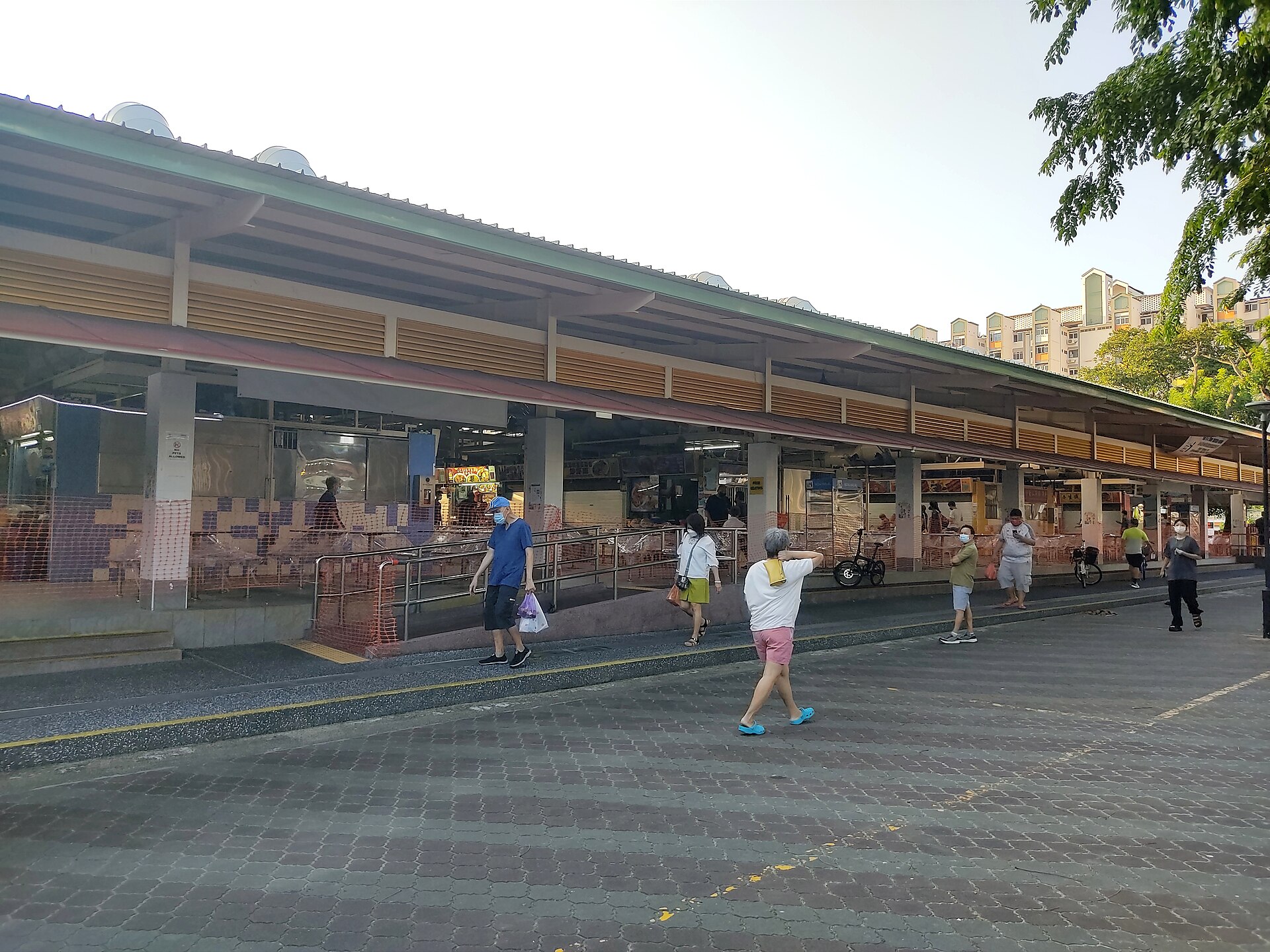
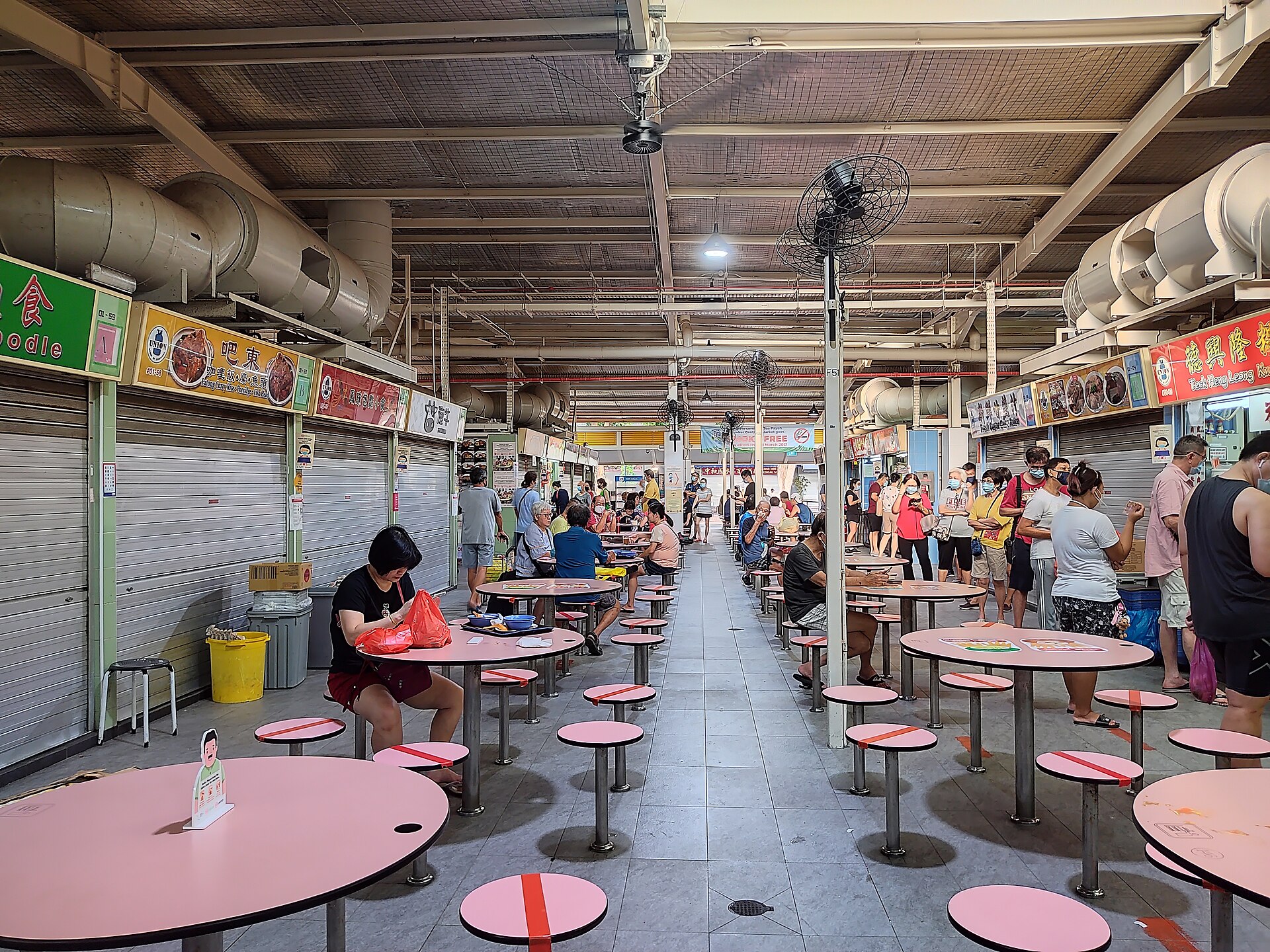
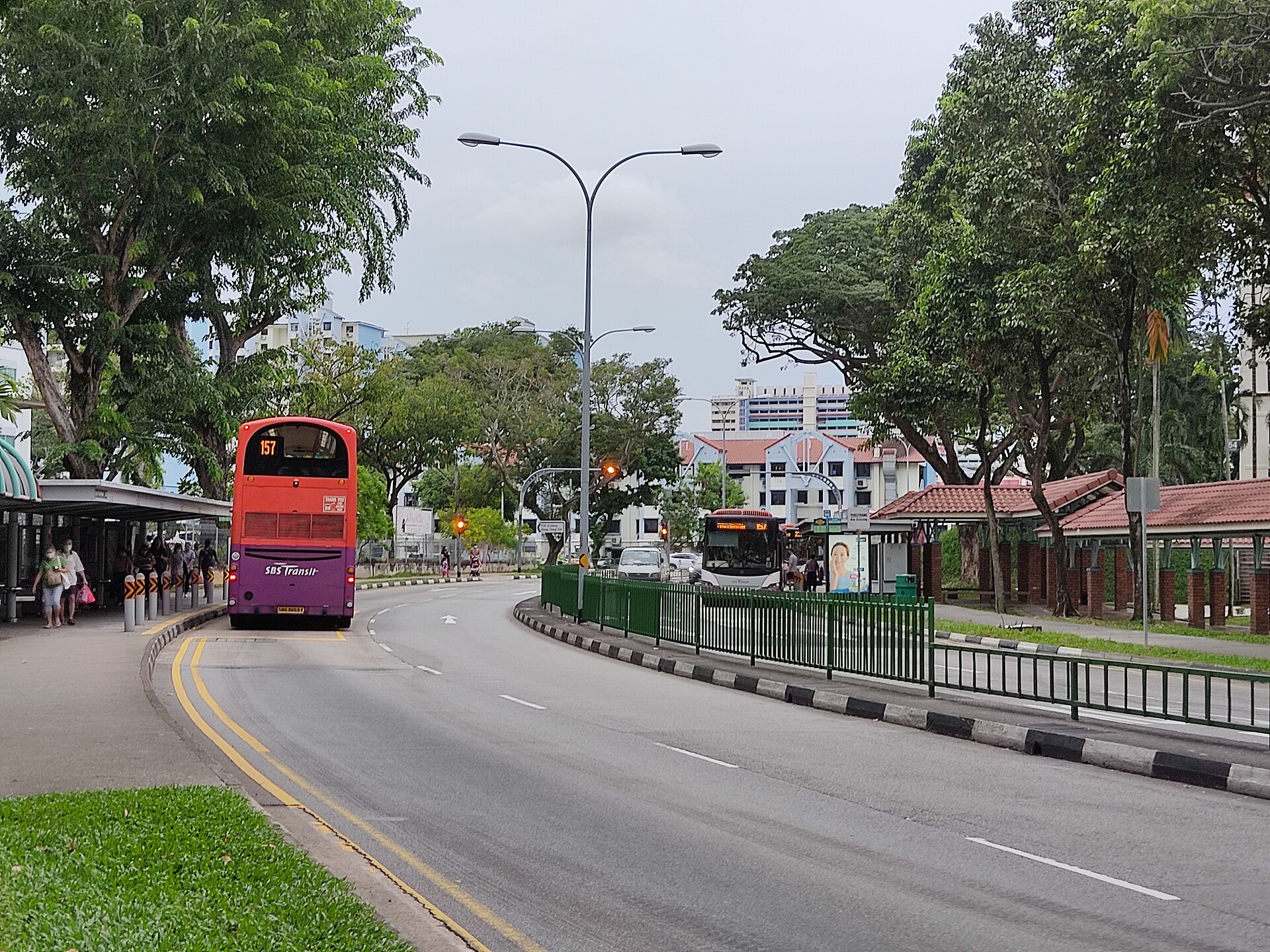
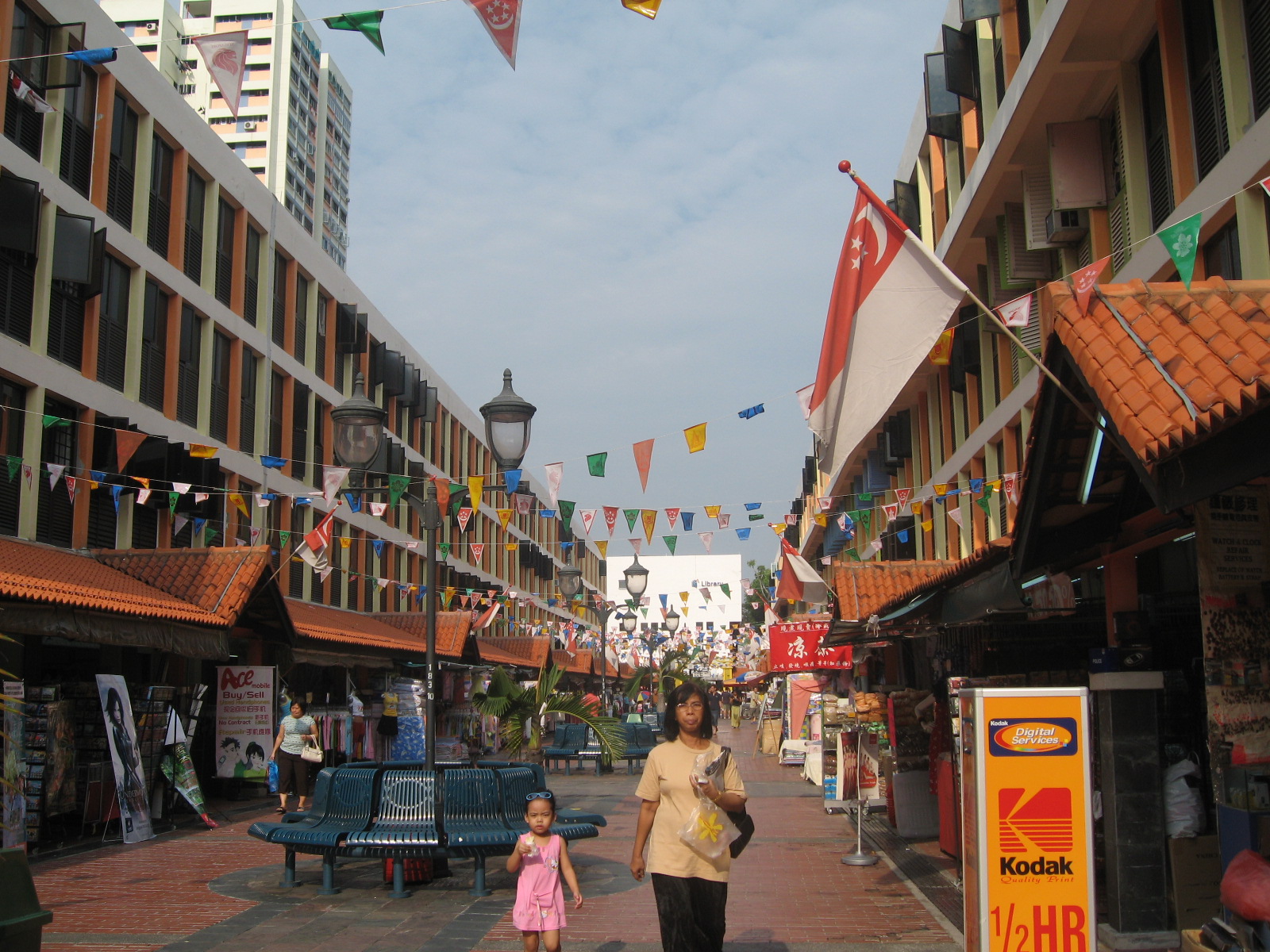
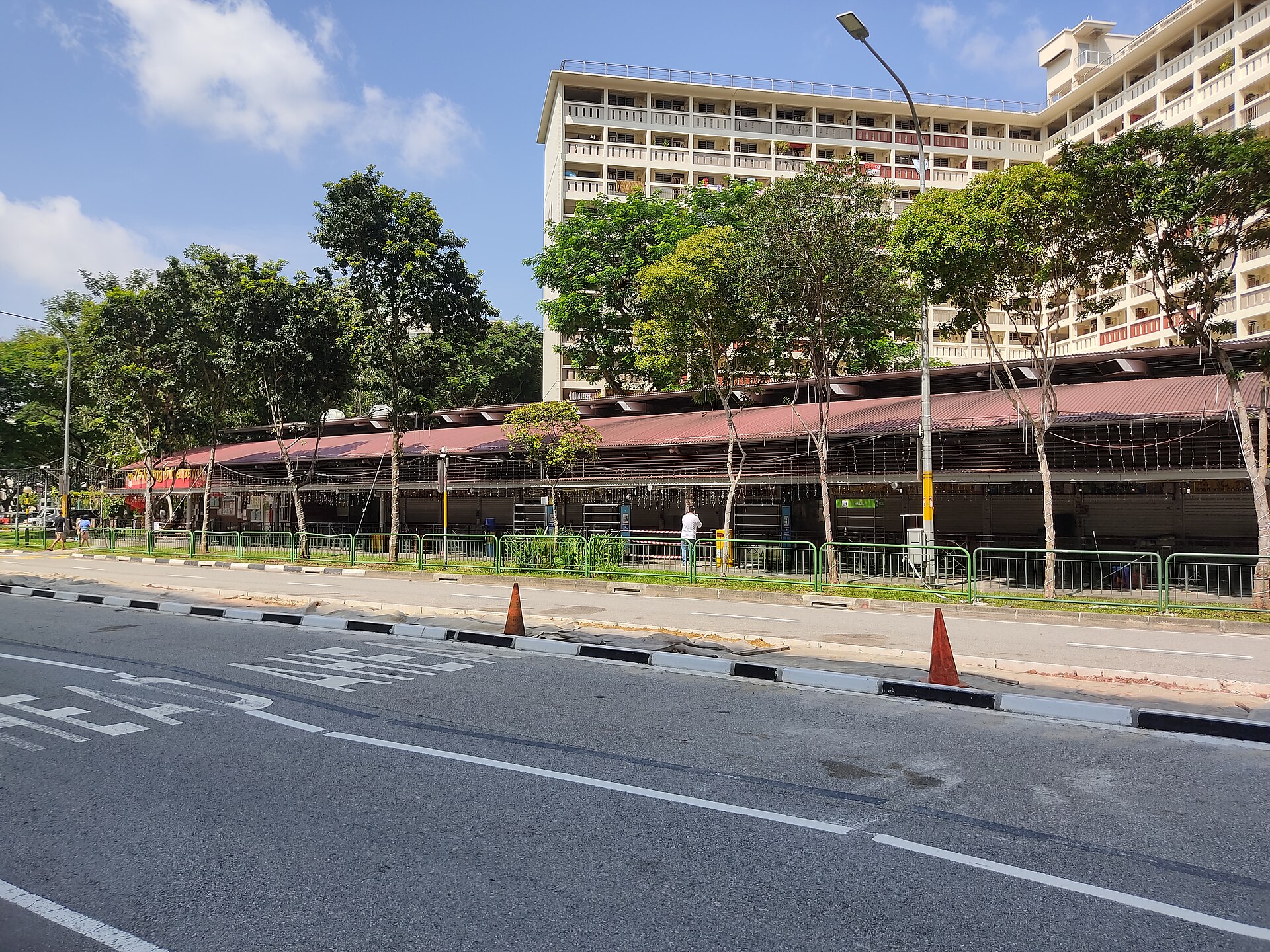
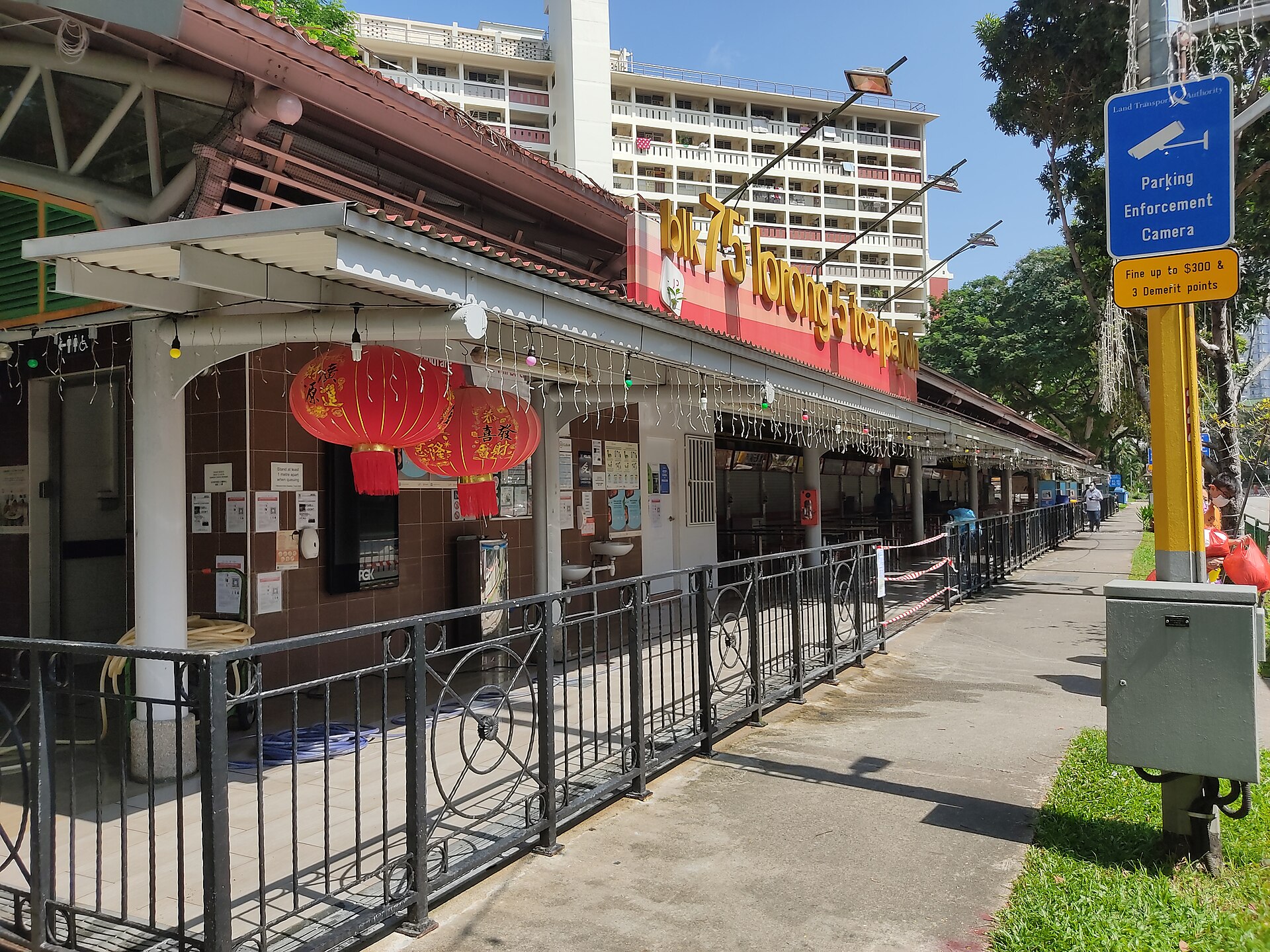
Toa Payoh means 'big swamp' in Hokkien, and the name alone tells you something about what Singapore was willing to reckon with. Where pig farmers and hawkers once worked the marshy ground, the Housing and Development Board built one of the country's first planned satellite towns in the 1960s — and the residents who moved into their flats in 1969 were among the first Singaporeans to live this particular experiment in public housing.
Today the town wears its decades openly. A terrazzo dragon from 1979 anchors one playground. A Y-shaped block known as the 'VIP block' — Queen Elizabeth II visited twice — stands a short walk from Singapore's oldest Buddhist monastery, completed in 1909. This is a working residential district, not a curated one.
How Toa Payoh came to be
A government surveyor named John Turnbull Thomson recorded the area as 'Toah Pyoh' in an 1849 agricultural report — swampy ground on the edge of the colonial city. For over a century it remained that way: a squatter district of farmers, pig rearers, hawkers and mechanics. Clearance began in 1962, and by early 1964 the HDB was building in earnest. The first residents arrived in 1969.
The town's early decades were unsettled. Through the 1960s and into the early 1980s it had a reputation for gang activity, and the Toa Payoh ritual murders of 1981 drew national attention. The same years also brought the 1973 SEAP Games and royal visits. Toa Payoh has always contained more than one story at once.
Who and what shaped it
People who shaped it
Landmark buildings
See Toa Payoh in motion
Plan your visit
On the map
When to go
Singapore's equatorial climate means Toa Payoh is warm and humid year-round, with temperatures sitting around 25–32°C. Rain can arrive at any hour; the covered walkways connecting most HDB blocks make it possible to move through much of the town without getting caught out.
Right now
Background & history adapted from Wikipedia (CC BY-SA) · specs from Wikidata (CC0) · weather from Open-Meteo · map data © OpenStreetMap contributors · photos from Wikimedia Commons / Unsplash with per-image credit. No third-party reviews or social posts reproduced.