
Sentosa Island
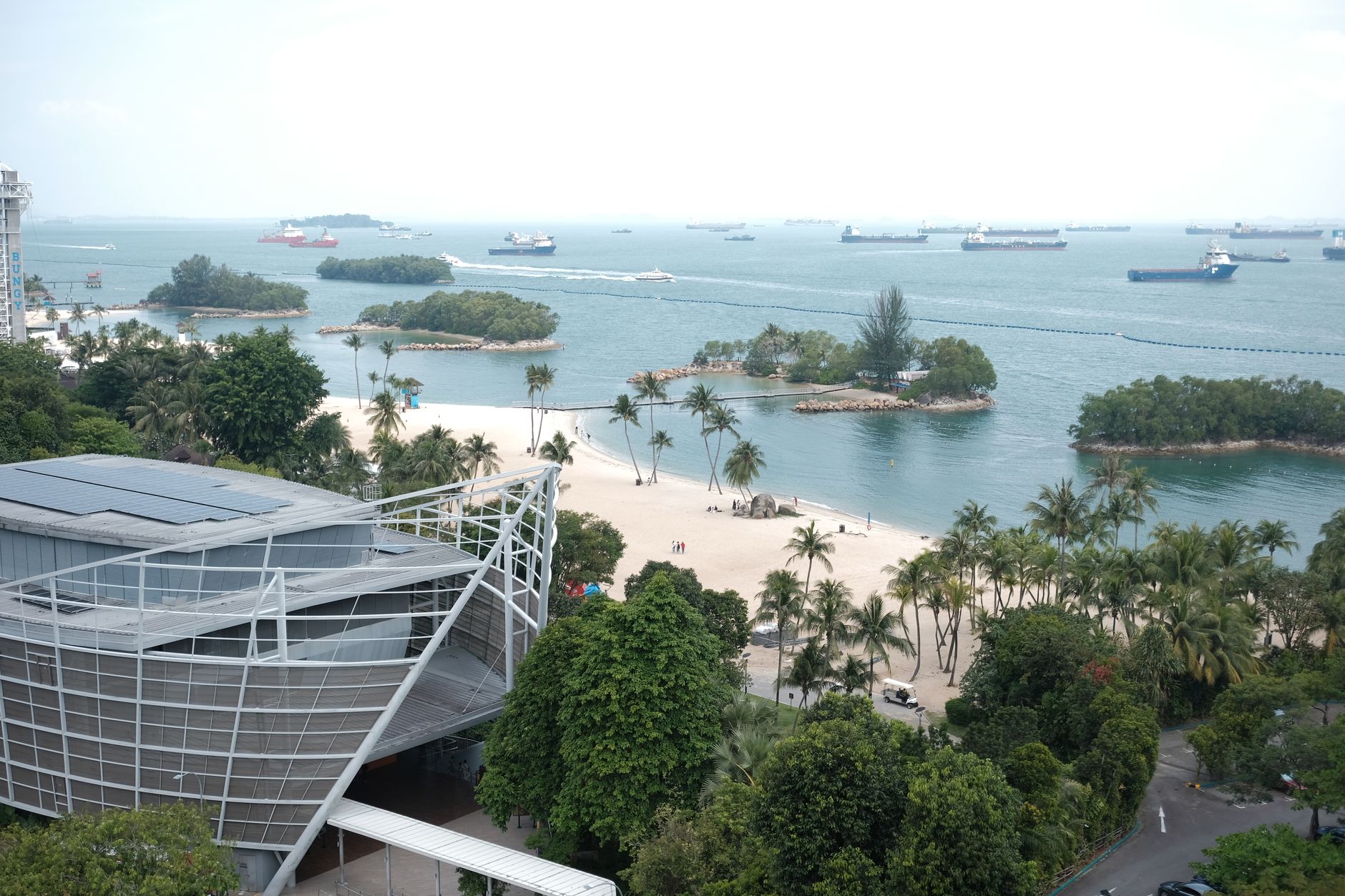
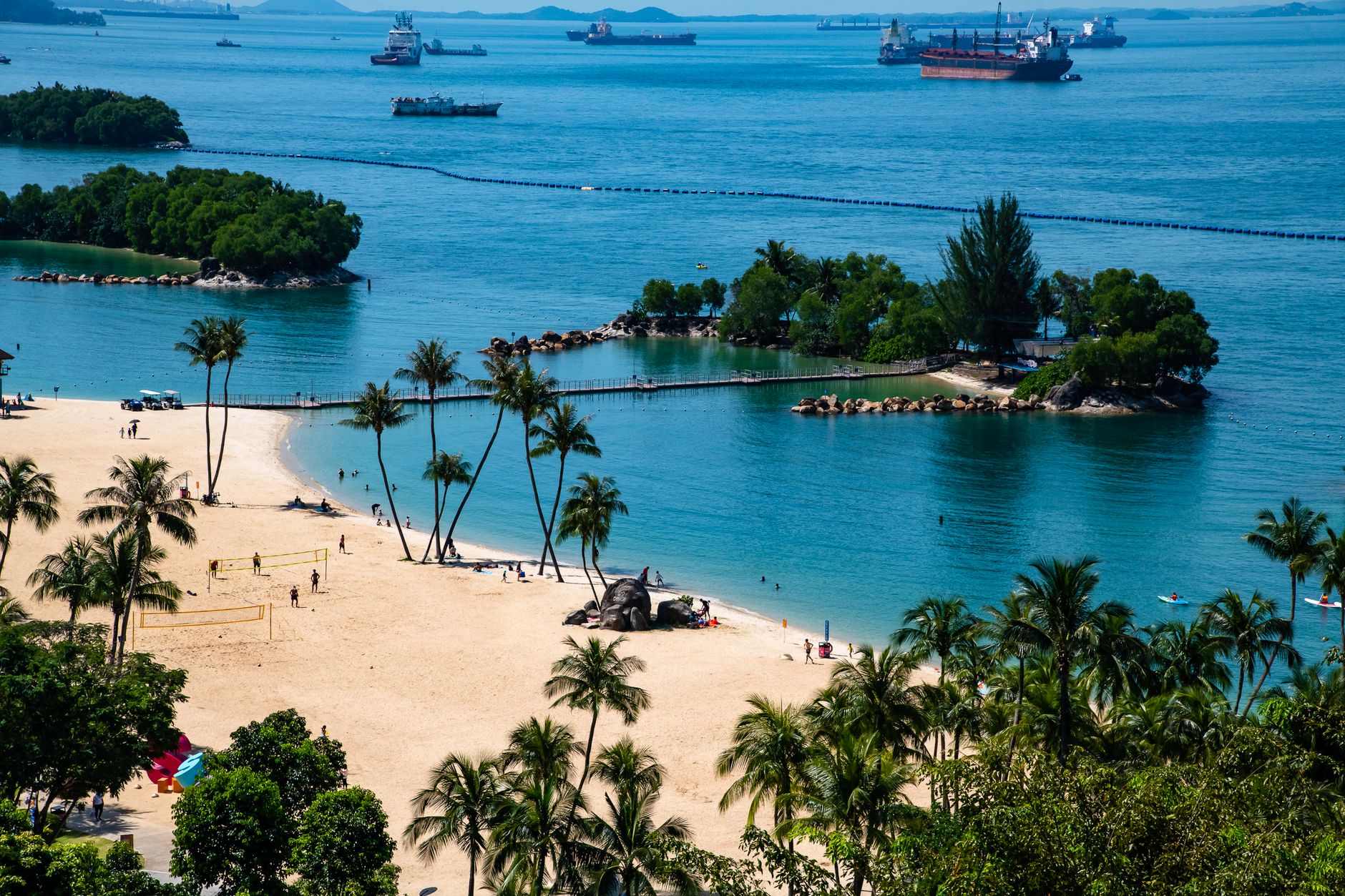
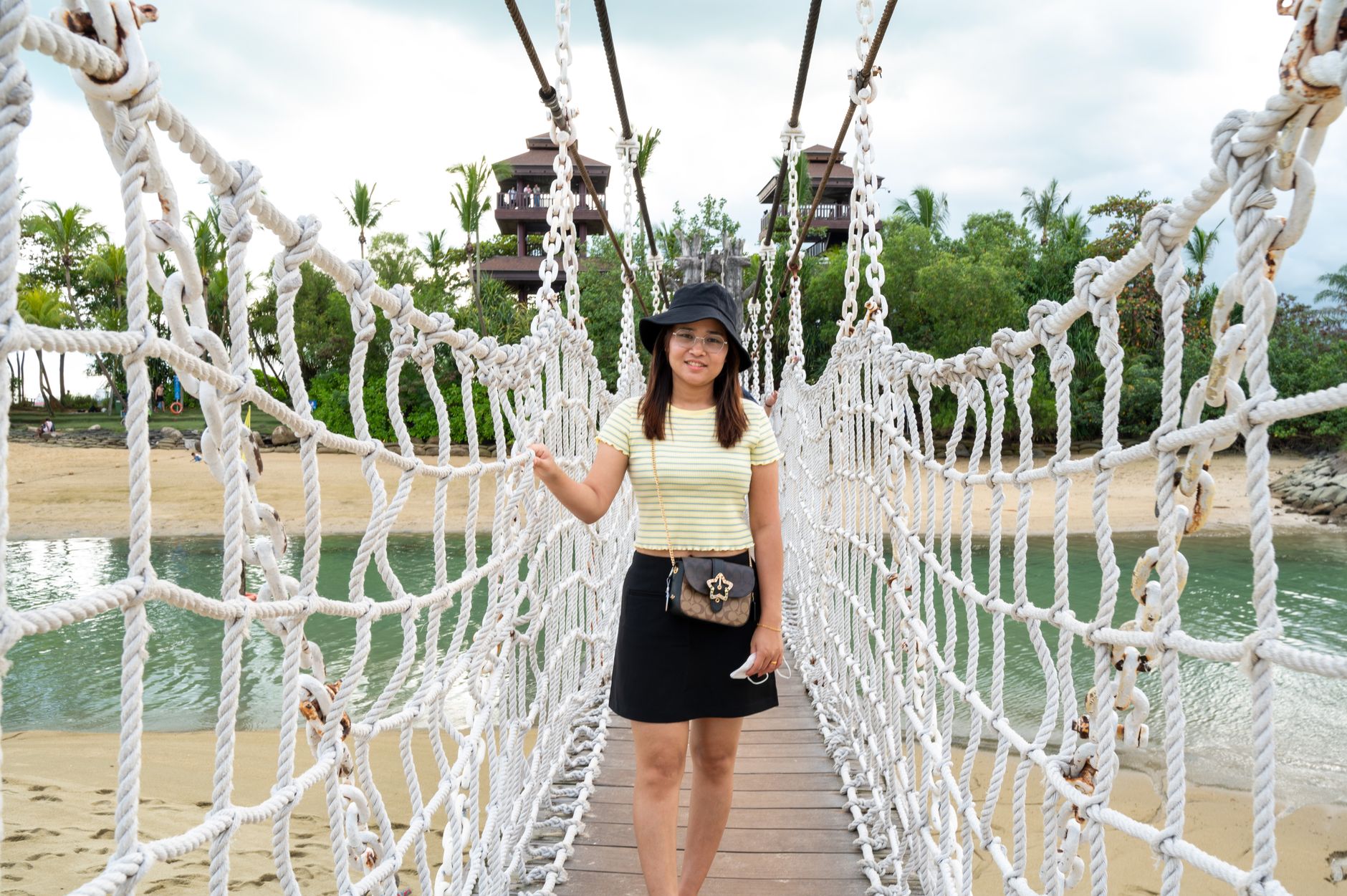
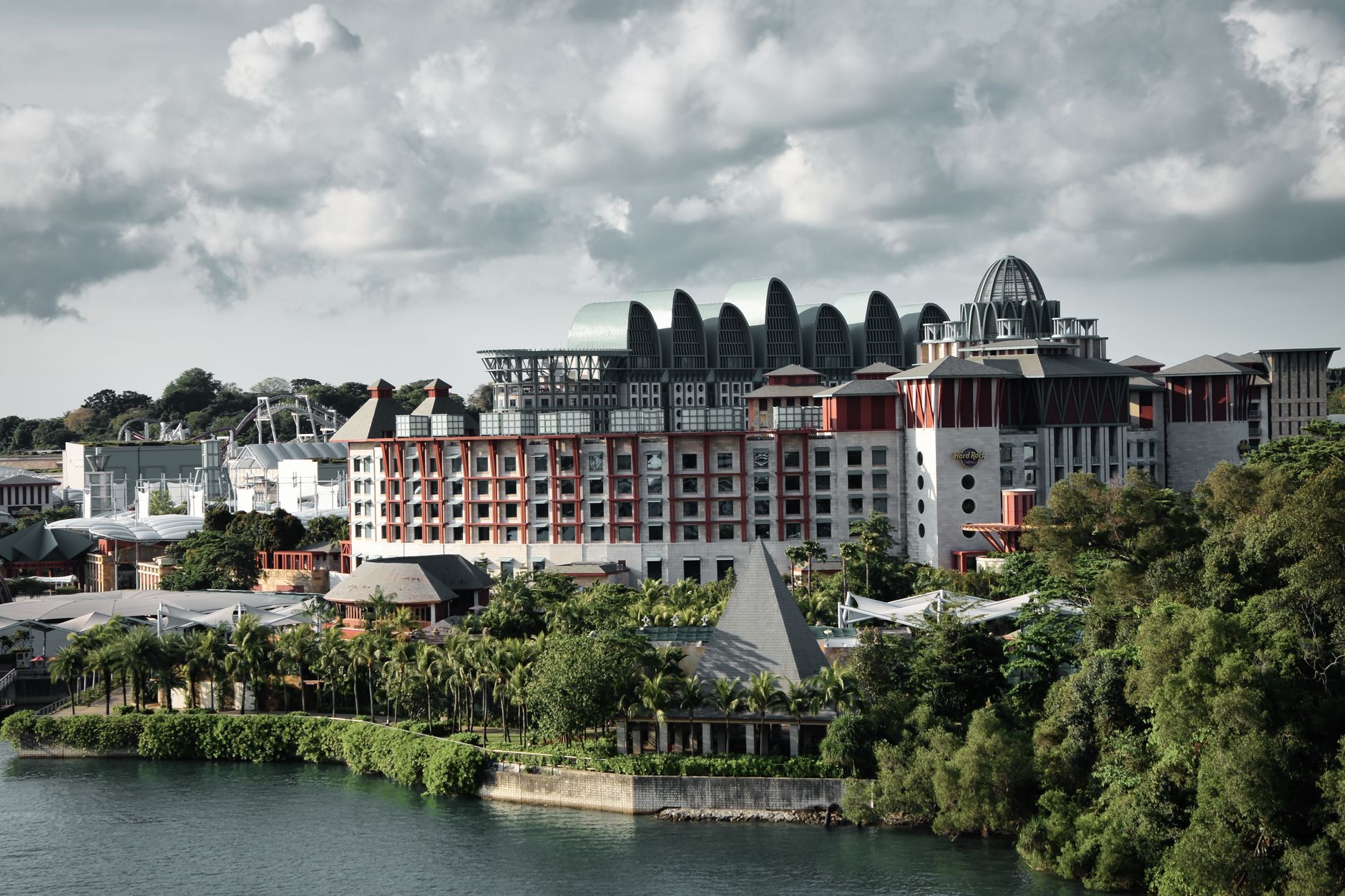
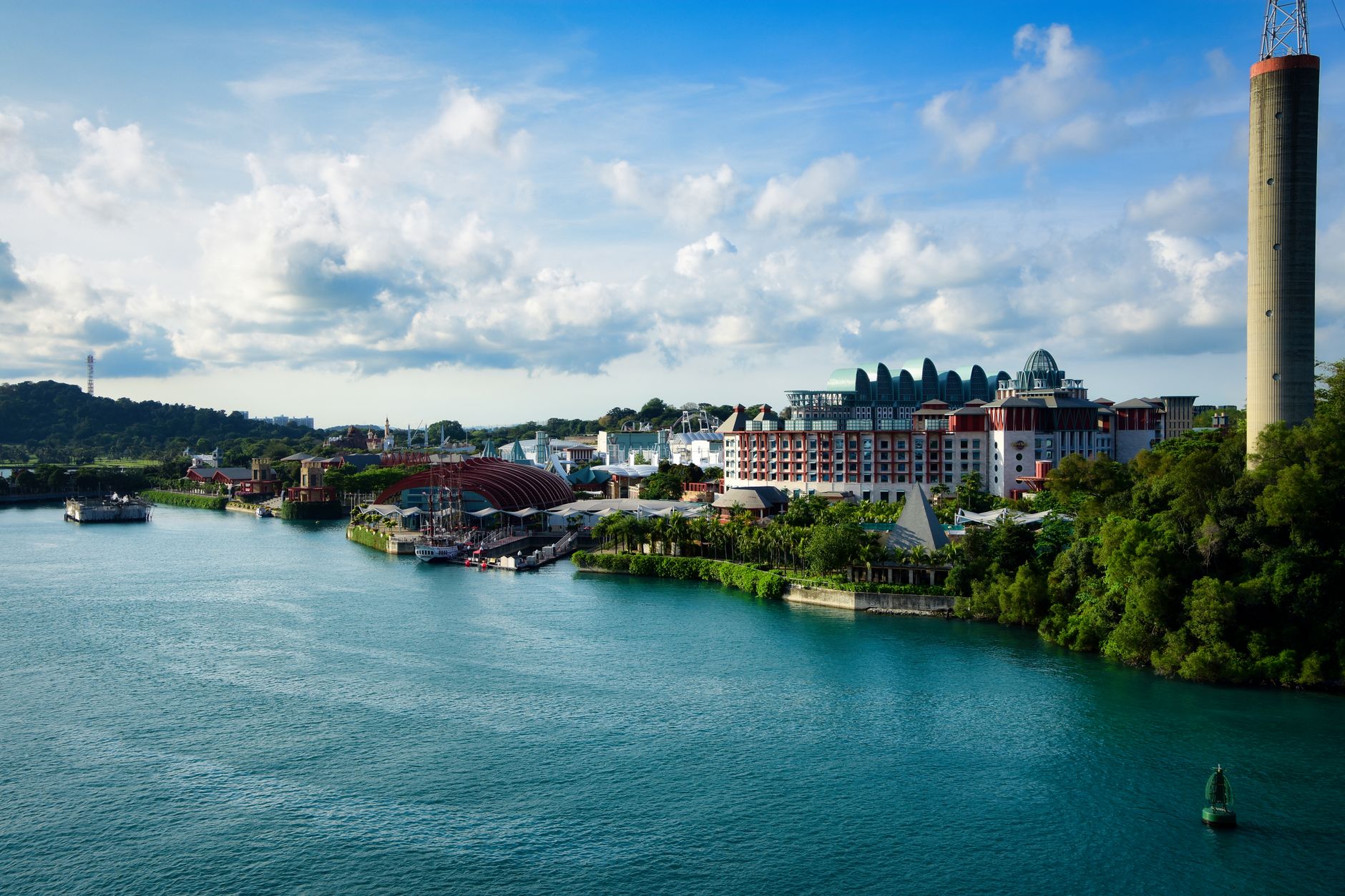
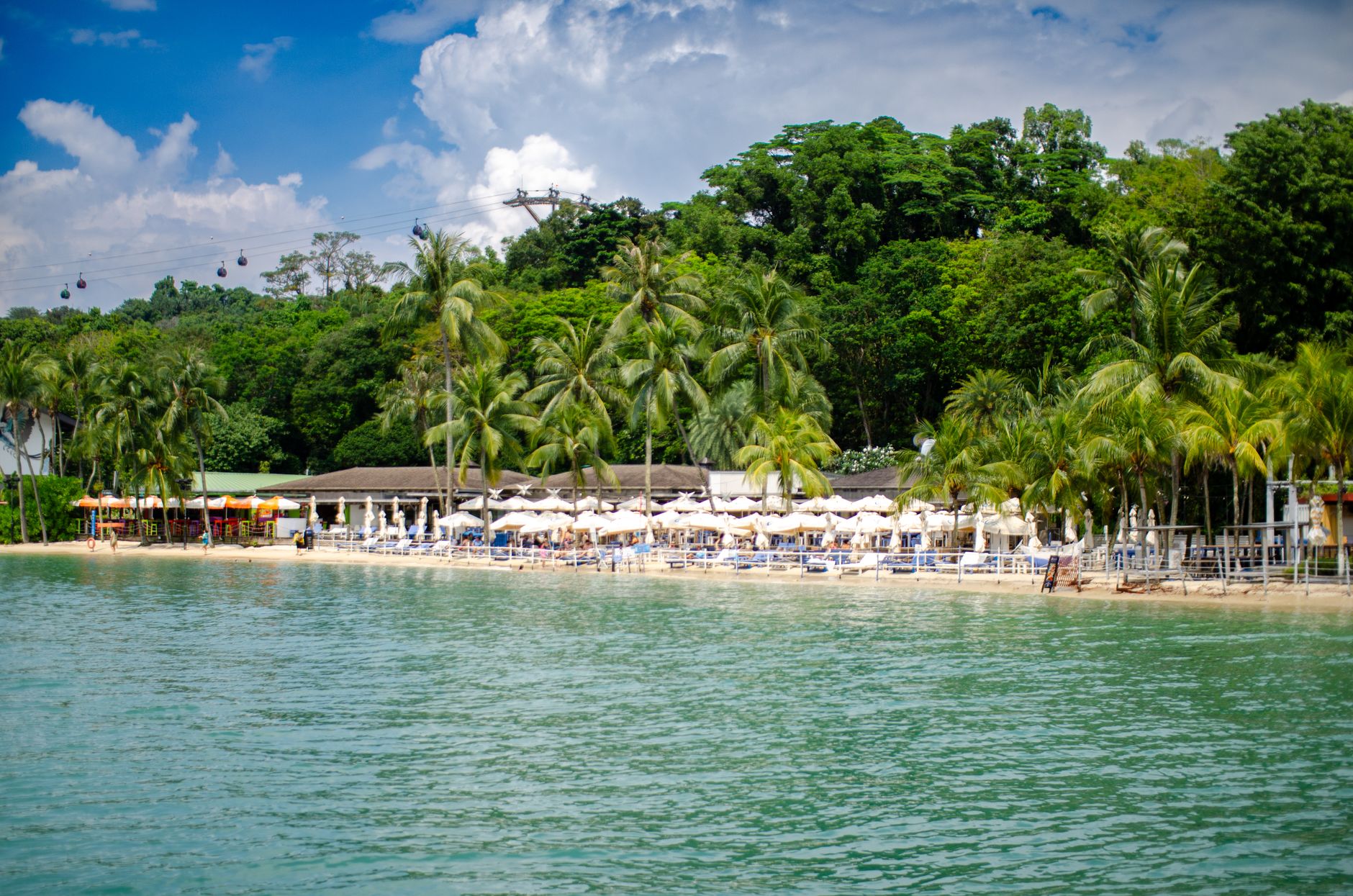
Sentosa sits just off Singapore's southern tip, connected to the mainland by a boardwalk you can walk for free. What greets you on arrival is a studied contradiction: a place that was once called Pulau Blakang Mati — 'death at the back of the island' — now given over almost entirely to pleasure. Beaches, theme parks, cable cars, a casino, and restored colonial barracks converted into hotels all share the same three-kilometre stretch of reclaimed land.
The island works best if you pick a lane. Fort Siloso and its wartime tunnels reward the historically curious. The three beaches — Siloso, Palawan, Tanjong — suit an afternoon of doing very little. Universal Studios and Resorts World pull families for full days. Sentosa rarely asks you to slow down, but it rewards the visitor who decides in advance what they actually came for.
💛 What travellers fall for
People who come back tend to walk the Sentosa Boardwalk in from VivoCity rather than paying for the Express — it takes ten minutes and you arrive already oriented. Regulars also note that Capella's grounds are worth a slow wander even if you're not staying there; the restored barracks architecture reads differently once you know the site's wartime history.
How Sentosa Island came to be
Before Singapore was a colony, the island was pirate territory. The British built Fort Siloso on its northern headland in 1878 as part of a broader harbour-defence strategy, though the fort's guns famously faced the wrong direction when Japanese forces advanced overland from the north in February 1942. After the Allied surrender, the island held Australian and British prisoners of war.
In 1970 the Singaporean government renamed it Sentosa — 'peace and tranquillity' in Malay — and the Sentosa Development Corporation was established two years later to oversee its transformation. The cable car linking Mount Faber to the island opened in 1974, the world's first to span a harbour. A S$3 billion overhaul announced in 2002 brought Resorts World Sentosa and Universal Studios Singapore, which opened in 2010 and 2011 respectively, with filmmaker Steven Spielberg as a creative consultant on the park.
Who and what shaped it
People who shaped it
Landmark buildings
See Sentosa Island in motion
Plan your visit
On the map
When to go
Singapore's equatorial climate means Sentosa is warm and humid year-round, with temperatures sitting between 25°C and 32°C. Rain can arrive fast at any time, but the northeast monsoon season from November to January brings heavier, more sustained showers — pack accordingly if you're planning a beach day.
Right now
Background & history adapted from Wikipedia (CC BY-SA) · specs from Wikidata (CC0) · weather from Open-Meteo · map data © OpenStreetMap contributors · photos from Wikimedia Commons / Unsplash with per-image credit. No third-party reviews or social posts reproduced.