
Little India
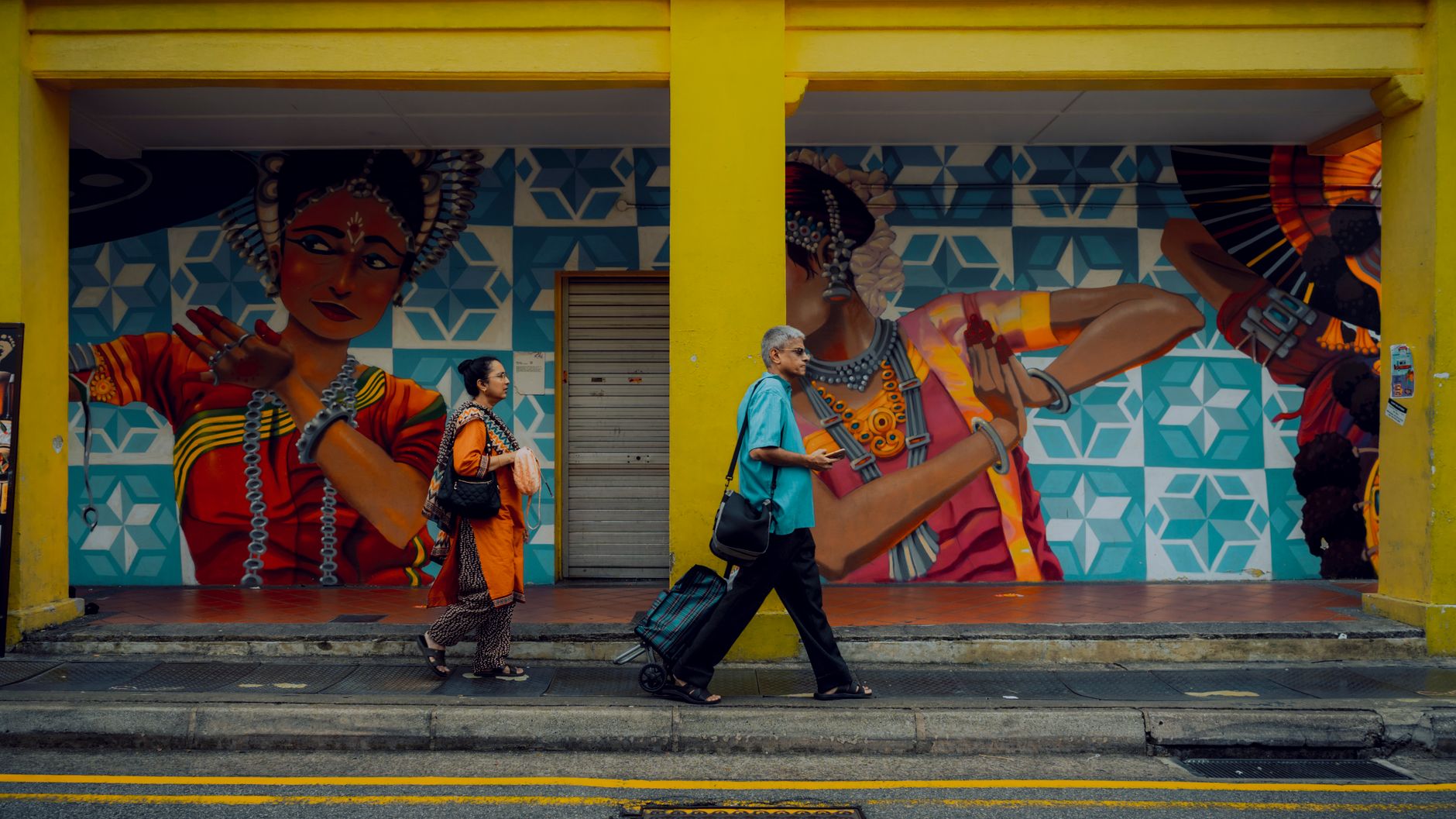
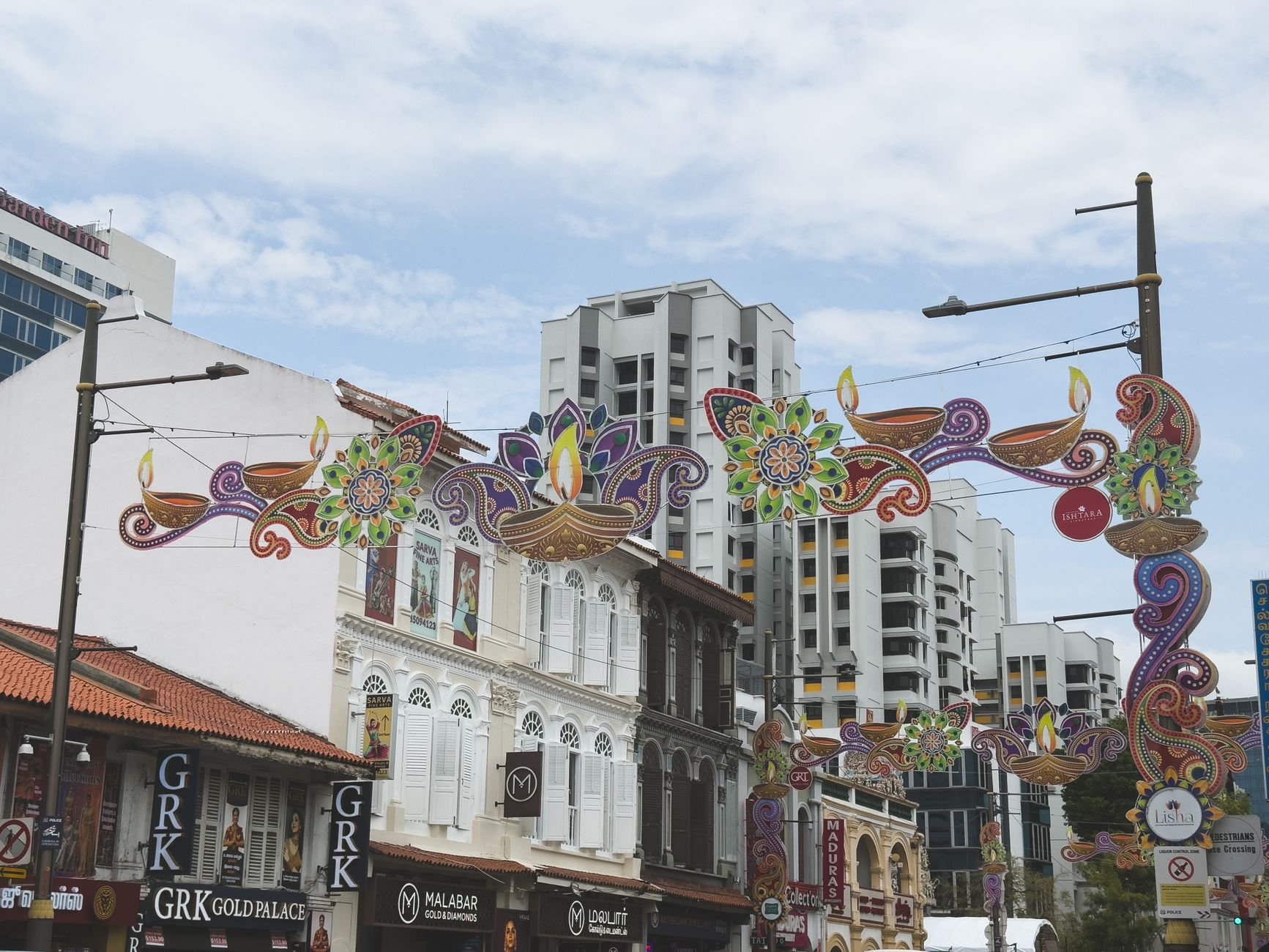
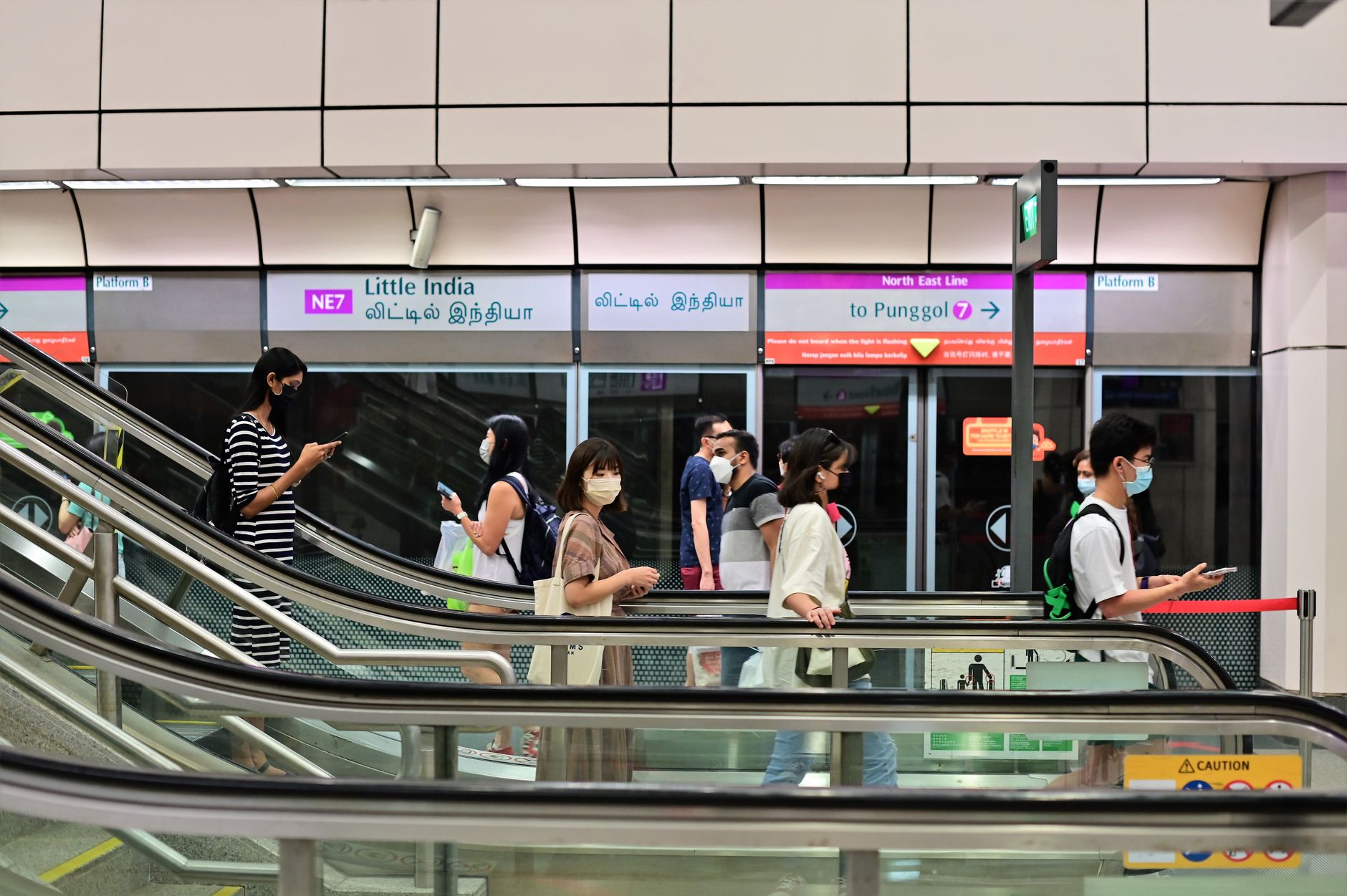

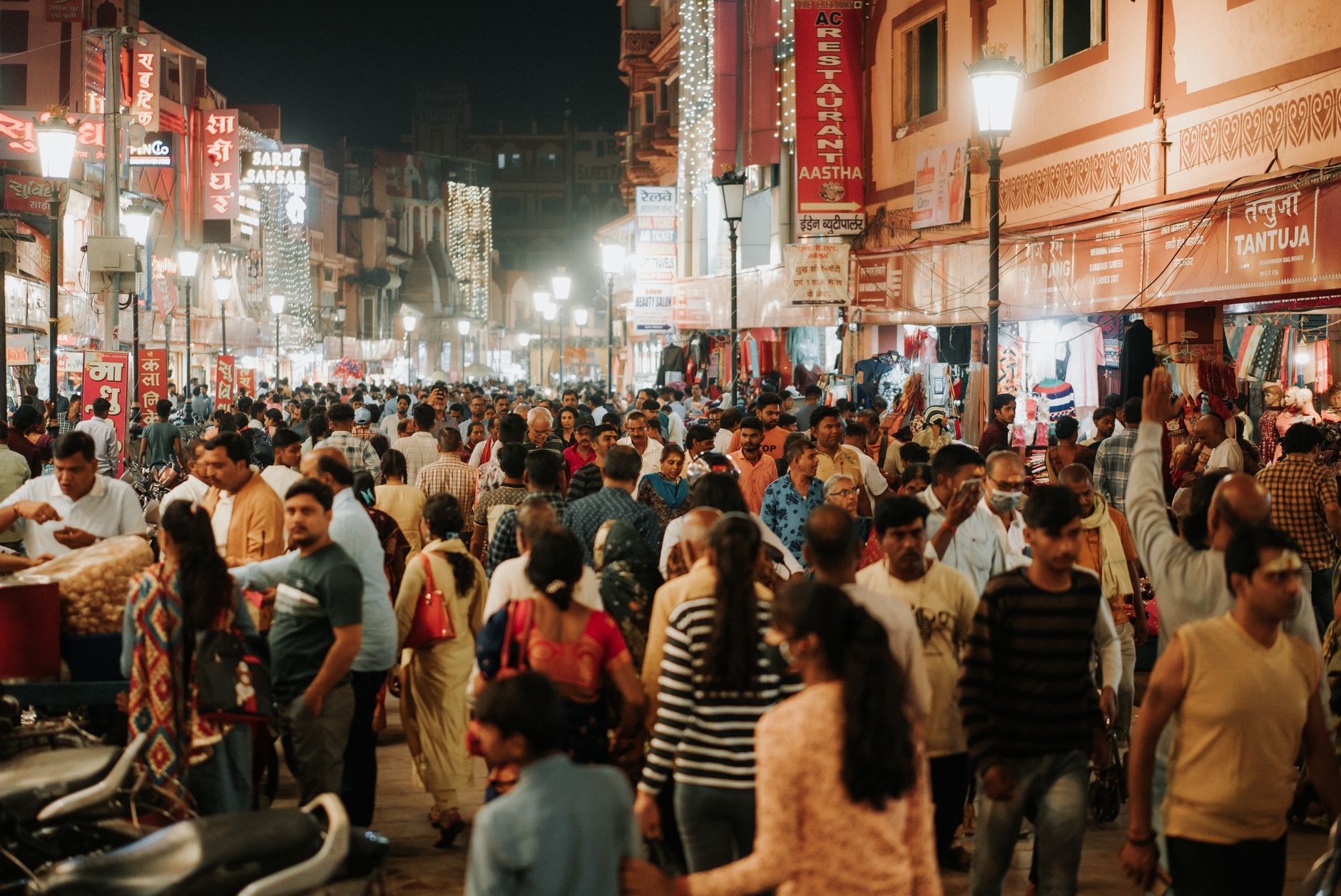
Walk along Serangoon Road on a weekday morning and the air carries jasmine garlands, diesel, and the low drone of temple bells. Goldsmiths arrange trays in shopfront windows. A vendor stacks banana leaves. This is one of Singapore's oldest ethnic quarters, and it wears its age plainly — in the shophouse facades that shift styles decade by decade, in the Tamil script above doorways, in a street plan that Lieutenant Jackson first mapped in 1828.
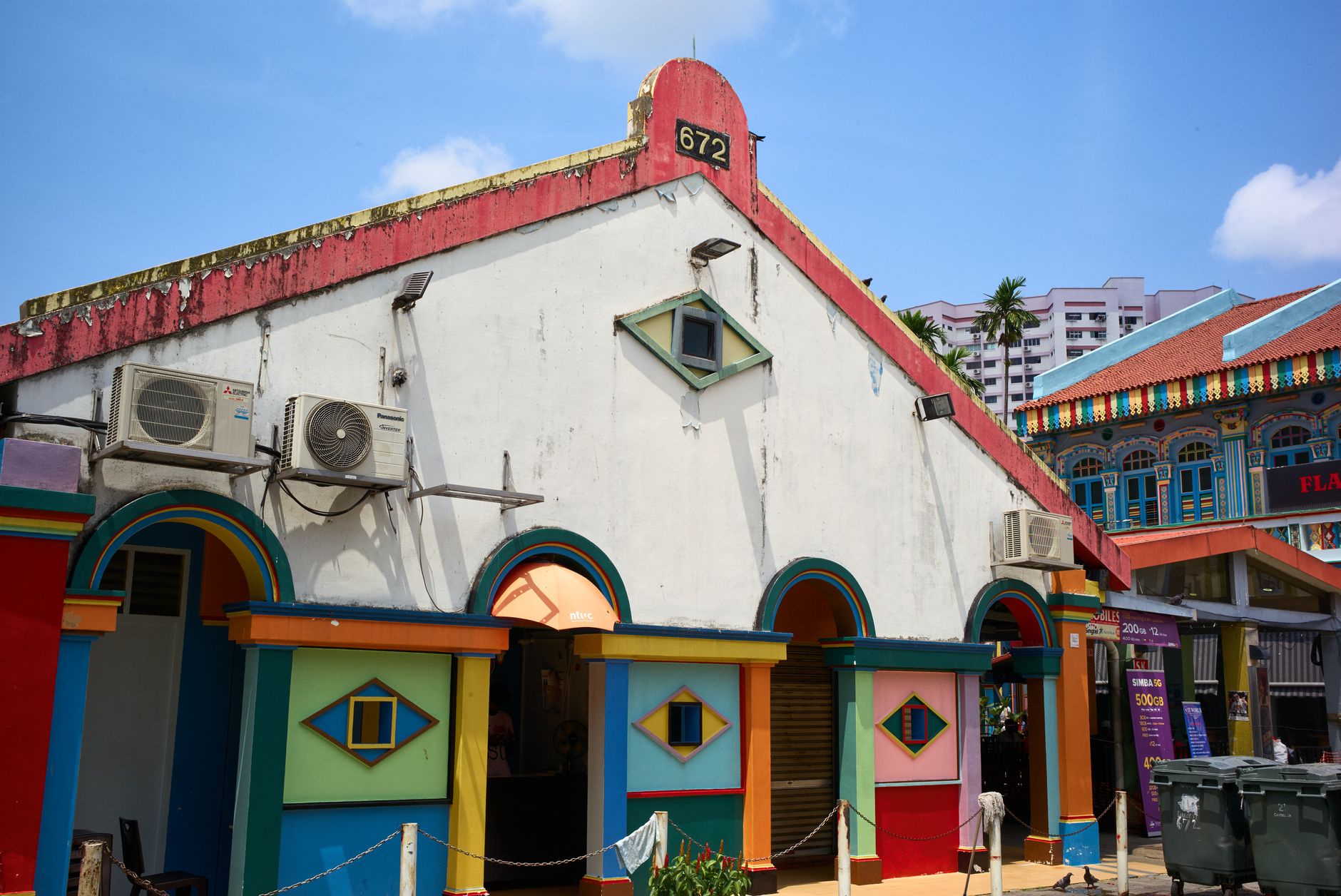
Little India is not a theme park version of itself. The Indian Heritage Centre sits beside working textile wholesalers. A Thai Buddhist temple shares a street with a Moorish-Victorian mosque. The neighbourhood holds multiple communities at once, and the architecture — Early shophouses through Art Deco — makes that layering visible if you slow down enough to read it.
How Little India came to be
Serangoon Road was already on the map before the neighbourhood had a name. When Stamford Raffles arrived in 1819, he brought with him Naraina Pillai, a Tamil civil servant who would go on to serve as Chief Clerk of the Colonial Treasury and become Singapore's first Indian brick contractor — effectively the founding figure of an Indian mercantile presence here. By the mid-1800s, the area had developed into a commercial and residential hub for the Indian community.
The name 'Little India' came late: the Singapore Tourist Promotion Board coined it only in the 1980s, as part of a push to formalise and preserve the city's ethnic quarters. The neighbourhood was gazetted as a conservation area on 7 July 1989, which is why you can still read its history in the facades — Early shophouses from the 1840s standing a few doors from Art Deco fronts built a century later.
Who and what shaped it
People who shaped it
Landmark buildings
See Little India in motion
Plan your visit
On the map
When to go
Expect heat and high humidity year-round, with temperatures sitting between roughly 77 and 88°F. March through August brings the least rain; November to January is the wettest stretch, with heavier downpours that can arrive without much warning.
Right now
Background & history adapted from Wikipedia (CC BY-SA) · specs from Wikidata (CC0) · weather from Open-Meteo · map data © OpenStreetMap contributors · photos from Wikimedia Commons / Unsplash with per-image credit. No third-party reviews or social posts reproduced.