
East Coast Park
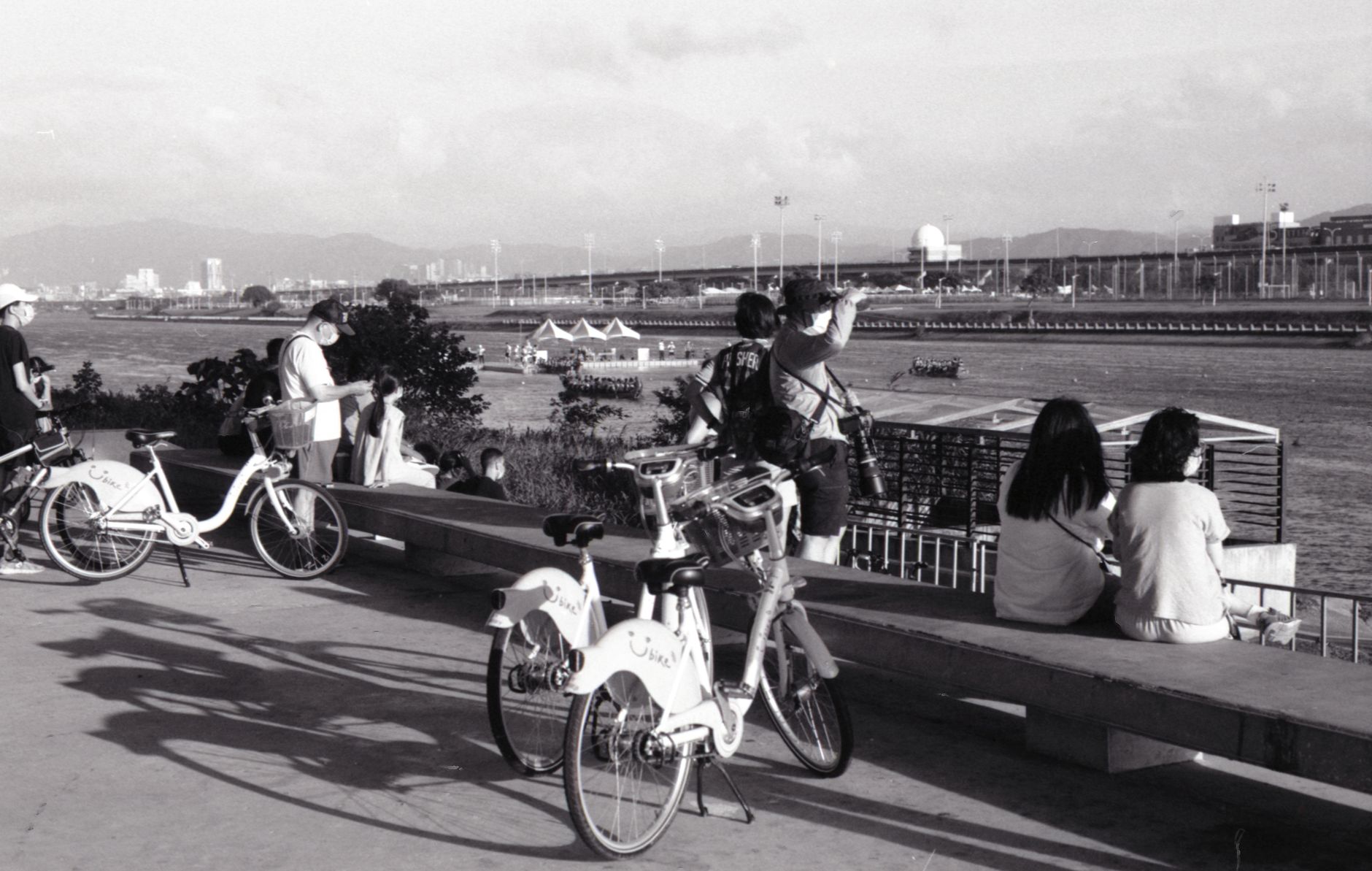
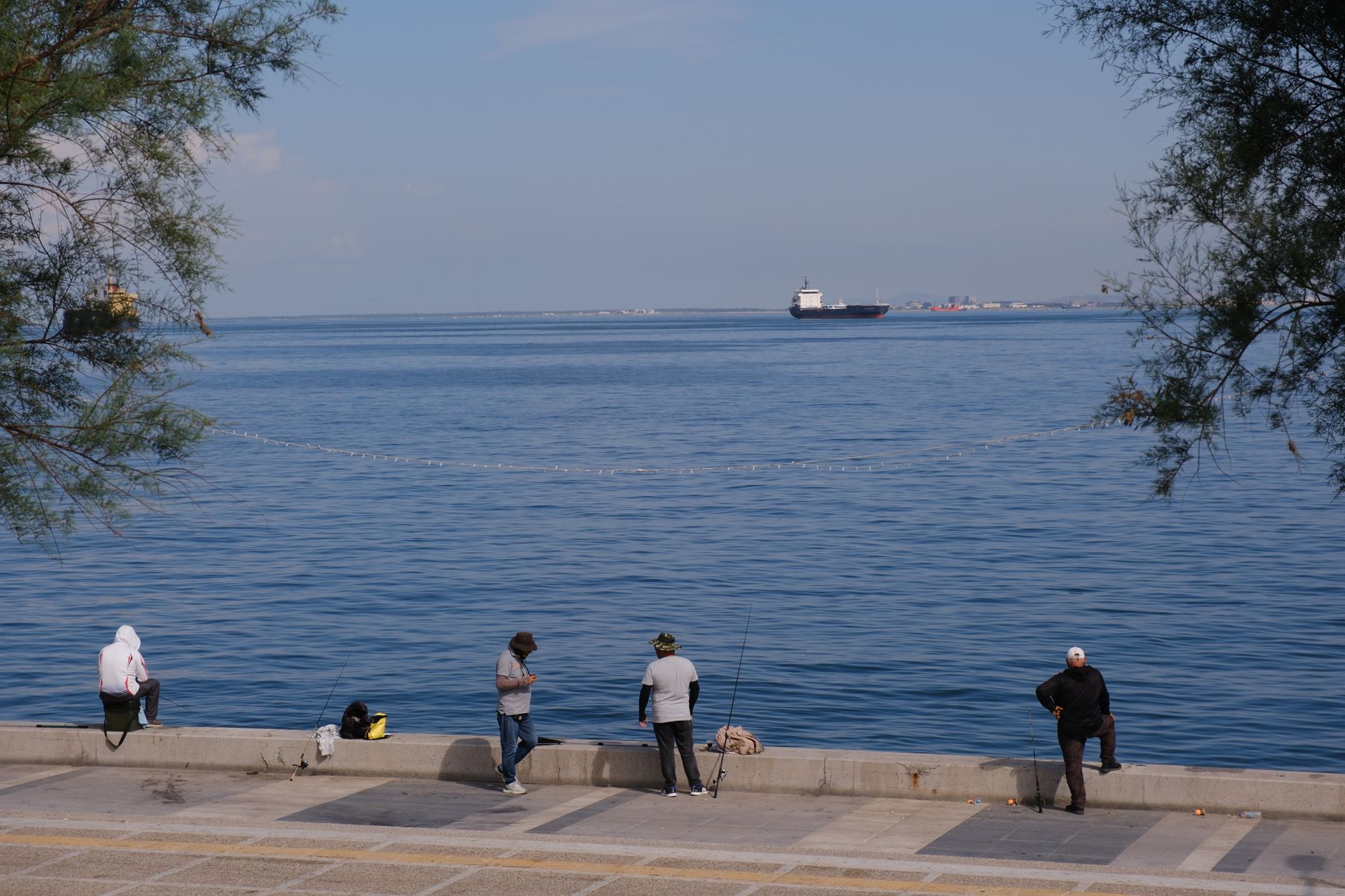
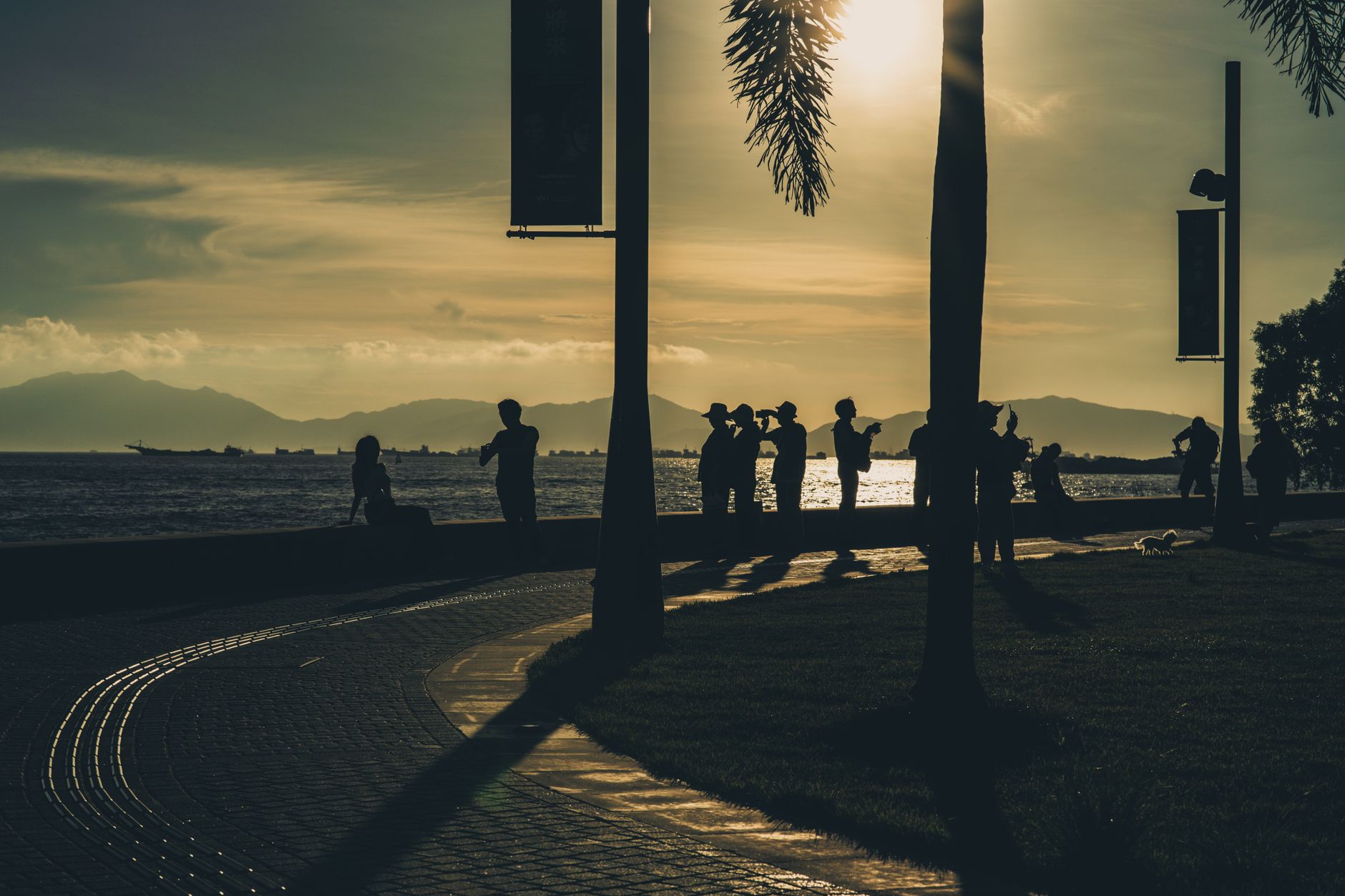
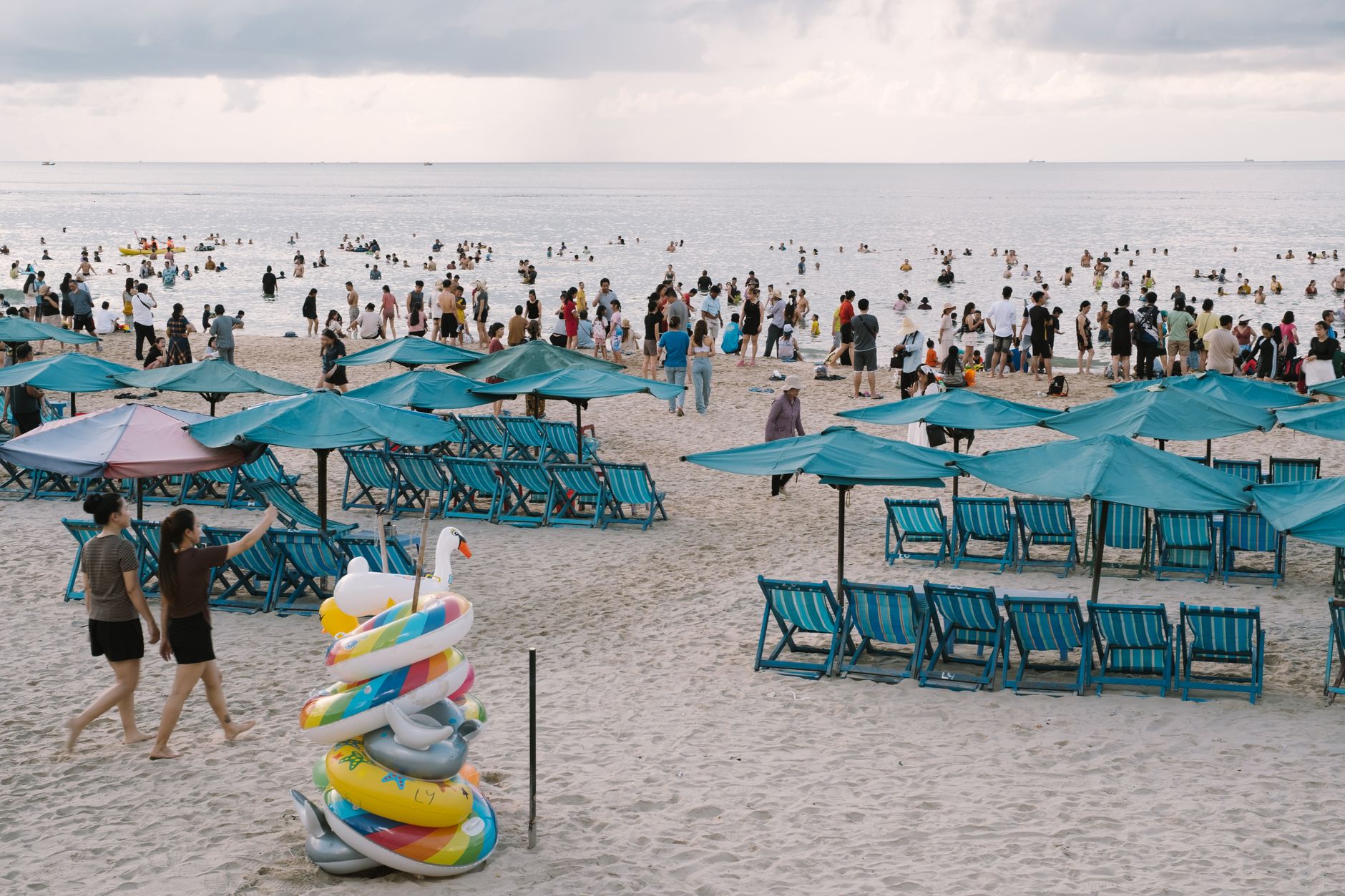

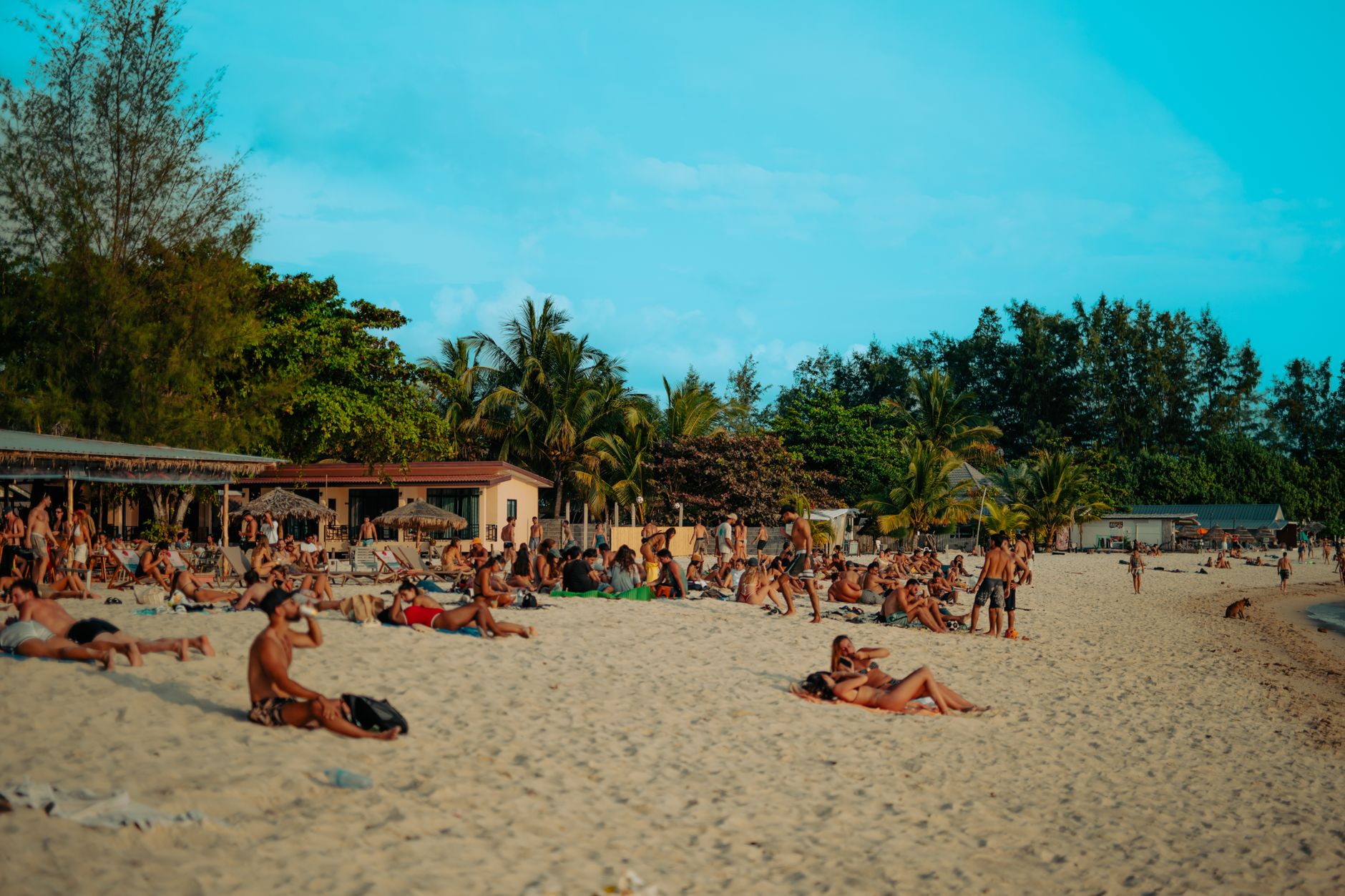
East Coast Park begins where Singapore's land ends — or rather, where new land was made to begin. The entire 185-hectare stretch is reclaimed coast, planted with coconut palms, ketapangs and casuarinas, and stitched together by a cycling track that runs more than 15 kilometres from west to east. At low tide, hermit crabs and sea stars work through the seagrass near the waterline. On weekends, half of Singapore seems to be out here on rented bicycles.
This is the city's largest park, and its most visited, drawing 7.5 million people a year. It divides neatly into eight areas labelled A to H; the middle stretch holds the food centres, playgrounds and cable ski park, while the edges — Areas A, G and H — stay noticeably quieter.
💛 What travellers fall for
People who come back regularly tend to head straight for the East Coast Lagoon Food Centre for a late-afternoon bowl of laksa before the dinner crowd arrives. The western end near Area A is the consensus pick for a quieter ride. Bedok Jetty, at 250 metres, is worth walking to the end of at dusk.
How East Coast Park came to be
The coastline you're walking didn't exist before the late 1960s. The Singapore government reclaimed land off Katong — from Kallang all the way to Changi — and construction began in 1971. The park opened to the public in October 1972, while work was still ongoing. Japanese landscape architects Yokoyama and Fujiyama were brought in to shape the early plantings; by 1973, Yokoyama had completed Area D, the first landscaped section on the new coast.
Facilities accumulated through the 1970s and 80s: a swimming lagoon in 1976, the Singapore Tennis Centre in 1977, the waterslide complex Big Splash the same year, and the East Coast Recreation Centre in 1982. A S$160 million rejuvenation project ran from 2007 to 2010. The Big Splash site was eventually replaced by Coastal PlayGrove, a recreational space for adolescents, which opened in March 2021.
Who and what shaped it
People who shaped it
Landmark buildings
See East Coast Park in motion
Plan your visit
On the map
When to go
Singapore sits close to the equator and East Coast Park has no real off-season — it is warm and humid year-round, with temperatures rarely straying far from 30°C. The Northeast Monsoon (roughly November to January) brings heavier rain and occasionally rougher seas; the open coastal setting means there's little shelter when a squall moves through, so an early start usually beats the afternoon downpours.
Right now
Background & history adapted from Wikipedia (CC BY-SA) · specs from Wikidata (CC0) · weather from Open-Meteo · map data © OpenStreetMap contributors · photos from Wikimedia Commons / Unsplash with per-image credit. No third-party reviews or social posts reproduced.