
Monaco-Ville
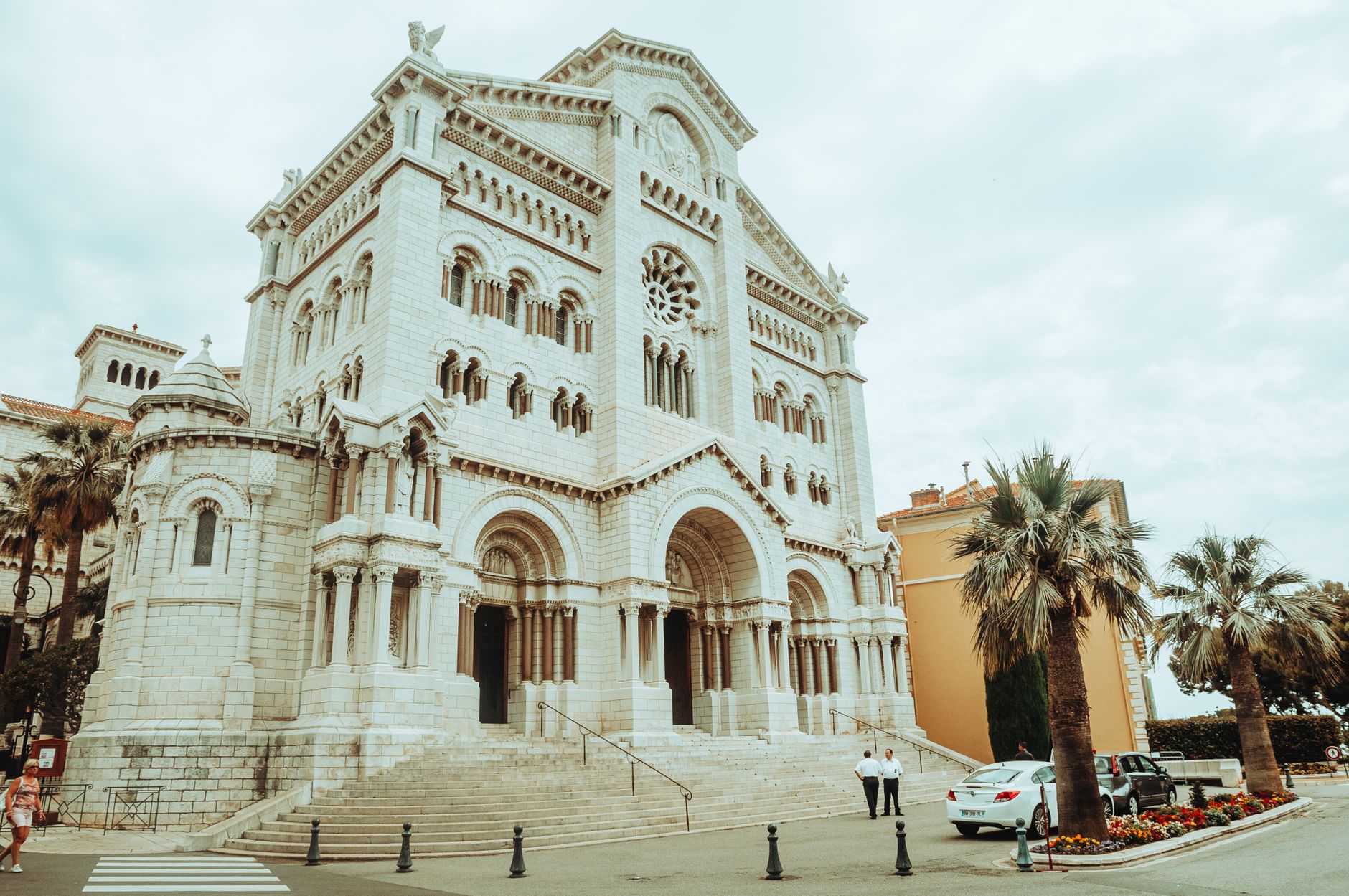
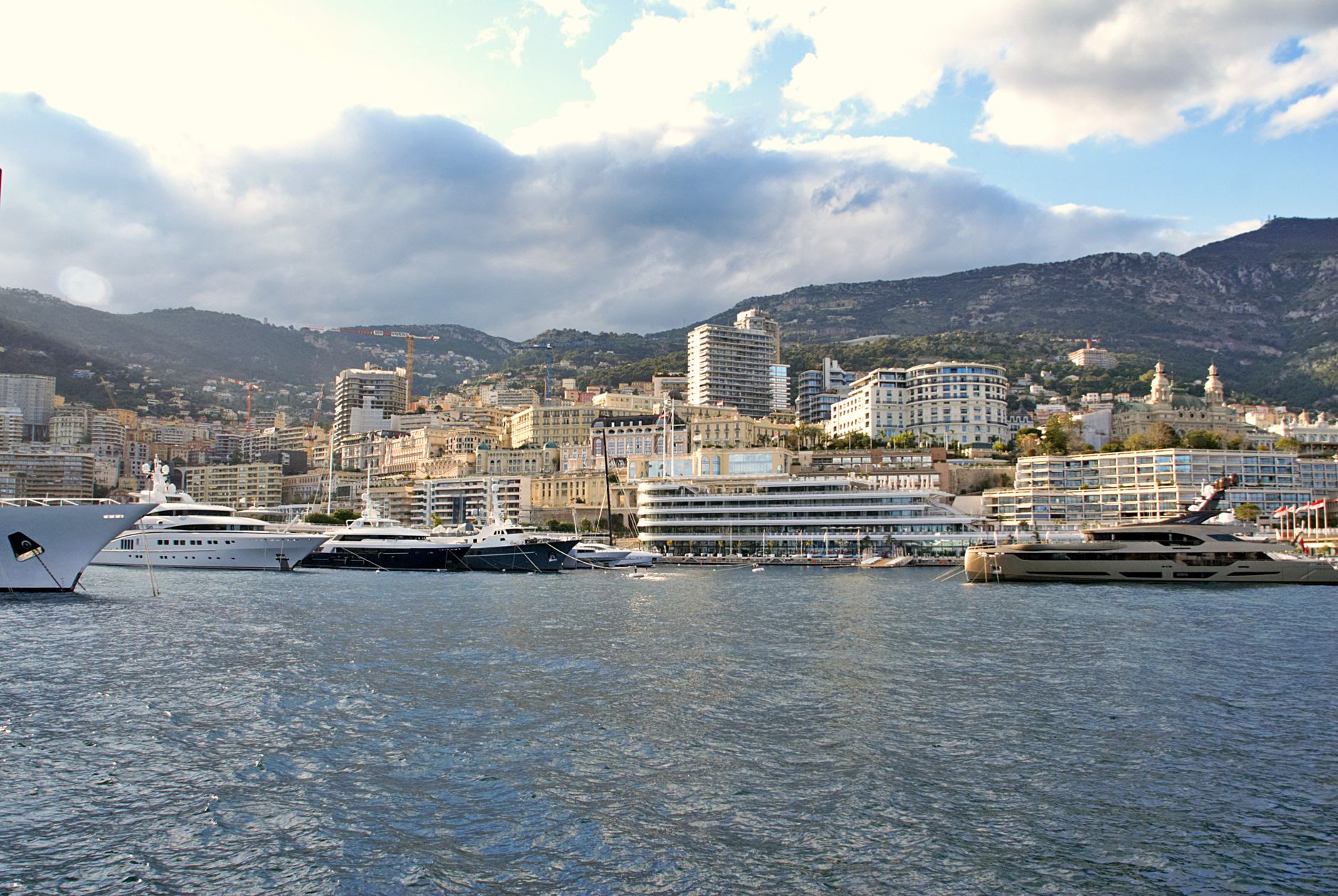
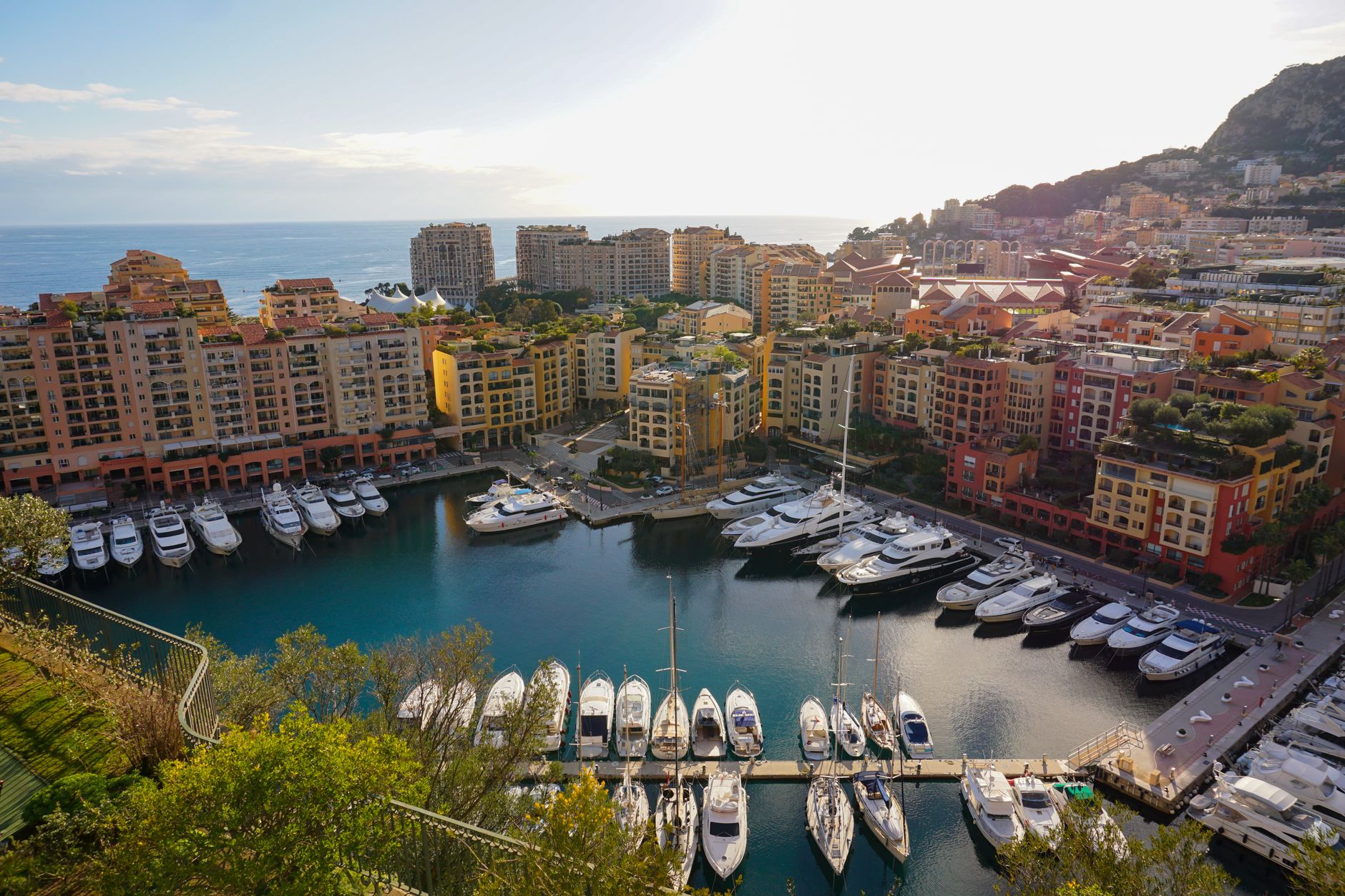
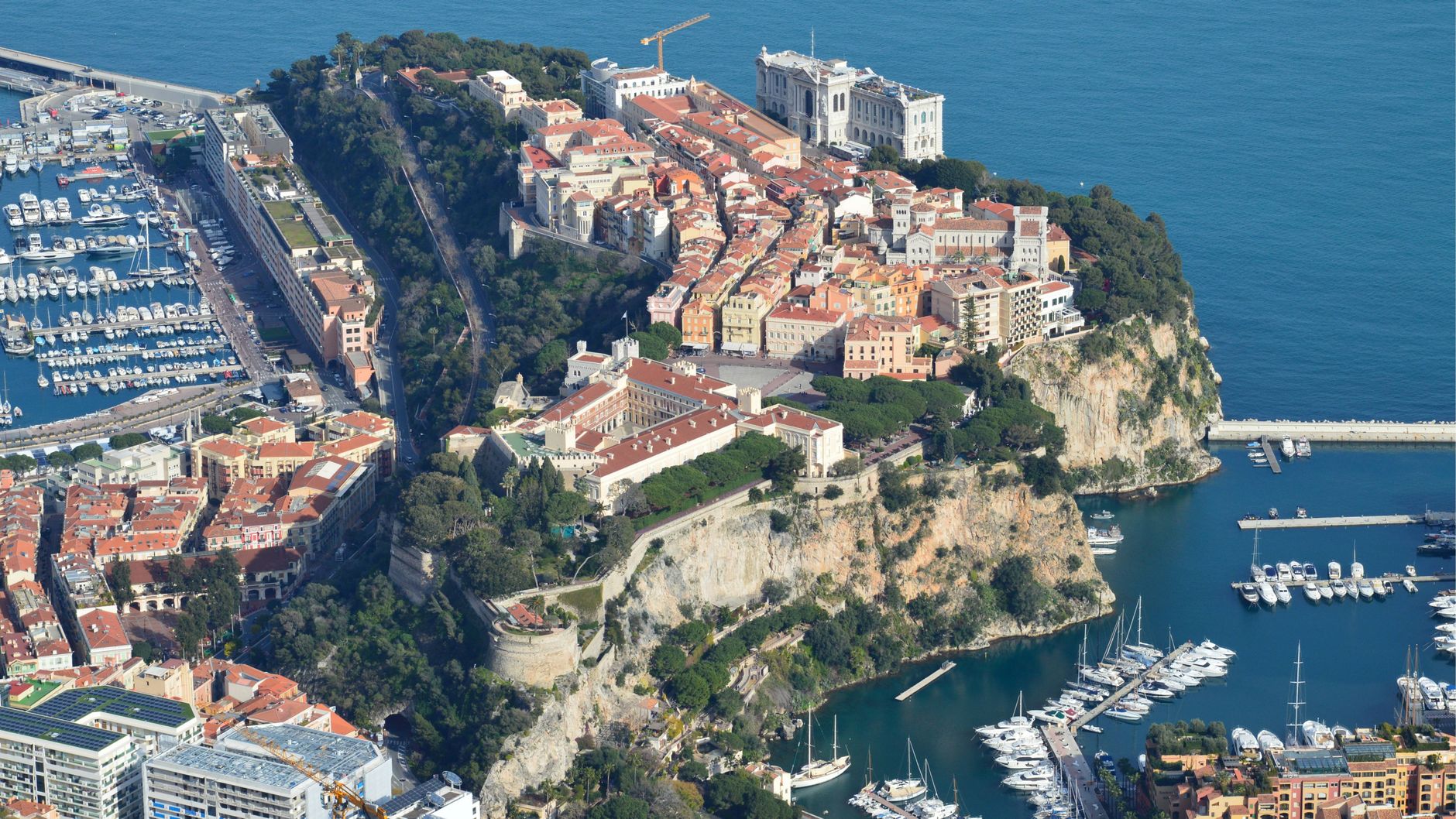
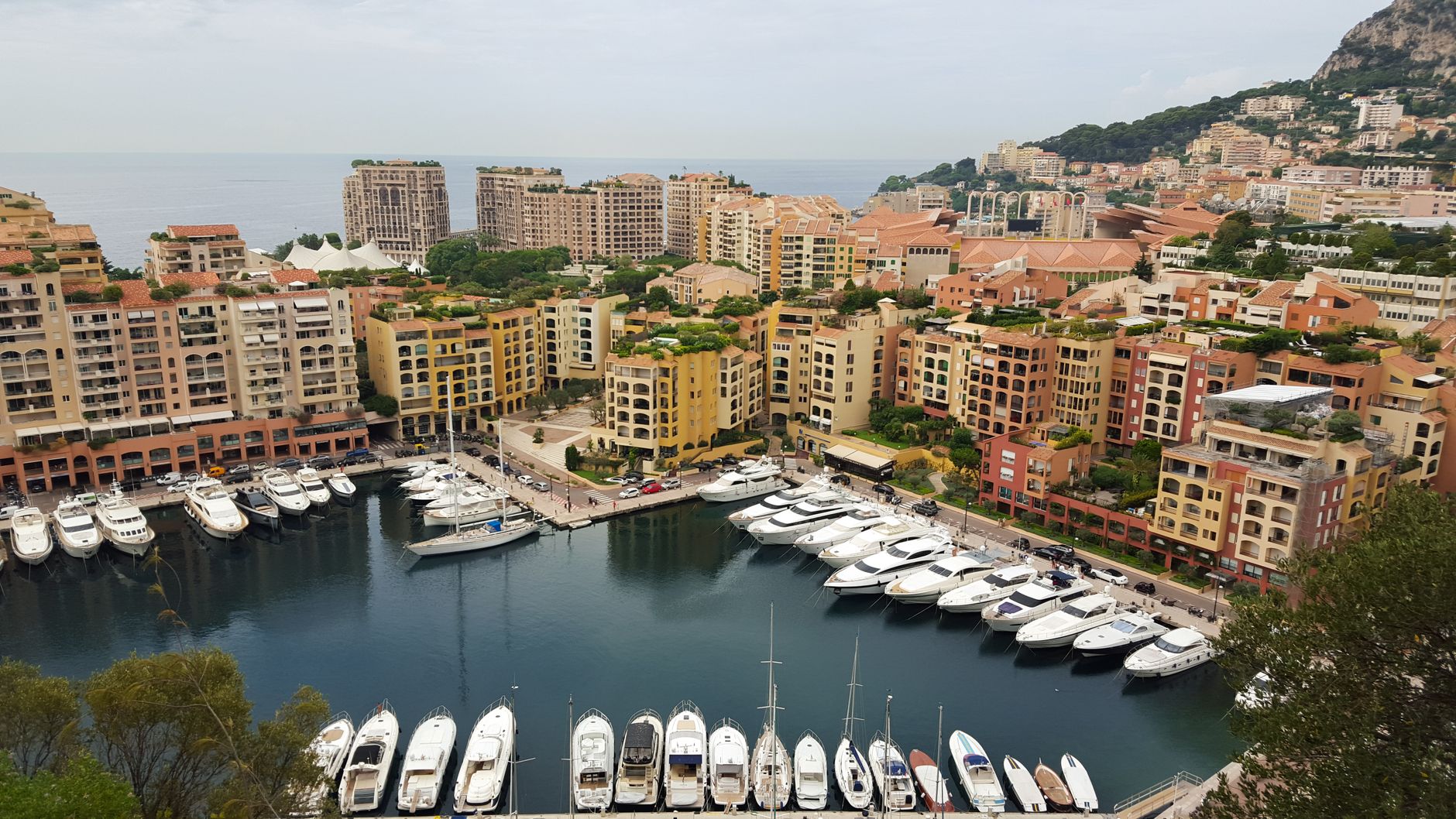
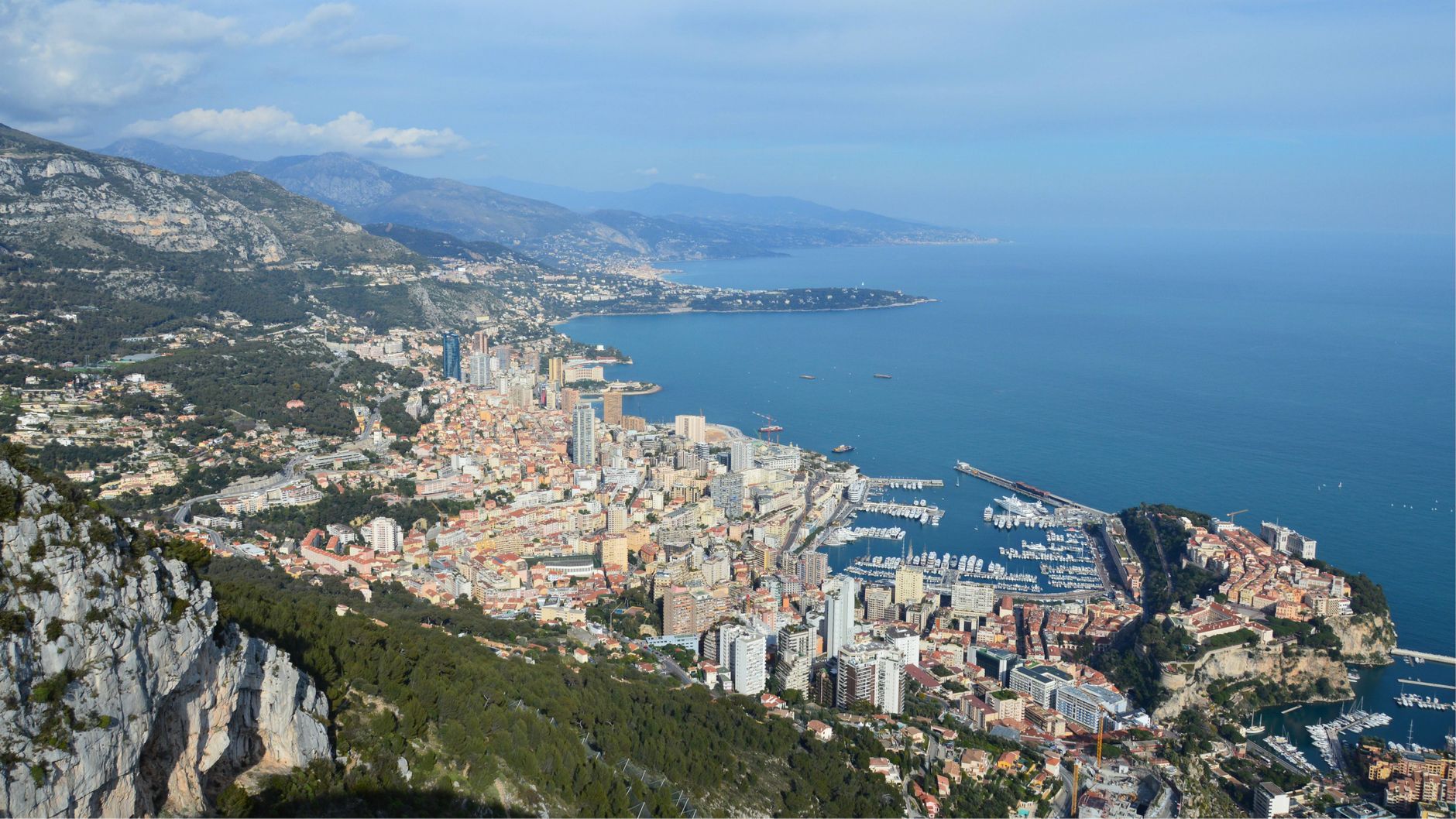
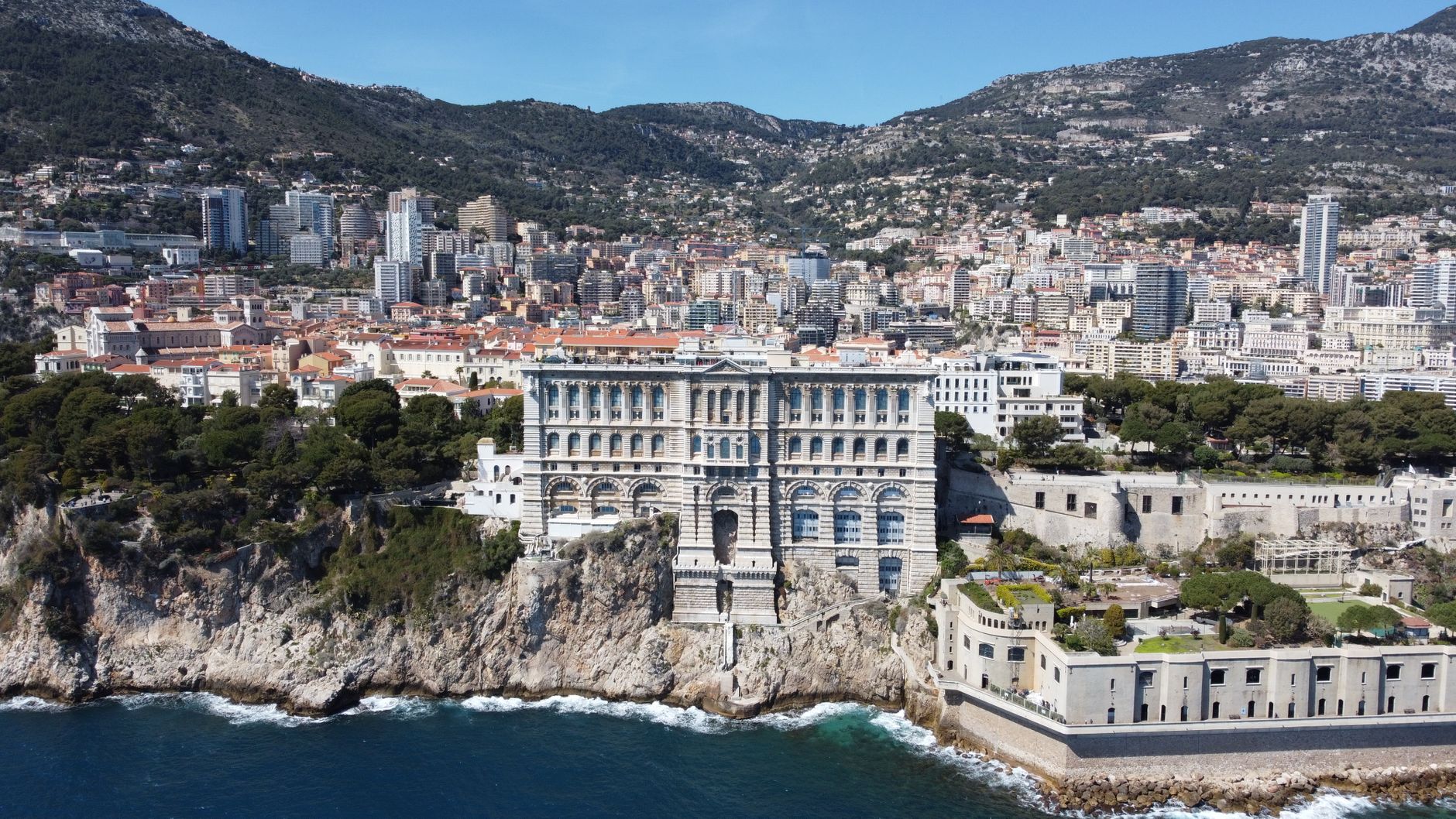
Monaco-Ville — le Rocher, the locals call it, the Rock — rises from the Mediterranean on a flat-topped promontory, its pale stone buildings stacked above a sheer cliff face that drops straight to the sea. The Oceanographic Museum is literally built into that cliff, which tells you something about how seriously this place takes its own drama.
The old town is compact enough to walk end-to-end in under an hour, yet it holds a working palace, a cathedral with royal tombs, a fortress-turned-theatre, and streets quiet enough that you can hear your own footsteps. It is the original Monaco, older and stiller than the casino quarter across the port.
💛 What travellers fall for
People who come back tend to arrive before ten, when the Palace square is still cool and the guard change at 11:55 draws its crowd. The Cathedral of Our Lady Immaculate rewards a quiet sit inside — the light through the nave is something the photographs never quite catch. Bus Line 1 is genuinely useful and far cheaper than a taxi.
Deals in Monaco-Ville
Book directly at the provider
How Monaco-Ville came to be
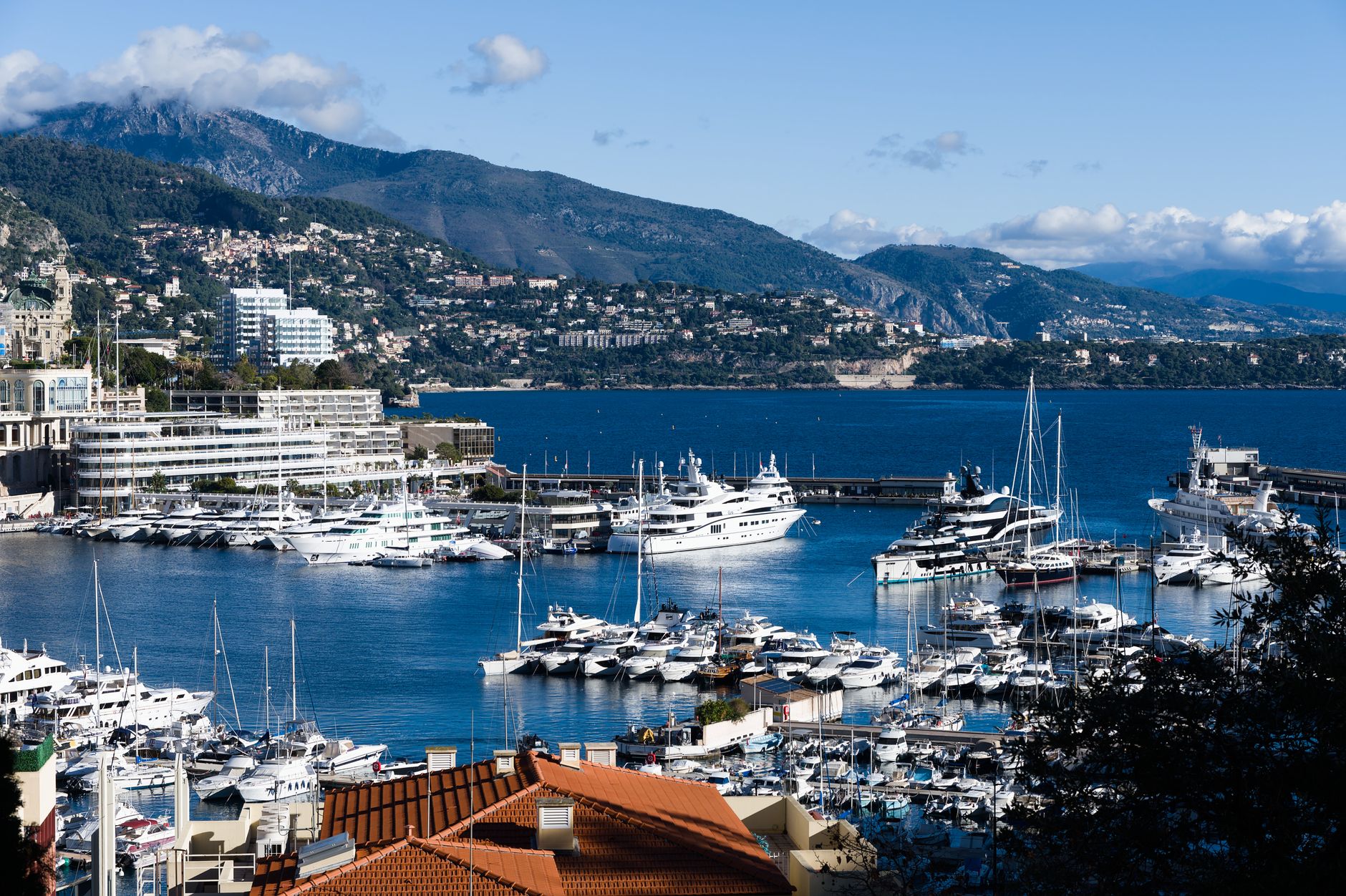
The name comes from Monoikos, a Greek word tied to a Phocaean colony founded here in the 6th century BCE — settlers from what is now Marseille who built around a temple to Hercules on this same headland. The Genoese raised a fortress on the site in 1215, and it is the bones of that structure that became the Prince's Palace.
The Grimaldi family first seized control in 1297, though their grip on the Rock remained contested for over a century. It was Charles I who consolidated the dynasty for good, restoring Grimaldi rule on 12 September 1331 after a period of exile — an act that earned him the title founder of the principality. The Cathedral that now holds the tombs of his successors was built in 1875, replacing a church that had stood on the same ground since 1321.
Who and what shaped it
People who shaped it
Landmark buildings
See Monaco-Ville in motion
Plan your visit
On the map
When to go
Summers run warm and dry, with sea breezes keeping the Rock comfortable even in July and August when temperatures reach around 28°C. Winters are genuinely mild — rarely below 8°C — and the light on the stone in January has its own quality.
Right now
Background & history adapted from Wikipedia (CC BY-SA) · specs from Wikidata (CC0) · weather from Open-Meteo · map data © OpenStreetMap contributors · photos from Wikimedia Commons / Unsplash with per-image credit. No third-party reviews or social posts reproduced.