
Manosque
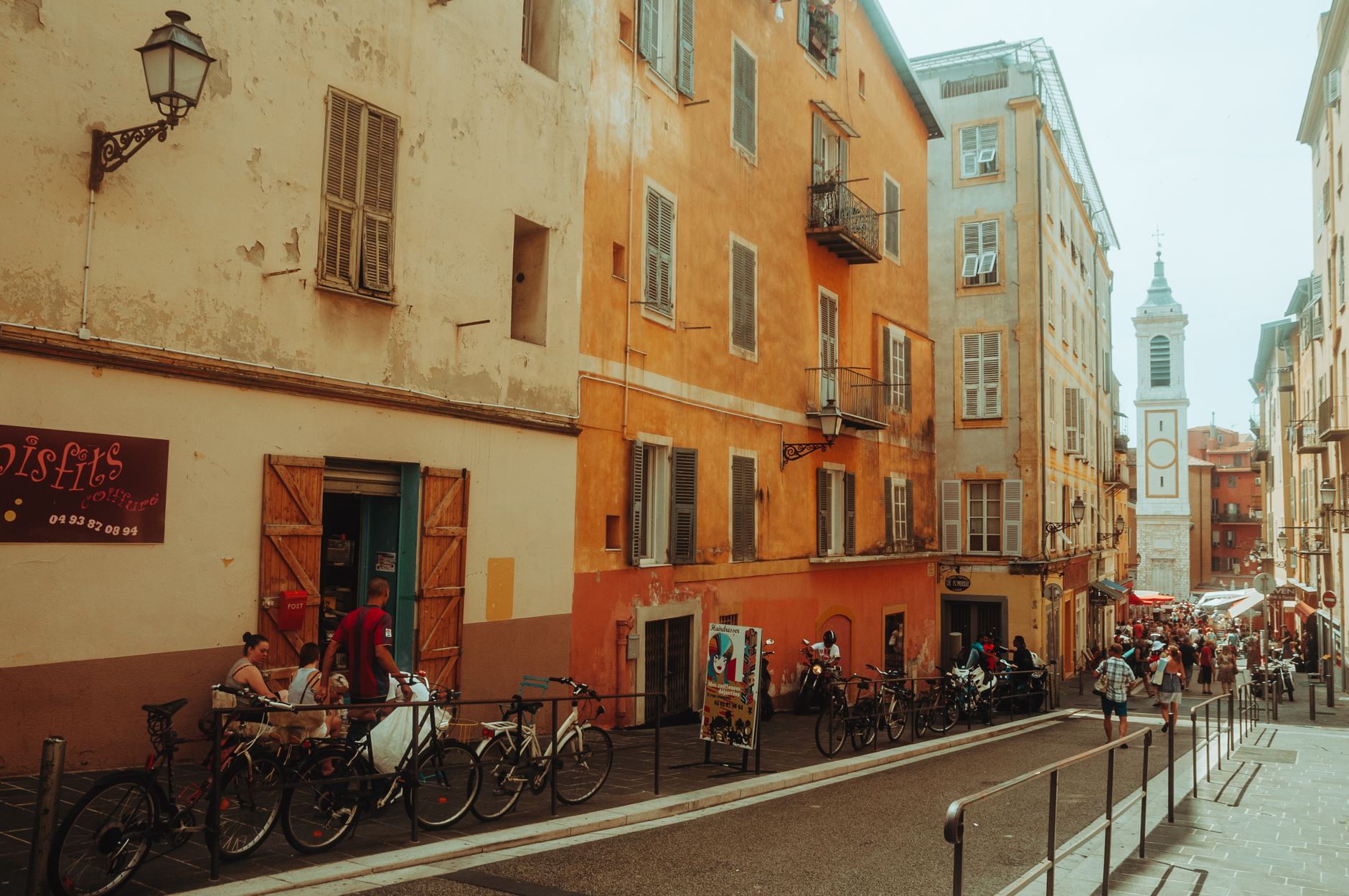
Manosque sits on a low hill above the Durance valley, its medieval gates still standing at either end of a single long street. The town is compact enough to walk end to end in twenty minutes, yet it carries an outsized literary weight — Jean Giono was born here in 1895, died here in 1970, and barely left in between. His house on the slopes of Mont d'Or still holds his 8,500-book library exactly as he kept it.
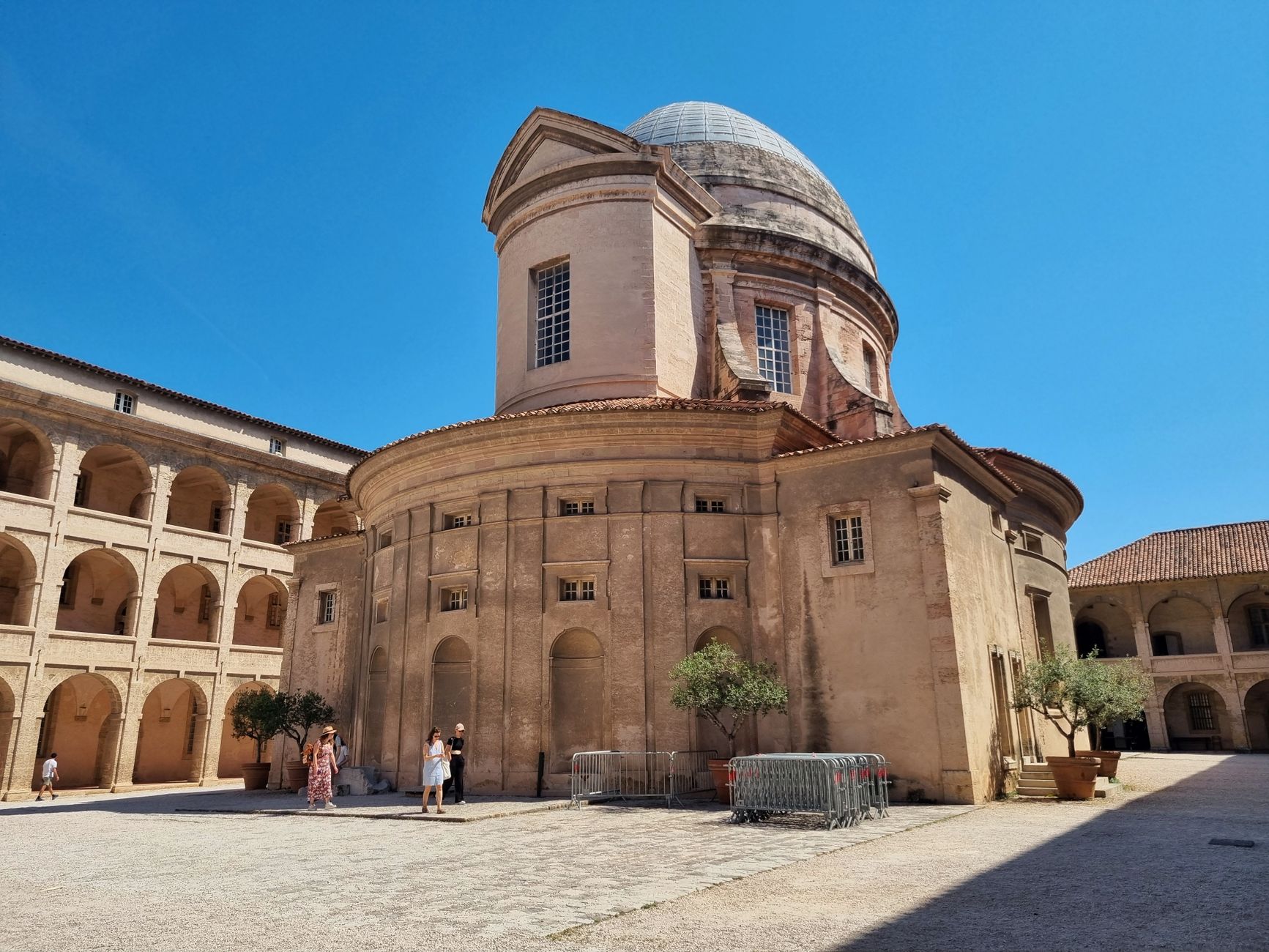
The old centre rewards slow movement: a Romanesque church with a 5th-century sarcophagus in its floor, an ironwork campanile hammered out by a blacksmith from Valensole in 1725, and a convent whose walls were painted over with a full Apocalypse fresco as recently as 1991. Wednesday and Saturday mornings, the market fills four squares simultaneously.
💛 What travellers fall for
People who come back tend to time a visit around the Wednesday market, then walk up to Le Paraïs before the afternoon guided slot fills. The L'Occitane factory four kilometres out is worth the detour less for the shopping than for the Mediterranean garden, which most visitors walk straight past.
Deals in Manosque
Book directly at the provider


How Manosque came to be
The hill above the Durance has held people since at least the 2nd century CE, but Manosque found its stride in the 13th century — a trading town of roughly 10,000 souls prosperous enough to raise stone walls and two churches that still stand. The Porte de la Saunerie went up in 1382; the Porte du Soubeyran got its clock tower centuries later, in the 18th century, with a campanile added in 1830.
Plague hit twice in the 18th and 19th centuries and cut the population hard. The railroad arrived in the 1870s and restarted things. Then, between 1950 and 1970, the town tripled in size — fast enough that the medieval core survived largely intact, too compressed to demolish.
Who and what shaped it
People who shaped it
Landmark buildings
See Manosque in motion
Plan your visit
On the map
When to go
Provence's summers here are hot and dry, with the Durance valley occasionally funnelling wind. Spring and early autumn are the most comfortable seasons for walking the old streets; winters are mild but quiet, with several attractions running reduced hours.
Right now
Background & history adapted from Wikipedia (CC BY-SA) · specs from Wikidata (CC0) · weather from Open-Meteo · map data © OpenStreetMap contributors · photos from Wikimedia Commons / Unsplash with per-image credit. No third-party reviews or social posts reproduced.