
Paris, Île-de-France, France


Paris divides itself along the Seine with a logic that still holds: the Rive Droite for commerce and grandeur, the Rive Gauche for ideas and argument. That split was formalised in the 13th century when the Sorbonne opened on the south bank, and you can still feel it — the texture of a neighbourhood changes when you cross a bridge. Two million people live within the city's boundaries, ten million more in the surrounding region, and the place absorbs all of them without quite losing its human scale.
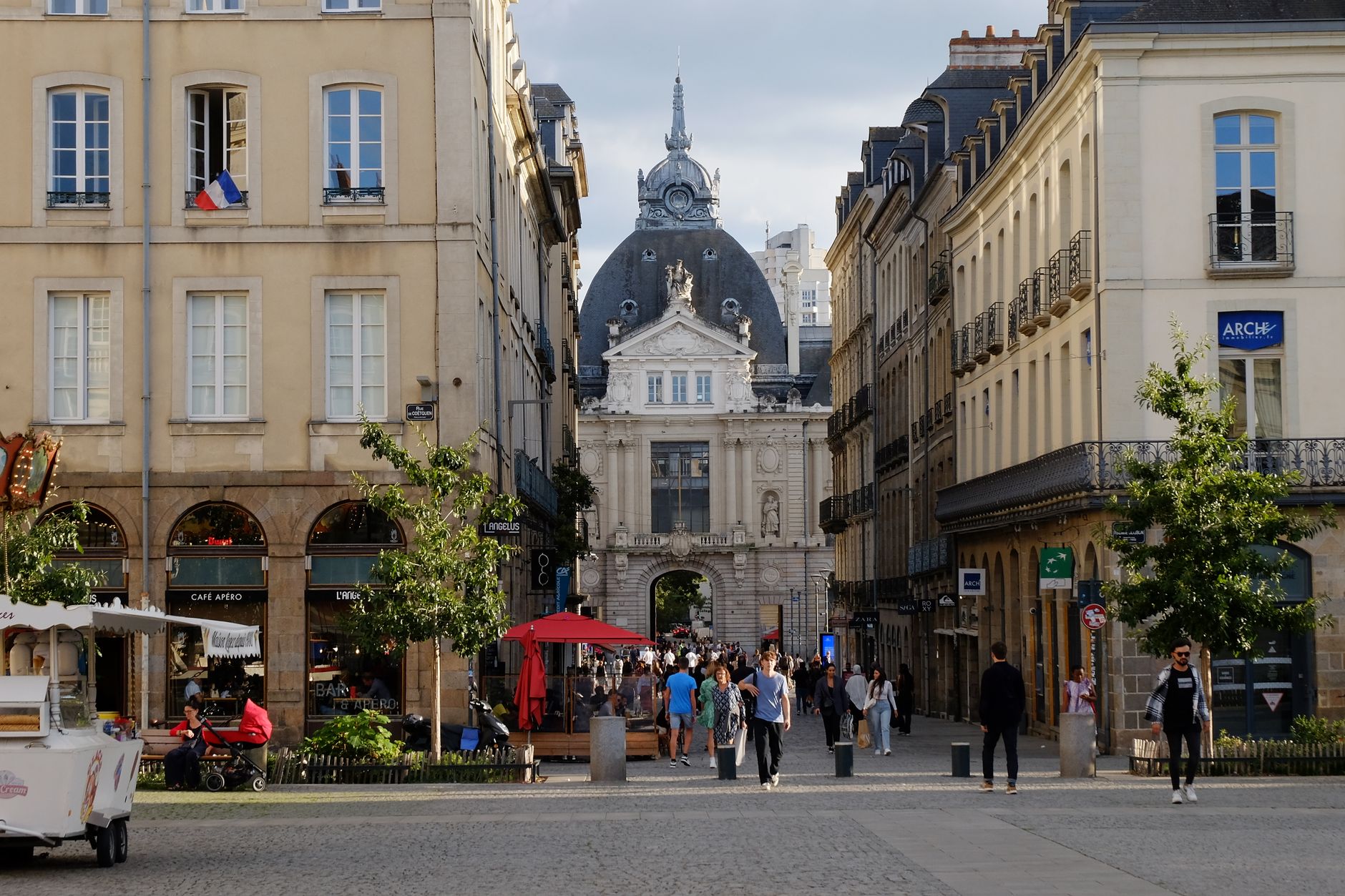
What catches people off guard is how walkable the central arrondissements are. Landmarks that seem like separate expeditions on a map turn out to be twenty minutes apart on foot, which is the only honest way to understand how the city fits together.
Popular cities in Paris, Île-de-France, France
💛 What travellers fall for
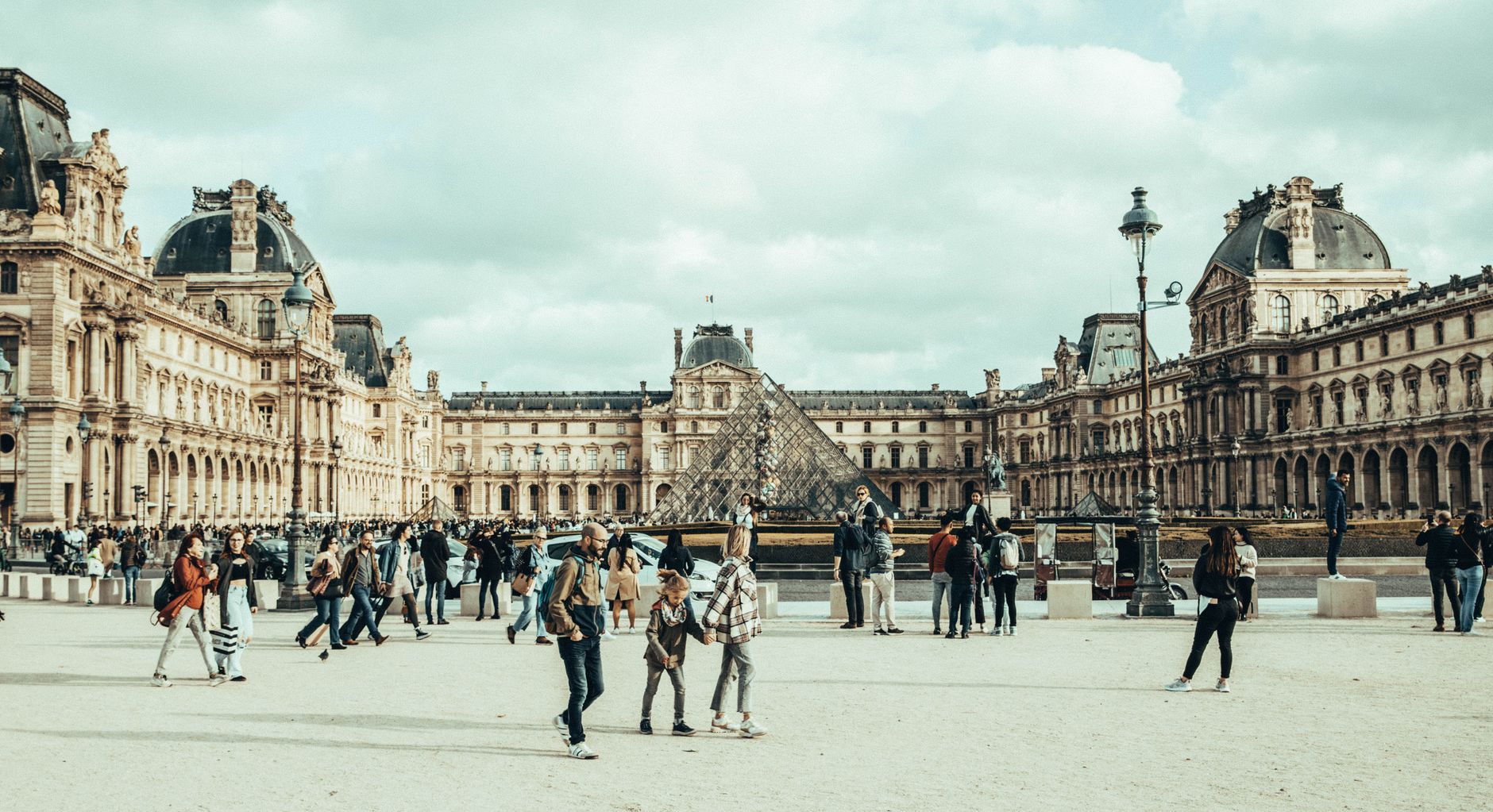
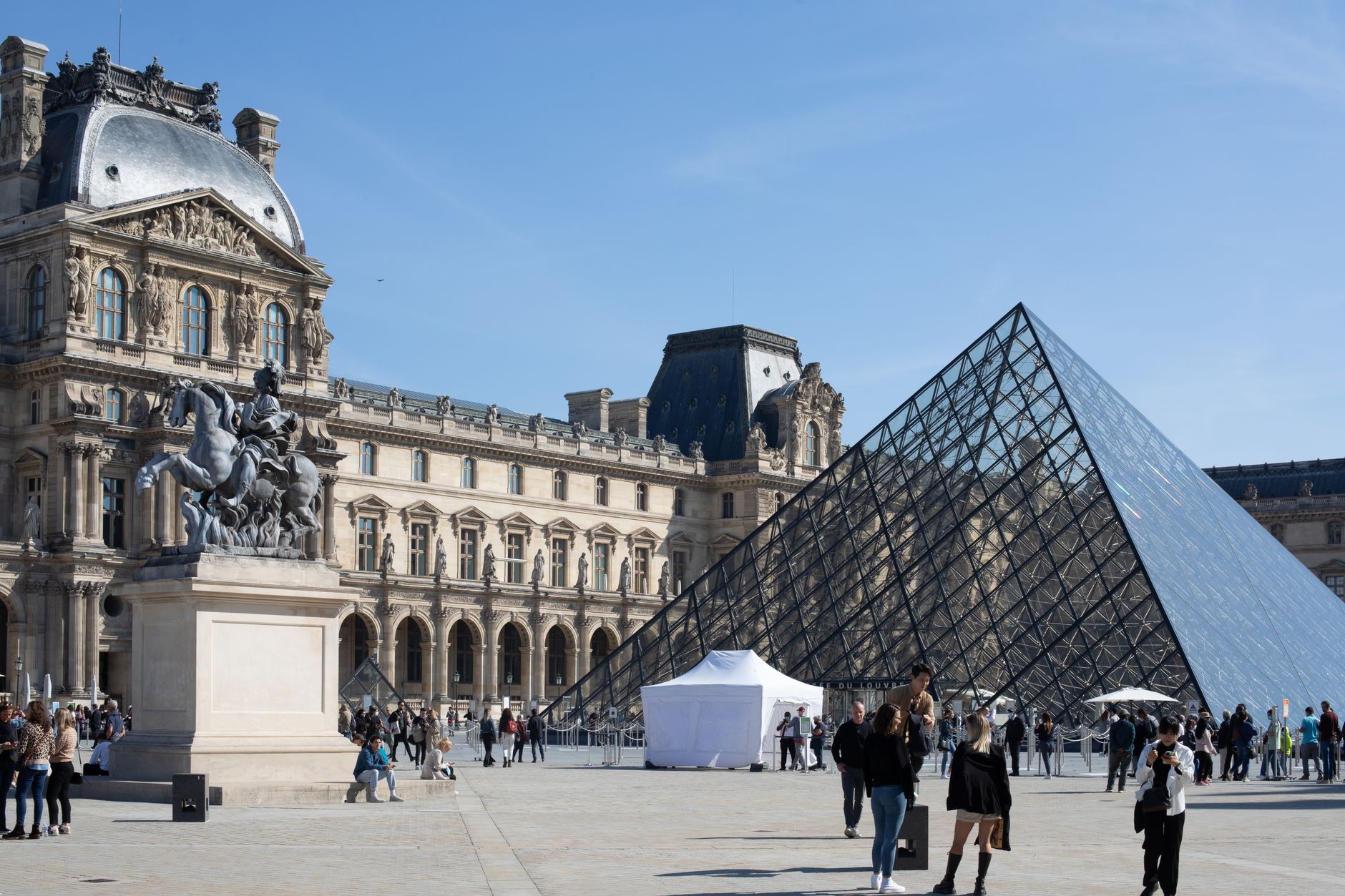
People who come back tend to stop planning around the monuments and start planning around the arrondissement. Pick one, learn its boulangerie, its market day, its quiet square. The city rewards that kind of narrowing down far more than the sprint between the tower and the Louvre that first-timers attempt.
How Paris, Île-de-France, France came to be
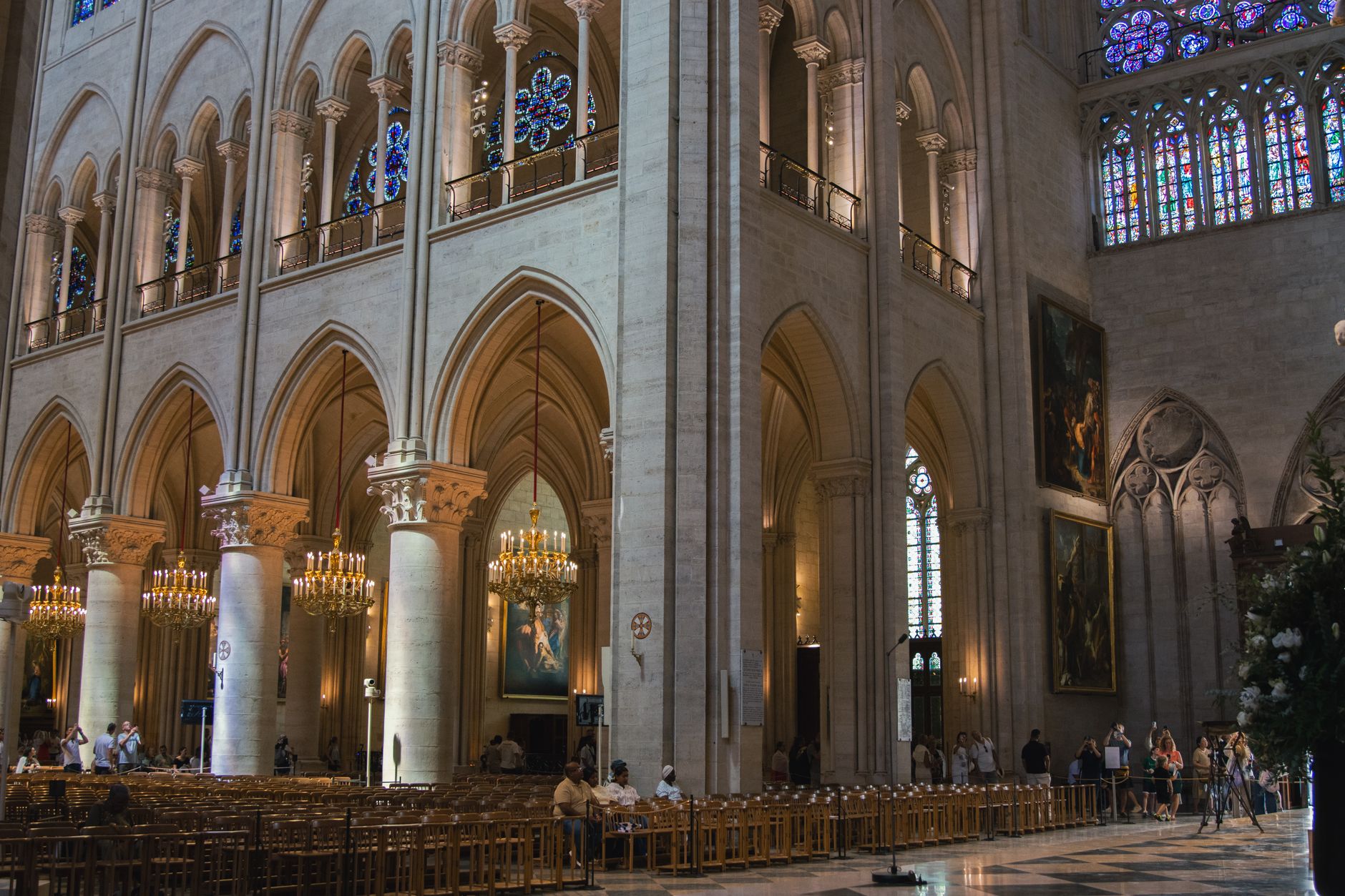
The Parisii, a Celtic tribe, settled on the Seine around 250 BC. Rome conquered the settlement in 52 BC and rebuilt it as Lutetia; by the fourth century it had taken the name Paris. Clovis I made it the Frankish capital in 508, and the founding of the University of Paris in 1215 and the Sorbonne in 1253 gave the city its enduring intellectual identity. Notre-Dame's construction had begun in 1163, and Sainte-Chapelle followed between 1241 and 1248.
The city's modern bones were laid between 1852 and 1870, when Napoleon III and his prefect Georges-Eugène Haussmann demolished much of the medieval centre and drove wide new avenues through it, expanding Paris to its present boundaries by 1860. The Eiffel Tower went up in 1889; six years later, the Lumière brothers gave the world its first public film screening at the Grand Café.
Who and what shaped it
People who shaped it
Landmark buildings
See Paris, Île-de-France, France in motion
Plan your visit
On the map
When to go
Paris gets four distinct seasons. Winters are grey and damp but rarely severe; summers can push into genuine heat, especially in July and August. Spring and autumn offer the most reliable combination of mild temperatures and manageable crowds.
Right now
↡ Cities


Background & history adapted from Wikipedia (CC BY-SA) · specs from Wikidata (CC0) · weather from Open-Meteo · map data © OpenStreetMap contributors · photos from Wikimedia Commons / Unsplash with per-image credit. No third-party reviews or social posts reproduced.