
Paris 8th Arrondissement
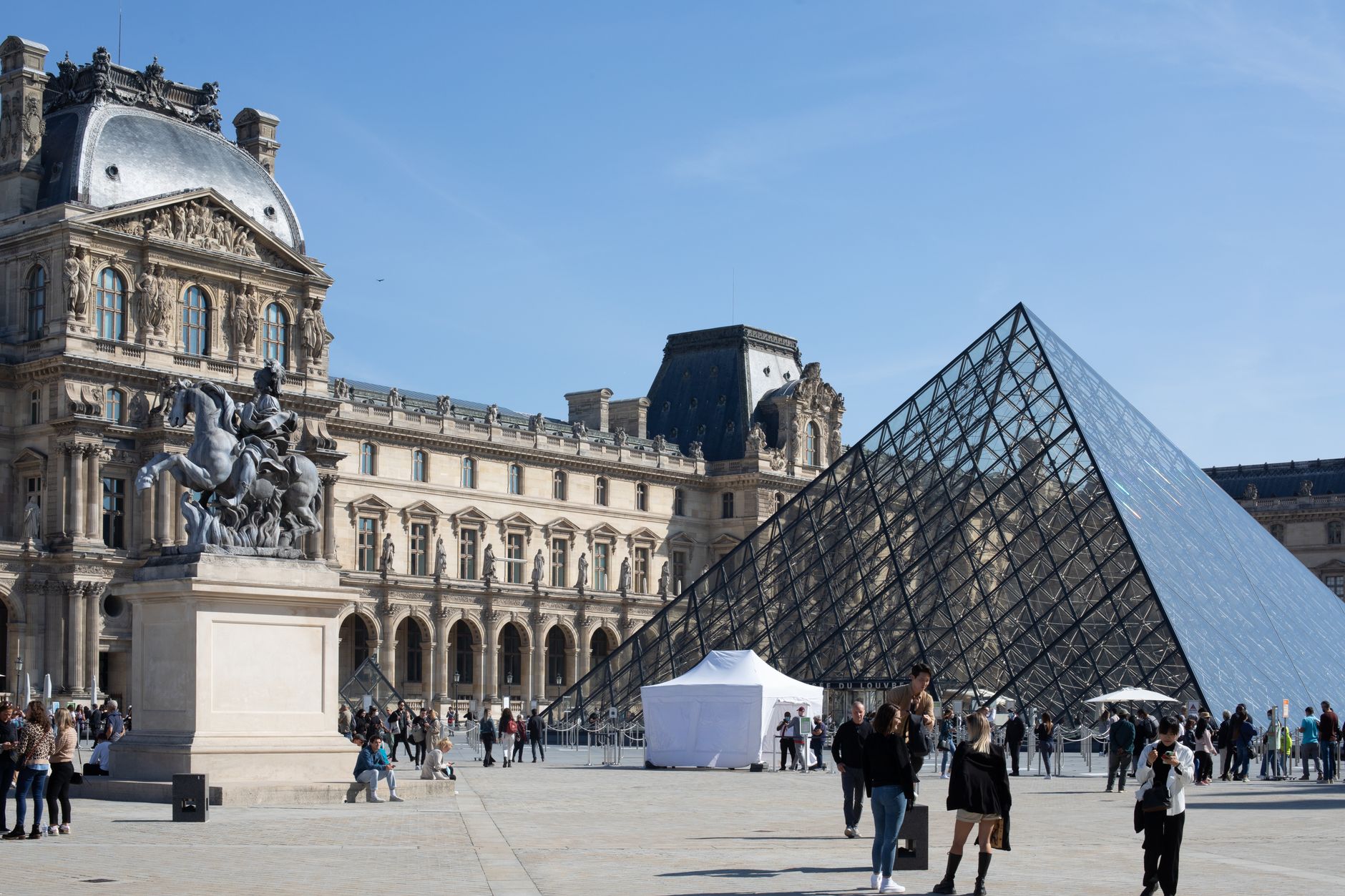
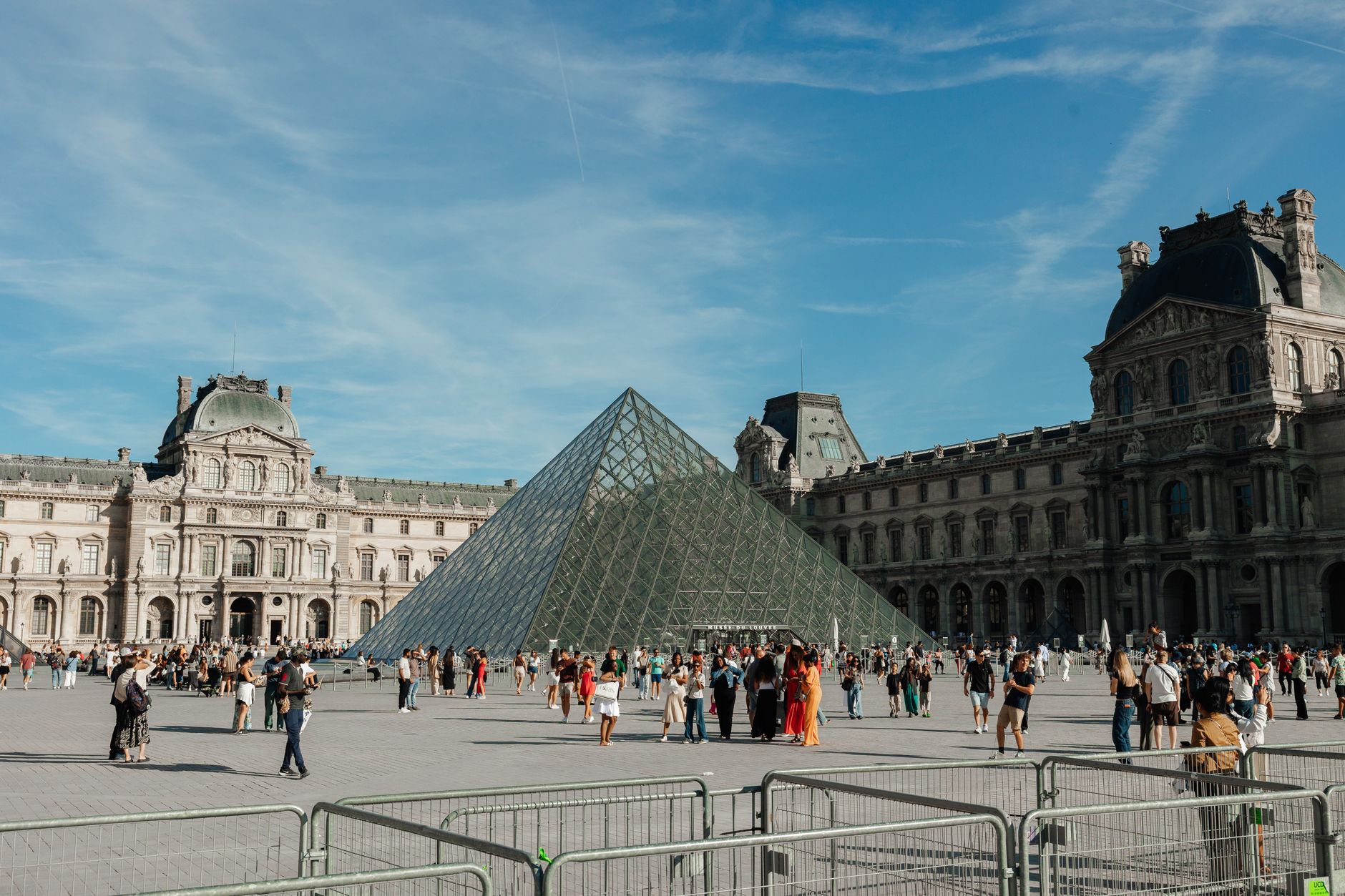
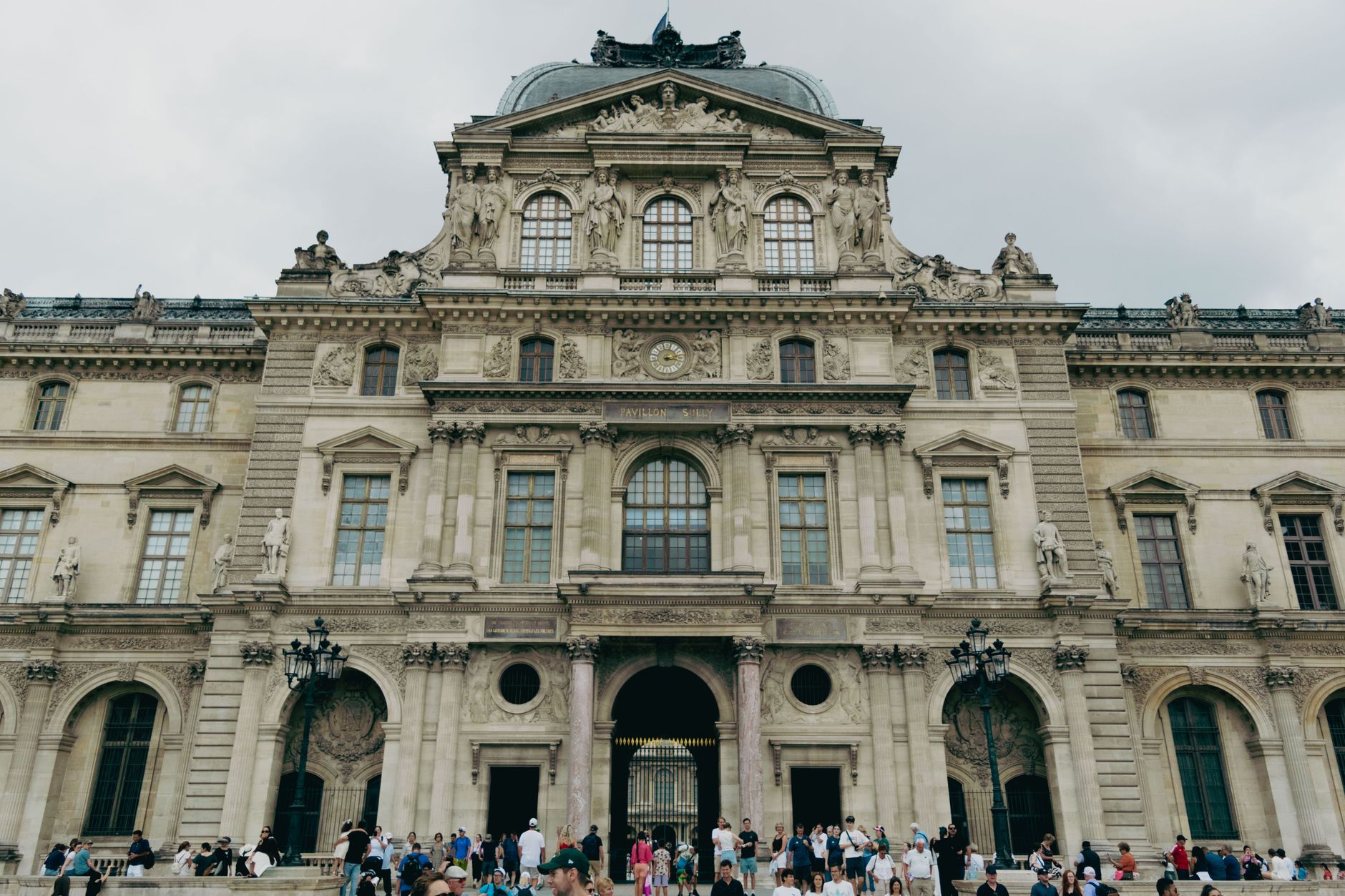
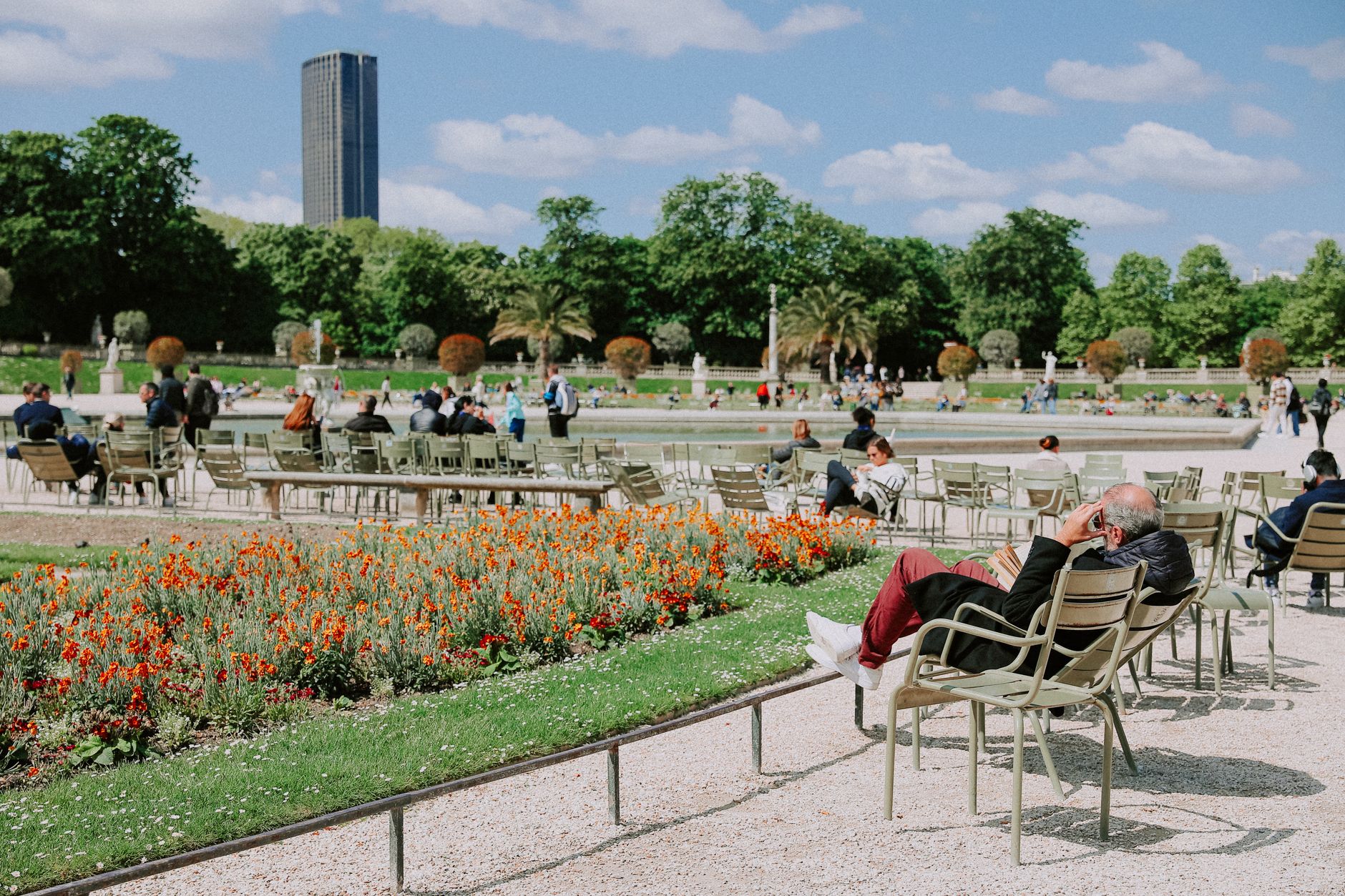
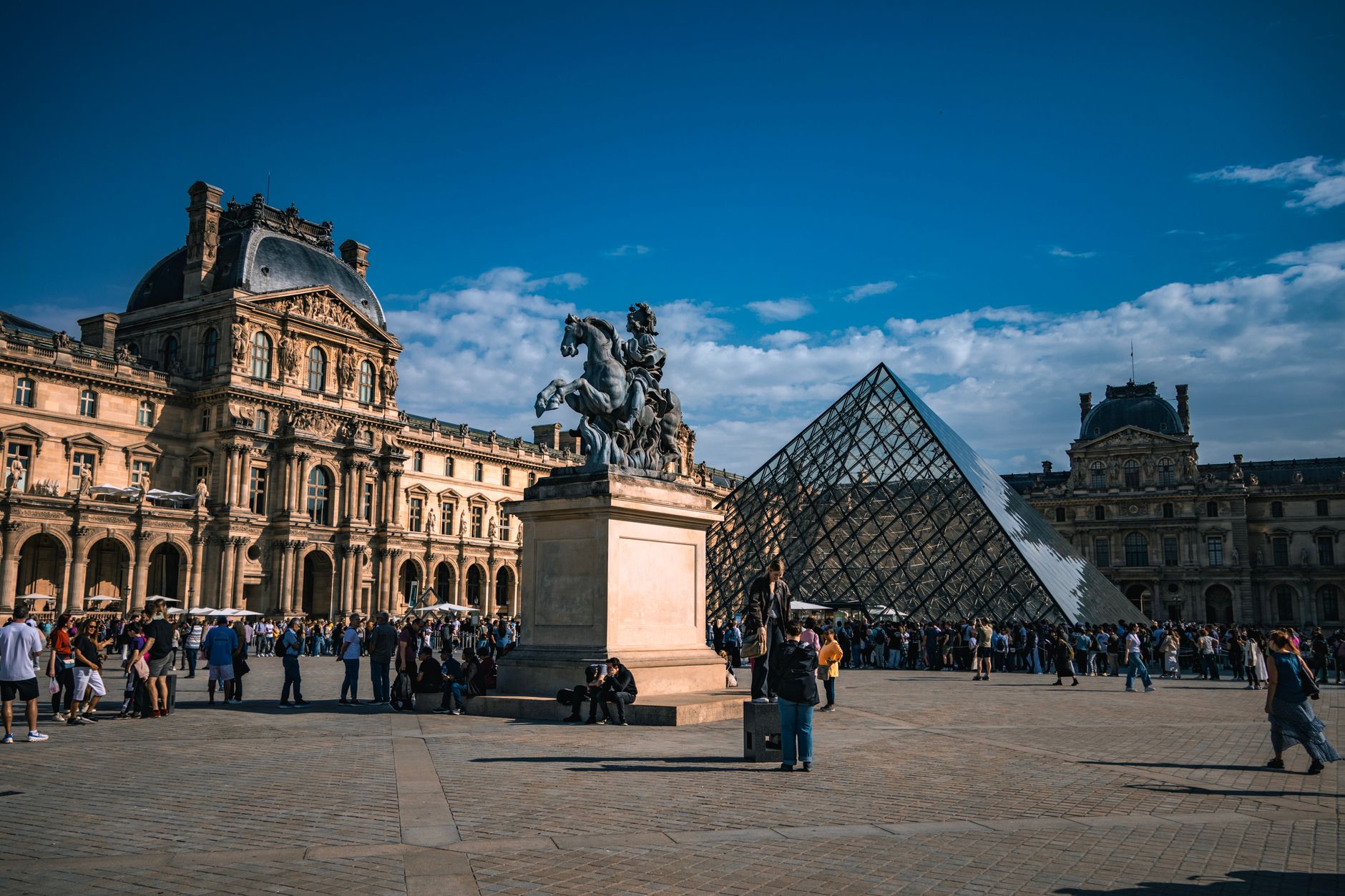
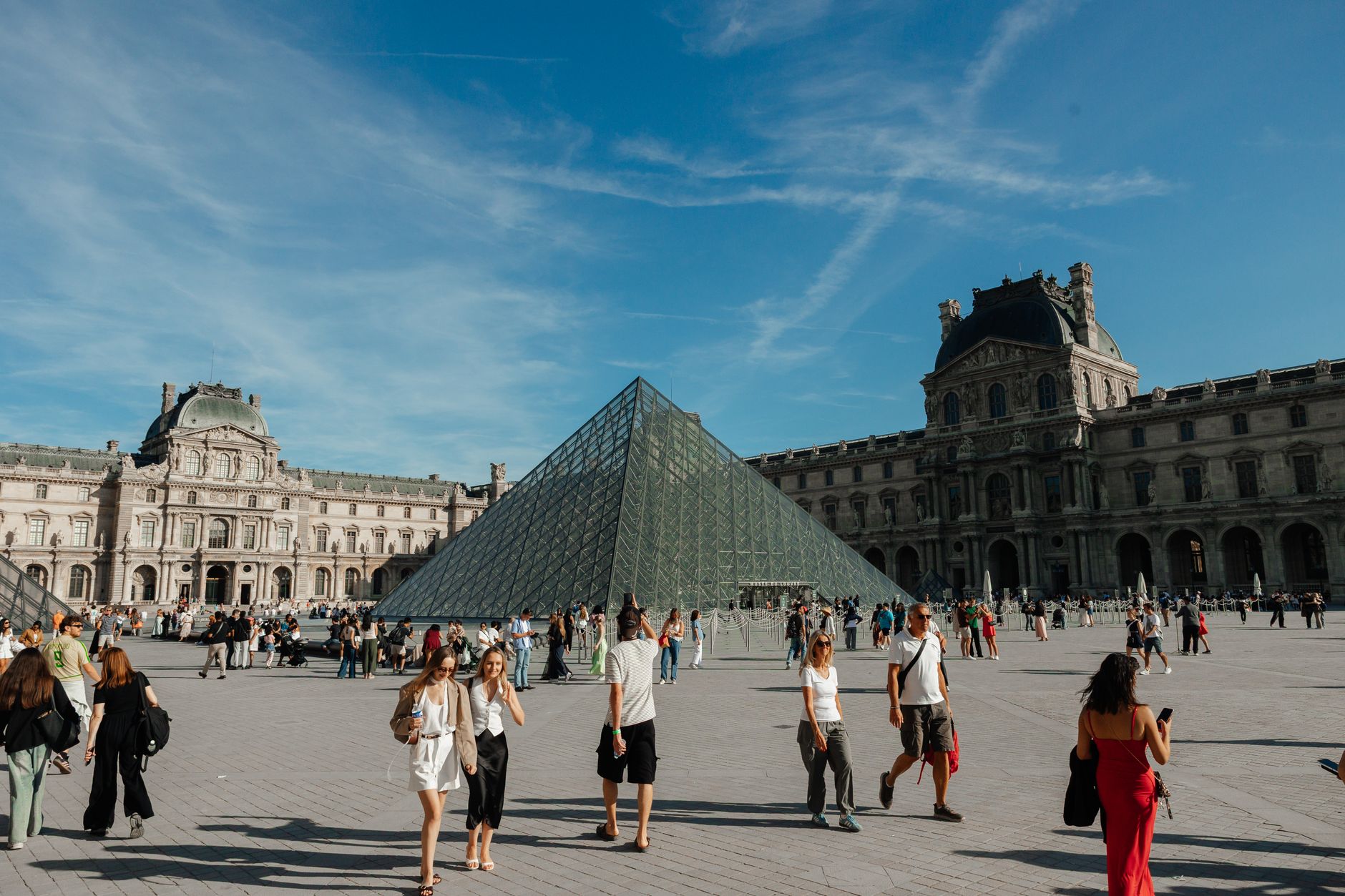
The 8th is where Paris decided to show off. The Arc de Triomphe anchors one end of the Champs-Élysées, the Luxor Obelisk the other, and between them runs a corridor of plane trees, café terraces and flagship stores that has been the city's ceremonial spine since André Le Nôtre first laid it out in 1667. But the arrondissement earns its keep beyond that central axis.
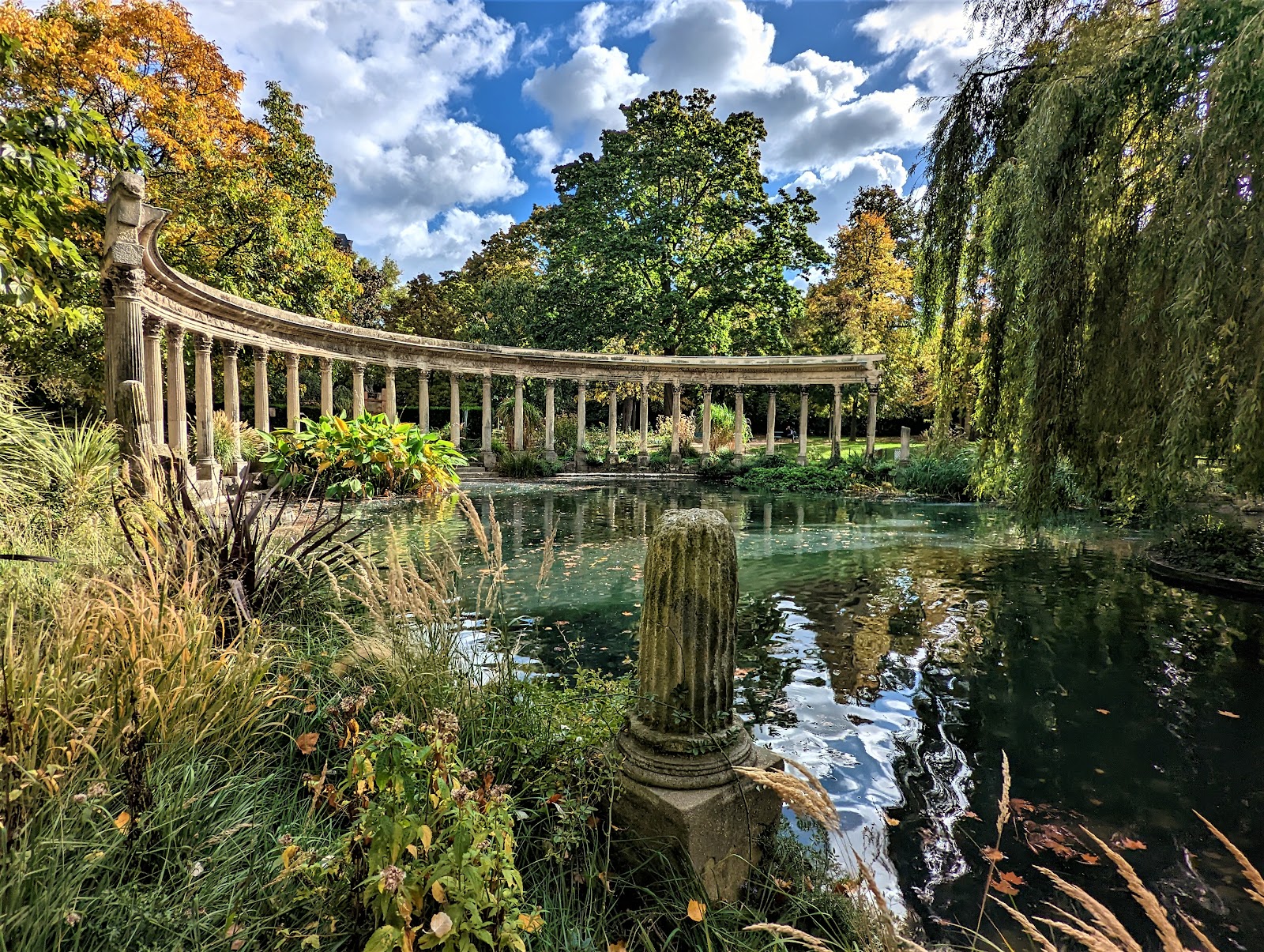
A few streets back from the boulevard, you find the Jacquemart-André mansion, Parc Monceau with its improbable Egyptian pyramid, and the Nissim de Camondo Museum, where the rooms are still set as if the family might return for dinner — though they never did. Scale and intimacy coexist here in a way that rewards wandering.
💛 What travellers fall for
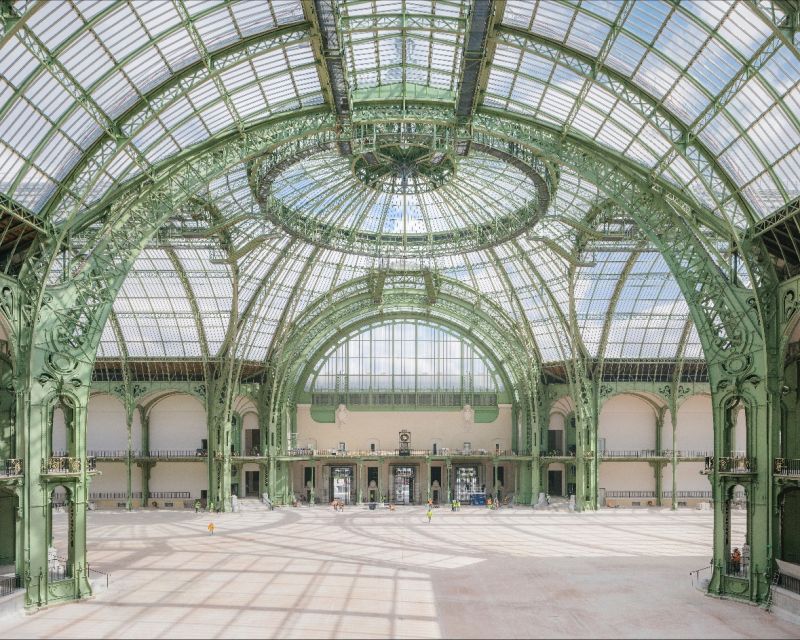
Regulars tend to slip into the 8th via Métro line 1 and walk west from Franklin D. Roosevelt rather than east from Charles de Gaulle-Étoile — the light hits the Grand Palais glass roof better that way. The Hôtel de la Marine on Place de la Concorde, reopened in 2021, is still quiet enough to cross at your own pace.
Deals in Paris 8th Arrondissement
Book directly at the provider


How Paris 8th Arrondissement came to be
The 8th as it looks today is largely the product of Baron Haussmann's 1860 reorganisation of Paris — wide boulevards, uniform stone facades, and parks imposed on a patchwork of older streets. But the bones beneath are older. The Champs-Élysées dates to 1667, Place de la Concorde was already a grand statement before the Revolution, and the Quarter of François I had been taking shape since 1822 in a style that borrowed from both Renaissance and classical sources.
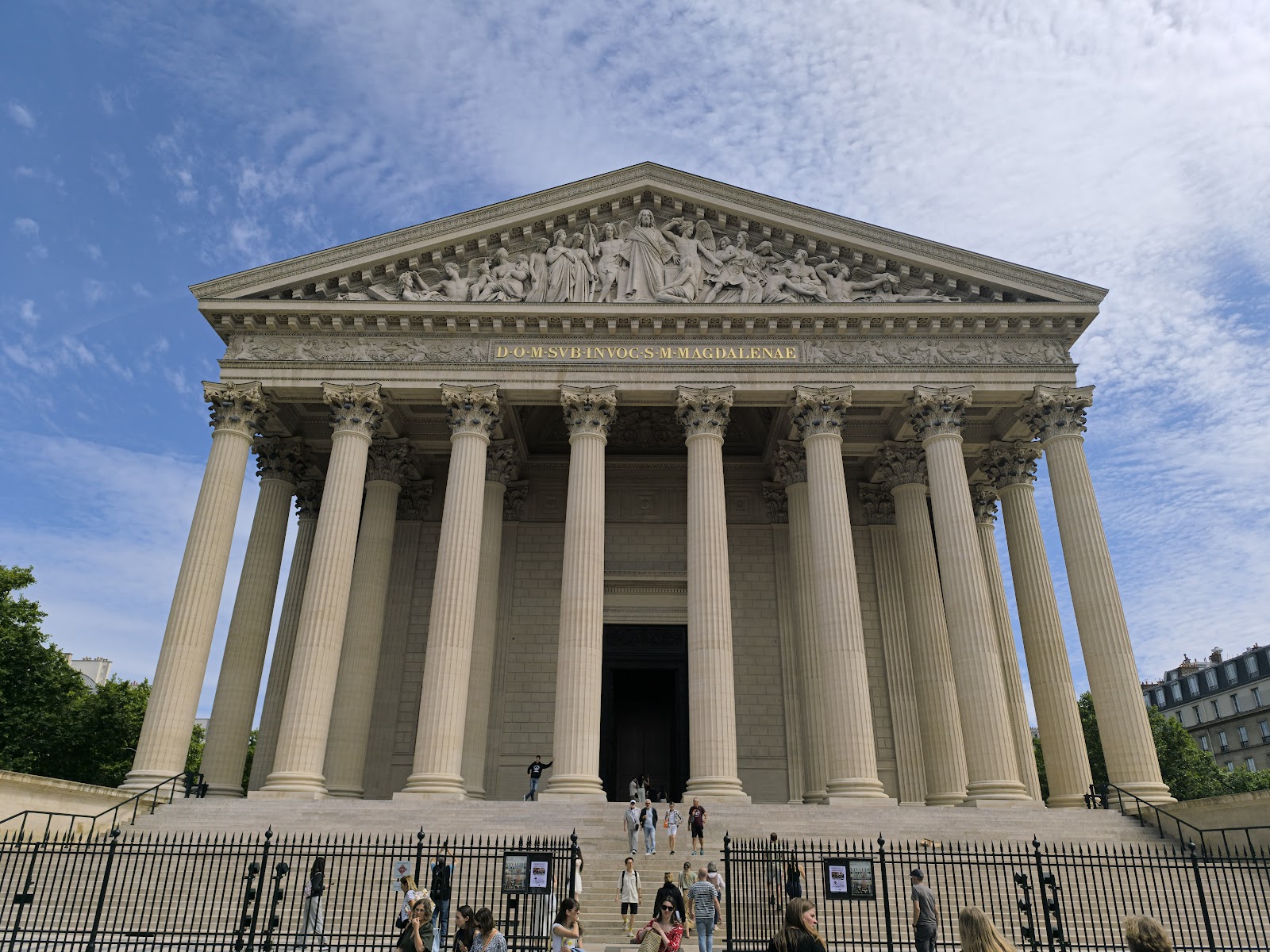
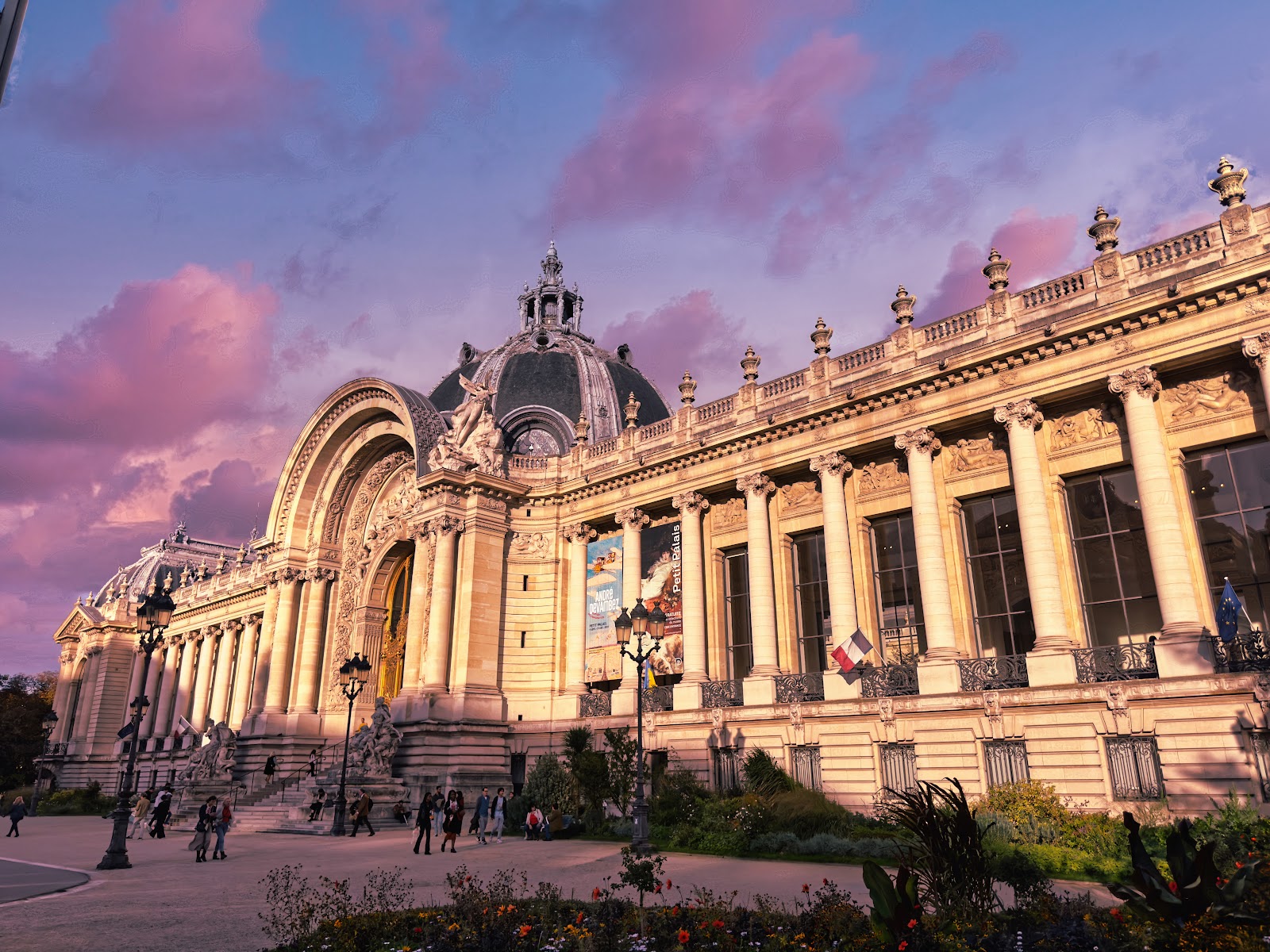
Napoleon commissioned both the Arc de Triomphe and the Église de la Madeleine in 1806, though neither was finished in his lifetime — the church wasn't consecrated until 1845. The Grand Palais and Pont Alexandre III arrived together in 1900 for the Exposition Universelle, giving the arrondissement its current skyline along the Seine.
Who and what shaped it
People who shaped it
Landmark buildings
See Paris 8th Arrondissement in motion
Plan your visit
On the map
When to go
Spring (April–May) and early autumn (September–October) are the most comfortable for walking the long avenues — mild, with light that suits the pale Haussmann stone. July and August bring heat and heavy tourist traffic on the main boulevard; January and February are quiet and cold, with occasional grey weeks that make the glass roof of the Grand Palais genuinely dramatic from inside.
Right now
↡ Attractions
Background & history adapted from Wikipedia (CC BY-SA) · specs from Wikidata (CC0) · weather from Open-Meteo · map data © OpenStreetMap contributors · photos from Wikimedia Commons / Unsplash with per-image credit. No third-party reviews or social posts reproduced.