
Grand Palais
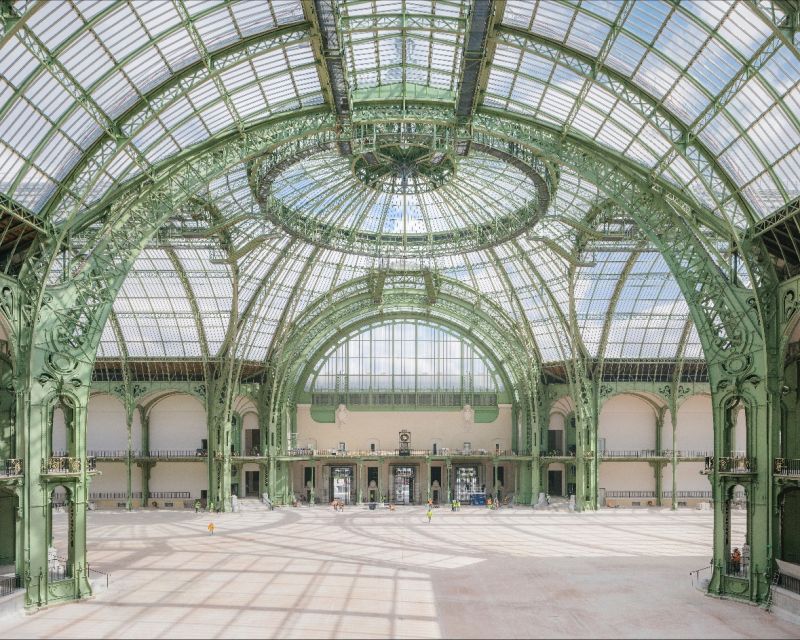
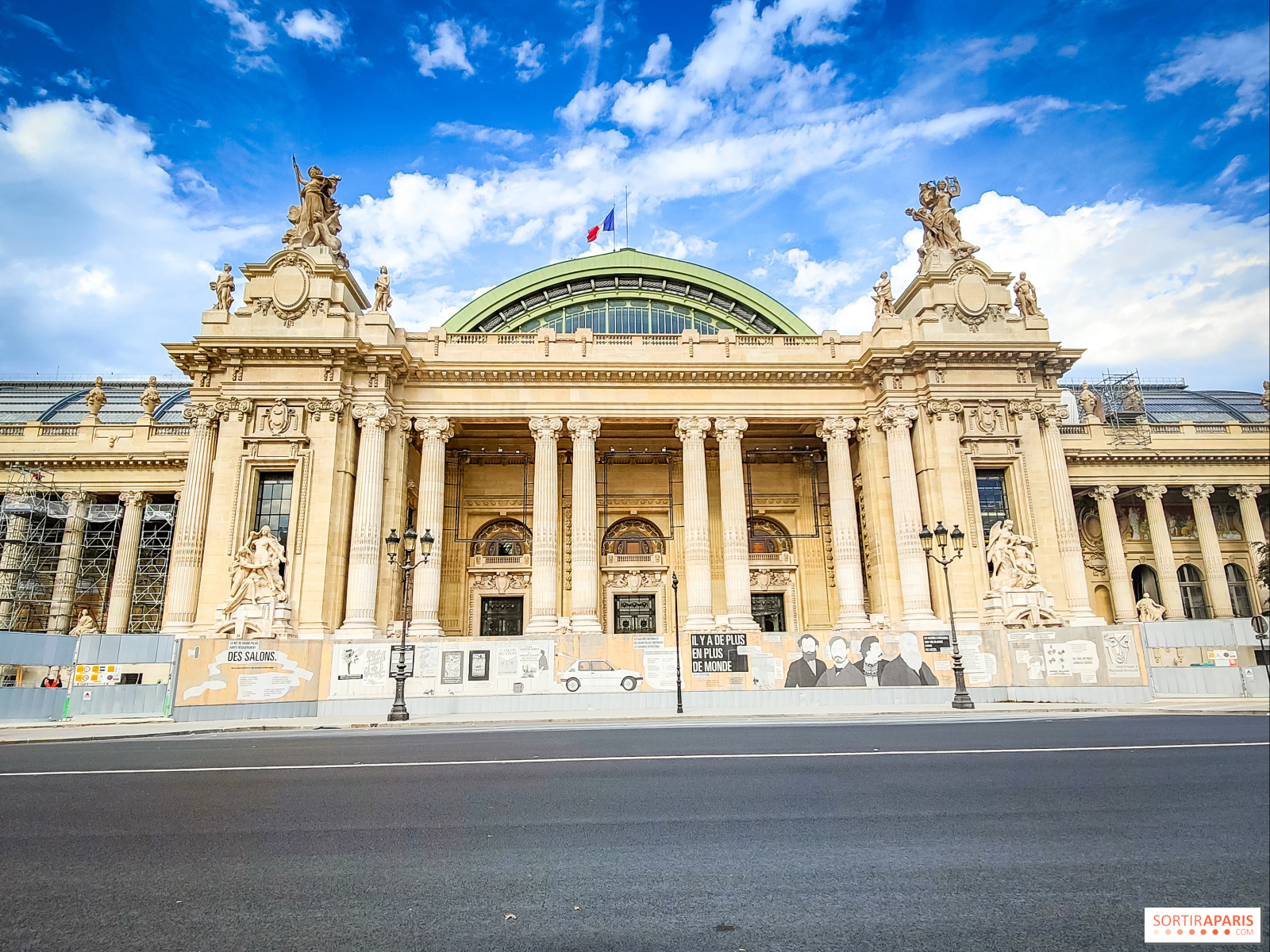
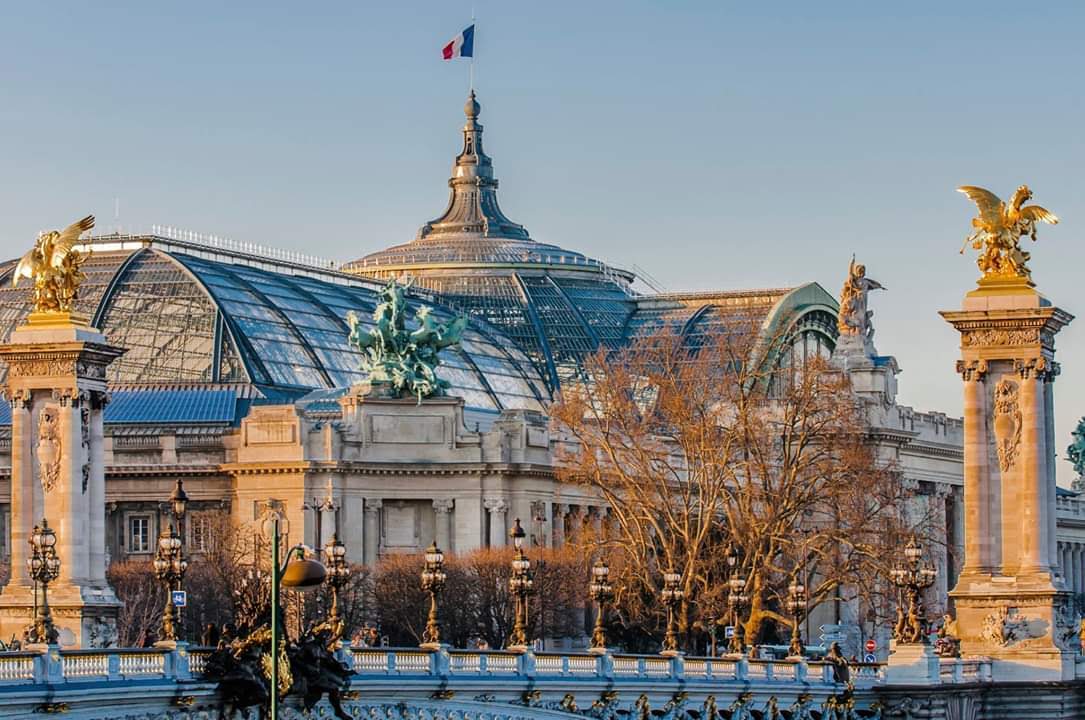
The first thing that stops you is the light. Step into the Grand Palais Nave and you're standing under the largest glass roof in Europe — 45 metres at its peak, spanning 200 metres, held up by 8,500 tons of steel, which is more than the Eiffel Tower required. The iron framework curves in Art Nouveau arabesques while the stone facades outside wear columns, friezes and two bronze quadrigas by Georges Recipon, one side depicting Harmony triumphing over Discord, the other Immortality prevailing over Time.
Built for the 1900 World's Fair and reopened in 2024 after a €466 million overhaul, the Grand Palais carries no permanent collection. What it holds instead is space — and whatever the current exhibition decides to do with it.
💛 What travellers fall for
Regulars book online without exception; the queue outside on a busy Friday evening moves slowly. Friday late opening until 10:30pm is the quieter window that people who know the building tend to choose. After a show, Le Grand Café through the Rotonde Clemenceau stays open until 2am — one of the more civilised facts about Paris.
The story behind Grand Palais
President Sadi Carnot's ambition to host a World's Fair on the scale Paris deserved led to the demolition of the older Palais de l'Industrie in 1896. Four architects divided the work: Henri Deglane took the Nave and galleries, Albert Louvet the intermediate section, Albert Thomas the Palais d'Antin, and Charles Girault coordinated the whole. Construction ran from 1897 to the grand opening on 1 May 1900.
The building survived the 20th century with some turbulence. During the Liberation of Paris in August 1944, German forces fired on it with a tank, igniting hay stored for a circus; the resulting fire caused serious damage over 48 hours. In the 1960s, Le Corbusier proposed demolishing it entirely for a Museum of 20th Century Art — a plan that ended with his death in 1965. The Nave was listed as a historic monument in 1975, and the entire building followed. A four-year, €466 million renovation closed it in March 2021; it reopened for the Paris 2024 Olympics, hosting fencing and taekwondo, before welcoming the public again in October 2024.
Good to know
Closest metro stops are Champs-Élysées – Clemenceau (lines 1 and 13) and Franklin D. Roosevelt (lines 1 and 9). Budget 90 minutes to two hours per exhibition. Tickets run €10–€25; buy online. The Nave entrance at Square Jean Perrin is step-free, with lifts available.
Where is Grand Palais?
Location
- In Paris 8th Arrondissement
- 48.8661, 2.3125
- Open in Google Maps
Rating
4.5 ★ · 29,624 Google reviews
More tickets & tours for Grand Palais
Book directly at the provider
What travellers say about Grand Palais
What a stunning building! We visited for the Matisse exhibition (which I didn't really enjoy) Had to queue up to enter the building for that. Spent more time exploring the Grand Palais building and wished that we could have seen more up close. It's beautiful.
Located right across from the Petit Palais, the Grand Palais is already a fascinating structure with its magnificent glass dome and massive architecture. However, what made it completely unforgettable for me was watching the 2024 Paris Olympic Games here. Witnessing a sports competition inside a historical palace was a terrific experience; the excitement and the atmosphere inside were absolutely wonderful. Feeling the historical texture while experiencing that Olympic spirit in this iconic Parisian building was priceless.
One of my favourite places in Paris. The building is spectacular it self, excellent museum shops and thoughtful exhibitions. It was super easy to buy my ticket online with a timed entry. There was no wait. A must do in Paris. A great place to sit and journal too.
Visiting the Grand Palais was one of those experiences that felt even more impressive in person than in photos. I was immediately struck by the sheer size of the building and the beauty of its glass roof. Walking around, I found myself constantly looking up to admire the intricate architectural details. The mix of history, art, and elegance gave the entire place a unique atmosphere. It felt like a space where Paris’s creativity and grandeur come together in a truly memorable way. I spent more time there than I expected because there was always something new catching my attention. Even after leaving, I kept thinking about the stunning design and how special the building felt compared to other landmarks I visited.
Grand Palais is a surprisingly calm and elegant place to visit. There were far fewer tourists than expected, which made the experience relaxed and unhurried. The atmosphere feels refined rather than crowded, allowing you to appreciate the classic architecture, graceful proportions, and historical details. A beautiful space that invites slow wandering instead of rushing through.
More of Paris 8th Arrondissement
Discover where to stay, what to do and the best deals for your trip.
Explore Paris 8th Arrondissement →More attractions in Paris 8th Arrondissement
All of Paris 8th Arrondissement →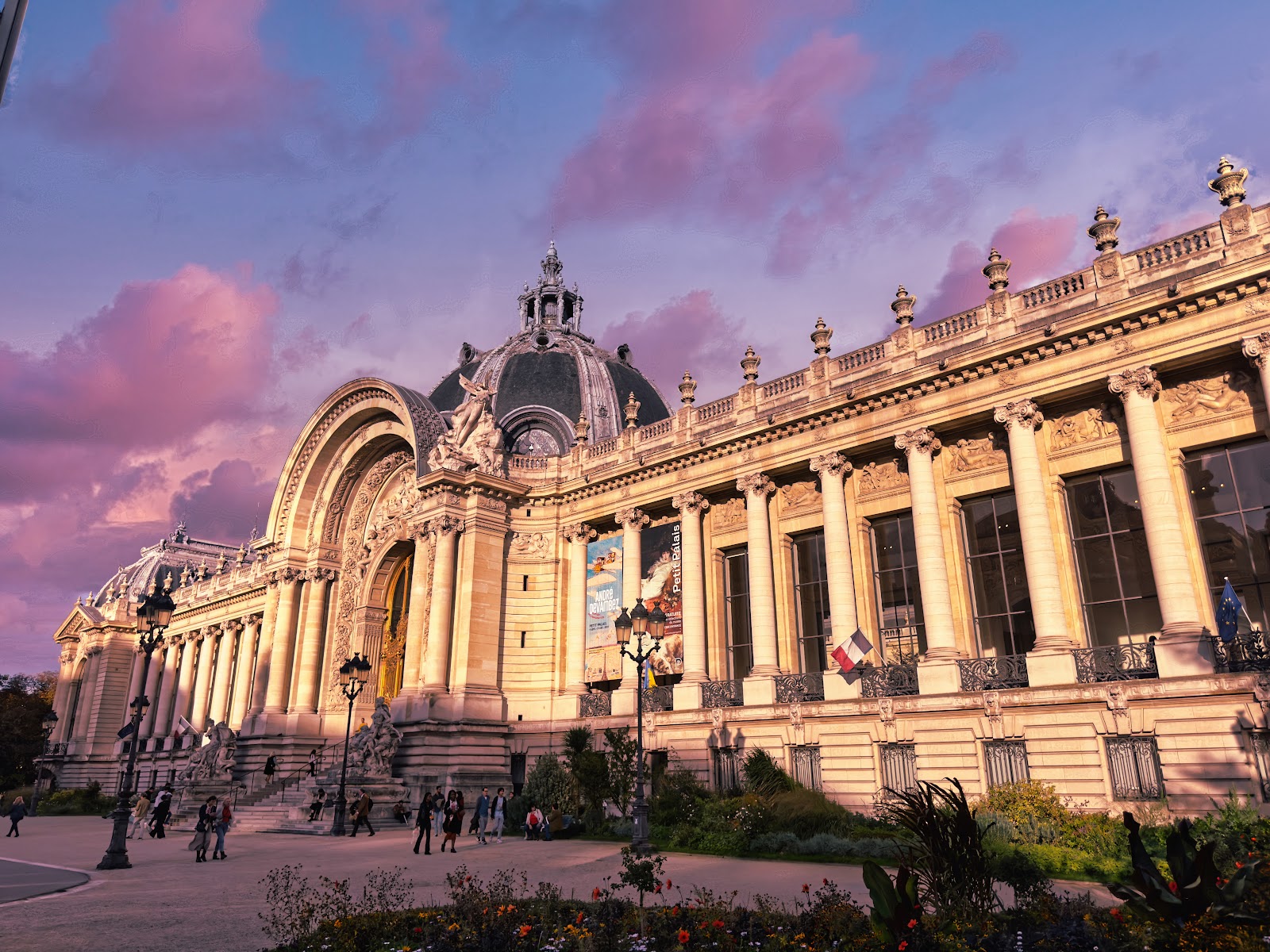
Background adapted from Wikipedia (CC BY-SA) · map data © OpenStreetMap contributors · ratings & place photos via Google · other photos with per-image credit. Ticket links may earn us a commission at no extra cost to you.