
Boulogne-Billancourt
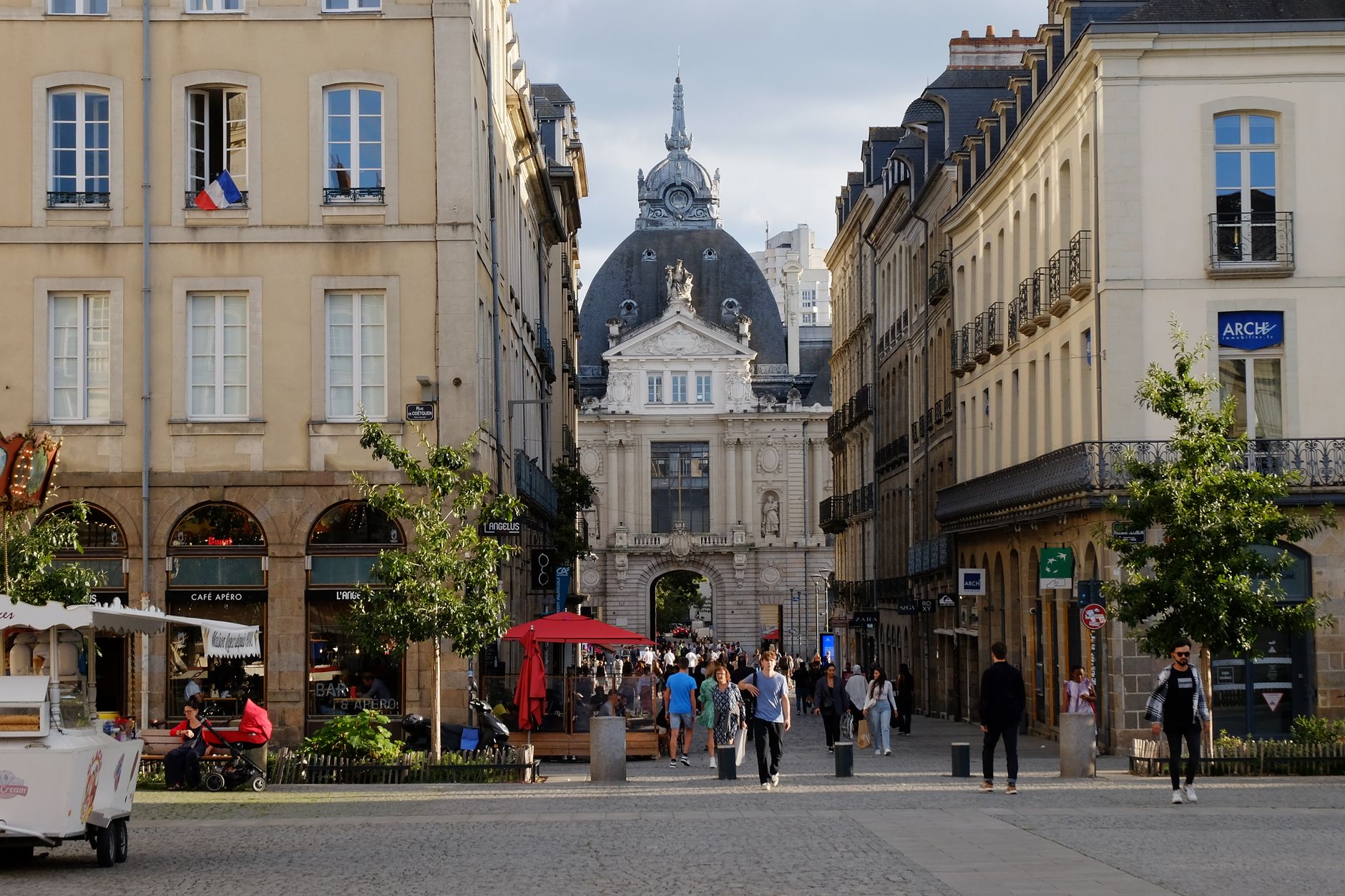
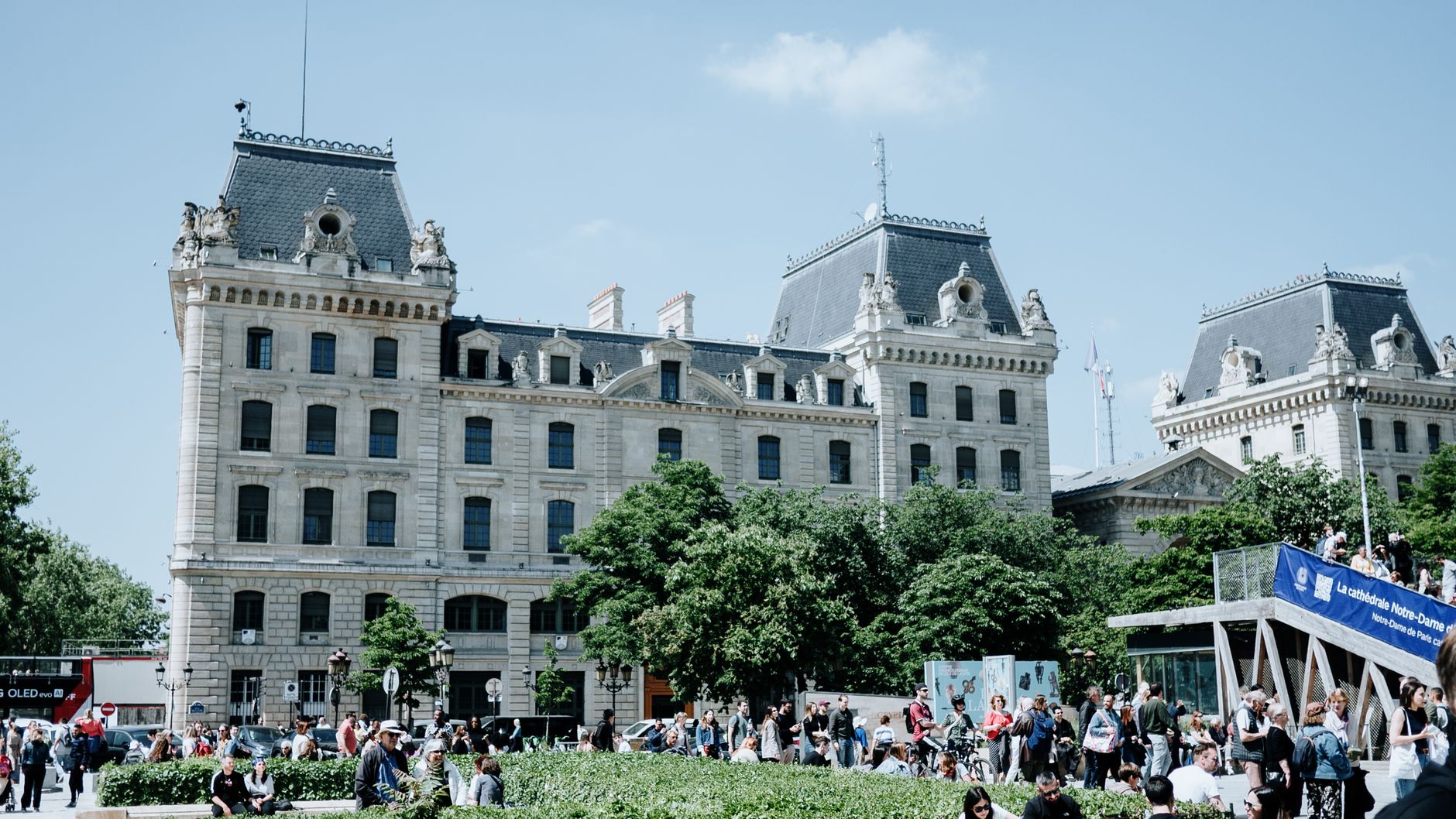
The town hall alone tells you what Boulogne-Billancourt thinks of itself: a Tony Garnier building from 1934, listed as a Historic Monument, its interiors dressed in the confident geometry of the decade that defined this city. Across the Seine from Paris's 16th arrondissement, Boulogne-Billancourt spent the early twentieth century as the workshop of French modernity — Renault cars rolling off the Billancourt island, film reels leaving the studios at Quai du Point du Jour, Le Corbusier drawing plans in a city that attracted people who wanted to make things.
Today the Renault factory is gone, replaced by the Trapèze ecological district and La Seine Musicale's sail-shaped auditorium on the Île Seguin. The city has shifted from manufacturing to culture and architecture, but the habit of building seriously has stayed.
💛 What travellers fall for
People who come back tend to spend a morning at the Musée Albert-Kahn before the tour groups arrive — four hectares of gardens arranged in Japanese, English and French styles, attached to a photography archive that most Parisians have never visited. The Rothschild Castle ruins in their public park make for an unusually melancholy afternoon walk.
Experiences you don't want to miss




Deals in Boulogne-Billancourt
Book directly at the provider


How Boulogne-Billancourt came to be
The area's name reaches back to 1150, when Billancourt was recorded as Bullencort — from a Germanic personal name meaning 'friend' or 'kinsman' joined to the Latin word for 'estate'. The town's other half came from a church: in the early fourteenth century, Philip IV of France ordered a chapel dedicated to Our Lady of Boulogne-sur-Mer, and the pilgrimage site that grew around it gave the upper town its name.
The industrial chapter opened in 1860, when Paris reorganised its boundaries and Boulogne-sur-Seine absorbed the Billancourt district from the dissolved commune of Auteuil. The city was renamed Boulogne-Billancourt in 1924, by which point the Billancourt studios had opened (1922) and Étienne-Jules Marey had already invented his chronophotographic gun here four decades earlier — a device that captured birds in flight as sequential images and laid technical groundwork for cinema itself.
Who and what shaped it
People who shaped it
Landmark buildings
See Boulogne-Billancourt in motion
Plan your visit
On the map
When to go
Boulogne-Billancourt follows greater Paris's temperate rhythm: mild and sometimes grey from November through March, warmest and longest-daylit from June to August, with September and October offering settled weather and quieter streets. The gardens at Albert-Kahn and the Rothschild park read differently in each season, so there is no single wrong time.
Right now
Background & history adapted from Wikipedia (CC BY-SA) · specs from Wikidata (CC0) · weather from Open-Meteo · map data © OpenStreetMap contributors · photos from Wikimedia Commons / Unsplash with per-image credit. No third-party reviews or social posts reproduced.