
Paris 1st Arrondissement
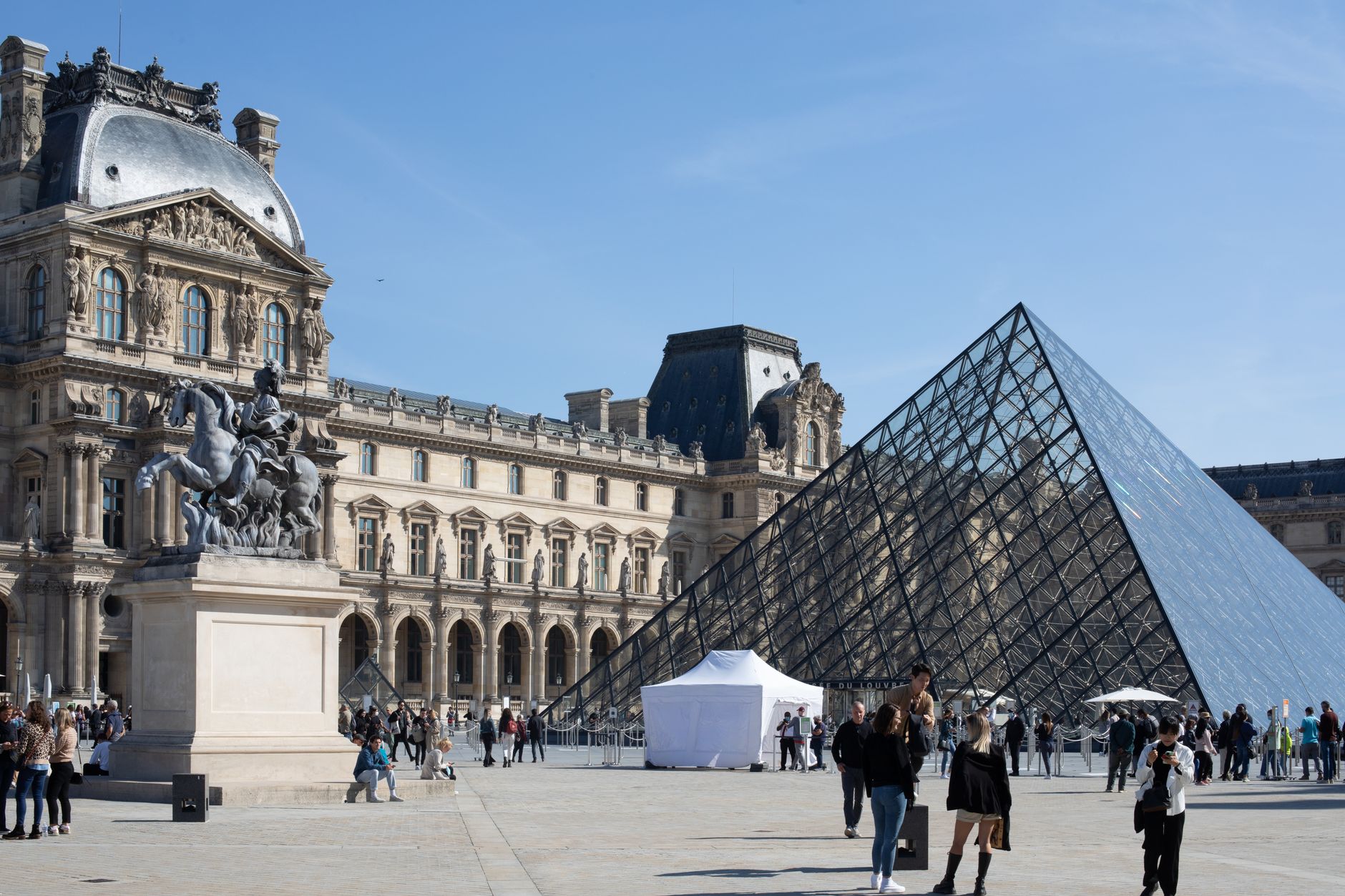
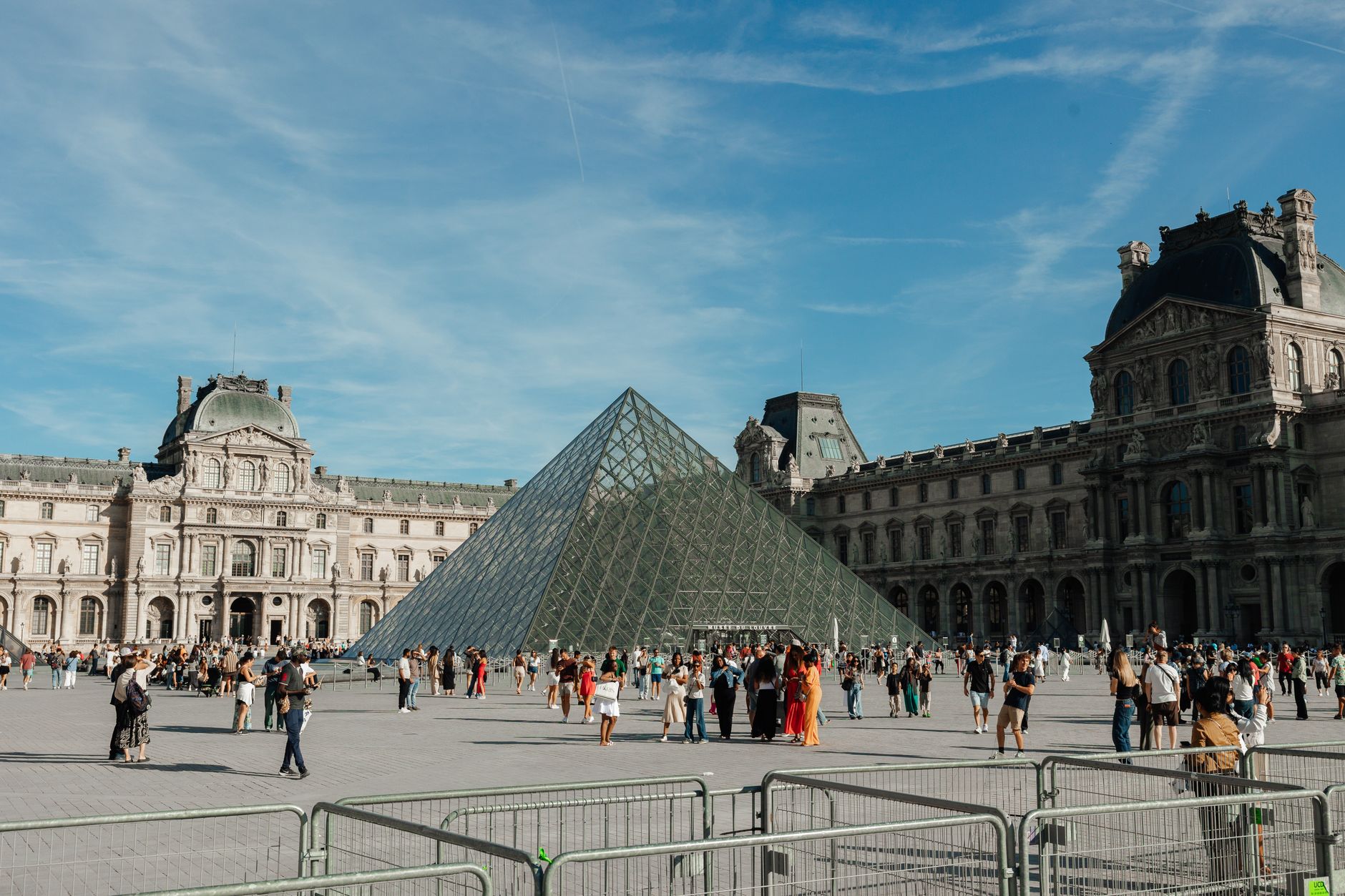
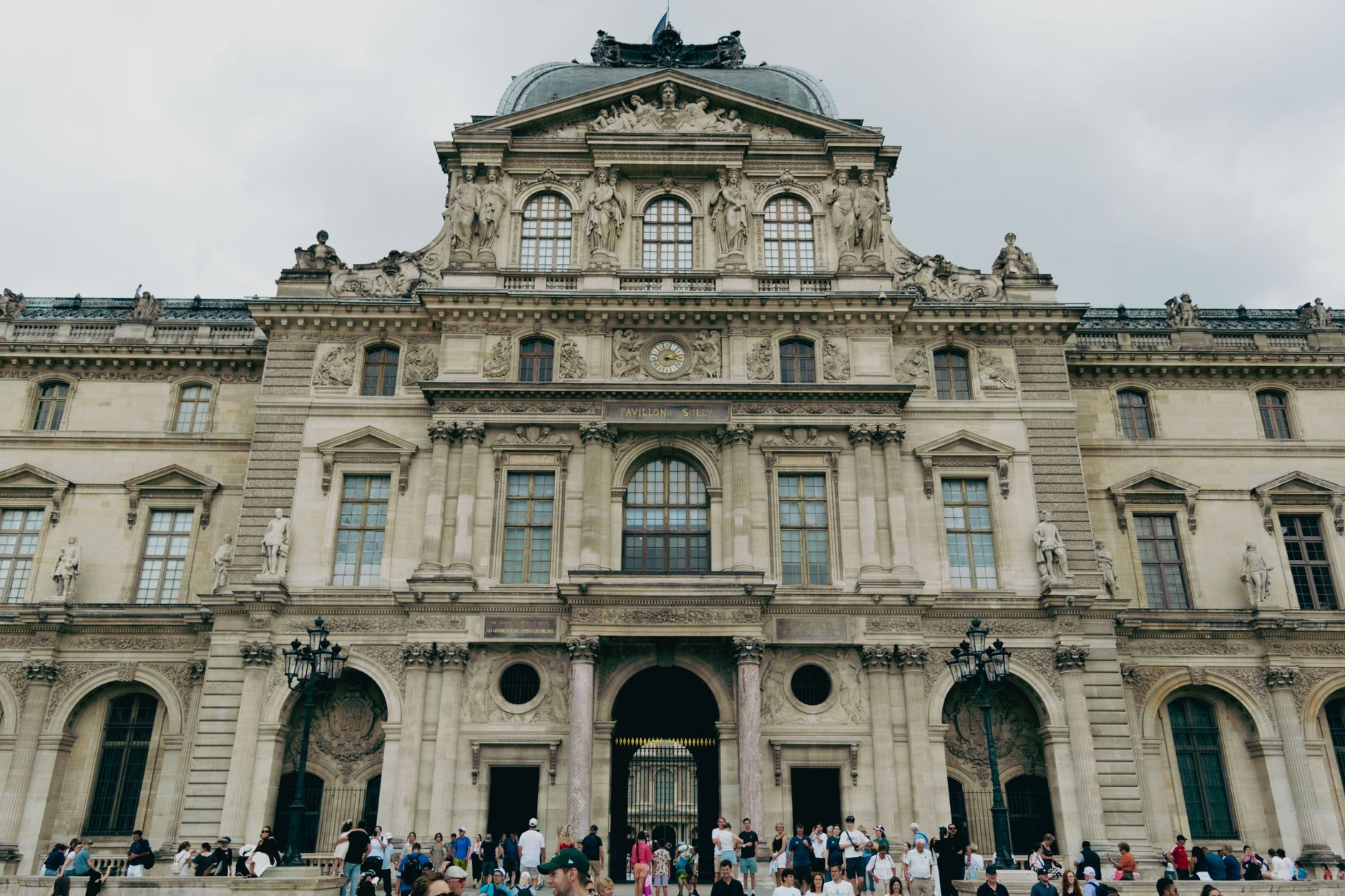
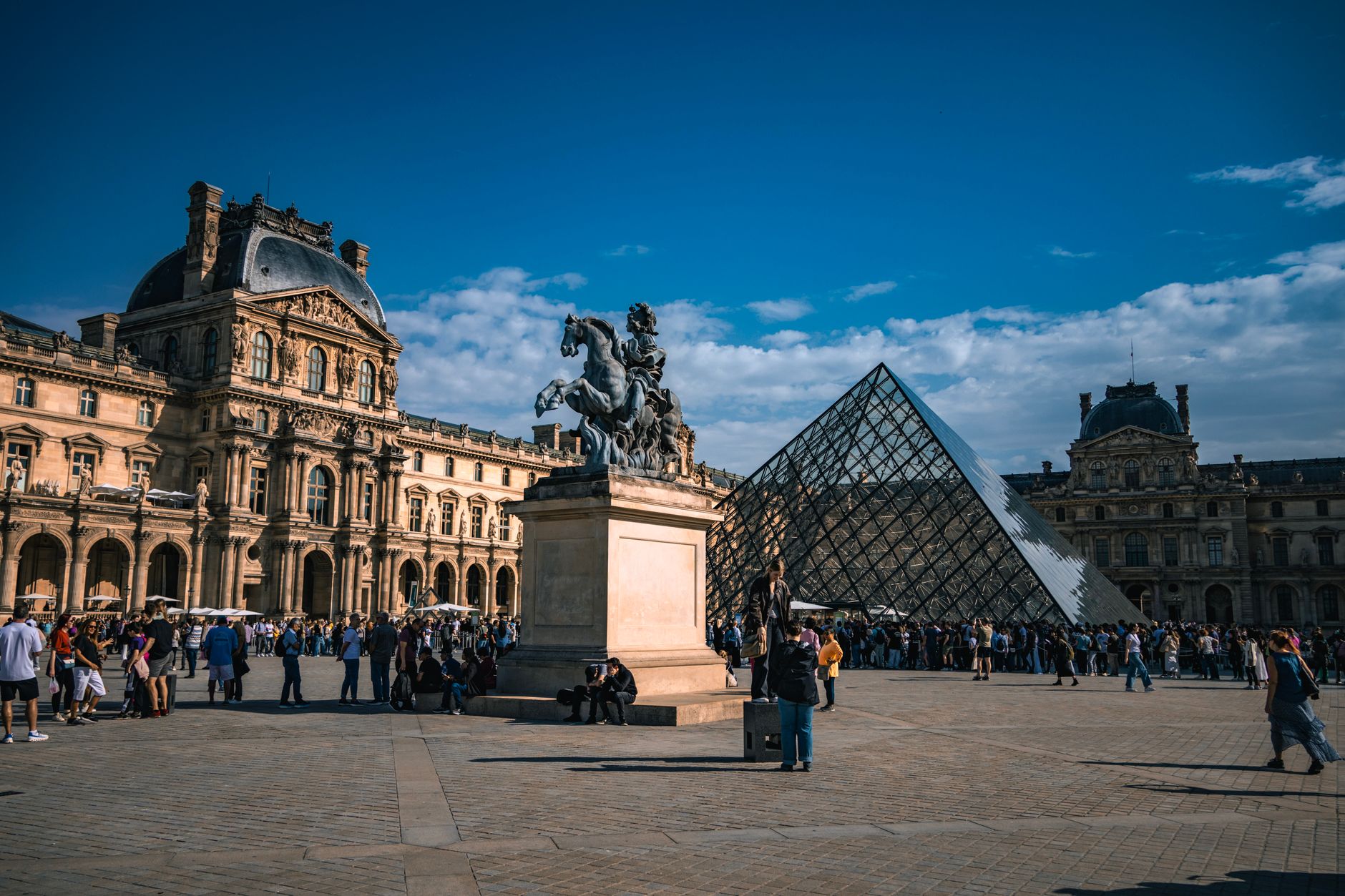
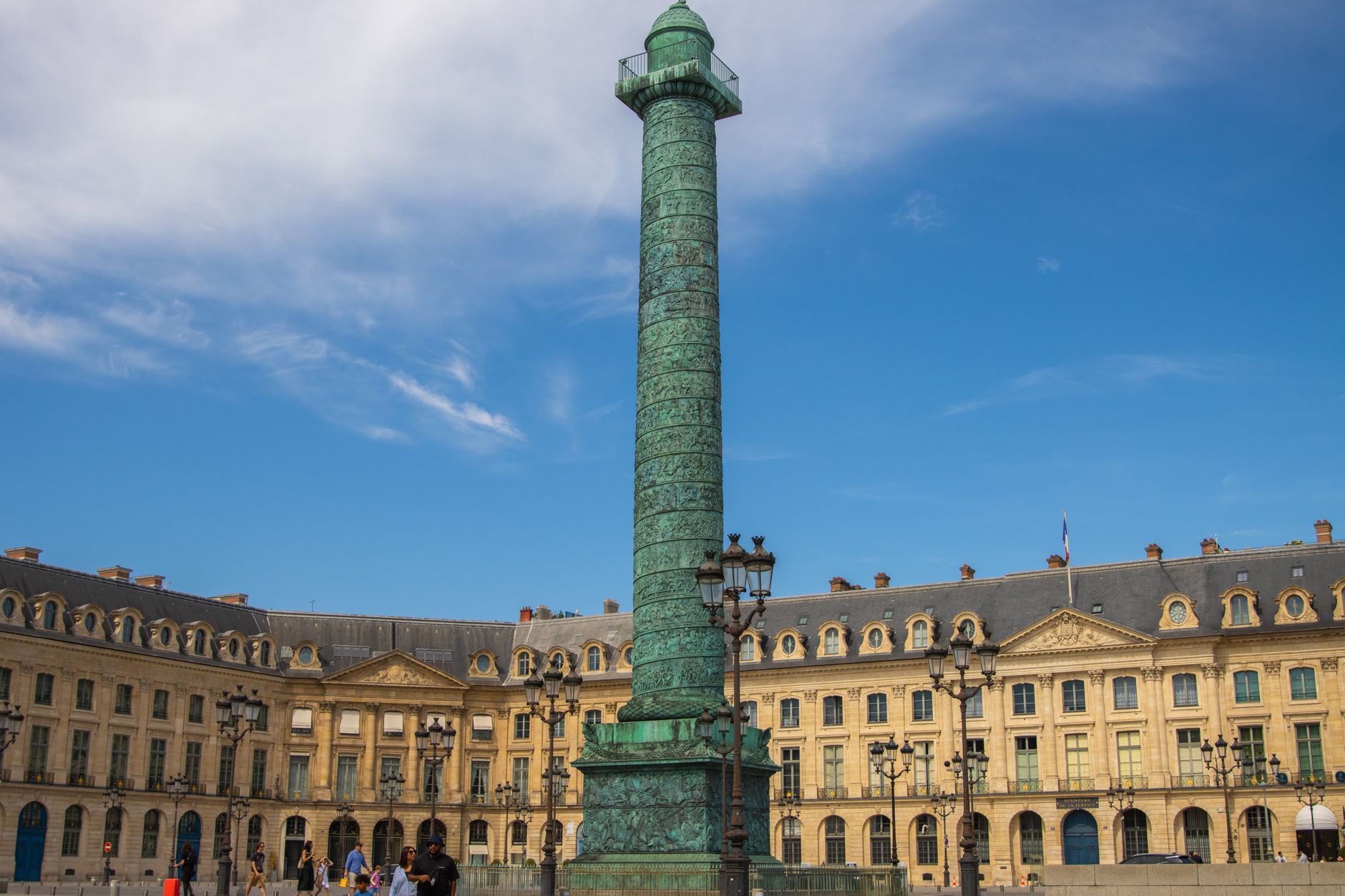
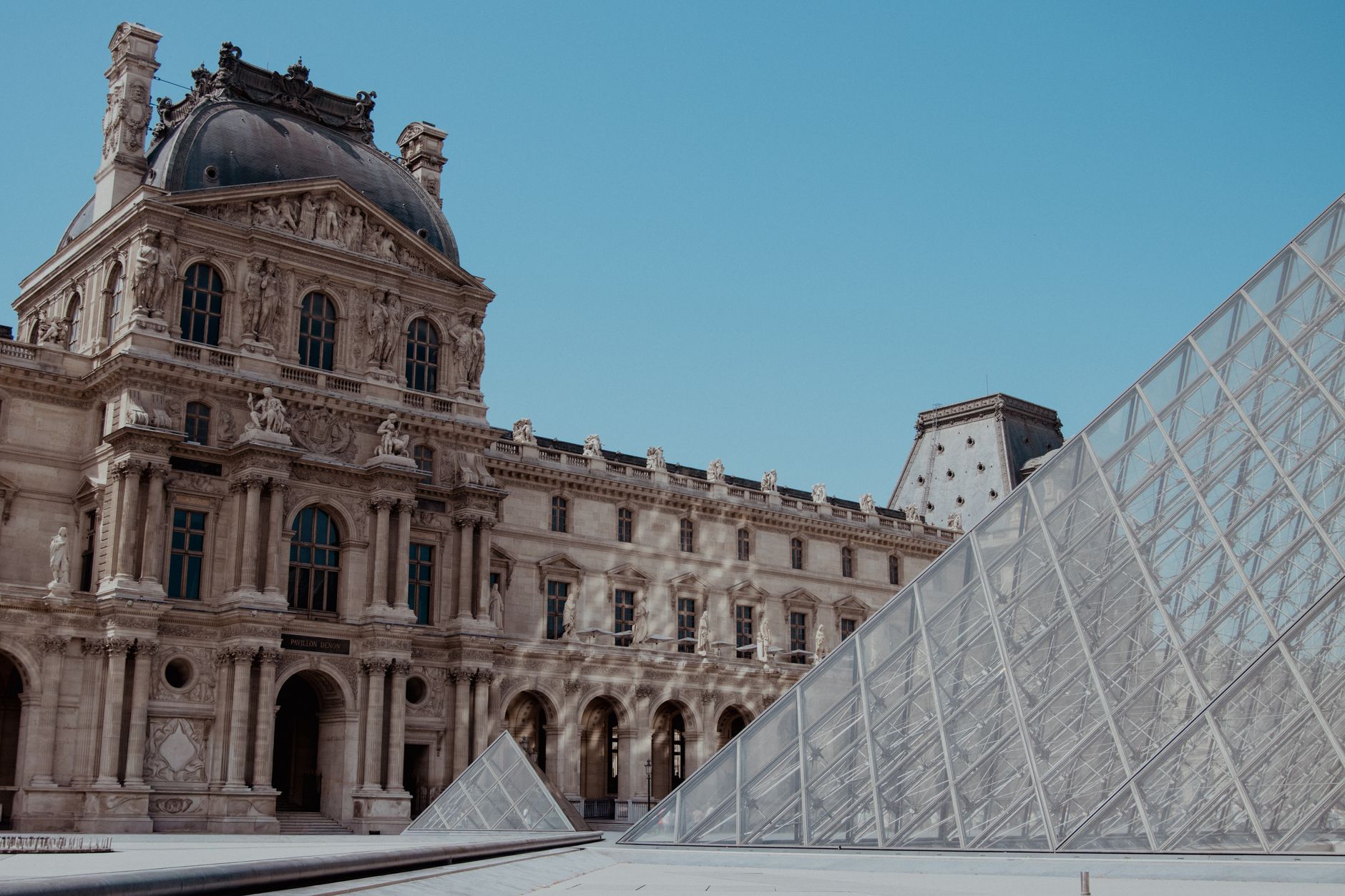
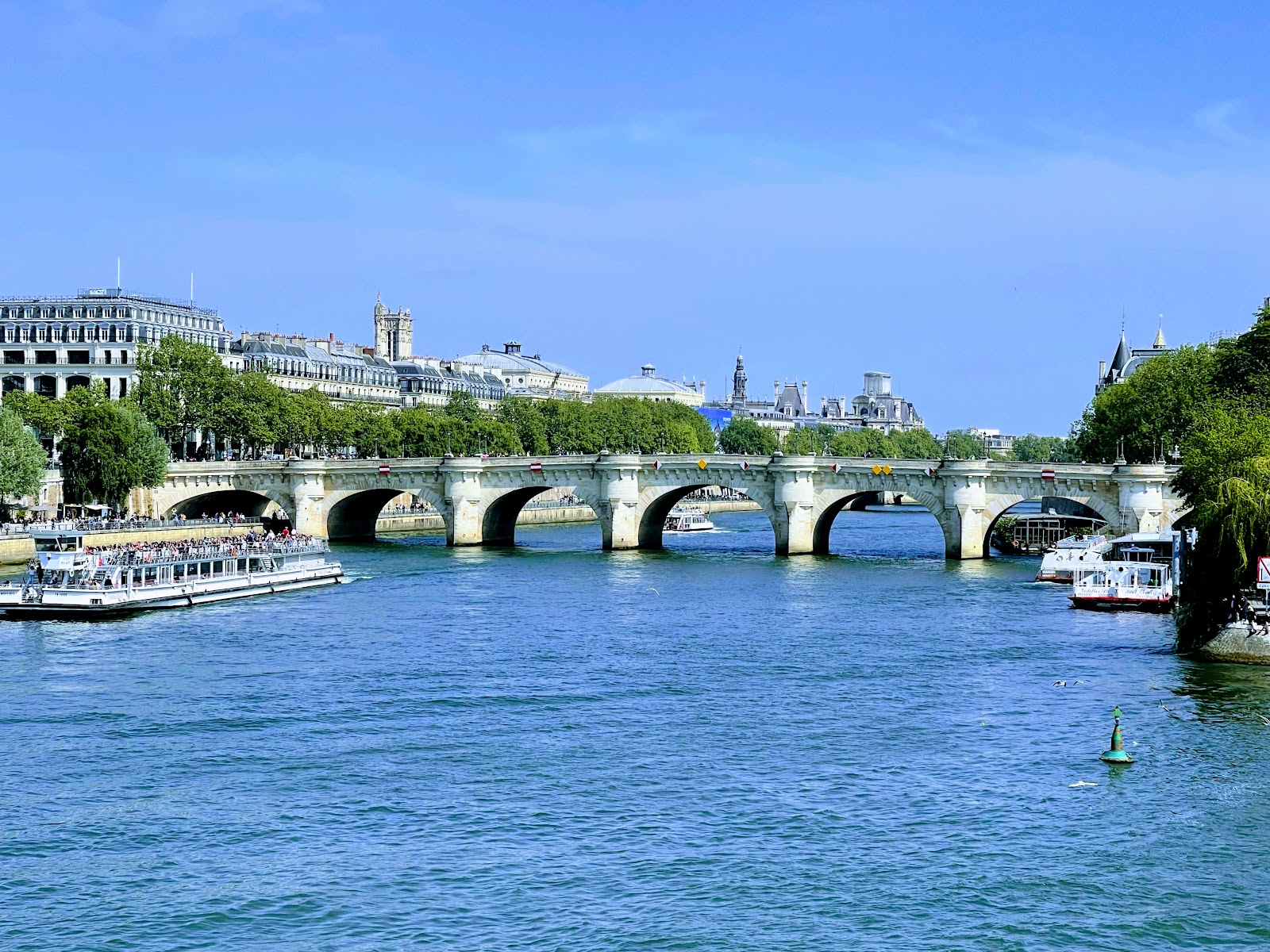
The 1st arrondissement is where Paris keeps its oldest arguments with itself — a Roman island, a medieval fortress turned into the world's most visited museum, a royal chapel whose stained glass turns afternoon light into something else entirely. The Seine wraps around the Île de la Cité here, and Pont Neuf, the city's oldest standing bridge, has been crossing it since the 16th century.
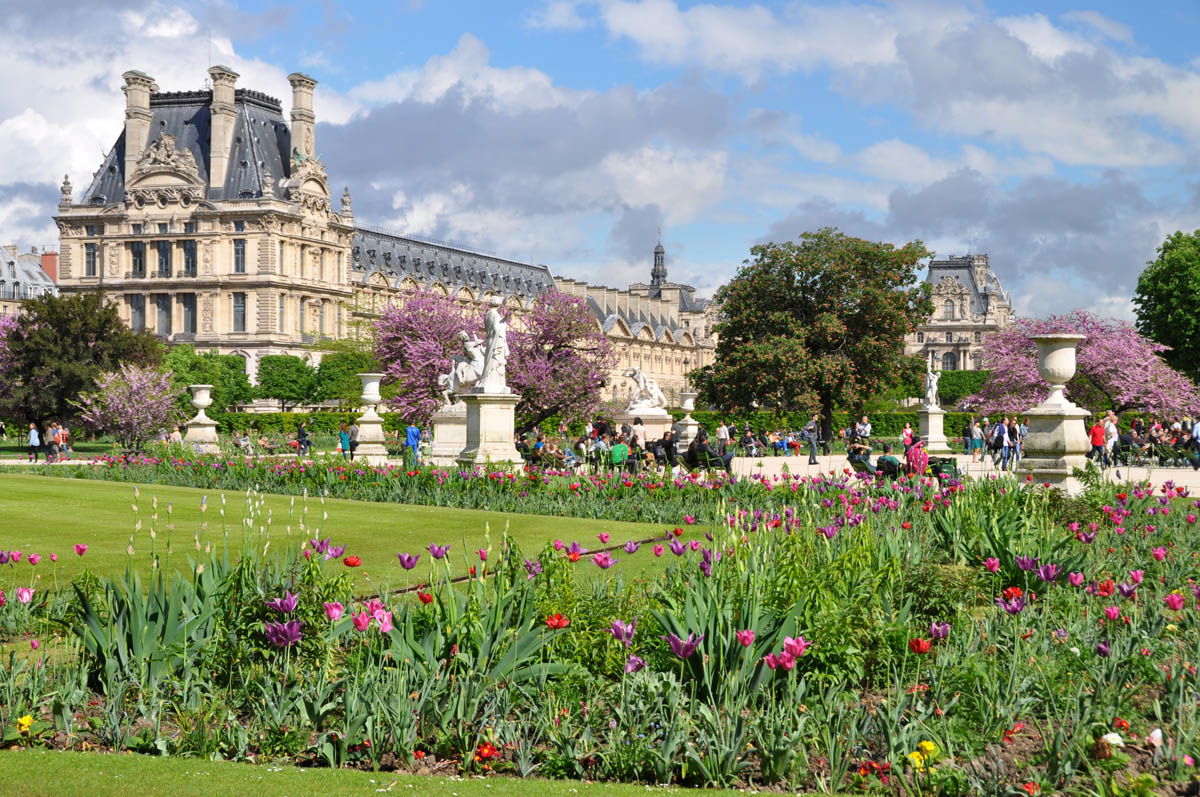
This is also, quietly, a neighbourhood. The Palais Royal gardens fill with locals reading on benches. The arcaded Galerie Véro-Dodat, built in 1826, still smells faintly of old wood. Place Dauphine, laid out in 1614, is one of the more peaceful triangles in any capital city.
💛 What travellers fall for
People who keep coming back tend to time the Sainte-Chapelle for a clear morning — the upper chapel's stained glass needs sun to do its work. The Palais Royal gardens are the standing answer to Louvre fatigue: free, calm, and full of the Buren columns that divided Paris when Mitterrand commissioned them and now feel entirely at home.
Deals in Paris 1st Arrondissement
Book directly at the provider

How Paris 1st Arrondissement came to be
The Île de la Cité was already the core of Lutetia when the Romans took it in 52 BC, and the right bank around Les Halles was settled through the early Middle Ages. Philip II built the first Louvre around 1190 — not a palace but a fortress to hold the royal treasury while he left for the Crusades. Catherine de Medici began the Palais des Tuileries in 1564, a short walk away. The church of Saint-Eustache took a full century to build, from 1532 to 1633.
The arrondissement's modern shape came from the law of June 16, 1859, which reorganised Paris's administrative districts. The old market halls at Les Halles were demolished in 1971 and replaced by the Forum des Halles. More recently, the Bourse de Commerce was transformed by architect Tadao Ando into a home for the Pinault Collection, and La Samaritaine reopened after renovation in 2021.
Who and what shaped it
People who shaped it
Landmark buildings
See Paris 1st Arrondissement in motion
Plan your visit
On the map
When to go
Spring and early autumn are the most comfortable seasons — mild enough to walk the Tuileries gardens without a coat, but without the summer crowds that pack the Louvre queues. Winter is cold and grey but the light inside Sainte-Chapelle doesn't care about the season.
Right now
↡ Attractions
Background & history adapted from Wikipedia (CC BY-SA) · specs from Wikidata (CC0) · weather from Open-Meteo · map data © OpenStreetMap contributors · photos from Wikimedia Commons / Unsplash with per-image credit. No third-party reviews or social posts reproduced.