
Tuileries Garden
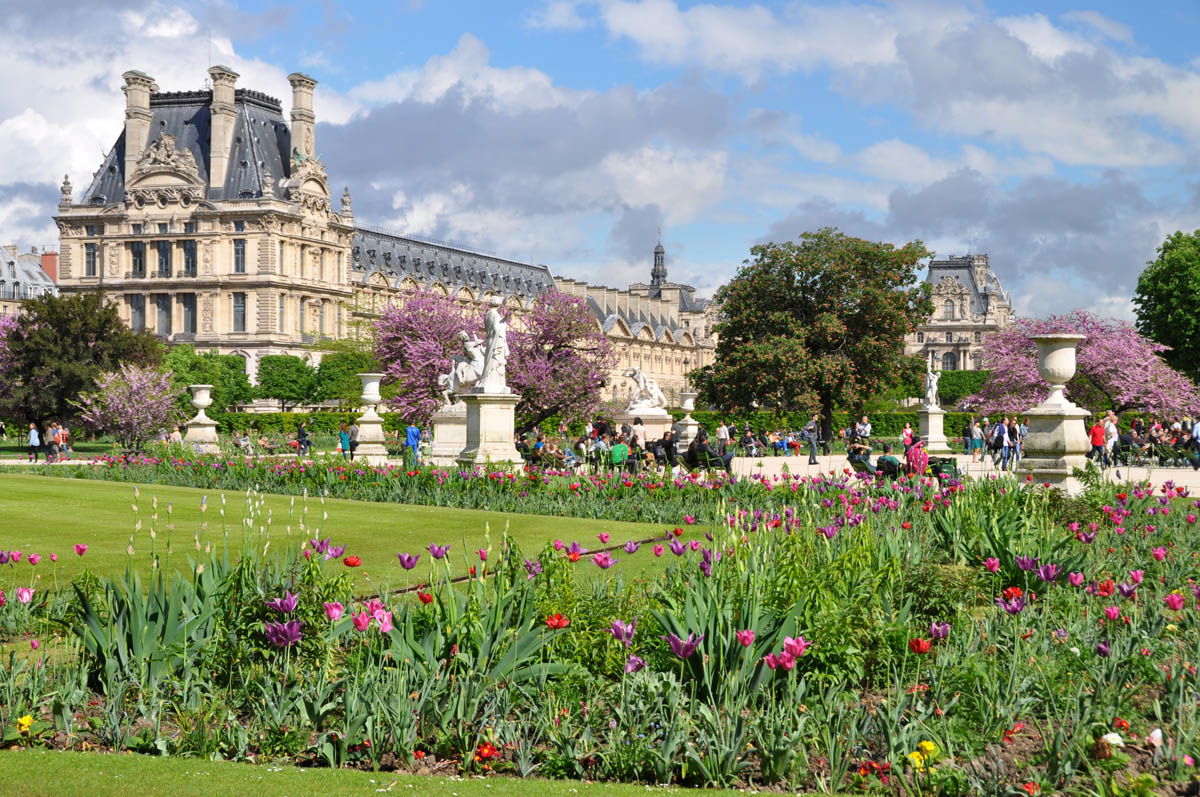
The Tuileries Garden runs for nearly a kilometre between the Louvre and the Place de la Concorde, its Grande Allée lined with clipped trees and gravel that crunches under every footstep. At its centre, the octagonal Grand Bassin reflects whatever sky Paris is offering that day — grey or gold, it draws people to its edge.
At 25.5 hectares, this is a working public garden in the truest sense: office workers eat lunch on the green metal chairs, children sail model boats on the round pool, and the two museums tucked at its corners — the Orangerie and the Jeu de Paume — give you a reason to slow down rather than simply cross through.
💛 What travellers fall for
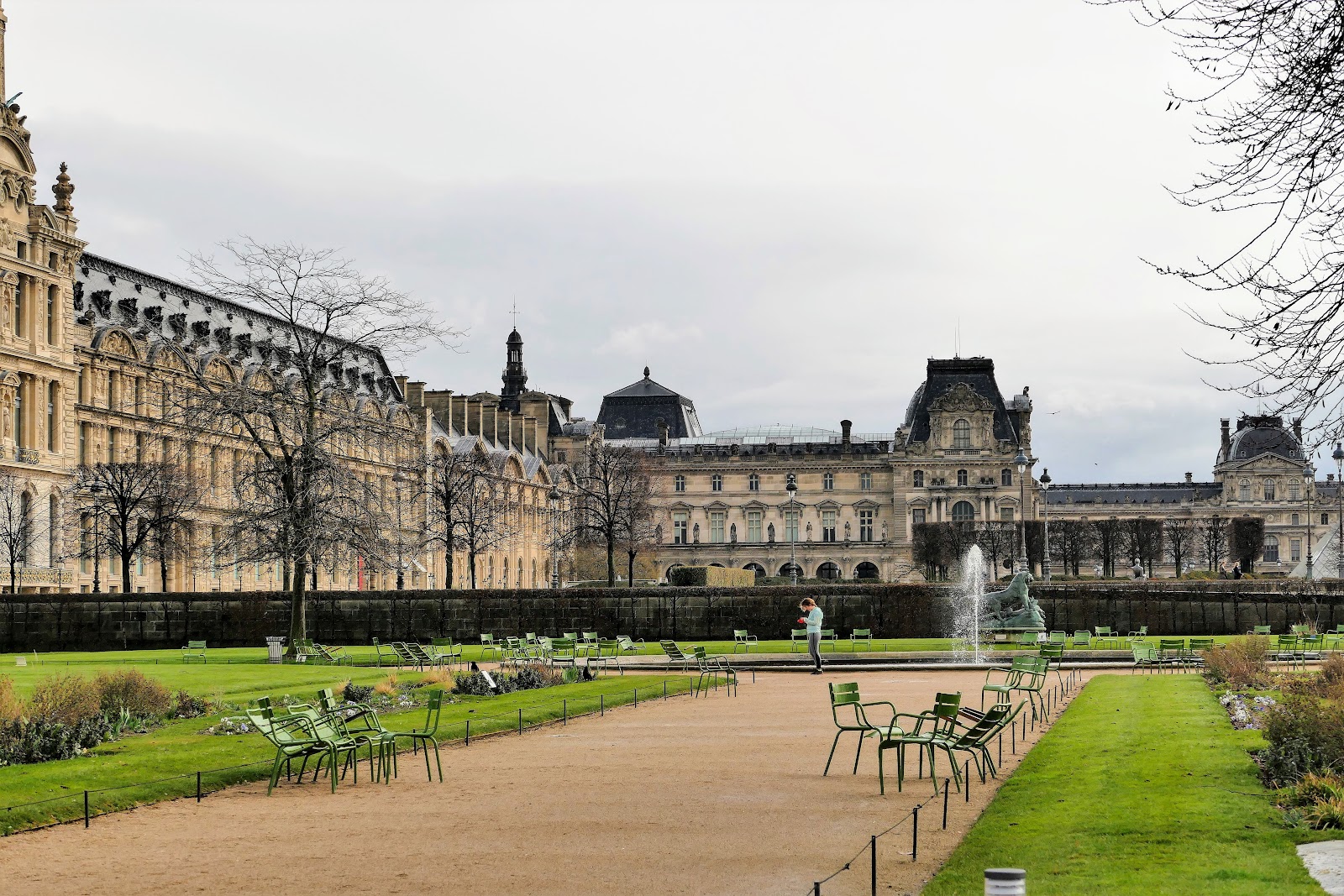
Those who come back tend to arrive early, before the crowds form along the central allée. The green chairs around the Grand Bassin are first-come, first-served and worth claiming. On a return visit, the Arc de Triomphe du Carrousel at the Louvre end rewards a slow look — its scale surprises people who only glanced at it before.
The story behind Tuileries Garden
Catherine de' Medici commissioned this garden in 1564, bringing Florentine landscape architect Bernard de Carnesse from Italy to lay out an Italian Renaissance garden beside her new palace. A century later, André Le Nôtre — whose grandfather had been one of Catherine's own gardeners — was engaged to reshape it entirely. Working from 1666 to 1672, he imposed the formal French geometry still visible today: the long central axis, the terraces, the ornamental basins.
In 1667, at the urging of Charles Perrault, it became the first royal garden opened to the public — though beggars, soldiers and lackeys were turned away. The Revolution brought Louis XVI here under guard in 1789. The Tuileries Palace itself burned during the Paris Commune, stood as a ruin for eleven years, and was demolished in 1882, leaving the garden to become what it is now: the space between two of the world's great museums, and one of Paris's most used patches of ground.
Good to know
Metro line 1 to Tuileries is the most direct stop. The garden is free and open daily — closing at 11 pm in summer, 7:30 pm in winter. The Orangerie and Jeu de Paume require separate tickets; book ahead. A brisk walk end-to-end takes 15–20 minutes, but that's not really the point.
Spring and early autumn are the most comfortable seasons — mild temperatures and the trees in leaf without summer's full crowds. July and August bring heat and long queues near the garden's edges; the extended evening hours (until 11 pm in summer) make late afternoon the better time to visit.
Where is Tuileries Garden?
Location
- In Paris 1st Arrondissement
- 48.8634, 2.3274
- Open in Google Maps
Rating
4.6 ★ · 118,410 Google reviews
More tickets & tours for Tuileries Garden
Book directly at the provider
What travellers say about Tuileries Garden
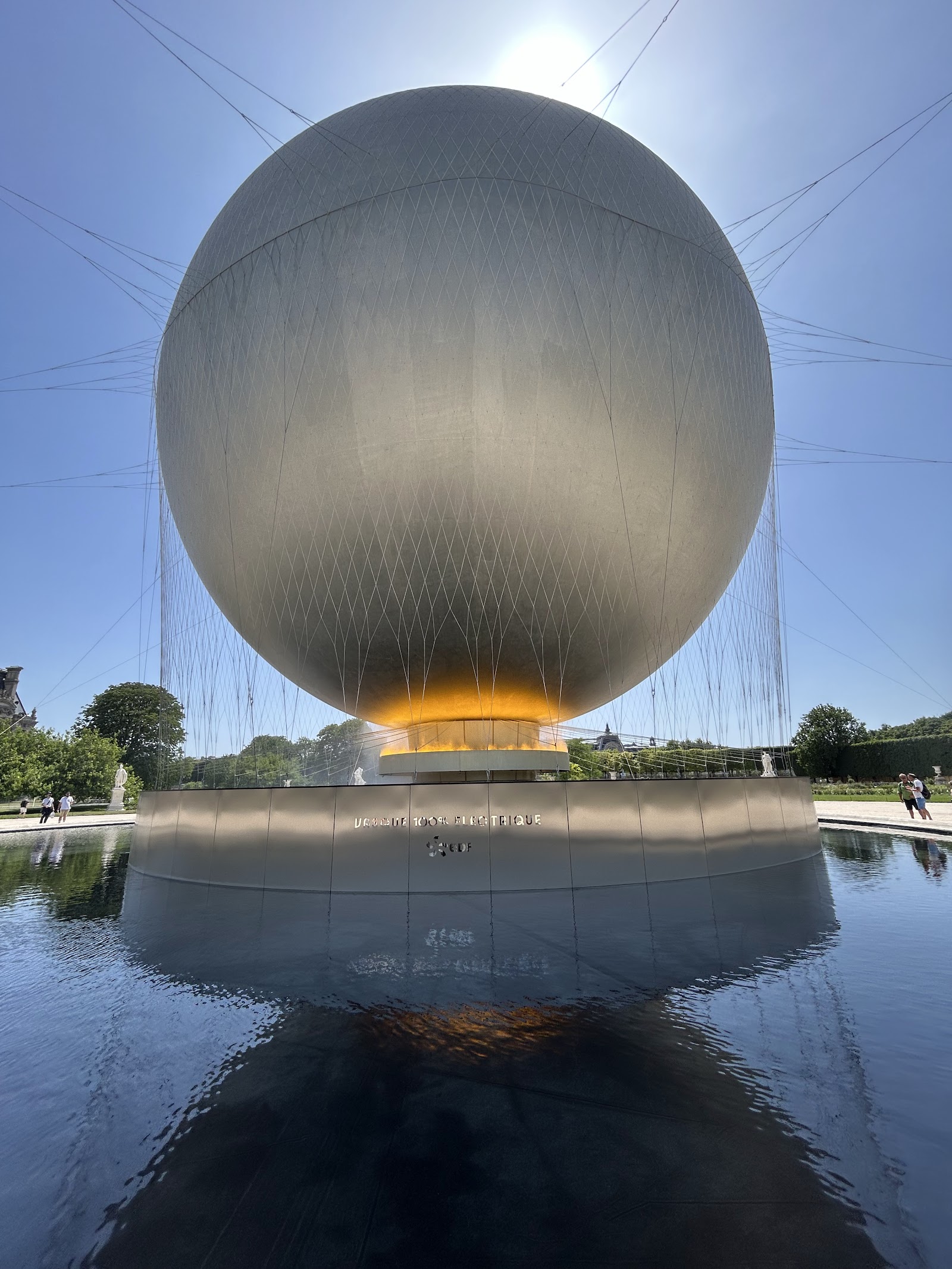
Beautiful garden just outside the Louvre. I went and got me some culture. Ancient sculptures, and a not so ancient Ferris Wheel. Caffe in the center. With umbrellas, which were appreciated during the 95° it was when we were there. ♿️
A beautiful and peaceful escape right in the heart of Paris. The Jardin des Tuileries is perfectly located between the Louvre and Place de la Concorde, making it an ideal place for a walk before or after visiting nearby attractions. The gardens are very well maintained, with clean paths, elegant fountains, and plenty of seating areas to relax and enjoy the atmosphere. It’s especially enjoyable in good weather, with great views, open spaces, and a calm environment despite being in a busy part of the city. A must-visit spot in Paris for both tourists and locals looking for a relaxing break.
My favourite gardens in Paris. Beautiful topiary and stunning flowers. Great view of Place de la Concorde and the Eiffel Tower from the upper steps. Lovely pond with large carp, it’s great to sit and watch them! Perfect location to grab a coffee or glace from the little cart and just relax.
The best place ever. Really, this garden is a jewel in Paris, you can enjoy it any time. Snacks and beverages are available at three locations.
Absolutely beautiful garden – I truly loved this place Jardin des Tuileries is one of the most beautiful and peaceful places in Paris, and I really loved it. The garden is perfectly maintained, with wide paths, fountains, green spaces, and plenty of chairs to sit and relax. Its location is excellent, right next to the Louvre Museum and within walking distance of many major attractions. Walking through this garden feels very calming and refreshing, especially after visiting busy places in the city. This place made me feel happy, relaxed, and peaceful from the heart. A perfect spot for walking, resting, photos, and enjoying the beauty of Paris. A must-visit place and highly recommended!
More of Paris 1st Arrondissement
Discover where to stay, what to do and the best deals for your trip.
Explore Paris 1st Arrondissement →More attractions in Paris 1st Arrondissement
All of Paris 1st Arrondissement →
Background adapted from Wikipedia (CC BY-SA) · map data © OpenStreetMap contributors · ratings & place photos via Google · other photos with per-image credit. Ticket links may earn us a commission at no extra cost to you.