
Place Vendôme
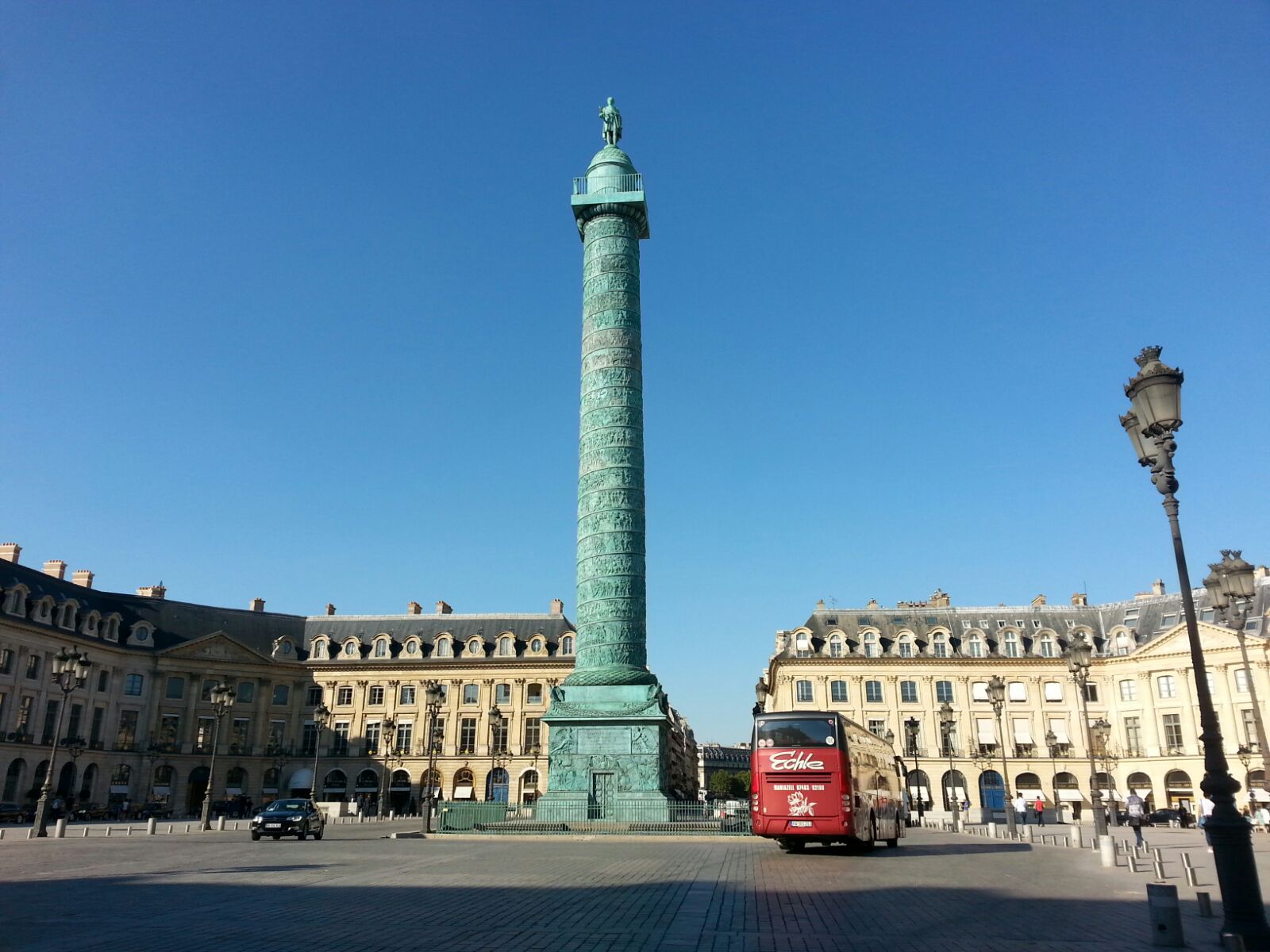
The octagonal geometry of Place Vendôme announces itself before you fully register what you're looking at — twenty-eight limestone façades, all identical by royal decree, rising around a column clad in bronze melted down from cannons captured at Austerlitz. At the center, 44 metres of spiral bas-relief winds upward like a stone dispatch from 1805.
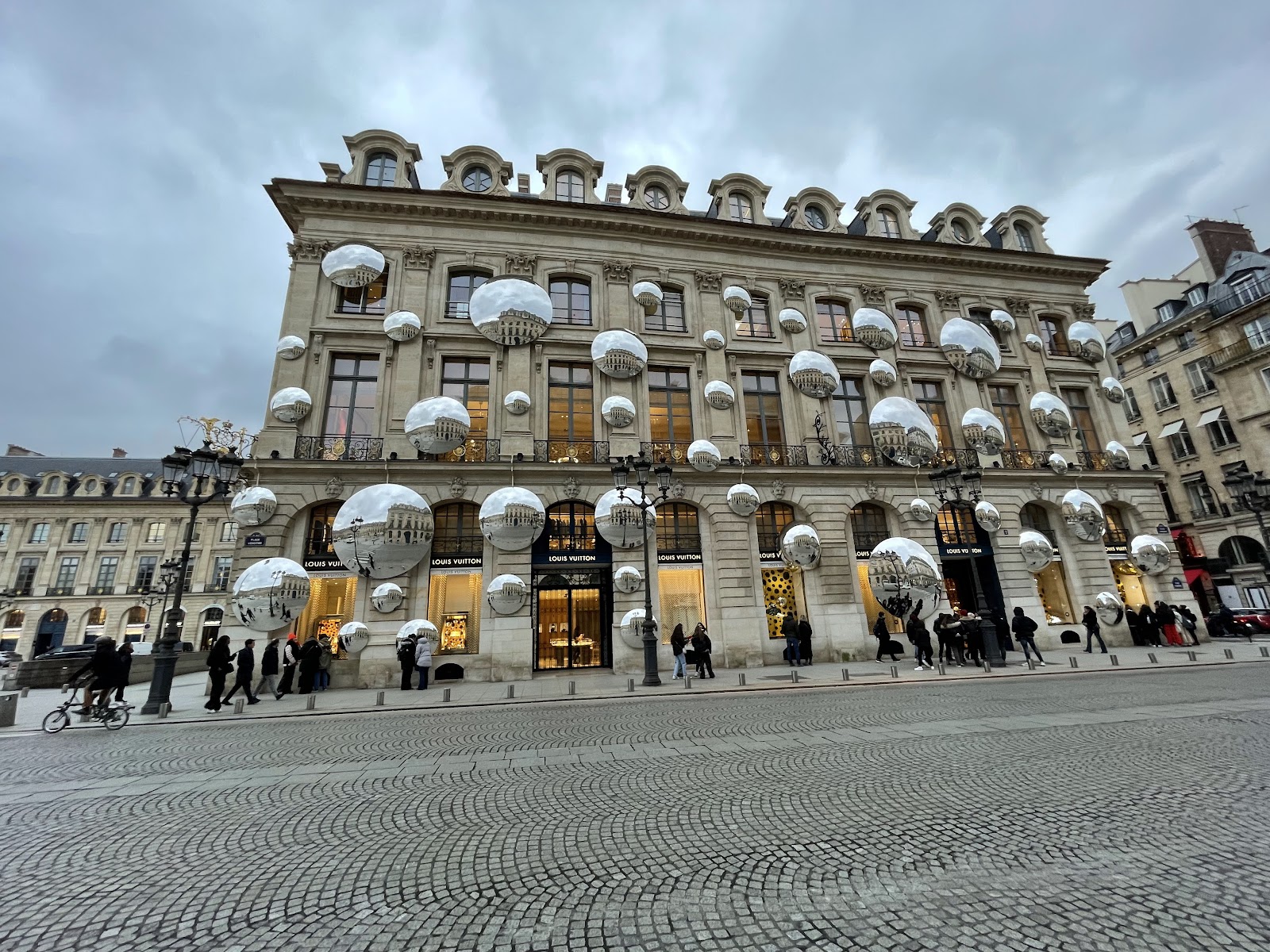
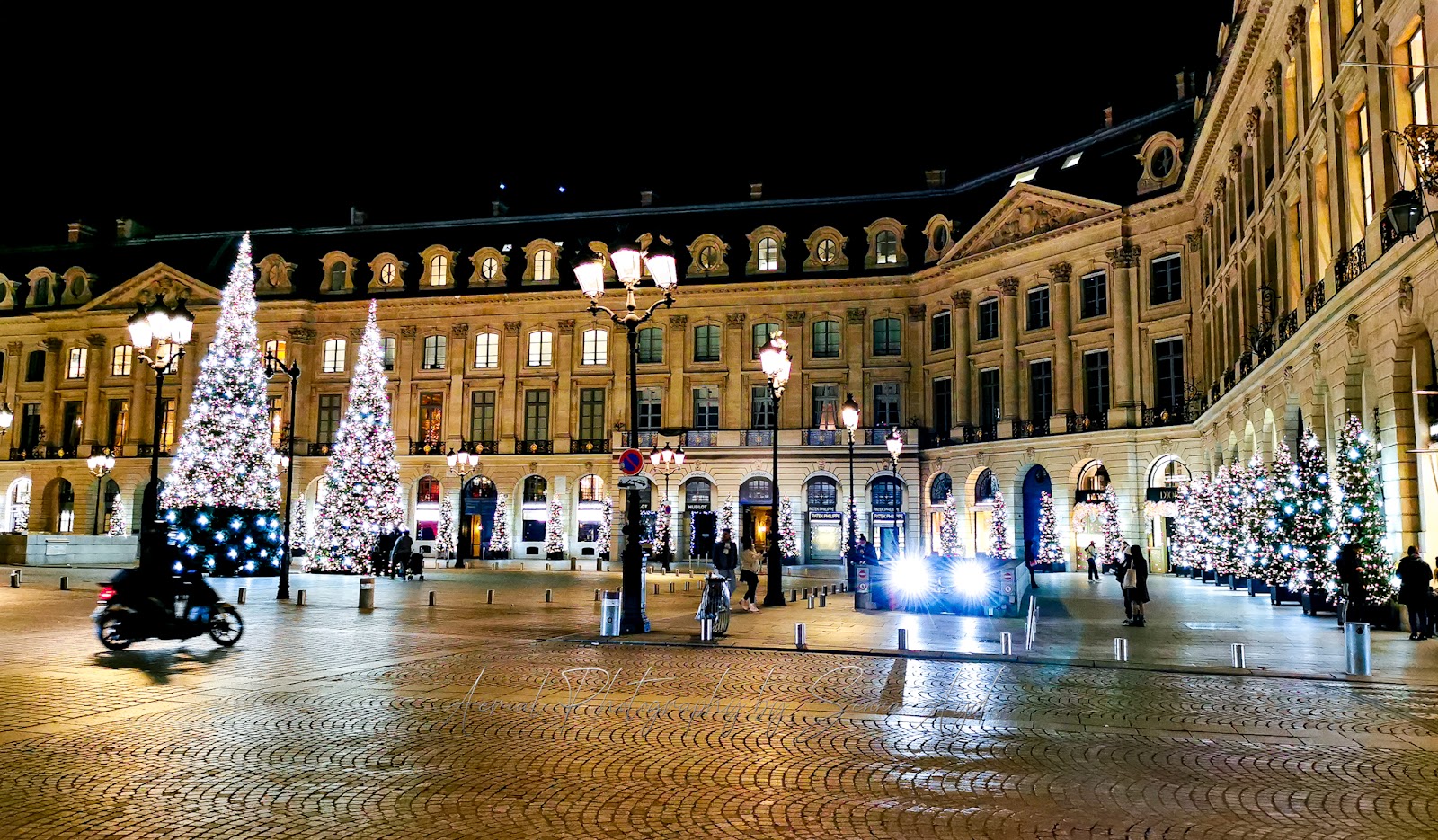
Today the ground floors belong to jewellers and watchmakers, the Ritz occupies the northwest corner, and the Ministry of Justice keeps offices at number 13. The square's proportions, designed by Jules Hardouin-Mansart in 1699, hold everything in a kind of civic tension — grandeur that somehow doesn't shout.
💛 What travellers fall for
People who come back tend to arrive early, before the jewellery houses open and the cars thin out. The column's bronze frieze rewards slow looking — find the section where the spiral shifts register and the figures change scale. Stand directly beneath it and the perspective Gondouin and Lepère intended finally snaps into place.
The story behind Place Vendôme
The plot had two false starts before it became anything. In 1685, Louis XIV's finance minister Louvois bought the former estate of the Duke of Vendôme — an illegitimate son of Henri IV — intending a square modelled on Place des Vosges. Money ran out. The king then acquired the land himself and commissioned Jules Hardouin-Mansart to design a unified façade that private buyers would be obliged to build behind. The arrangement was essentially speculative: financiers purchased plots and constructed their own mansions set back from Mansart's prescribed stone frontage.
The square changed names five times across two centuries — Place des Conquêtes, Place Louis-le-Grand, Place des Piques, briefly Place Internationale during the 1871 Commune — before settling on Vendôme in 1799. The column arrived between 1806 and 1810, Napoleon's monument to his own campaigns. In 1871 Gustave Courbet, then president of the Federation of Artists, proposed it be dismantled; the Commune obliged. It was re-erected by 1874, a copy of the original statue restored to the top.
Good to know
The square is always accessible on foot; the nearest Métro stops are Tuileries (line 1) and Opéra (lines 3, 7, 8). The Ritz bar is open to non-guests. The column's interior staircase is closed to visitors, so all the drama is exterior.
Where is Place Vendôme?
Location
- In Paris 1st Arrondissement
- 48.8679, 2.3296
- Open in Google Maps
More tickets & tours for Place Vendôme
Book directly at the provider
More of Paris 1st Arrondissement
Discover where to stay, what to do and the best deals for your trip.
Explore Paris 1st Arrondissement →More attractions in Paris 1st Arrondissement
All of Paris 1st Arrondissement →
Background adapted from Wikipedia (CC BY-SA) · map data © OpenStreetMap contributors · ratings & place photos via Google · other photos with per-image credit. Ticket links may earn us a commission at no extra cost to you.