City

Paris 18th Arrondissement
Paris 18th Arrondissement
Photo by Volker Meyer on Pexels
Paris 18th Arrondissement
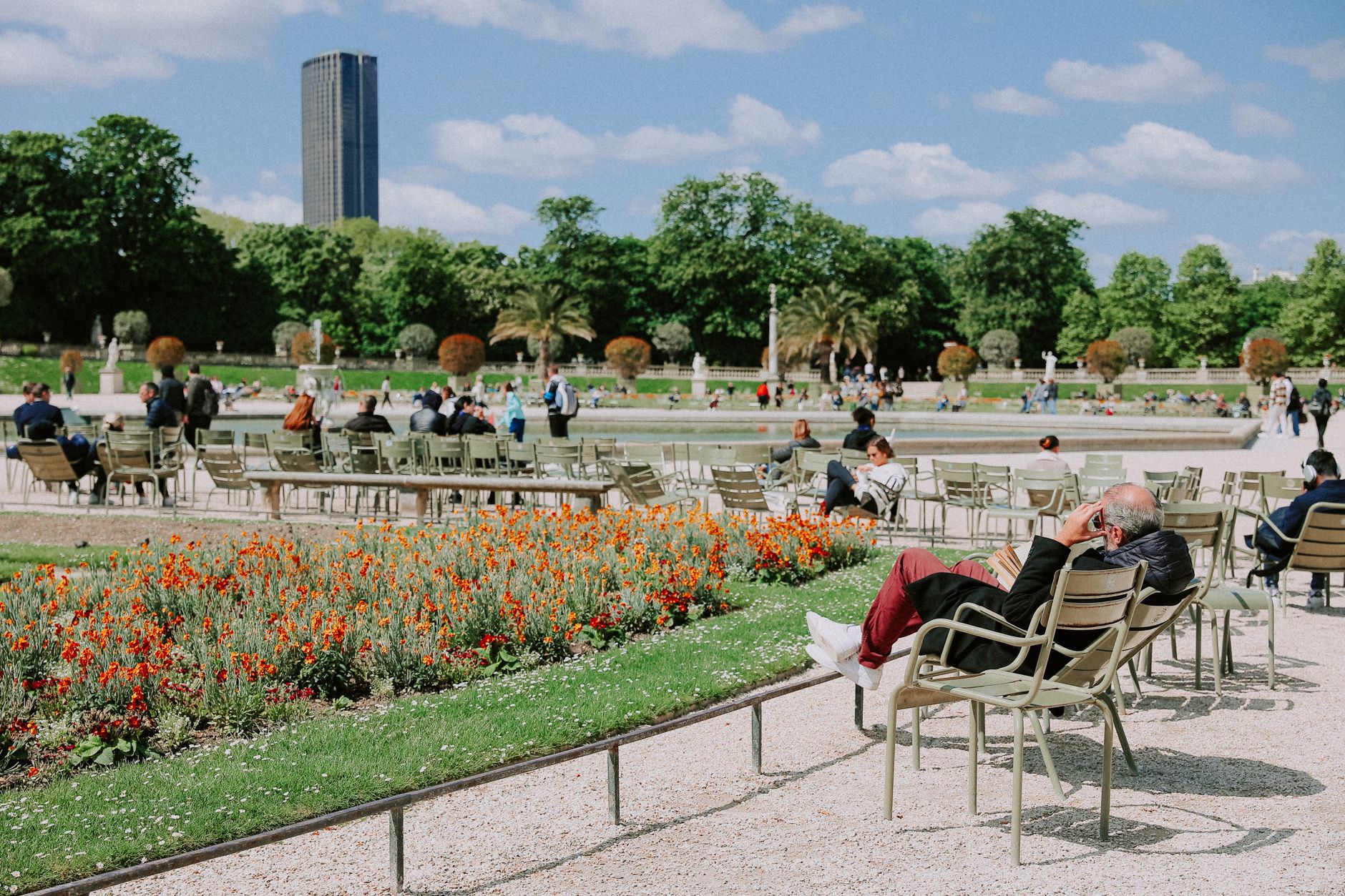
Photo by Ludovic Delot on Pexels
Paris 18th Arrondissement
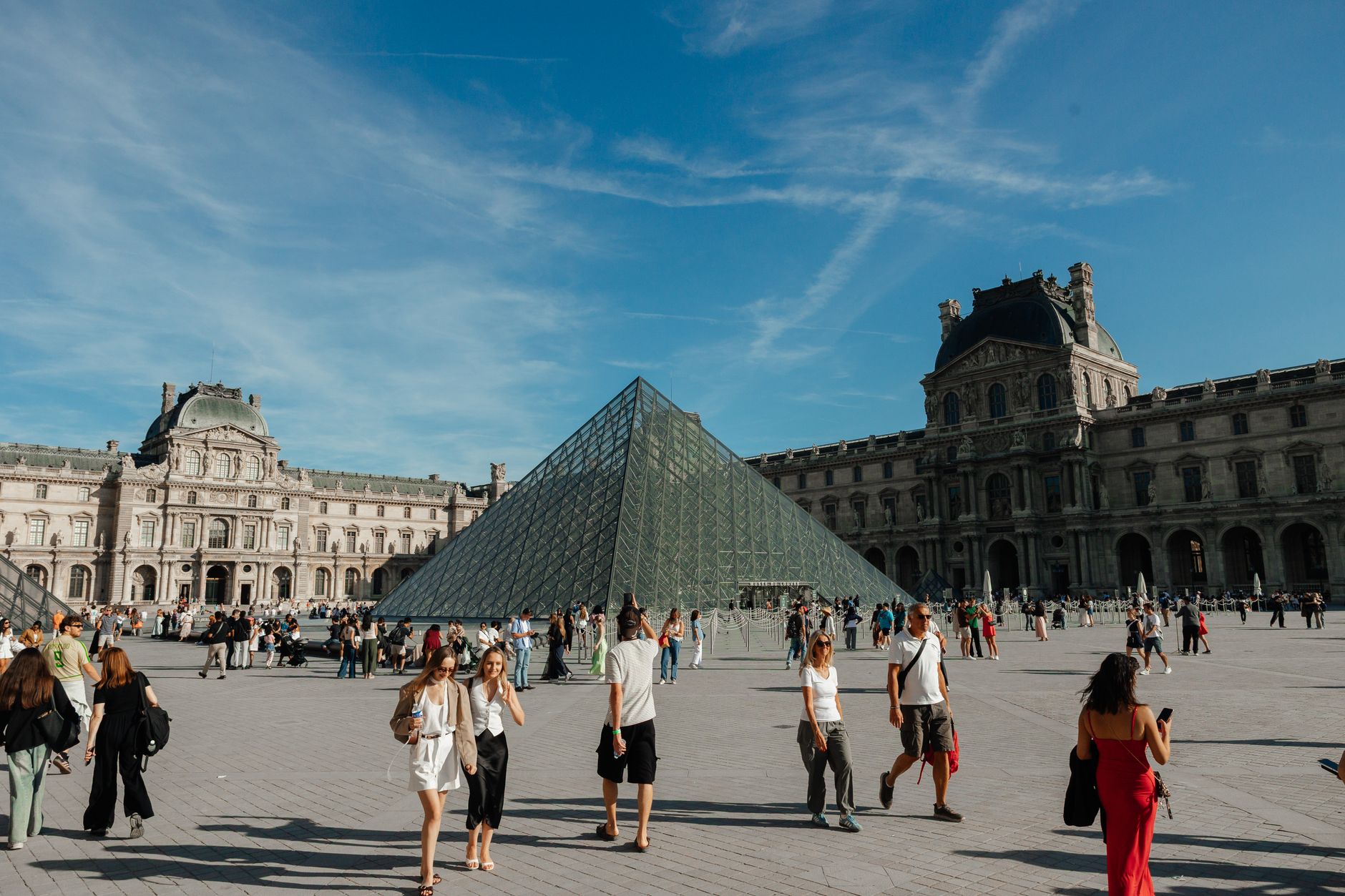
Photo by Shvets Anna on Pexels
Paris 18th Arrondissement
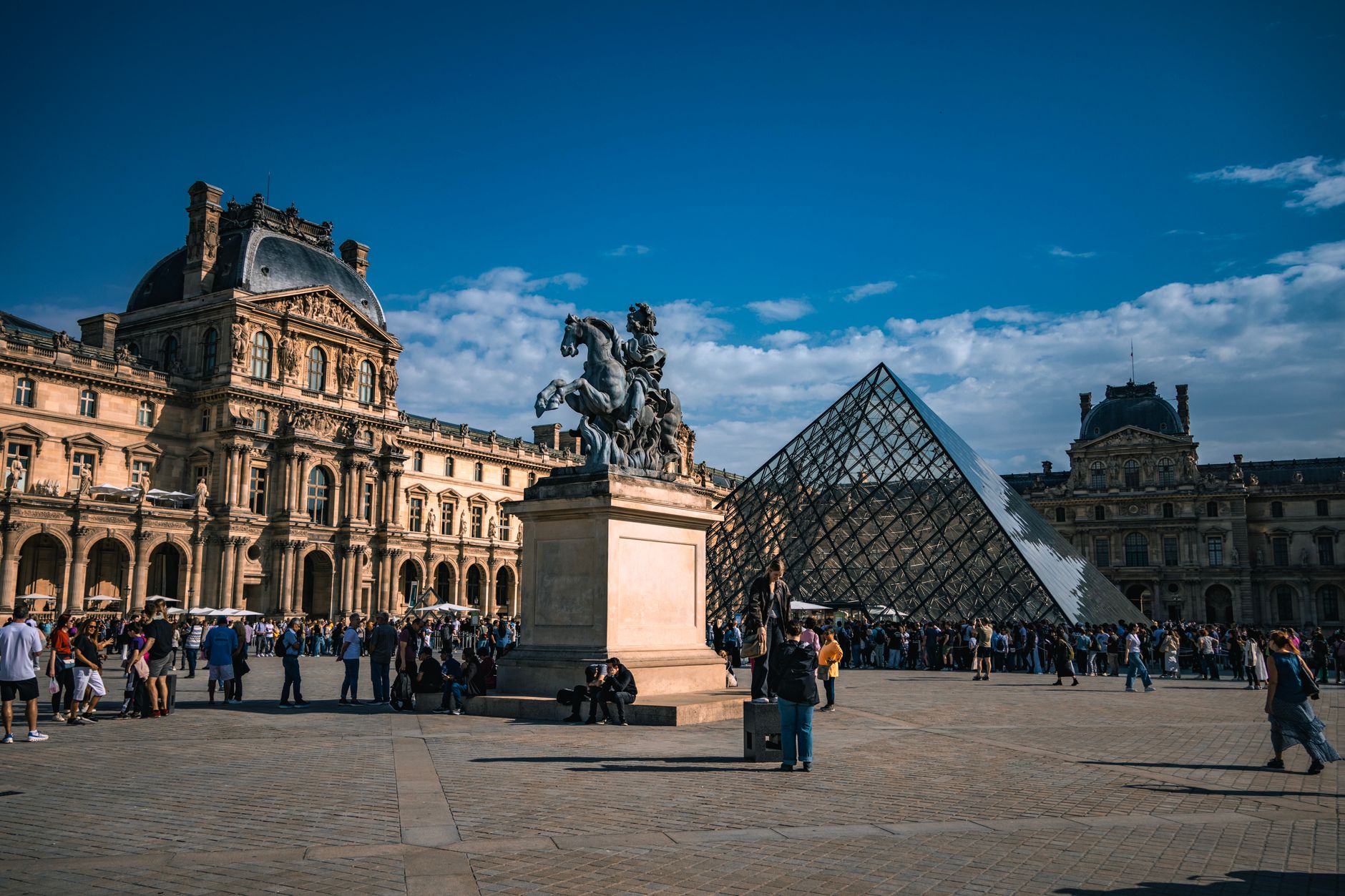
Photo by Alina Rossoshanska on Pexels
Paris 18th Arrondissement
Photo by Ludovic Delot on Pexels
Paris 18th Arrondissement
Photo by Rafeeque Kodungookaran on Pexels

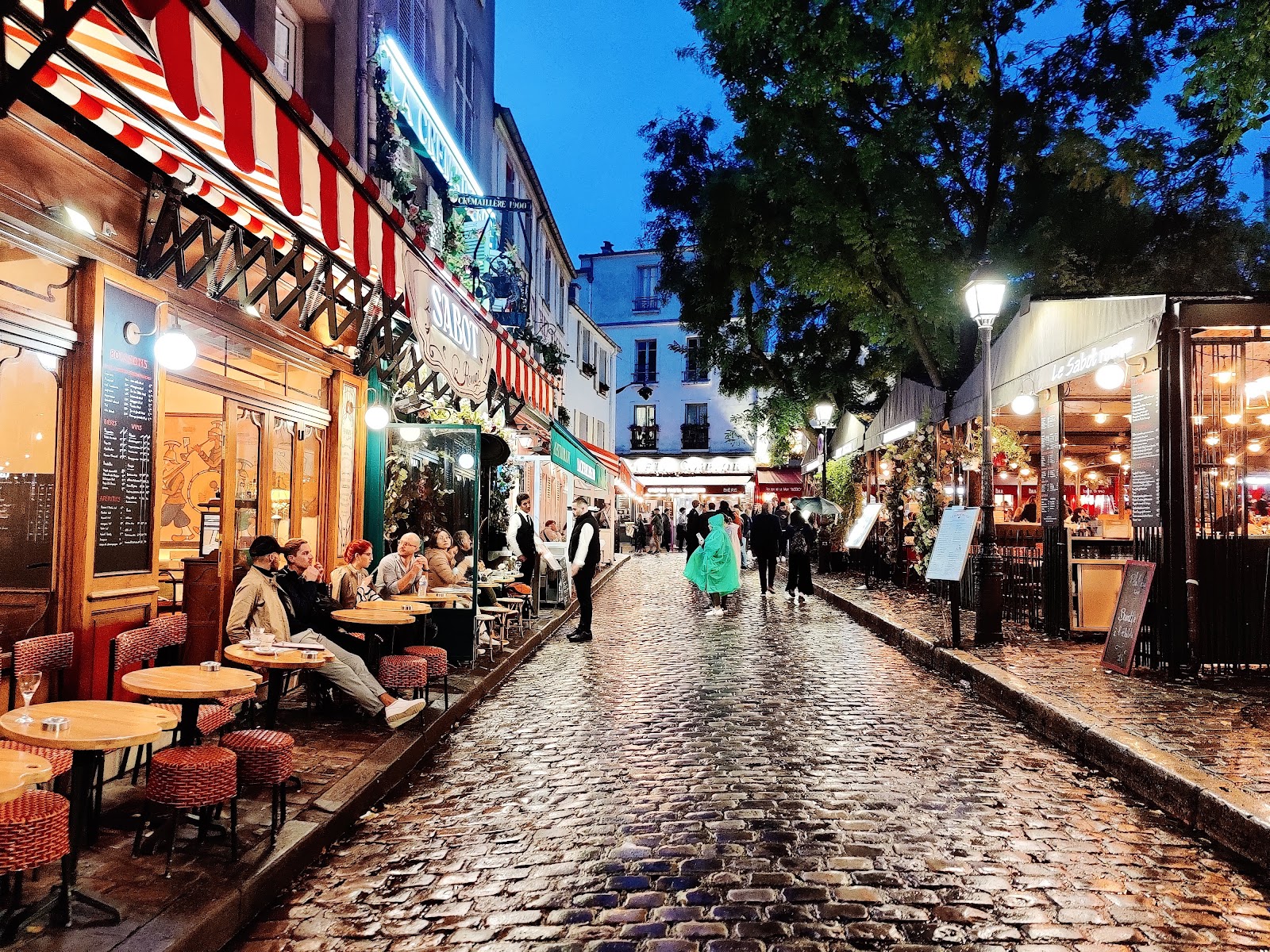
The 18th arrondissement sits at the northern edge of Paris, climbing the steep hill of Montmartre until the white dome of Sacré-Cœur breaks the skyline at 83 metres. This is the arrondissement where Picasso worked in a ramshackle studio on Rue Ravignan, where Van Gogh kept a room at 54 Rue Lepic with his brother Theo, and where the only working vineyard left in Paris still produces grapes each autumn on Rue des Saules.

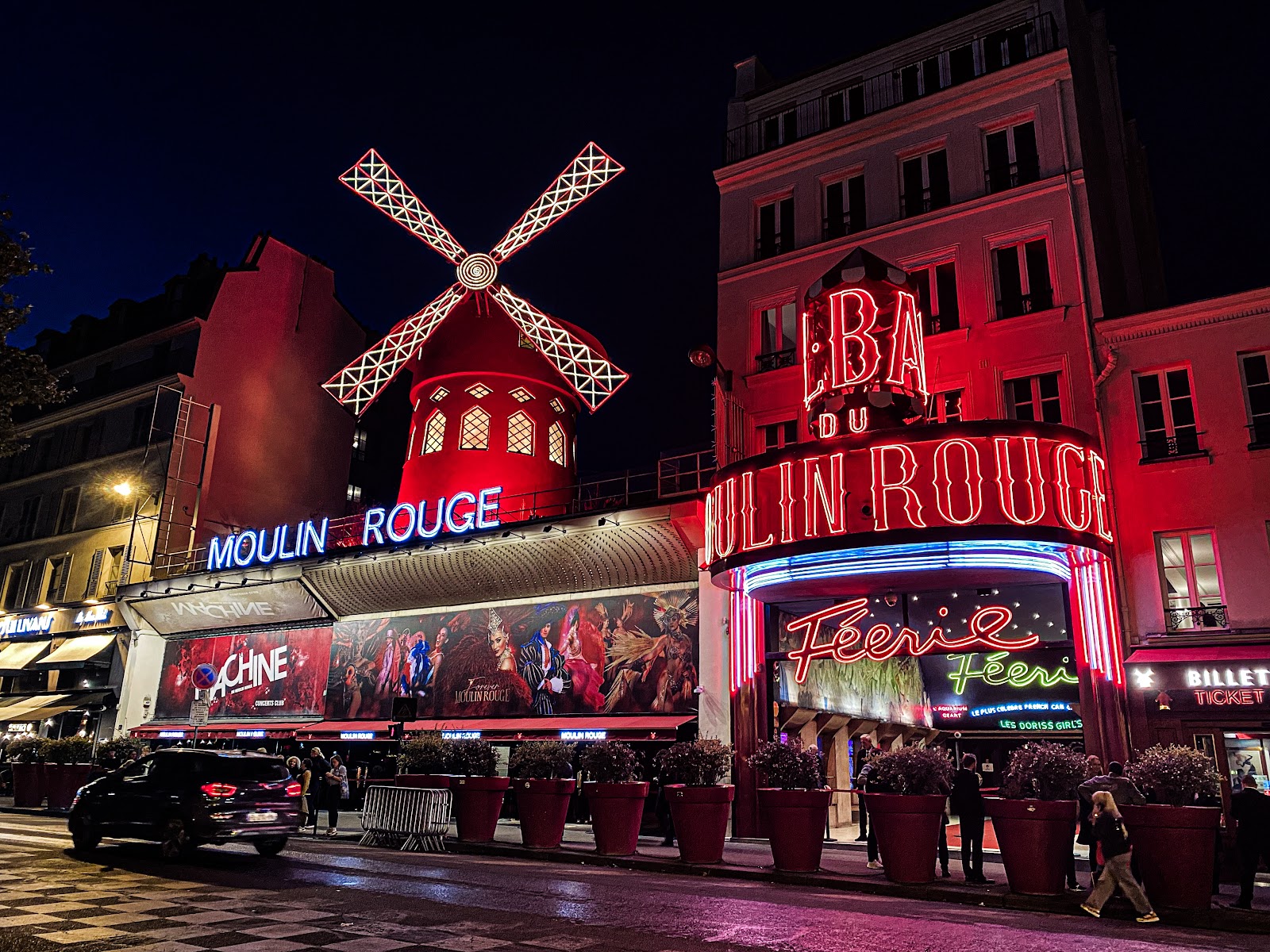
The neighbourhood has always held two registers at once — the sacred and the dissolute, the working-class and the artistic. The Moulin Rouge opened in 1889 at the foot of the hill; the basilica broke ground the same decade on top of it. That tension still runs through the streets today.

💛 What travellers fall for

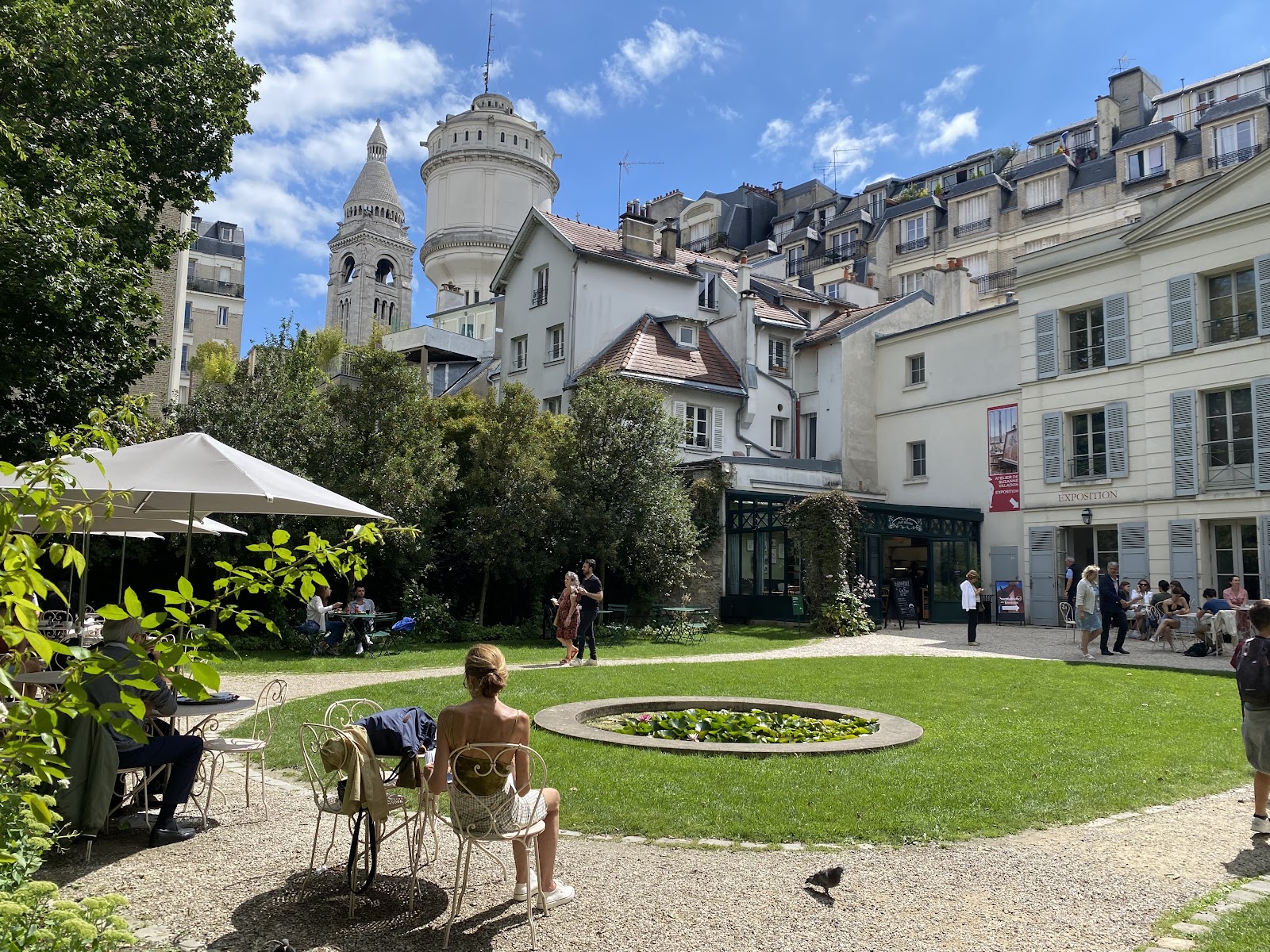
Return visitors tend to slip away from Place du Tertre early — it fills fast — and head instead to the Musée de Montmartre on Rue Cortot, where Renoir had a studio from 1875 to 1877. The garden behind the house, overlooking the vineyard, is one of the quieter vantage points on this entire hill.

Good to know
The Abbesses metro stop (line 12) puts you at the base of the hill; the funicular saves the climb to Sacré-Cœur. Weekday mornings are noticeably calmer around Place du Tertre. The Amiraux Pool on Rue Hermann-Lachapelle is worth a look from the street even if you're not swimming.

Deals in Paris 18th Arrondissement

Book directly at the provider
The story

How Paris 18th Arrondissement came to be

Montmartre was annexed into Paris on 1 January 1860, forming the 18th arrondissement along with the communities of La Chapelle and Clignancourt. Before annexation, the hill had been a village of windmills and drinking establishments — a 1729 count found 132 of the 165 commercial premises were taverns, most with dancing and other entertainments attached.

On 18 March 1871, the neighbourhood became the flashpoint for the Paris Commune when French Army soldiers arrived to remove cannons from the hilltop and were stopped by the National Guard, who captured and killed two generals. The revolutionary government that followed lasted two months. Sacré-Cœur was built between 1875 and 1914 explicitly as an act of penitence for the violence of that civil war and the Franco-Prussian War; it was consecrated in 1919.

People & landmarks

Who and what shaped it

People who shaped it

Pablo Picasso
Moved to the Bateau-Lavoir on Rue Ravignan in 1904 and lived and worked there in the early 20th century.
Vincent van Gogh
Lived at 54 Rue Lepic with his brother Theo when he moved to Paris in 1886.
Pierre-Auguste Renoir
Rented a studio at 12 Rue Cortot between 1875 and 1877; the space is now part of the Musée de Montmartre.
Georges Braque
Lived and worked in the Bateau-Lavoir in the early 20th century.
Amedeo Modigliani
Lived and worked in the Bateau-Lavoir in the early 20th century.
Henri de Toulouse-Lautrec
Lived, worked, or had studios in or around Montmartre near the end of the 19th and beginning of the 20th century.
Claude Monet
Lived and worked in the 18th arrondissement.
Piet Mondrian
Lived and worked in the 18th arrondissement.
Dalida
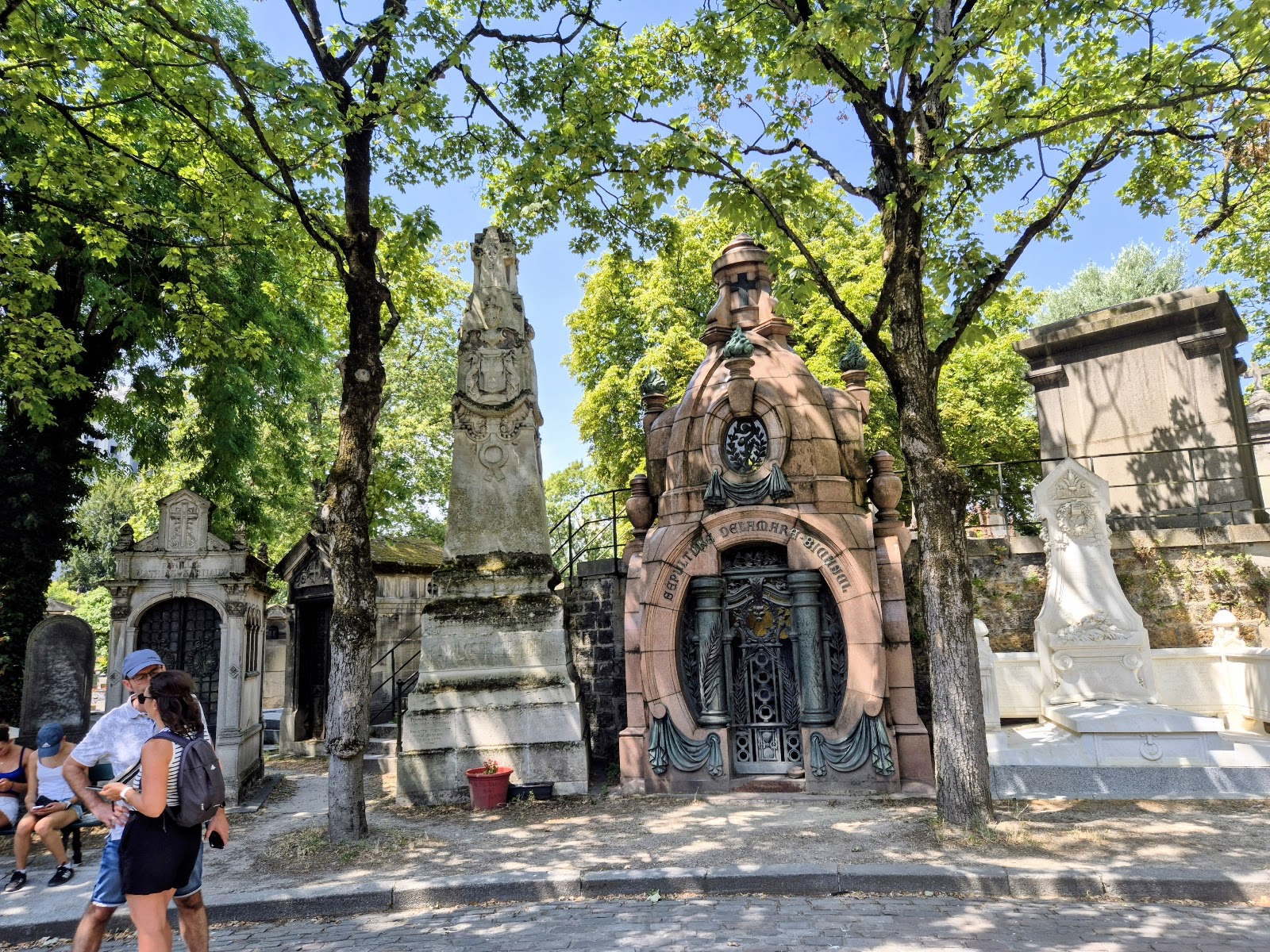
Music diva with a house in the arrondissement; buried in Cimetière de Montmartre.
Georges Clemenceau
Appointed mayor of the 18th arrondissement in 1870 by the government of the Third Republic.

Landmark buildings

Sacré-Cœur Basilica
Built 1875–1914 on the site of the Paris Commune uprising; white onion dome 83 m high, consecrated 1919.
Bateau-Lavoir
Early 20th-century studio building on Rue Ravignan where Picasso, Braque, and Modigliani lived and worked; closed to the public.
Moulin Rouge
Cabaret opened in 1889; original building burned in 1915, current theatre with red windmill still operates.
Saint-Pierre de Montmartre Church
Built in 1147 as the church of the prestigious Montmartre Abbey.
Saint-Bernard de la Chapelle Church
Neo-Gothic church designed by Auguste-Joseph Magne in the 19th century; listed building since 2015.
Montmartre Museum
Located in a 17th-century house with garden; features history and culture of Montmartre, where Renoir lived.
Cimetière de Montmartre
Cemetery housing graves of François Truffaut, Jeanne Moreau, Michel Berger, France Gall, Dalida, and Emile Zola.
Abbesses Metro Station
Circa 1900 entrance is one of two remaining glass-covered 'dragonfly' designs by Hector Guimard; featured in Amélie.
Amiraux Pool
Art Deco masterpiece by Henri Sauvage, recognized as a historic monument; featured in Amélie.
Le Clos Montmartre
Only working vineyard in Paris, located at rue des Saules.
Place du Tertre
Historic square known for painters, sketch artists, and portraitists working outdoors.
Practical

Plan your visit

On the map

When to go

Spring and early autumn are the most comfortable seasons on the hill — mild enough to walk the steep streets without effort and clear enough for the view from Sacré-Cœur to carry a long way. July and August bring heavy tourist traffic and real heat; January and February are quiet but grey, with the occasional sharp cold that empties the square entirely.

Right now

22°C
Partly cloudy
Sat
30°
19°
Sun
25°
15°
Mon
25°
13°
Tue
26°
14°
Weather data: Open-Meteo

↡ Attractions


Background & history adapted from Wikipedia (CC BY-SA) · specs from Wikidata (CC0) · weather from Open-Meteo · map data © OpenStreetMap contributors · photos from Wikimedia Commons / Unsplash with per-image credit. No third-party reviews or social posts reproduced.

Top