
Musée de Montmartre
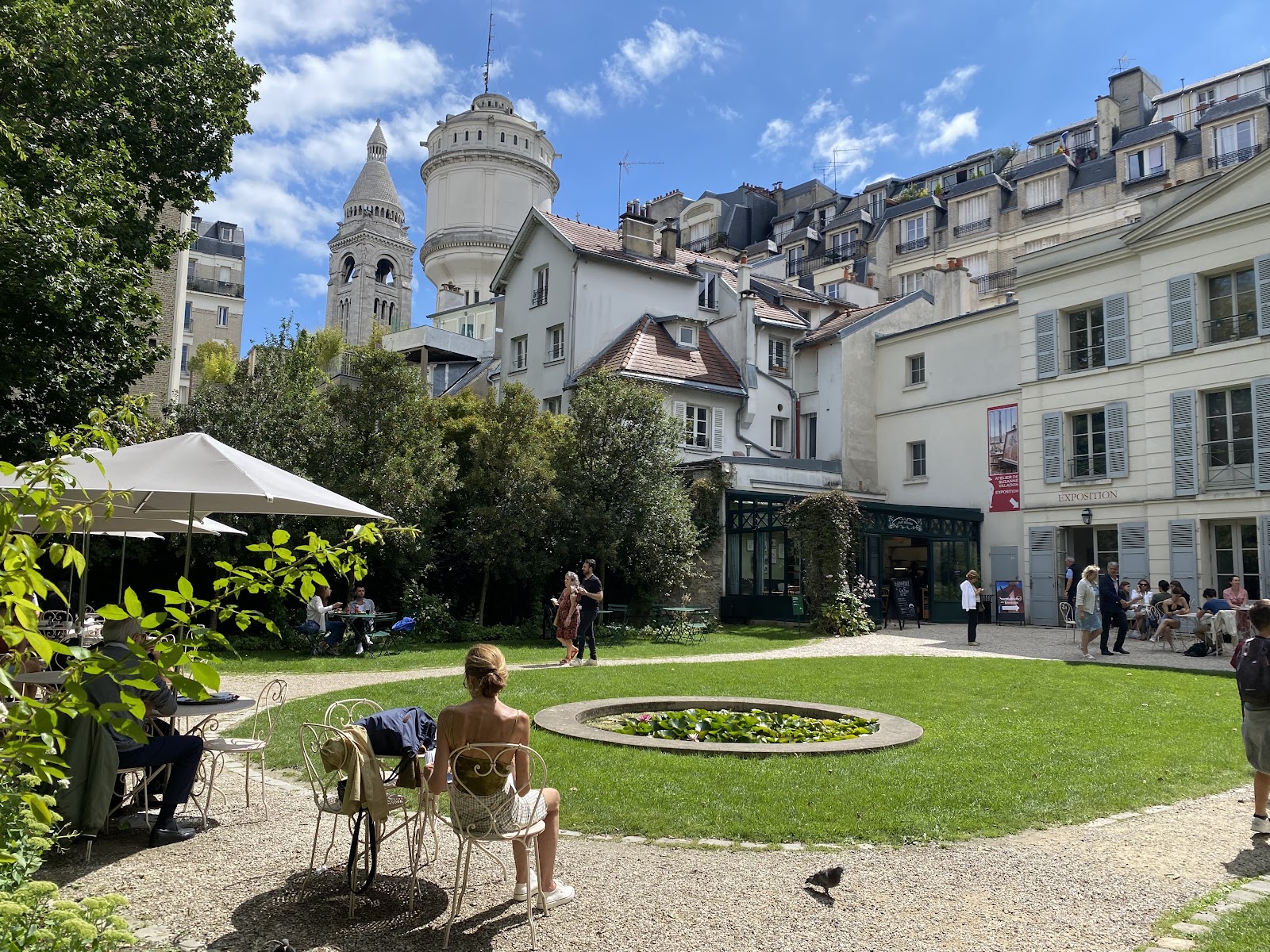
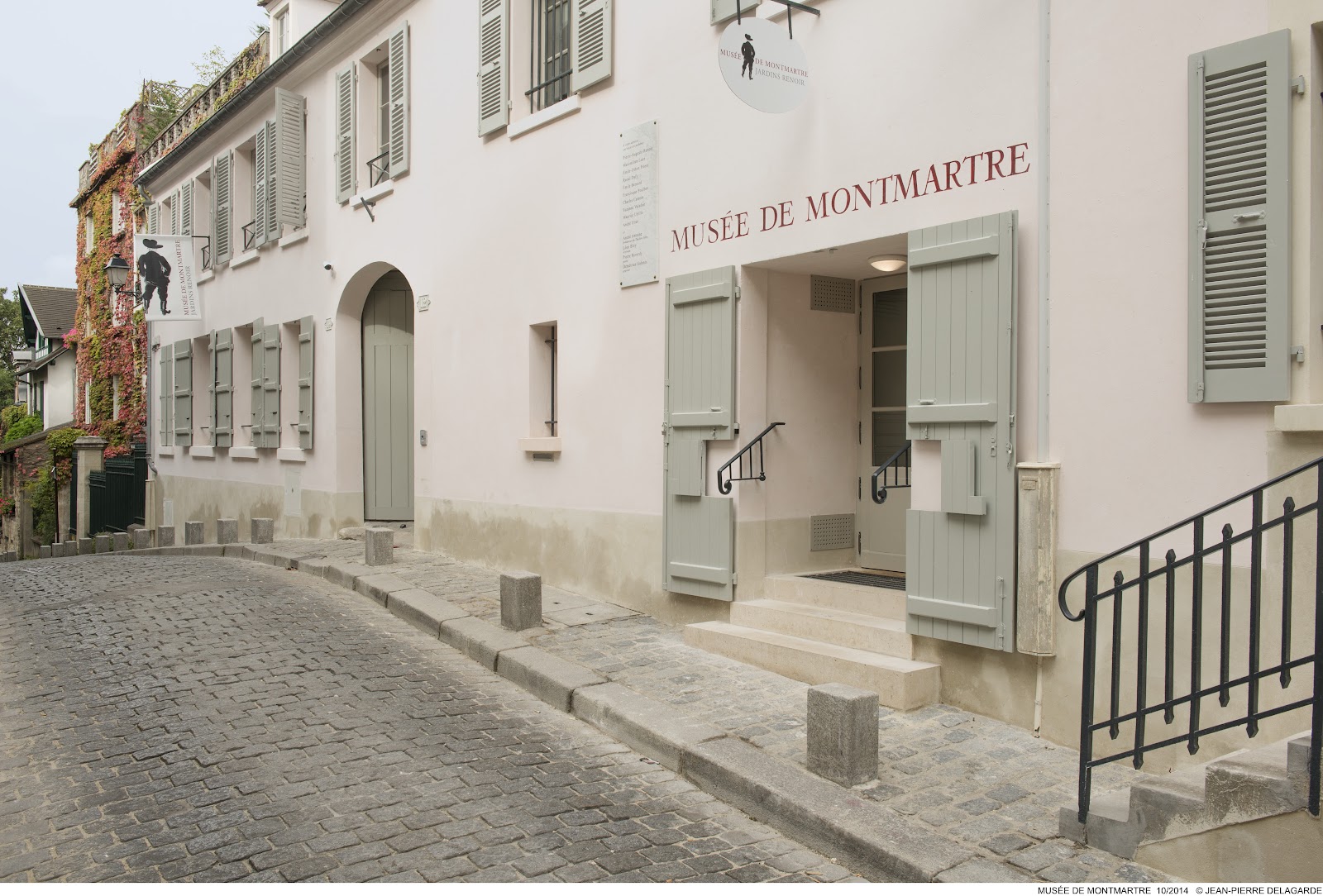
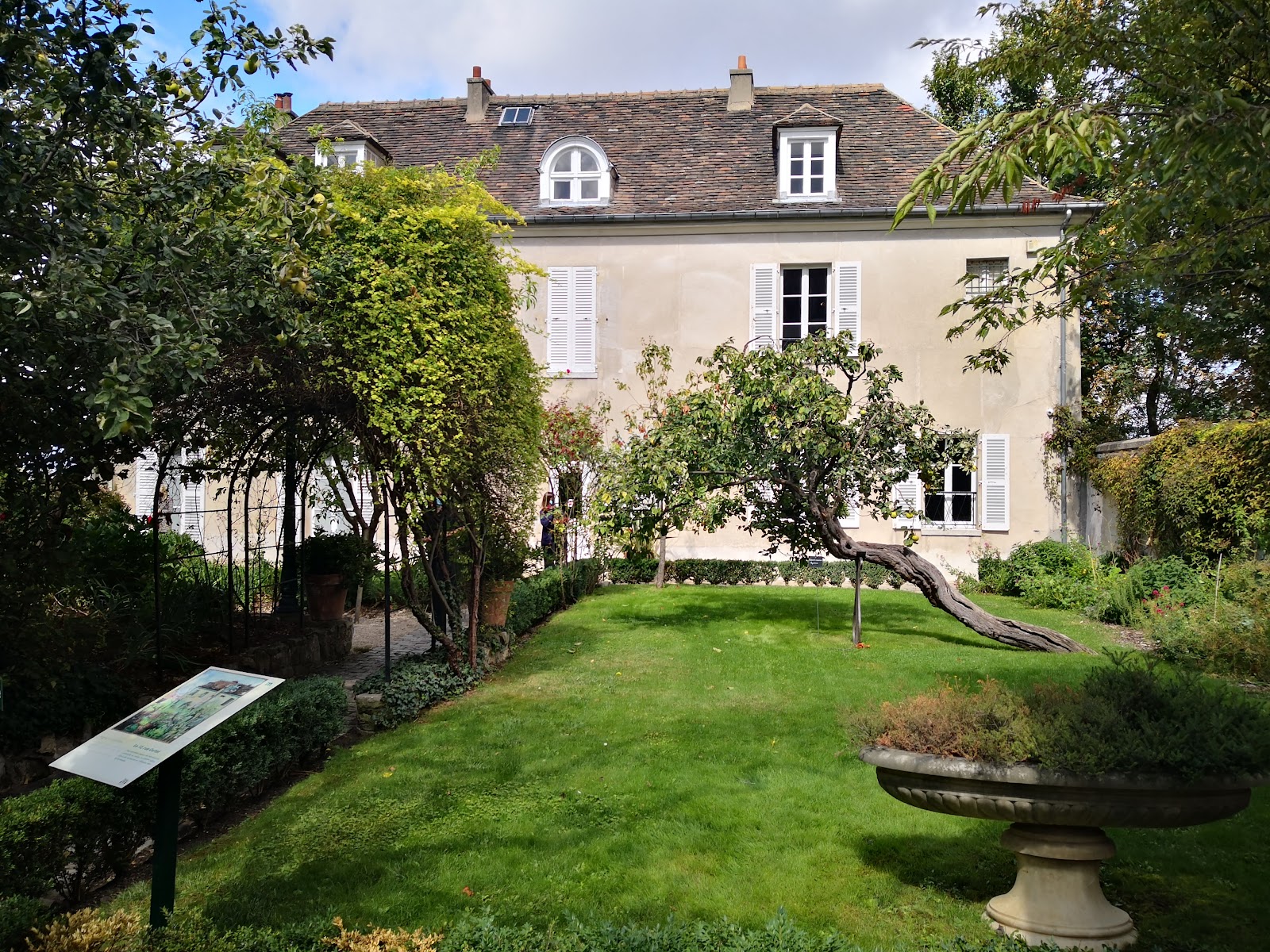
The oldest house on the Butte sits at 12 rue Cortot, a 17th-century building whose walls have absorbed more turpentine and ambition than most art schools. Pierre-Auguste Renoir worked here in 1876, painting La Balançoire and Le Bal du Moulin de la Galette in the same gardens you can walk through today — gardens replanted from his canvases, pear and almond trees among the lilacs and climbing hydrangeas.
The Musée de Montmartre opened in 1960 under the stewardship of the Le Vieux Montmartre association, which had been fighting to preserve the hill's memory since 1886. What it holds isn't a greatest-hits survey of Impressionism but something narrower and more interesting: the specific, scruffy life of this neighbourhood when it was still a working village outside Paris.
💛 What travellers fall for
People who return tend to time it for a weekday morning, before the tour groups arrive at Place du Tertre. The Suzanne Valadon studio — reconstructed by designer Hubert Le Gall and opened in 2014 — rewards a slow look. The Café Renoir terrace, open Wednesday through Sunday, is a reasonable place to sit with the gardens below you before heading back down the hill.
The story behind Musée de Montmartre
The Maison du Bel Air dates to the 17th century; the actor Rosimond acquired it in 1680. By the 1870s the property had become a magnet for artists drawn by cheap rents and the light on the hill. Renoir painted two of his most reproduced works here in 1876. Suzanne Valadon moved into a workshop-apartment in 1912 with Maurice Utrillo and André Utter; Raoul Dufy, Othon Friesz and Émile Bernard passed through at various points.
The Le Vieux Montmartre association, founded in 1886, eventually secured the site and opened the museum in 1960. A major renovation between 2012 and 2013, backed by a 6 million euro investment, doubled the exhibition space and restored Valadon's studio to period accuracy. Management transferred in 2011 to Kléber-Rossillon under a 53-year lease with the City of Paris, and the museum received its Musée de France classification in 2003.
Good to know
Take Metro Line 12 to Lamarck-Caulaincourt for the least climbing. Open daily 10 a.m. to 7 p.m.; last entry at 6:15 p.m. Budget at least two hours for galleries and gardens. Prebooking skips the queue. Wheelchair users should note the permanent collection building has uneven paving and stairs.
Where is Musée de Montmartre?
Location
- In Paris 18th Arrondissement
- 48.8876, 2.3406
- Open in Google Maps
Rating
4.6 ★ · 4,583 Google reviews
More tickets & tours for Musée de Montmartre
Book directly at the provider
What travellers say about Musée de Montmartre
As a Renoir admirer, visiting the Musée de Montmartre was a truly special experience. Knowing that Renoir had his studio here and painted some of his most celebrated works in these surroundings brought the history to life. The gardens, courtyard, and peaceful atmosphere make it easy to imagine the Montmartre that inspired so many artists. I left feeling inspired, grateful, and more connected to the artistic spirit of Paris. A beautiful and memorable visit. 🎨🇫🇷
The Musée de Montmartre is a small, charming museum that gives a wonderful feeling for the history and artistic life of Montmartre, almost as if you were stepping back in time into the atmosphere of old Montmartre cabarets. TIt is not a mass-tourism museum. The ticket price might be considered a little high compared with some larger and more famous Paris museums, but the place is unique and interesting, especially if you are near Sacré-Cœur. This museum is a bucolic place in the heart of Montmartre. The permanent collections and temporary exhibitions are presented in several small houses, creating a unique atmosphere as you wander from one building to another. The permanent collection includes works connected to the brilliant painter Suzanne Valadon. Visitors can also tour her recreated glass-roofed studio, with views over the rooftops of Montmartre. It does not have a very large collection of paintings, but the setting and atmosphere make the visit special. The Renoir Gardens have a peaceful atmosphere, with lovely views and a café where you can have lunch. We enjoyed lunch at the Renoir Café in the Musée pleasant garden. The Musée de Montmartre is definitely a wonderful discovery to recommend.
Very nice tranquil museum and cafe you can access the cafe alone for 6 euros too if you wish. The exhibitions a were very interesting too about the art and history of Montmartre and the old cabaret shows. Definately worth the visit.
Decent place to visit that can know more about the history of montmartre. Special exhibition on Adya and Otto was very nice. The cafe garden is the best which you need a ticket to enjoy it, although no idea why hot option of coffee was only americano, and it was standard quality.
An unexpected gem. Beautiful gardens, great information on the history of Montmartre. The cafe is nestled within the stunning gardens and serves a light menu and coffees/teas. A must see if you are in Montmartre.
More of Paris 18th Arrondissement
Discover where to stay, what to do and the best deals for your trip.
Explore Paris 18th Arrondissement →More attractions in Paris 18th Arrondissement
All of Paris 18th Arrondissement →
Background adapted from Wikipedia (CC BY-SA) · map data © OpenStreetMap contributors · ratings & place photos via Google · other photos with per-image credit. Ticket links may earn us a commission at no extra cost to you.