
Paris 5th Arrondissement
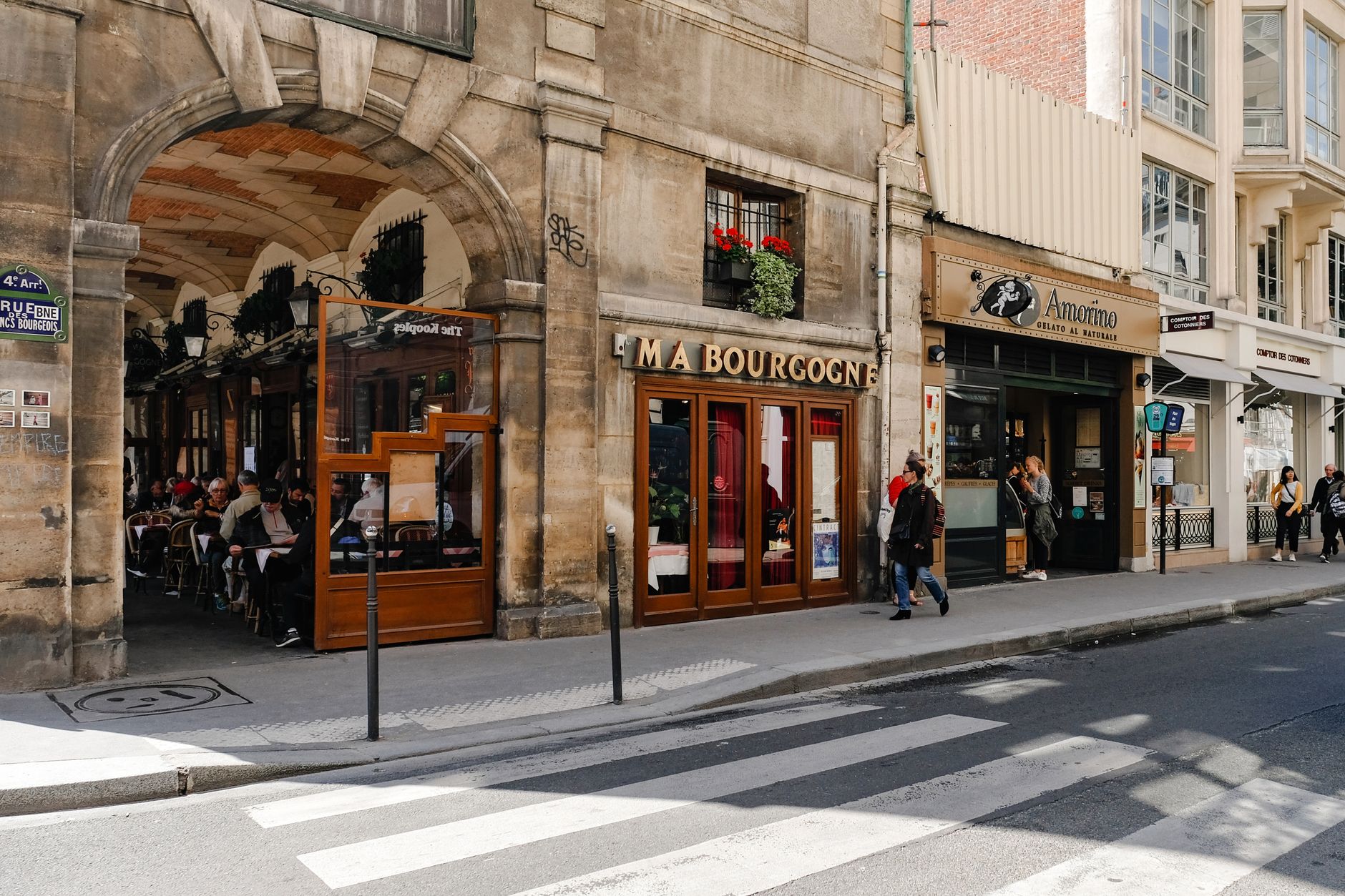
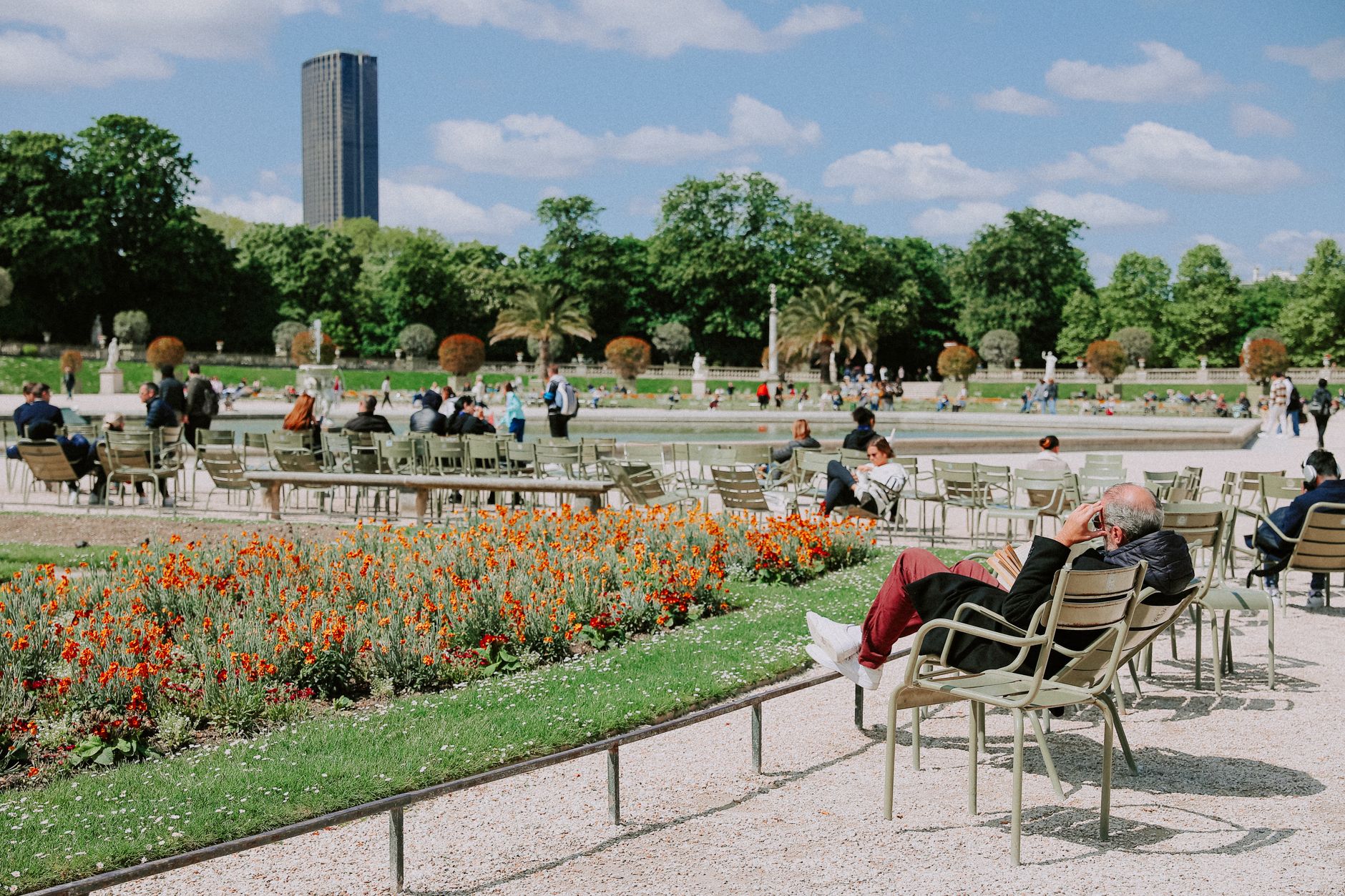
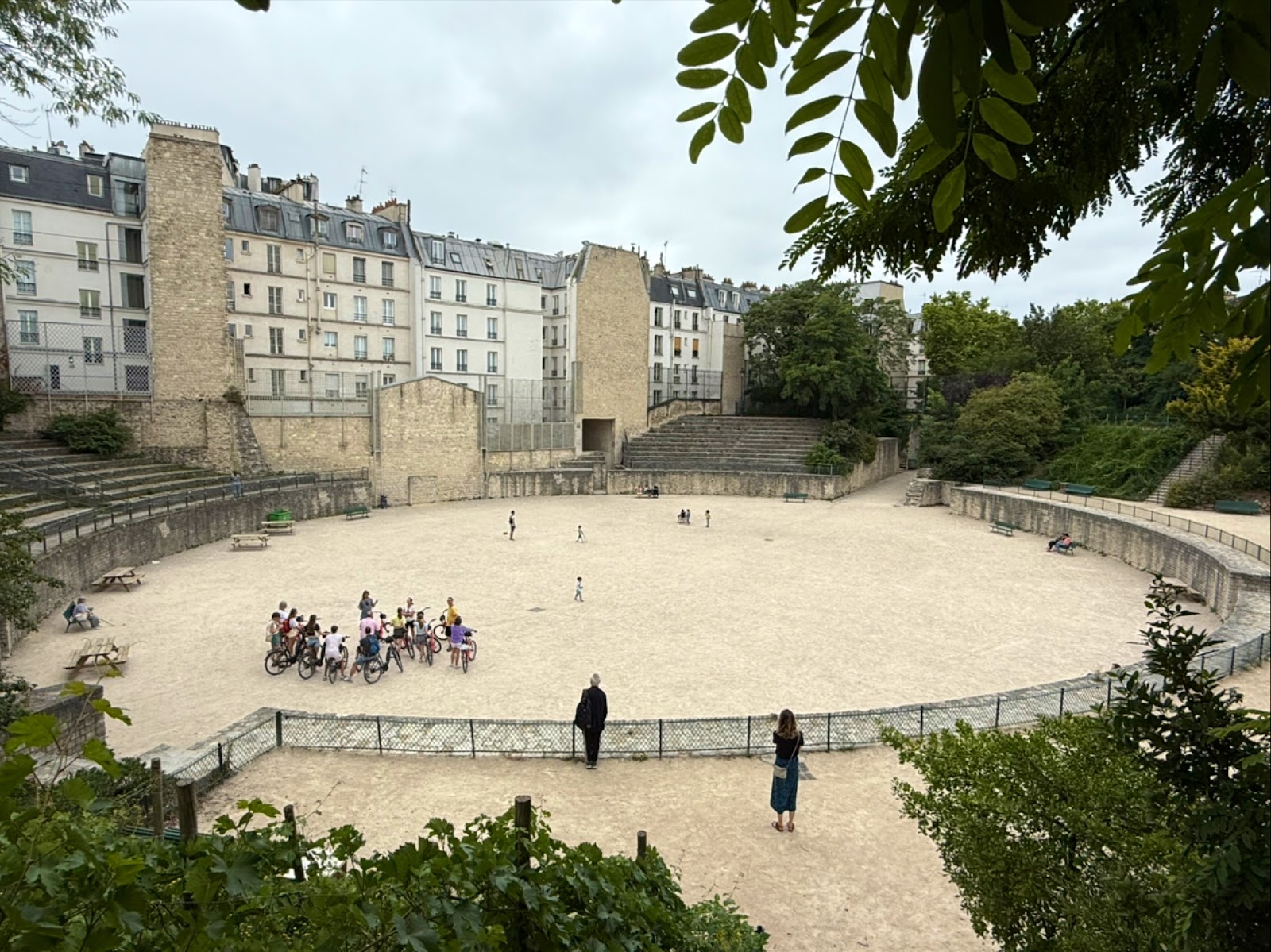
The 5th arrondissement is where Paris has been longest. Walk down Rue Monge and you're tracing a Roman street grid laid out in the 1st century BC, and if you duck through the gap at number 49 you'll find the Arènes de Lutèce — a 2nd-century amphitheatre that once held 15,000 people, now occupied by old men playing pétanque. That specific layering of time is what the arrondissement does: it sets the ancient and the everyday next to each other without ceremony.
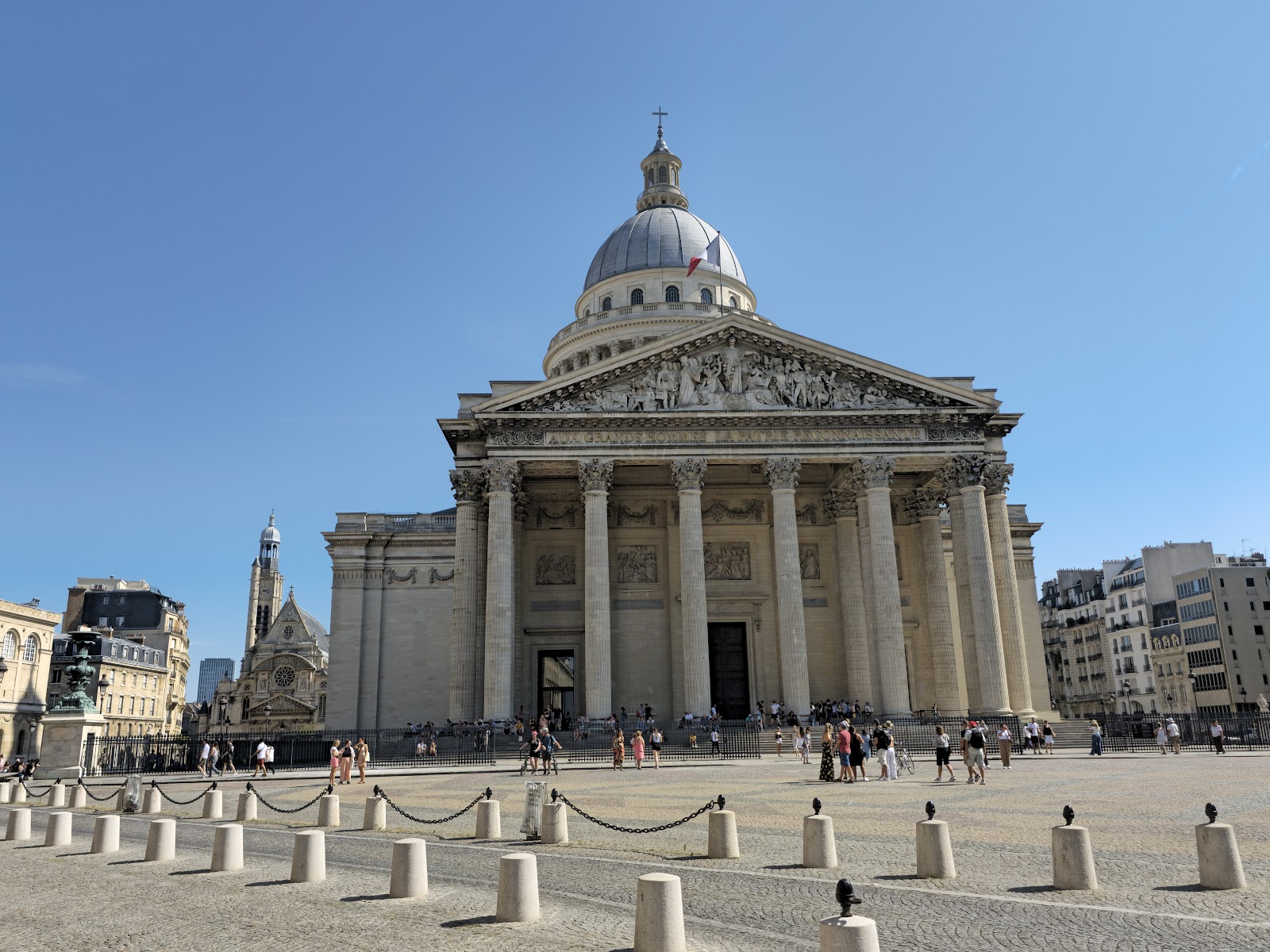
The Latin Quarter grew around the University of Paris, established in the 12th century when King Philip II removed the Left Bank schools from royal jurisdiction and let scholarly life take root. The streets still lean that way — bookshops, libraries, the worn stone steps of the Panthéon.
💛 What travellers fall for
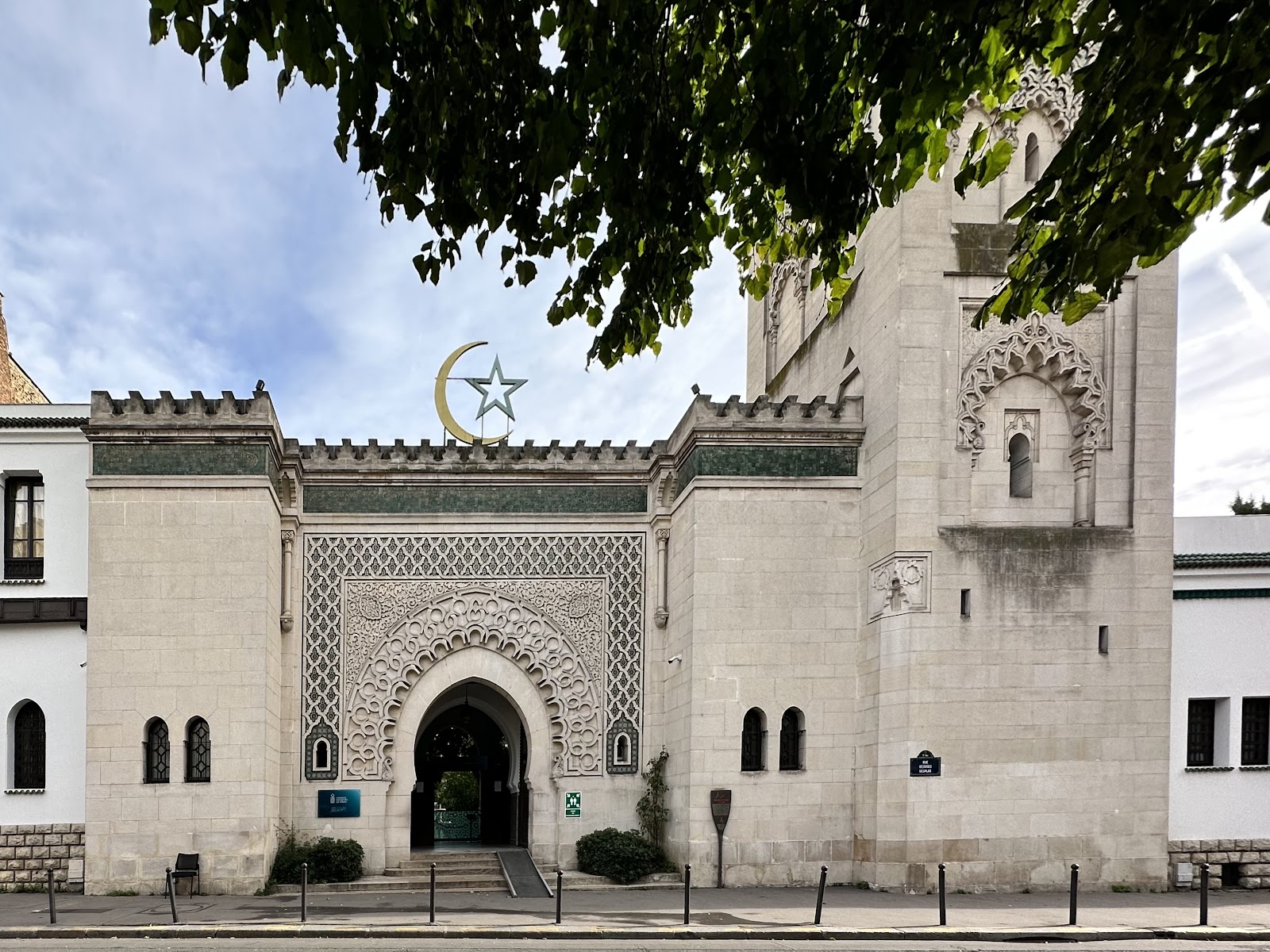
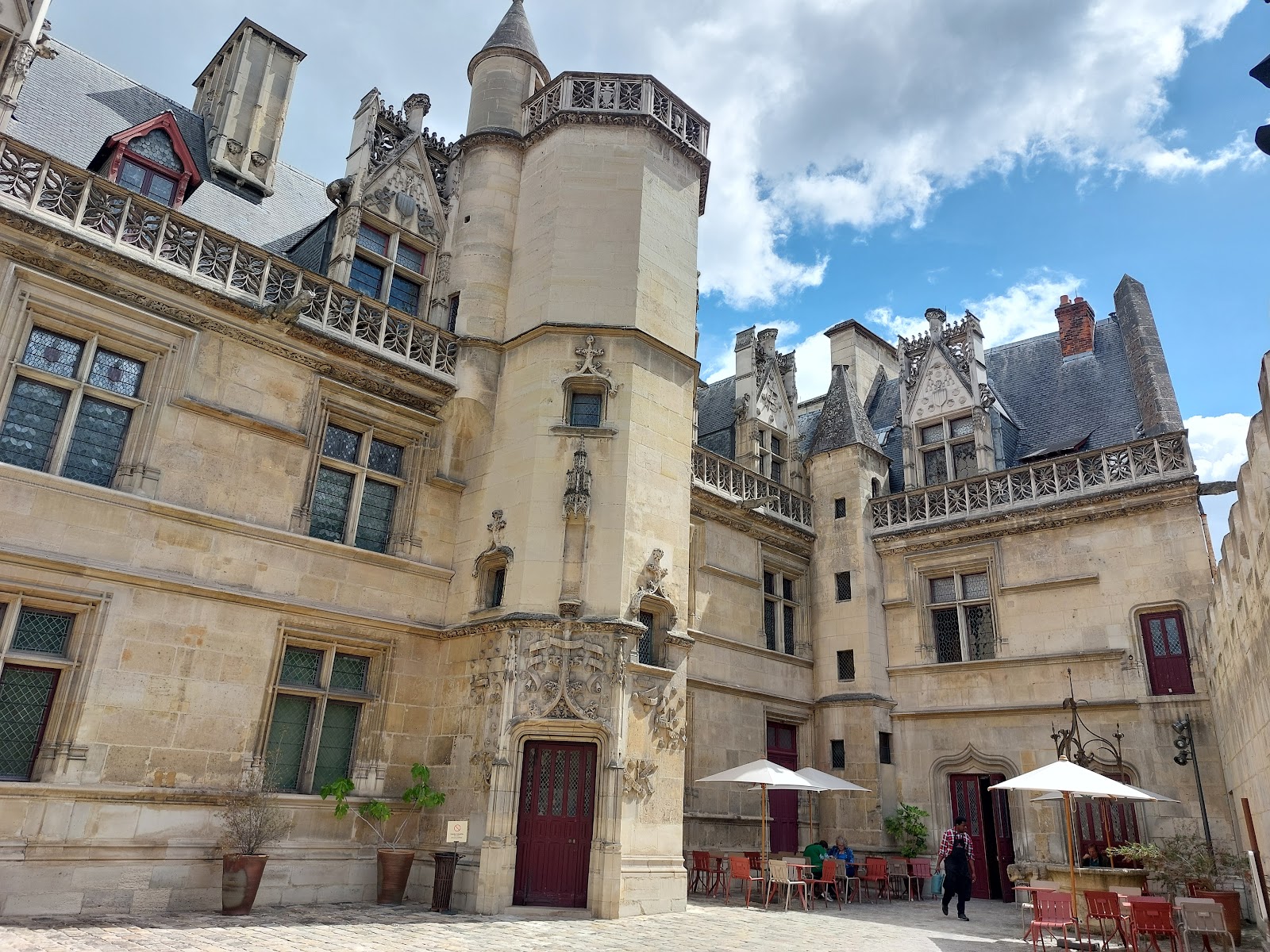
People who keep coming back tend to prioritise the Musée de Cluny over almost everything else in the city — the Lady and the Unicorn tapestries reward a long, quiet look. The Grande Mosquée's courtyard café is the right place for mint tea on a slow afternoon. Shakespeare & Co at 37 Rue de la Bûcherie is worth the detour even if you only stand at the shelves for ten minutes.
Deals in Paris 5th Arrondissement
Book directly at the provider


How Paris 5th Arrondissement came to be
Rome built Lutetia here in the 1st century BC after taking the Gaulish settlement on the Île de la Cité, making this the oldest arrondissement in Paris. The baths at Cluny date to the 3rd century CE; the amphitheatre at Lutèce to the 2nd. Medieval Paris grew its intellectual life on top of this Roman foundation when the University of Paris took shape in the 12th century, drawing students from across Europe and giving the quarter its name — Latin was the language of instruction.
Later centuries added their own monuments. The Panthéon was begun in 1758 under Louis XV as a church for Saint Geneviève, completed in 1790 just as the Revolution repurposed it as a mausoleum. In 1922, the Grande Mosquée was built on the site of a former hospital, a formal acknowledgement of the Muslim soldiers who died at Verdun.
Who and what shaped it
People who shaped it
Landmark buildings
See Paris 5th Arrondissement in motion
Plan your visit
On the map
When to go
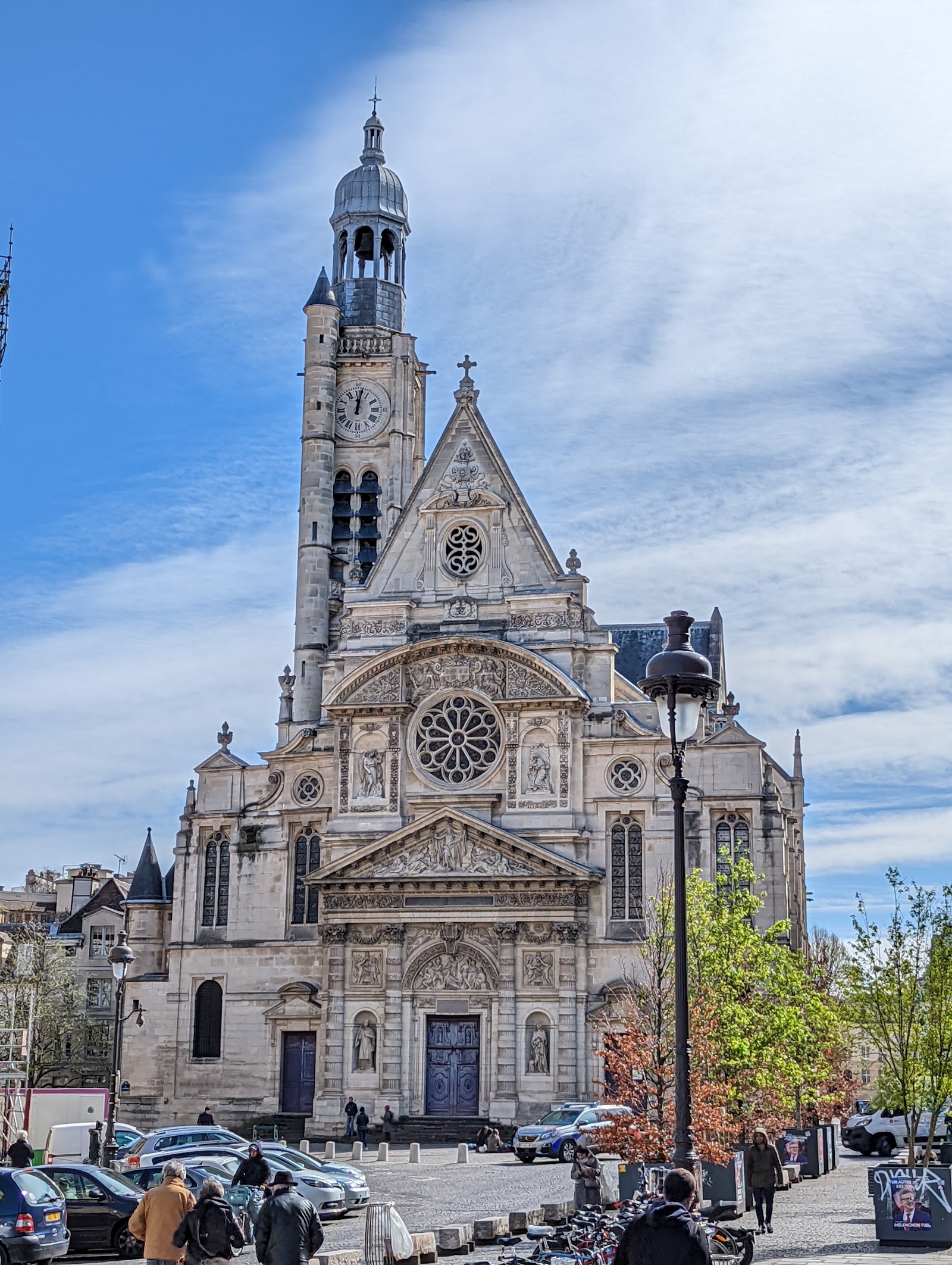
Spring (April–May) and autumn (September–October) keep the outdoor spaces — the Arènes, the Jardin des Plantes, the church courtyards — comfortable and relatively uncrowded. Summer evenings are long and warm, good for the garden's late hours, though the arrondissement draws more visitors then. Winter is cold and grey but the indoor institutions, Cluny especially, reward it.
Right now
↡ Attractions

Background & history adapted from Wikipedia (CC BY-SA) · specs from Wikidata (CC0) · weather from Open-Meteo · map data © OpenStreetMap contributors · photos from Wikimedia Commons / Unsplash with per-image credit. No third-party reviews or social posts reproduced.