
Paris 4th Arrondissement
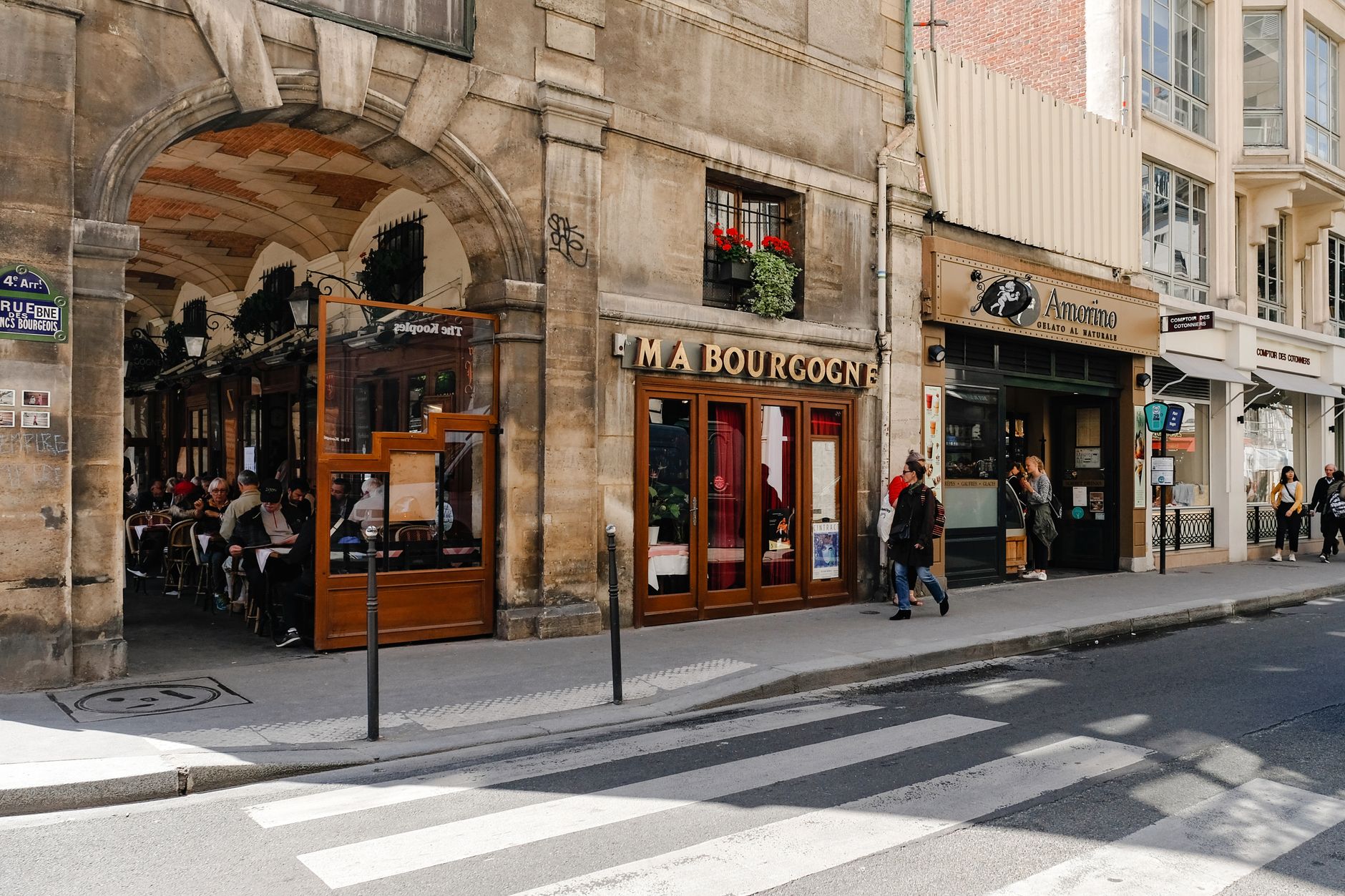
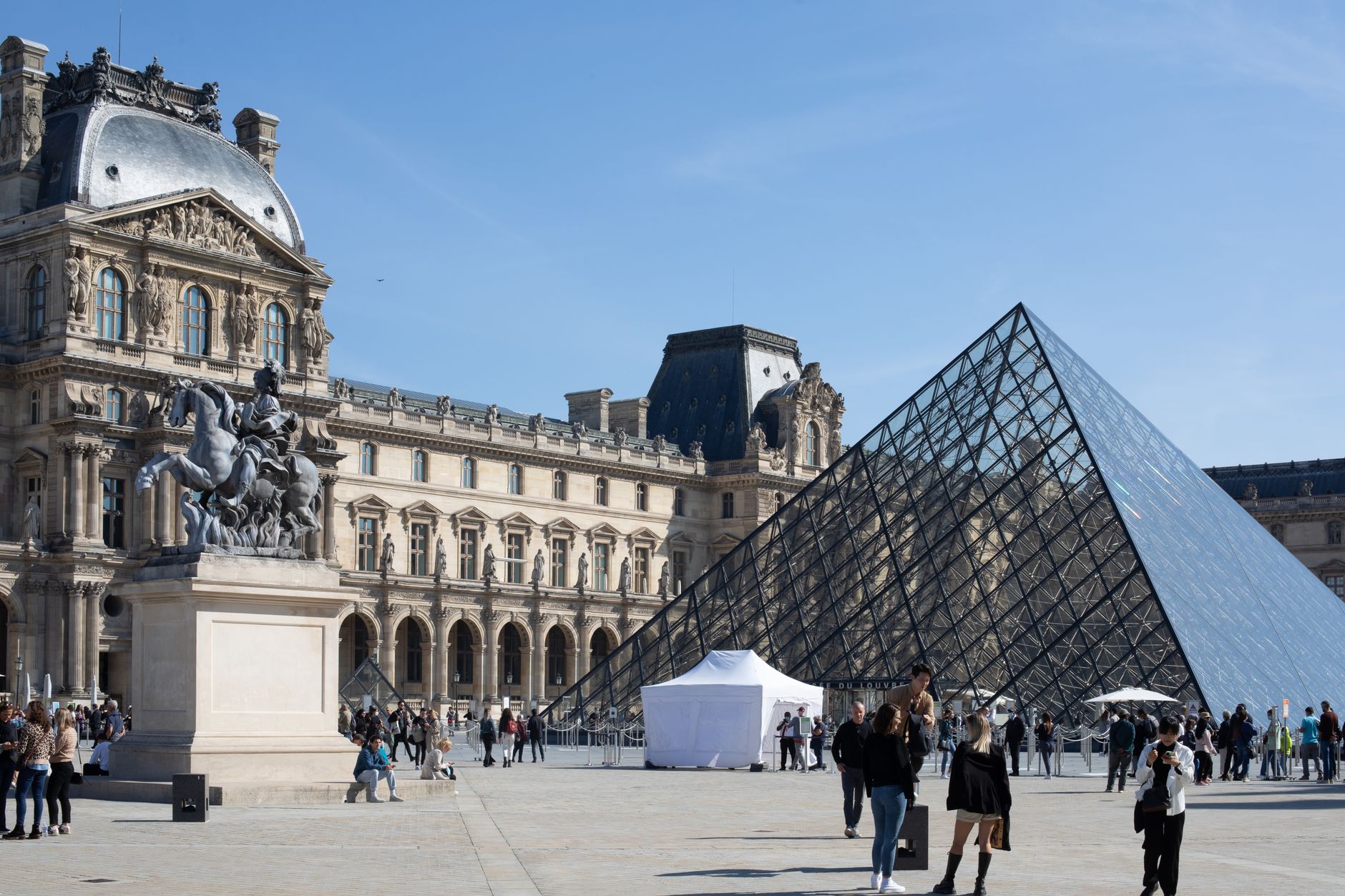
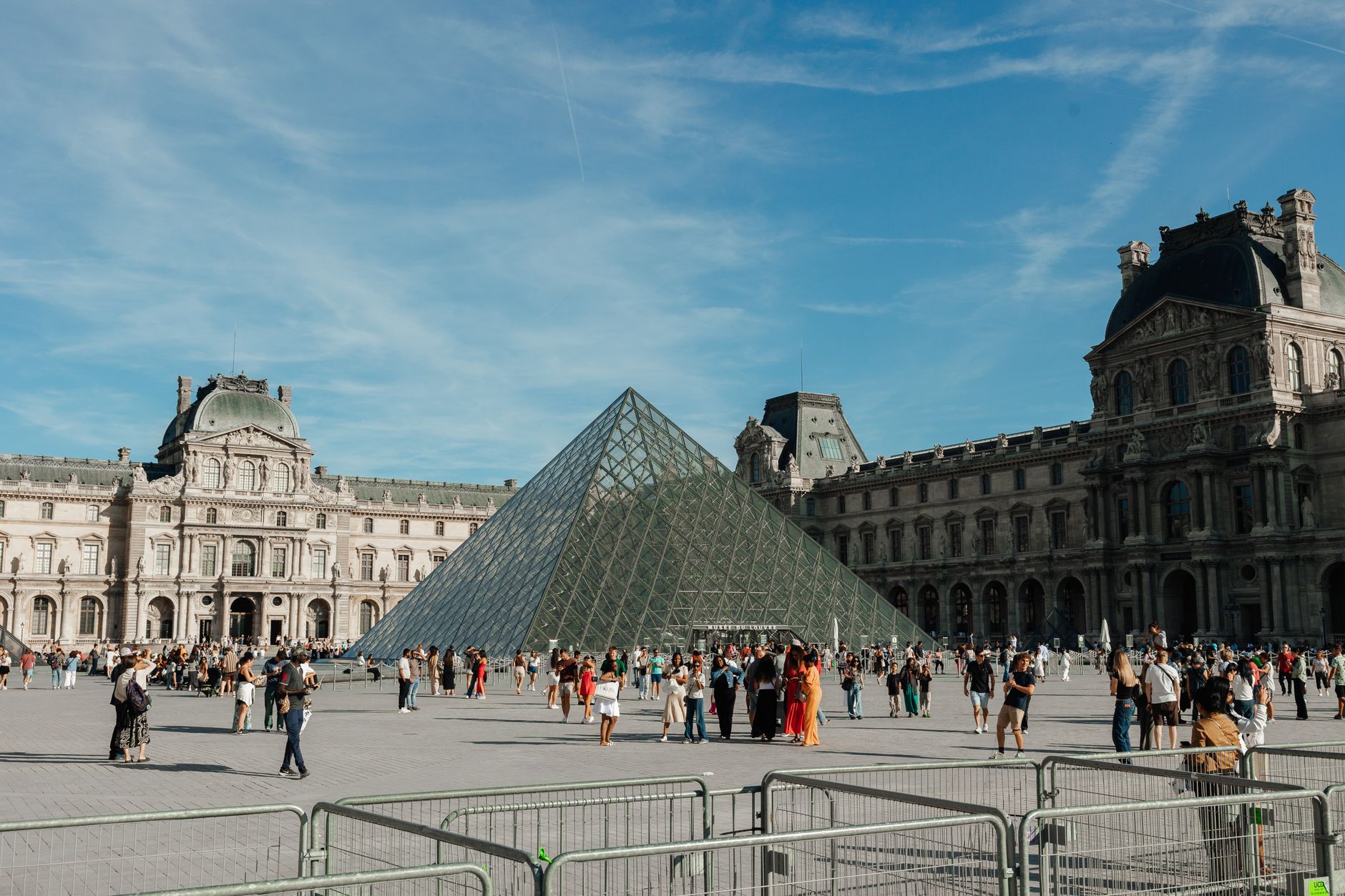
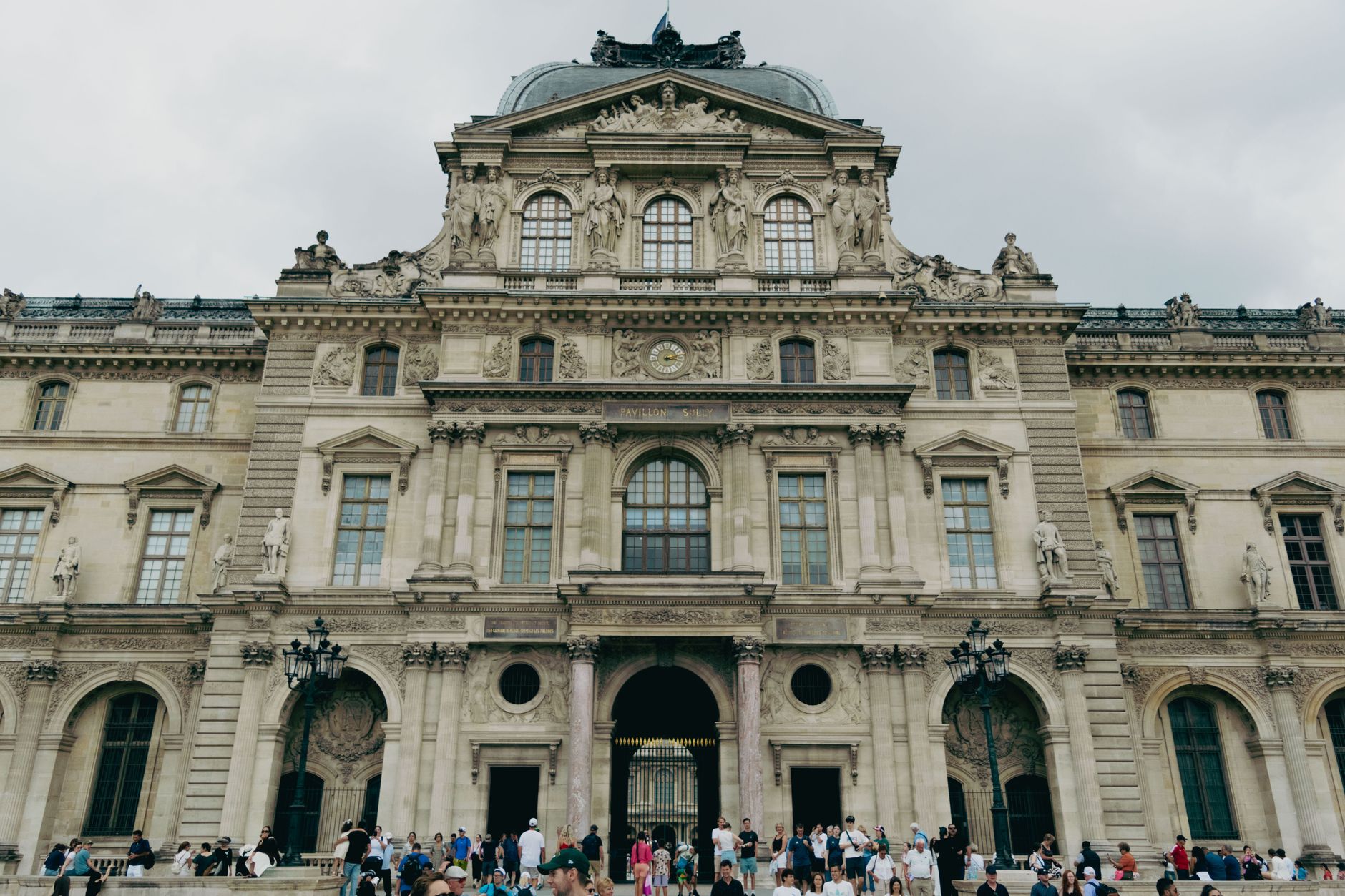
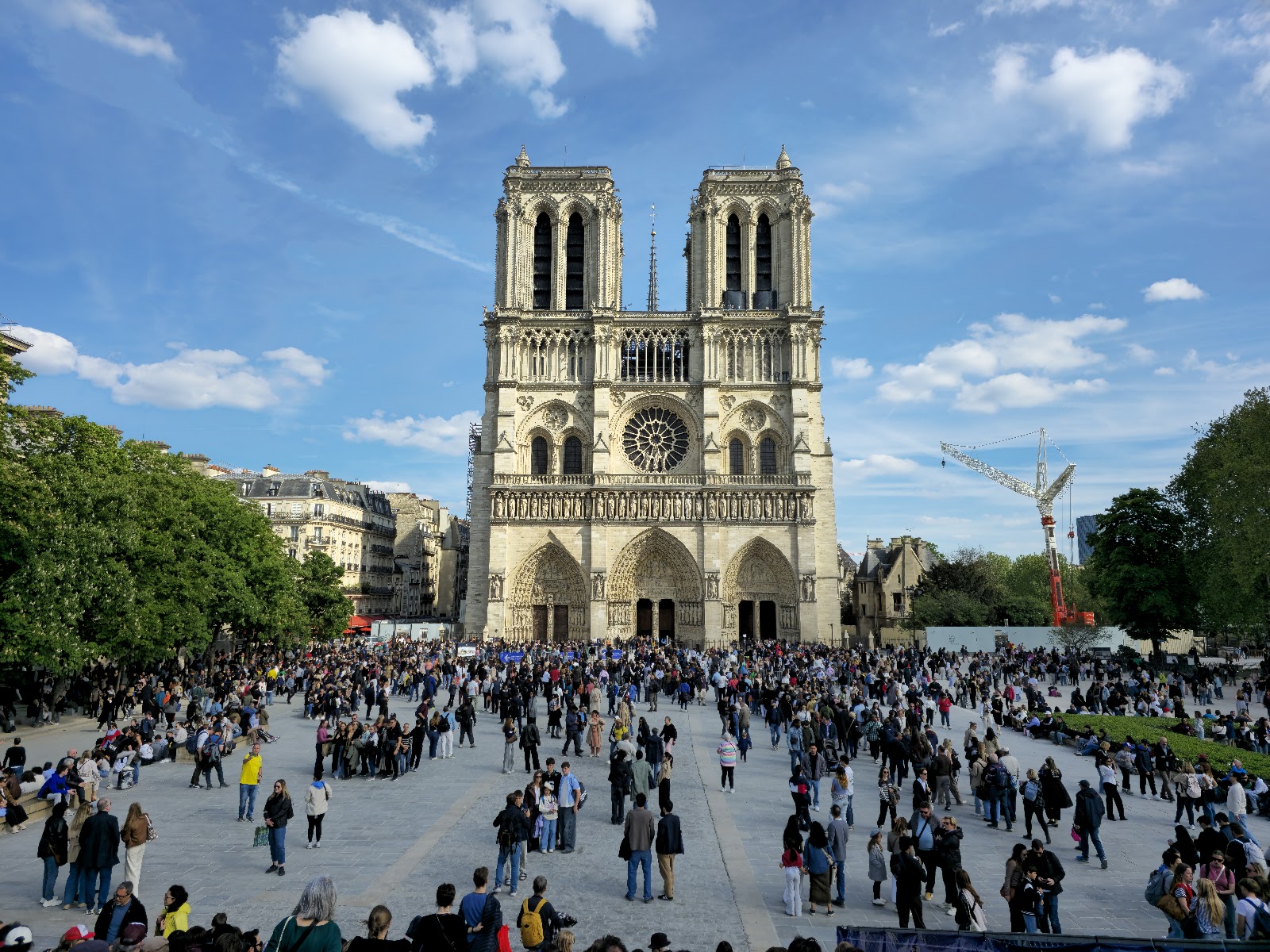
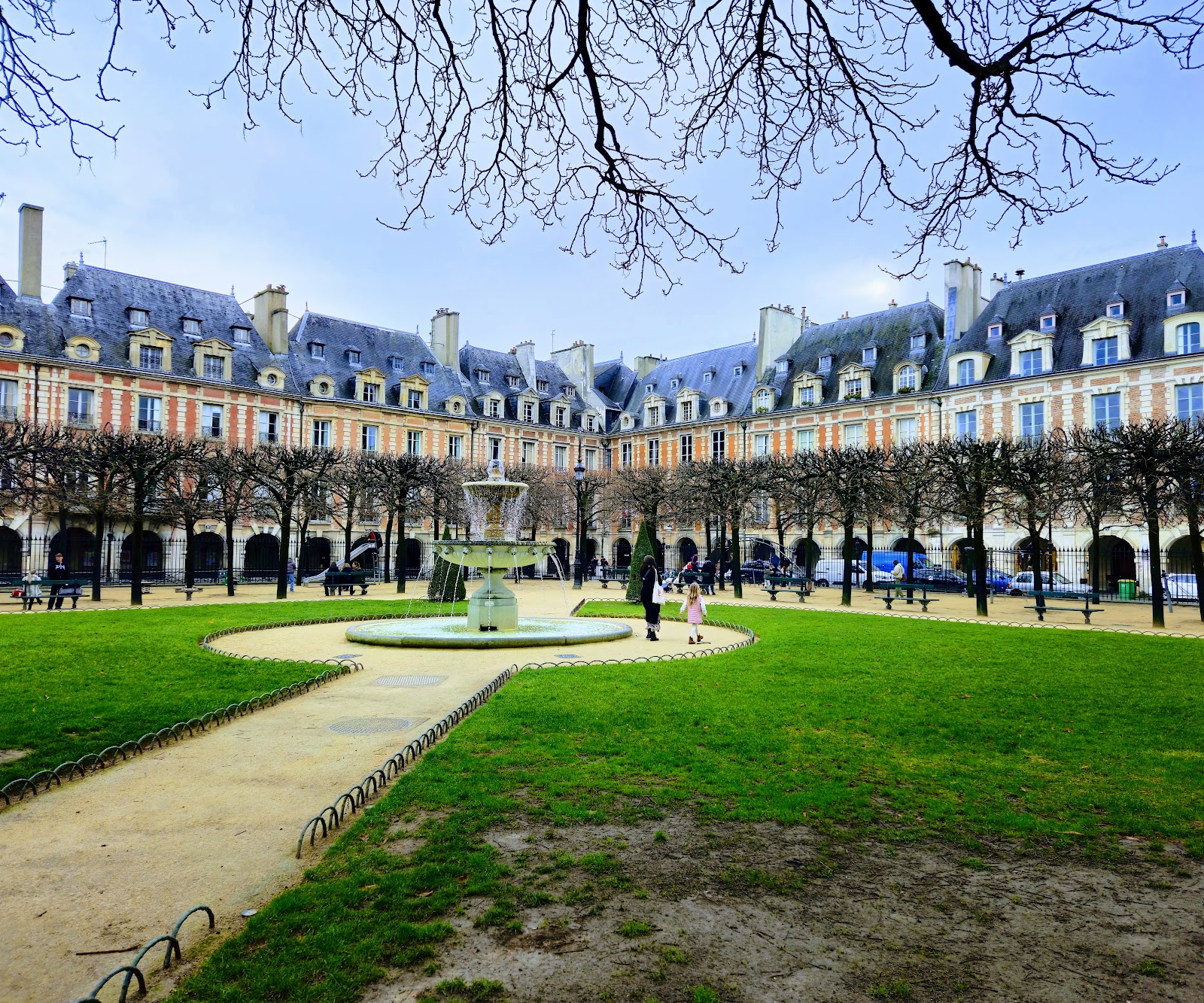
The 4th is where Paris keeps its oldest bones and some of its most arresting architecture side by side. On Île de la Cité, Notre-Dame's scaffolding still rises against the sky after the 2019 fire; on the Right Bank, the geometric arcades of Place des Vosges frame a square that has stood since the early 17th century. Between them, Le Marais layers medieval cloisters, aristocratic courtyards, and the deliberately inside-out pipes of Centre Pompidou into one of the most compressed and walkable patches of the city.
At just over 1.6 square kilometres, this is one of Paris's smallest arrondissements — you cover a lot of centuries in a short walk.
💛 What travellers fall for
People who come back tend to time a visit for the first Sunday of the month, when the Pompidou waives admission. They stop at Berthillon on Île Saint-Louis for ice cream regardless of the season, and they duck into the Cloître des Billettes — the only surviving medieval cloister in Paris — mostly because no one else seems to know it's there.
Deals in Paris 4th Arrondissement
Book directly at the provider

How Paris 4th Arrondissement came to be
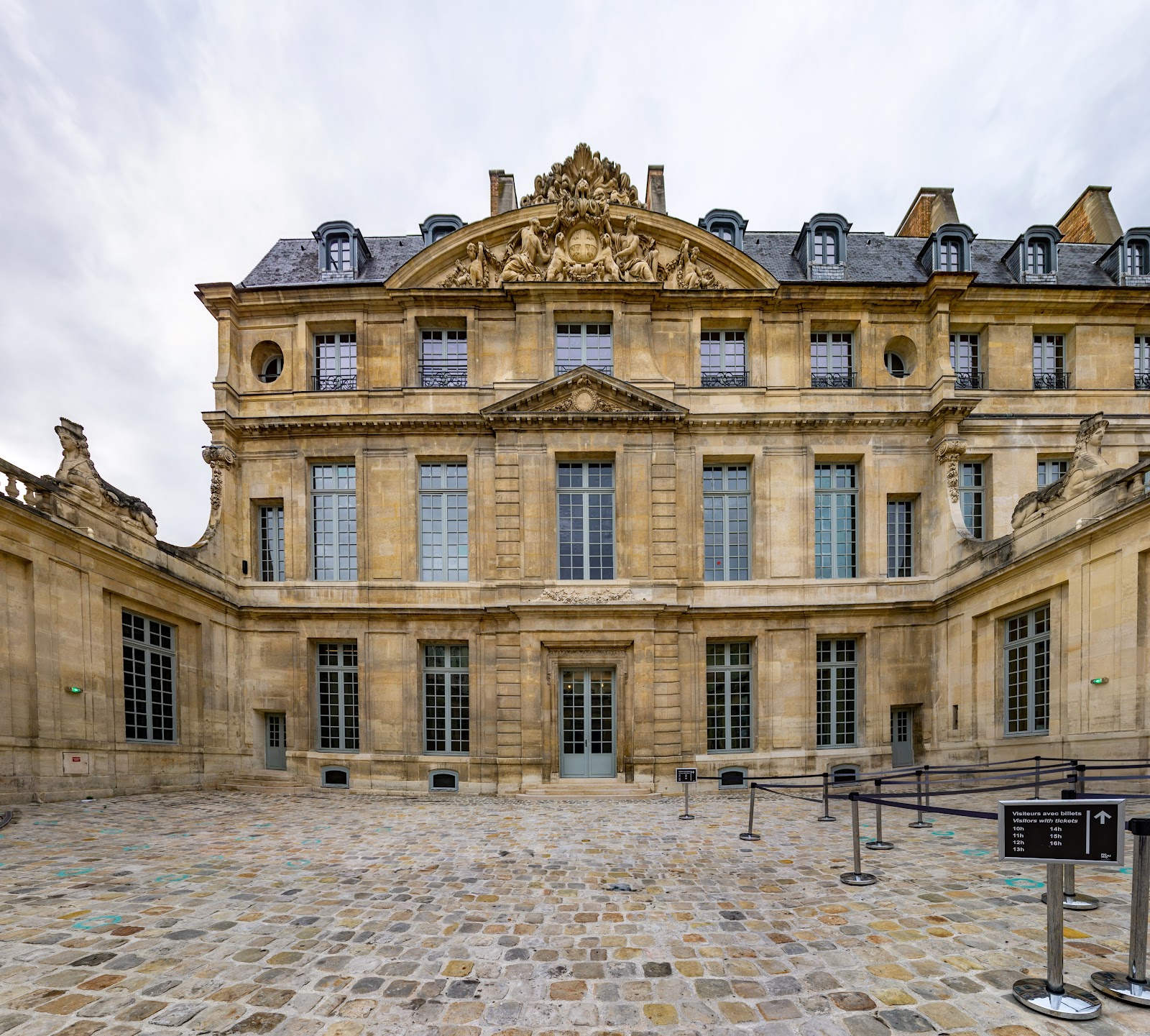
The ground under the 4th has been occupied since the Parisii tribe settled Île de la Cité in the 1st century BC. The Right Bank followed centuries later, and Le Marais — the name means 'marsh' — was only made habitable when Charles V had it drained in the 14th century and folded inside the city's new ramparts. Religious orders arrived first, then the French nobility, who raised the hôtels particuliers whose courtyards you still walk through today.
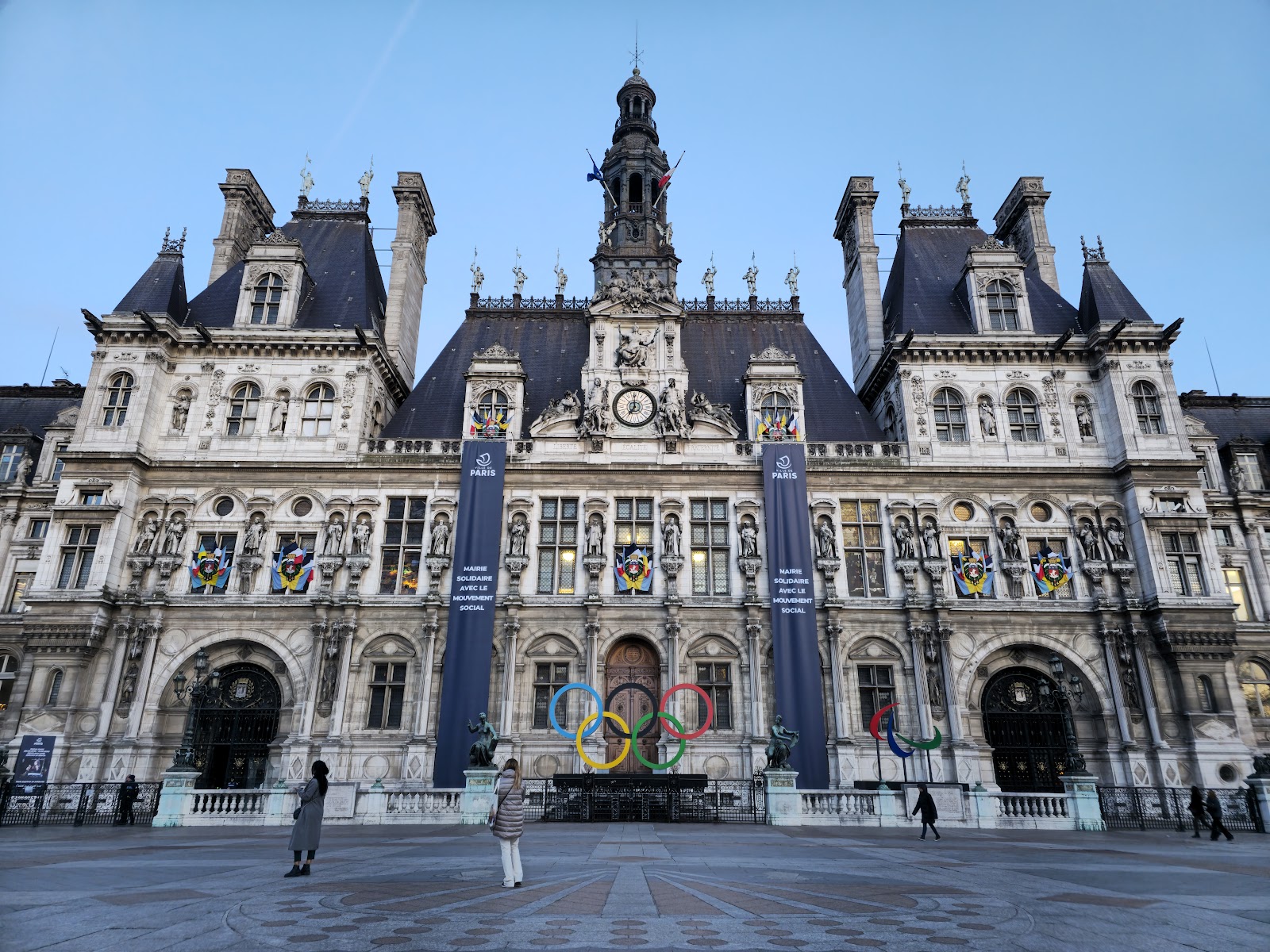
The arrondissement took its current shape in the 1860 reorganisation of Paris. The Hôtel de Ville, burned during the Commune de Paris, was rebuilt between 1874 and 1882. Then in 1977, Renzo Piano and Richard Rogers completed Centre Pompidou — a building that looked like the city's infrastructure had been turned deliberately inside out — and changed the neighbourhood's register entirely.
Who and what shaped it
People who shaped it
Landmark buildings
See Paris 4th Arrondissement in motion
Plan your visit
On the map
When to go
January sits around 8–9°C with occasional frost; July averages 20.5°C and sees slightly less rain than the rest of the year. Spring and September are the most comfortable seasons for long days on foot, though the 4th rewards a visit in any weather — most of what you come for is stone and glass and indoors.
Right now
↡ Attractions
Background & history adapted from Wikipedia (CC BY-SA) · specs from Wikidata (CC0) · weather from Open-Meteo · map data © OpenStreetMap contributors · photos from Wikimedia Commons / Unsplash with per-image credit. No third-party reviews or social posts reproduced.