
Musée Picasso Paris
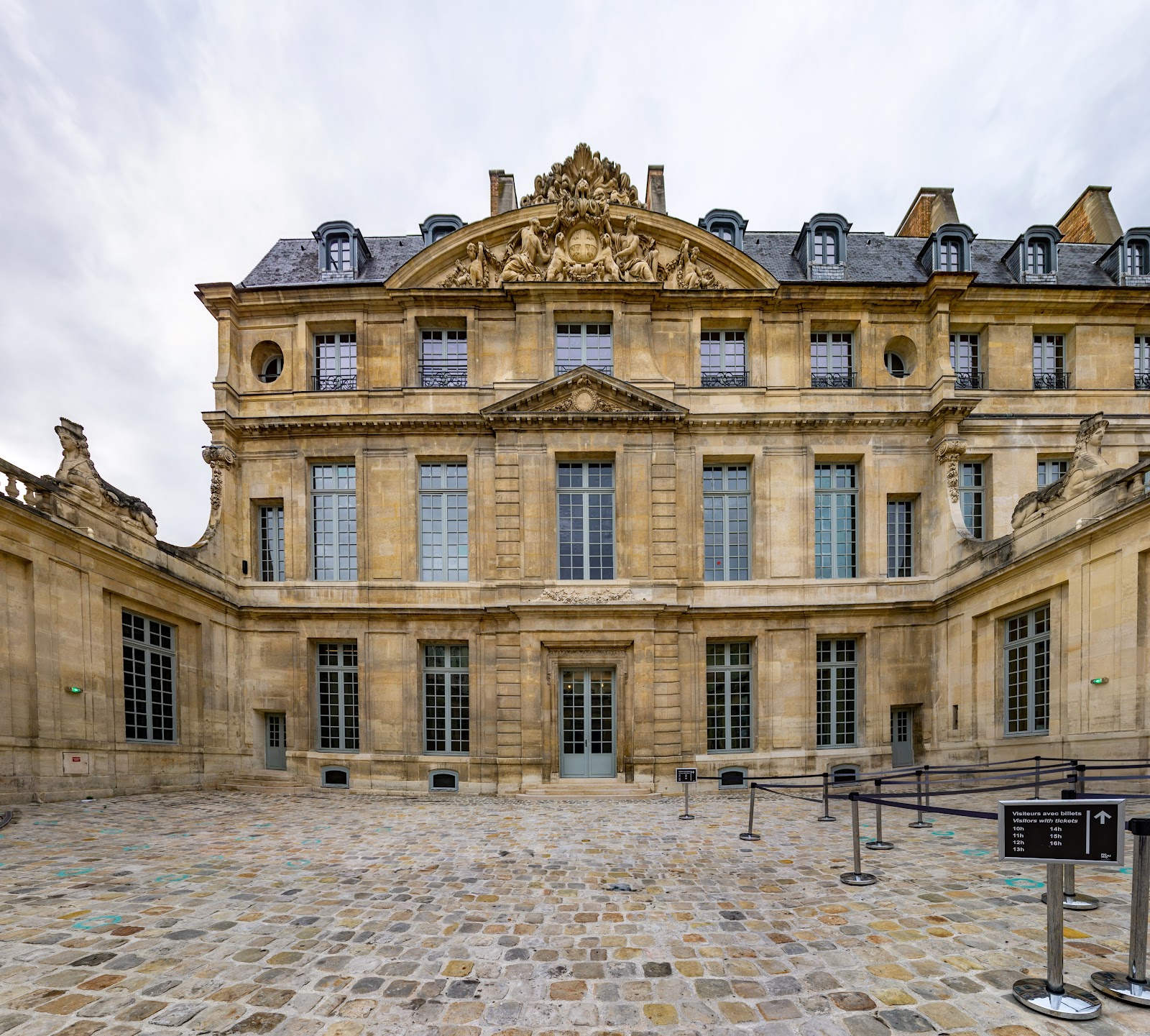
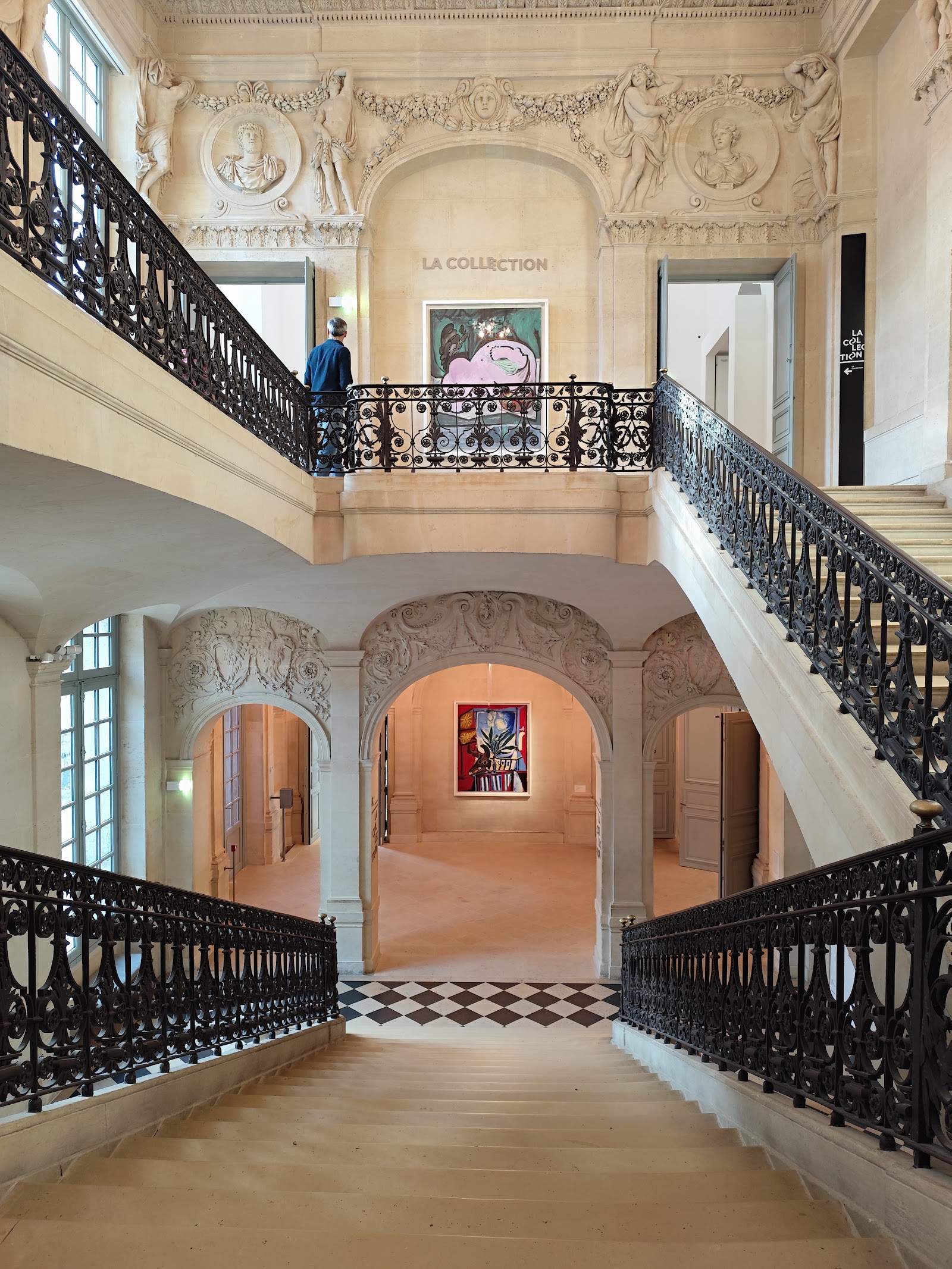
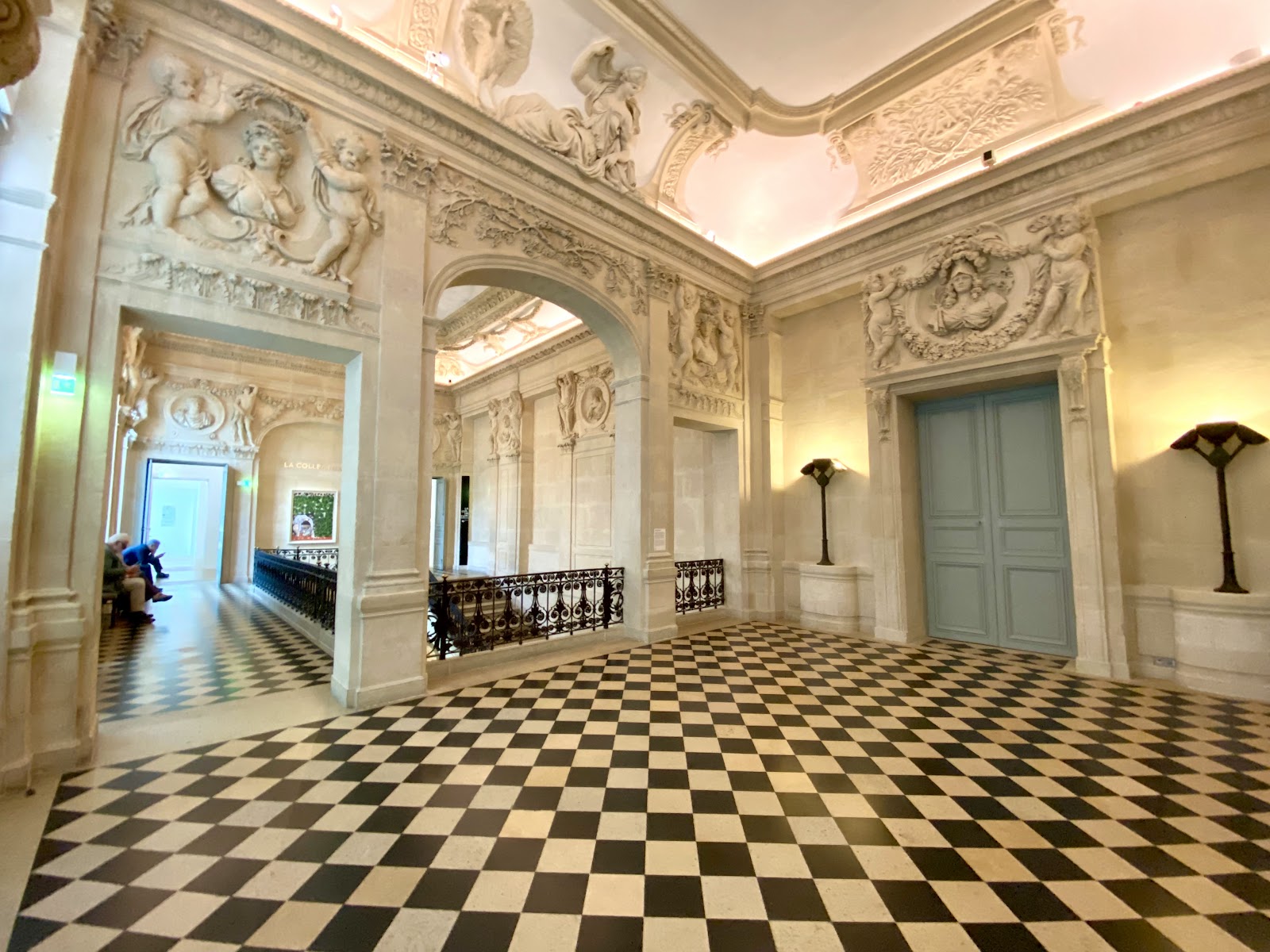
The entrance is on Rue Vieille-du-Temple, not the address you might have saved. That small misdirection sets the tone: the Musée Picasso Paris rewards a little patience. Once inside the Hôtel Salé — a 17th-century mansion built on salt-tax money — you move through 22 rooms where the grand staircase, carved by the Marsy brothers and Martin Desjardins, pulls you upward before you've even looked at a single canvas.
The collection here didn't come through conventional acquisition. France's dation system allowed Picasso's heirs to settle his estate taxes with art, which is how the museum opened in 1985 with 228 paintings, 149 sculptures, and over three thousand drawings. It's less a survey of his work than a portrait of his mind.
💛 What travellers fall for
Regulars tend to head straight to the attic rooms, where Picasso's personal collection — works by friends and contemporaries — sits beneath original wooden beams. The first Wednesday of the month brings evening hours until 10 pm and a reduced €12 ticket; the rooms thin out considerably after 7. The rooftop café opens from 10:30 am and faces the Hôtel Salé's façade directly.
The story behind Musée Picasso Paris
The Hôtel Salé was built between 1656 and 1659 for Pierre Aubert de Fontenay, whose fortune came from collecting the salt tax — salé means salted, and the nickname stuck with a certain irony. The building changed hands repeatedly before the City of Paris acquired it in 1964; it was granted historical monument status four years later and restored through the 1970s.
The competition to convert it into a museum drew entries from architects including Carlos Scarpa and Roland Castro's GAU Group, but the contract went to Roland Simounet, born in Algeria in 1927 and trained at the École d'architecture du Quai Malaquais. Diego Giacometti designed the furnishings. Inaugurated by President François Mitterrand in October 1985, the museum closed again in 2009 for expansion — a renovation beset by cost overruns that kept it shuttered until 2014.
Good to know
Take Line 8 to Saint-Sébastien–Froissart or Line 1 to Saint-Paul — both are a short walk. Tuesday to Sunday, 9:30 am to 6 pm; closed Mondays and major holidays. Entry is free on the first Sunday of each month and for EU residents under 26. Leave large bags at your accommodation — no suitcases or backpacks are permitted and there's no cloakroom for them.
Where is Musée Picasso Paris?
Location
- In Paris 4th Arrondissement
- 48.8599, 2.3626
- Open in Google Maps
Rating
4.4 ★ · 15,175 Google reviews
More tickets & tours for Musée Picasso Paris
Book directly at the provider
What travellers say about Musée Picasso Paris
Musée Picasso is one of the most interesting art museums in Paris, especially if you want to understand Picasso’s development across different periods and styles. The collection is extensive but still manageable to see in a few hours, and the museum is organized in a way that lets visitors follow both the artistic evolution and parts of Picasso’s personal life. The museum includes paintings, sculptures, sketches, ceramics, photographs, and archival material, so the visit feels broader than a standard painting museum. For me, the most remarkable works are the portraits of people Picasso loved. They make the museum feel personal and human, not only historically important. Across very different artistic styles, the emotional connection to family, friends, and companions remains visible and gives many works unusual warmth and intensity. The building itself, a historic mansion in the Marais, also adds a lot to the experience. The atmosphere is calmer than in some of the largest Paris museums, and the rooftop terrace café is pleasant in good weather with nice views over Paris rooftops. 🎨🇫🇷
The Musée Picasso in Paris is a must-visit for art lovers. Housed in a beautiful historic mansion, the museum itself is impressive before you even see the artwork. The collection offers a deep and fascinating insight into Pablo Picasso’s life and creative evolution, with paintings, sculptures, sketches, and personal works displayed in a clear and engaging way. Each room tells a different story of his artistic journey. The calm atmosphere and thoughtful layout make the visit enjoyable and inspiring. If you appreciate modern art or want to better understand Picasso’s genius, this museum is well worth your time.
A quaint museum for any Picasso or general art enthusiast. Apparently it has the richest public collection of Picasso works in the world. It showcases not only many of his paintings but also many of his sculptures. Worth the visit if you're in Paris and are overwhelmed by the Louvre like I was. 🤭
Unforgettable art works. Über beautiful building, and very nice staff, from ticket office to café and shop. My only complaint is that there were way too many school groups and sometimes you cannot even approach the works because the kids are seated on the whole floor. Maybe you should reserve the museum for students at specific times and days?
Such a fun, gorgeous museum! Awesome building, the architecture, the interiors, staircases - a beautiful home to so many incredible Picasso masterpieces! And the little coffee shop at the top - delicious coffee and pastries 😊 I love art museums and this is definitely a great one, I highly recommend it! ❤️ A+
More of Paris 4th Arrondissement
Discover where to stay, what to do and the best deals for your trip.
Explore Paris 4th Arrondissement →More attractions in Paris 4th Arrondissement
All of Paris 4th Arrondissement →
Background adapted from Wikipedia (CC BY-SA) · map data © OpenStreetMap contributors · ratings & place photos via Google · other photos with per-image credit. Ticket links may earn us a commission at no extra cost to you.