
Mémorial de la Shoah
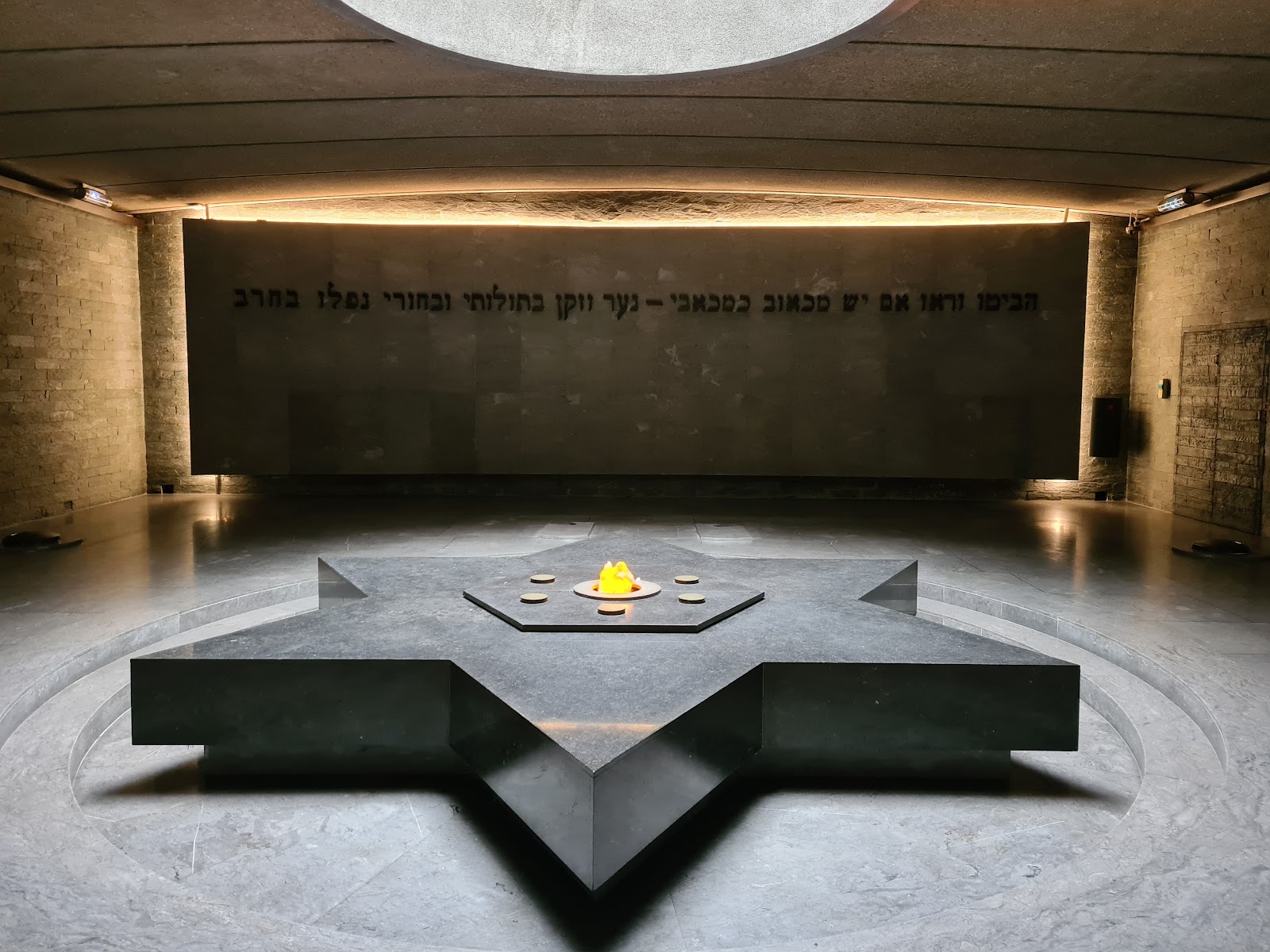
The Wall of Names stops you before you're ready for it. Running along the exterior at 17 rue Geoffroy-l'Asnier, it carries the names of approximately 76,000 French Jews deported and murdered by the Nazis — listed alphabetically, by year of deportation. You find yourself scanning for a surname without meaning to.
The memorial sits in the Marais, a neighbourhood that was home to a large Jewish population at the start of the Second World War. The Pletzl — Yiddish for 'little place' — was the Jewish quarter here, and that history presses close as you walk in off the street.
💛 What travellers fall for
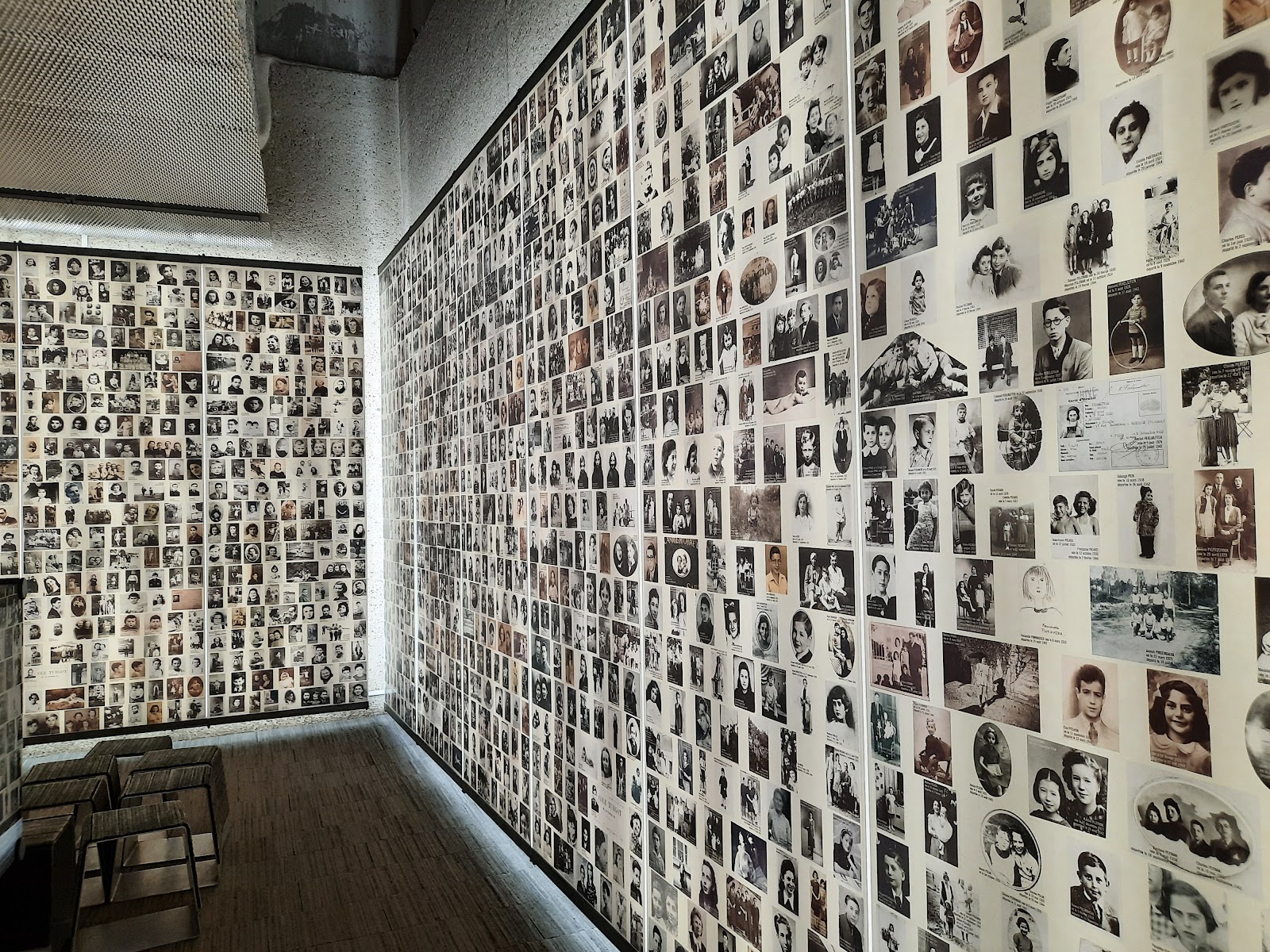
People who return tend to time it for a Thursday evening, when the doors stay open until 9 p.m. and the rooms are quieter. The Sunday guided tour at 3 p.m. — in English on the second Sunday of the month — is worth planning around: it covers ground the exhibition panels alone don't quite reach.
The story behind Mémorial de la Shoah
Isaac Schneersohn founded the Centre for Contemporary Jewish Documentation in Grenoble in April 1943 — while the war was still ongoing — with the deliberate intention of preserving evidence. The first stone of the Paris memorial was laid on 17 May 1953 on land donated by the City of Paris, and the building was inaugurated on 30 October 1956 with fifty delegations from Jewish communities worldwide. It opened under the name Memorial of the Unknown Jewish Martyr.
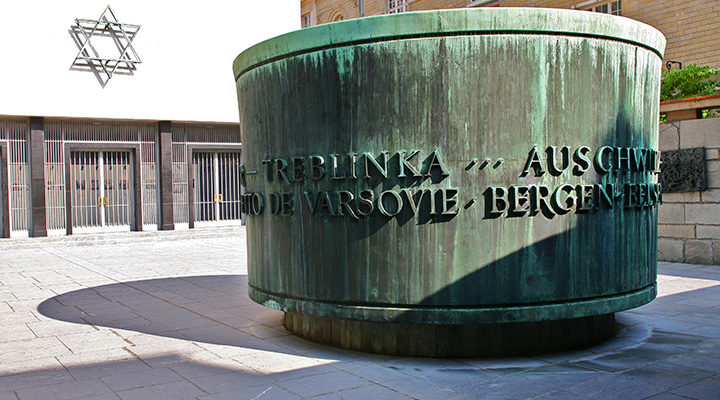
On 24 February 1957, Chief Rabbi Jacob Kaplan solemnly deposited ashes from extermination camps and the Warsaw Ghetto in the crypt, along with soil from Israel. Nearly five decades later, President Jacques Chirac reopened and renamed it Mémorial de la Shoah on 27 January 2005, adding the exhibition spaces, multimedia centre and documentation archive — now holding over a million records — that define the site today.
Good to know
Free admission. Metro Line 1 to Saint-Paul is the most direct approach. Allow at least two and a half hours. The memorial is closed Saturdays, on select Jewish holidays, and on 25 December, 1 January, 1 May, 11 November and 14 July. Fully wheelchair accessible.
Where is Mémorial de la Shoah?
Location
- In Paris 4th Arrondissement
- 48.8551, 2.3574
- Open in Google Maps
Rating
4.7 ★ · 3,865 Google reviews
More tickets & tours for Mémorial de la Shoah
Book directly at the provider
What travellers say about Mémorial de la Shoah
This place will move you deeply. Allow at least an hour probably 2 and bring tissues as the stories here are deeply moving.
It was my first time in Paris and this memorial was the definitive highlight of my whole trip. No, seriously.
An incredibly profound and sad experience. Most placards have English translations, so the experience is not in any way diminished if a visitor does not speak French.
This place brought me to tears and I'm not Jewish. Went to see the current temporary photographic exhibition not realising it was a memori to the lives of the French Jewish population during WWII and earlier. Such a humbling experience. It was free but I would've paid.
No charge to enter, so many vintage photos recalling the Holocaust... The buildup to it, the obsecenity of the concentration camps, and followup trials. An important lesson for our current troubled times where fascist voices and tendencies are taking root again.
More of Paris 4th Arrondissement
Discover where to stay, what to do and the best deals for your trip.
Explore Paris 4th Arrondissement →More attractions in Paris 4th Arrondissement
All of Paris 4th Arrondissement →
Background adapted from Wikipedia (CC BY-SA) · map data © OpenStreetMap contributors · ratings & place photos via Google · other photos with per-image credit. Ticket links may earn us a commission at no extra cost to you.