
Paris 7th Arrondissement
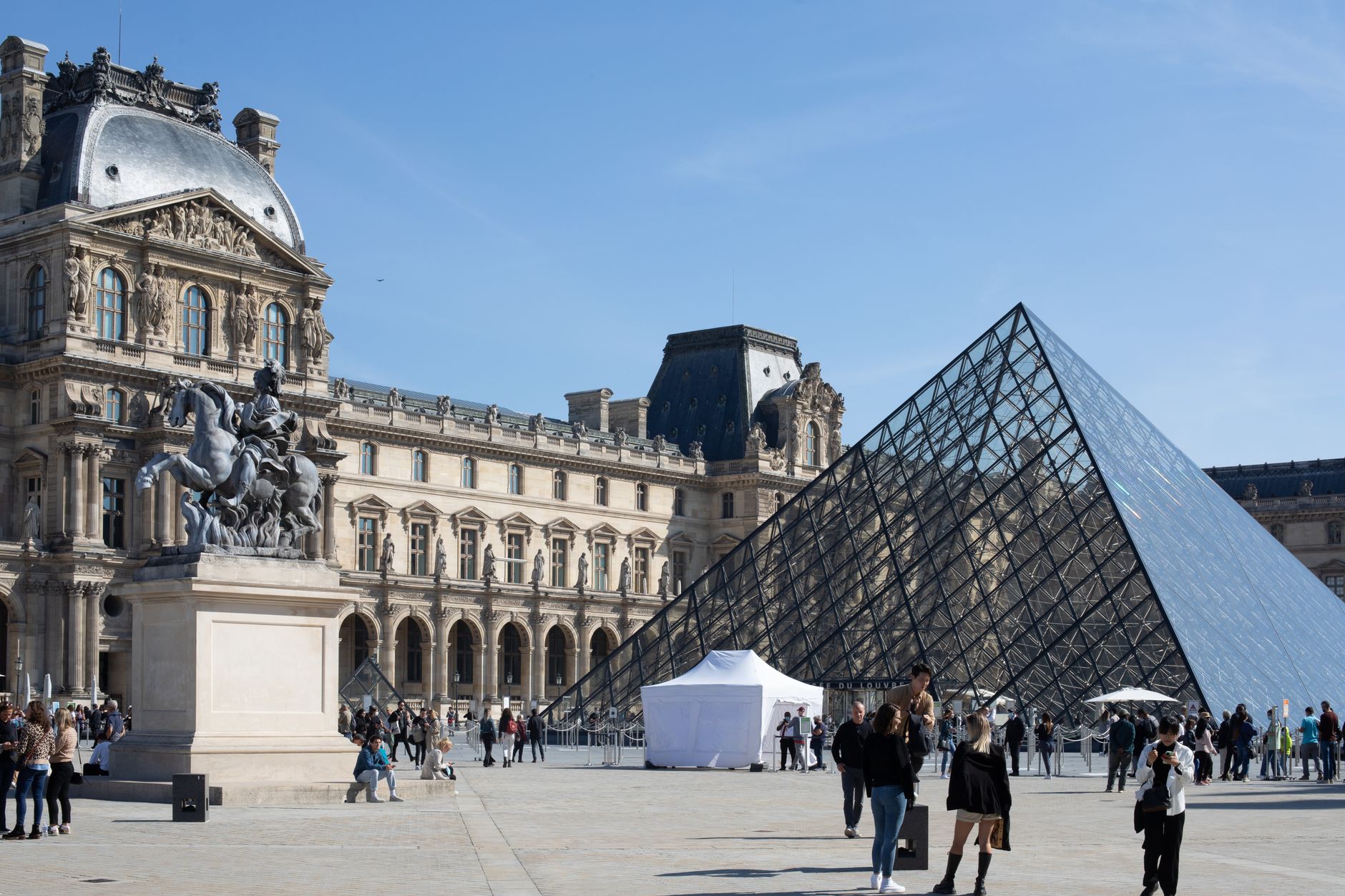
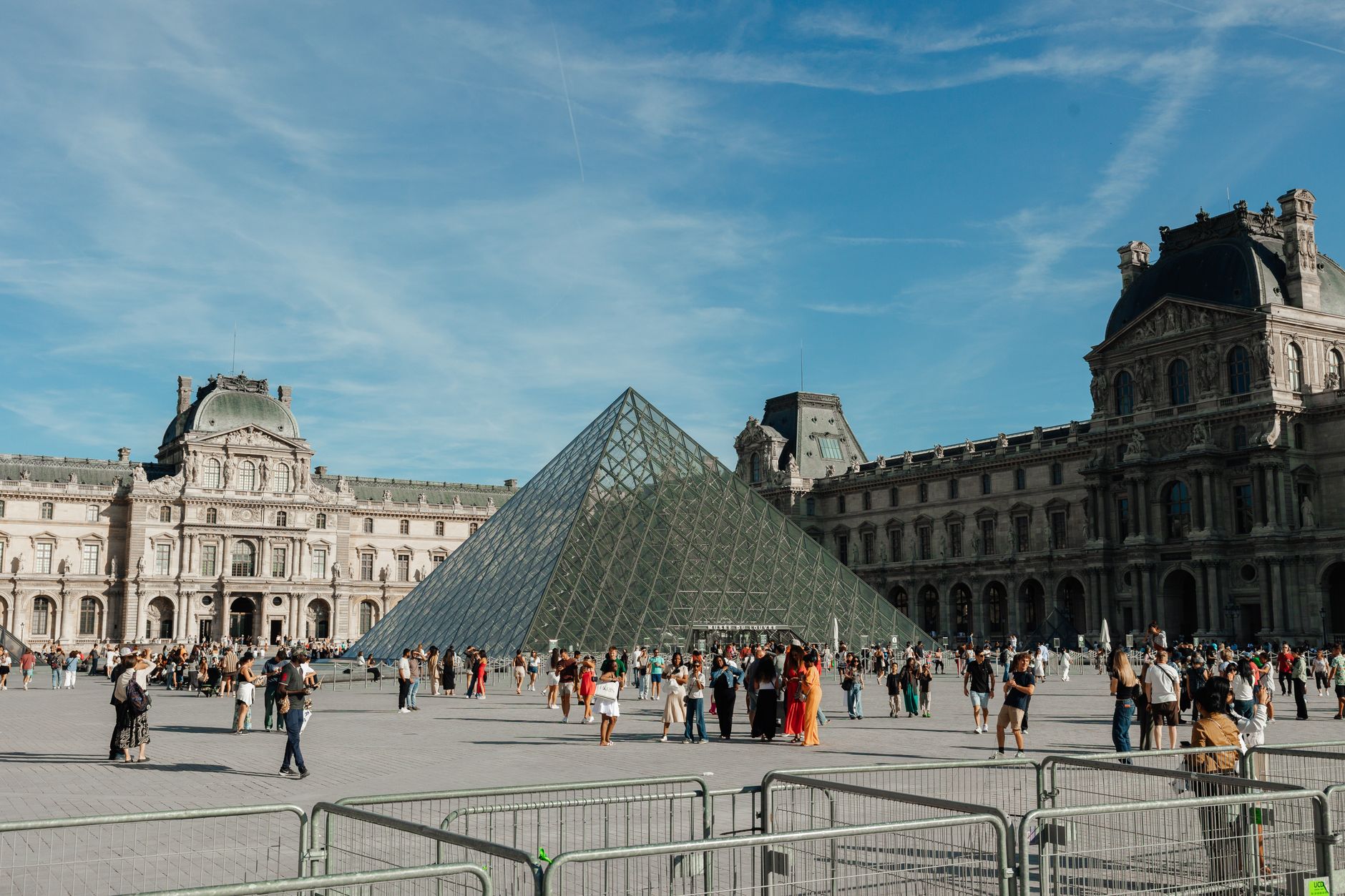
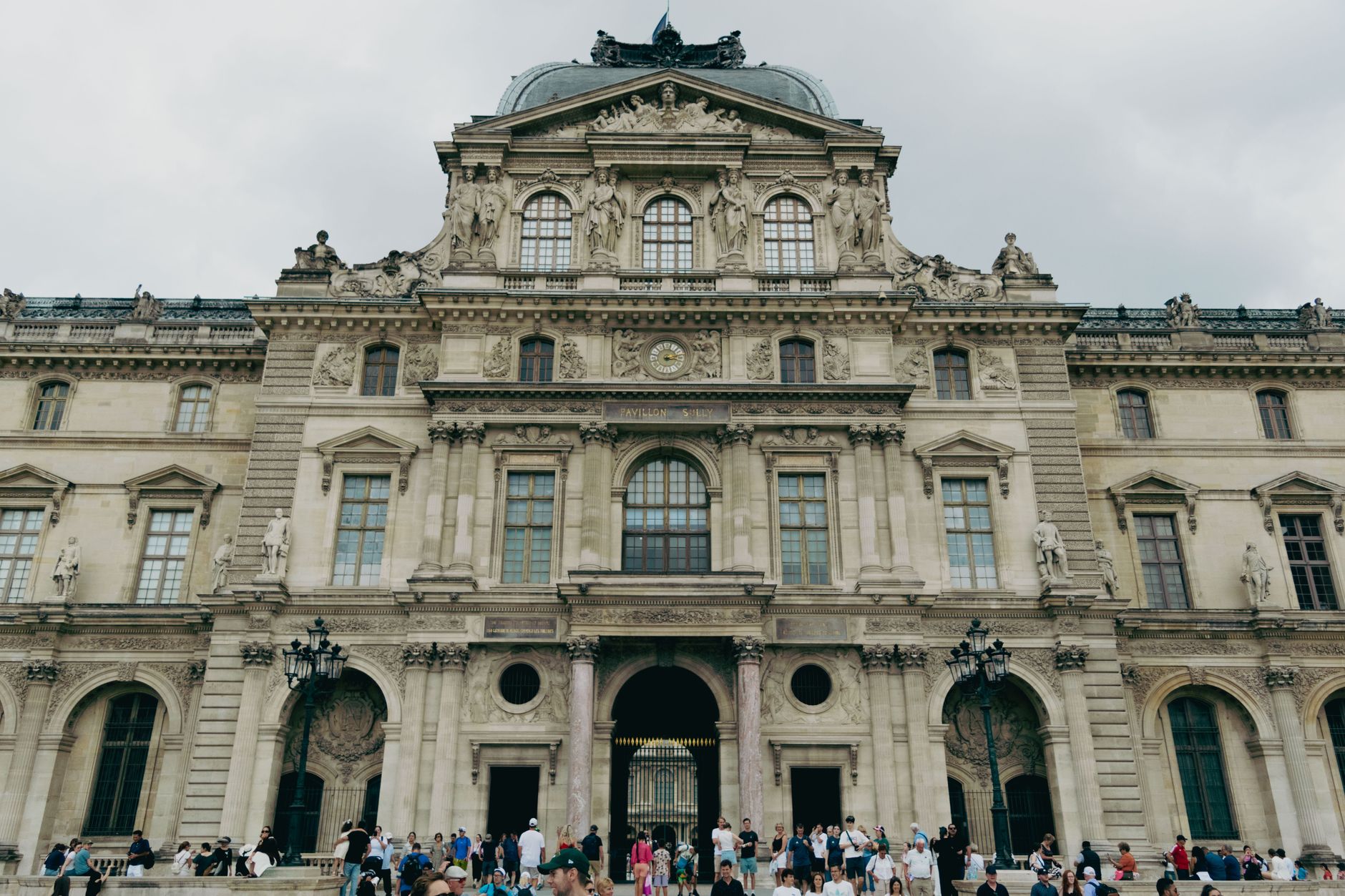
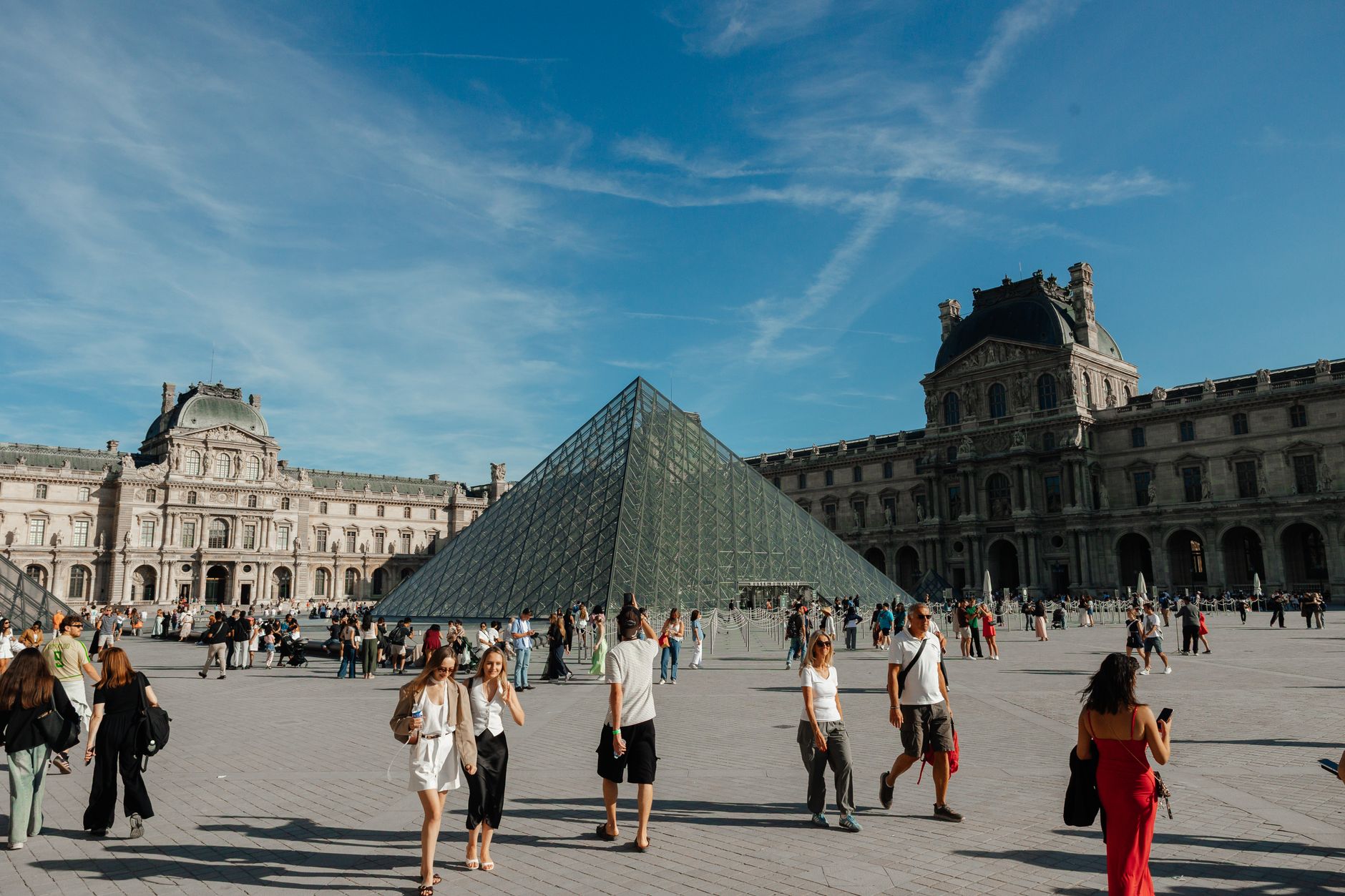
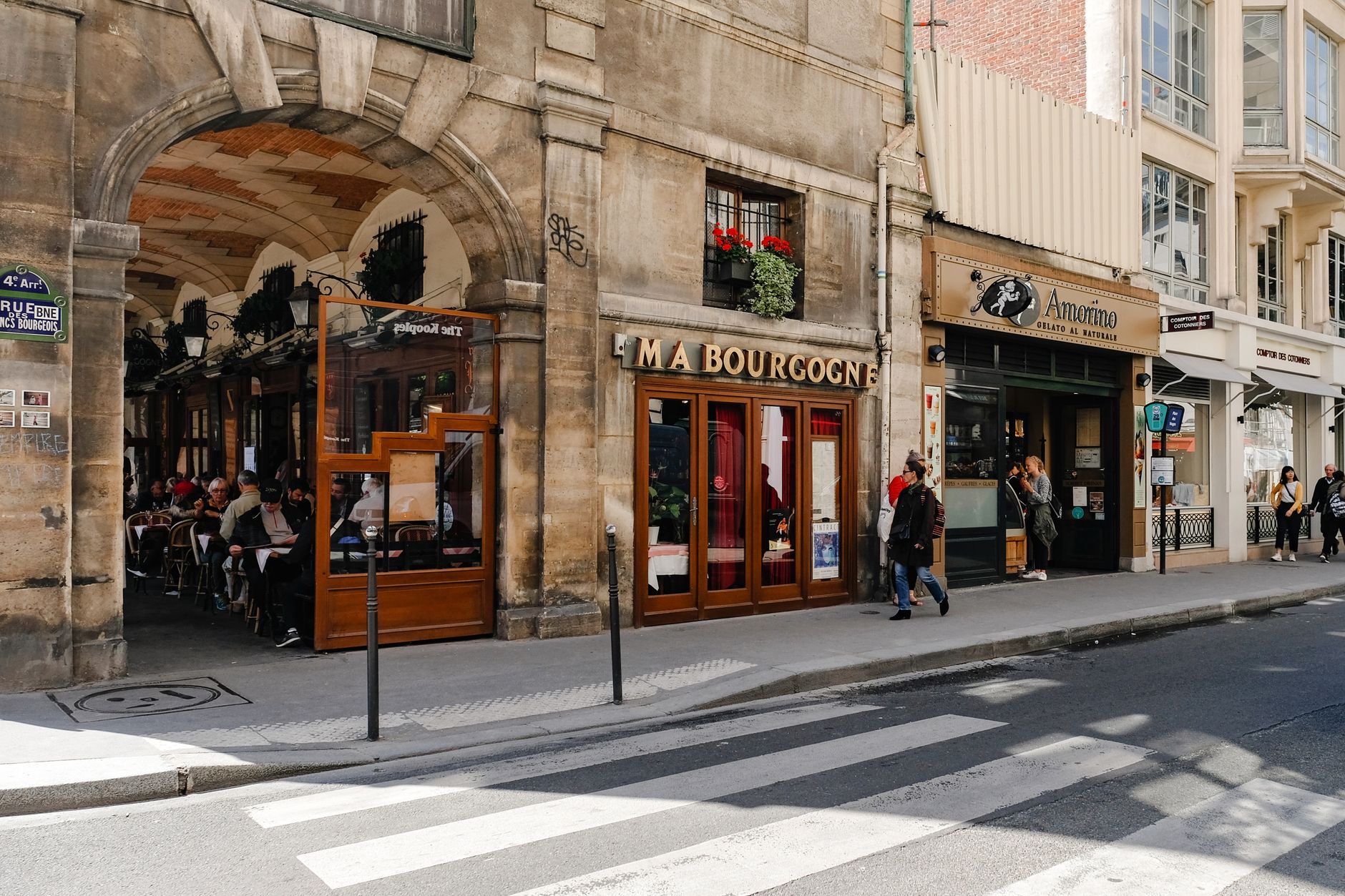
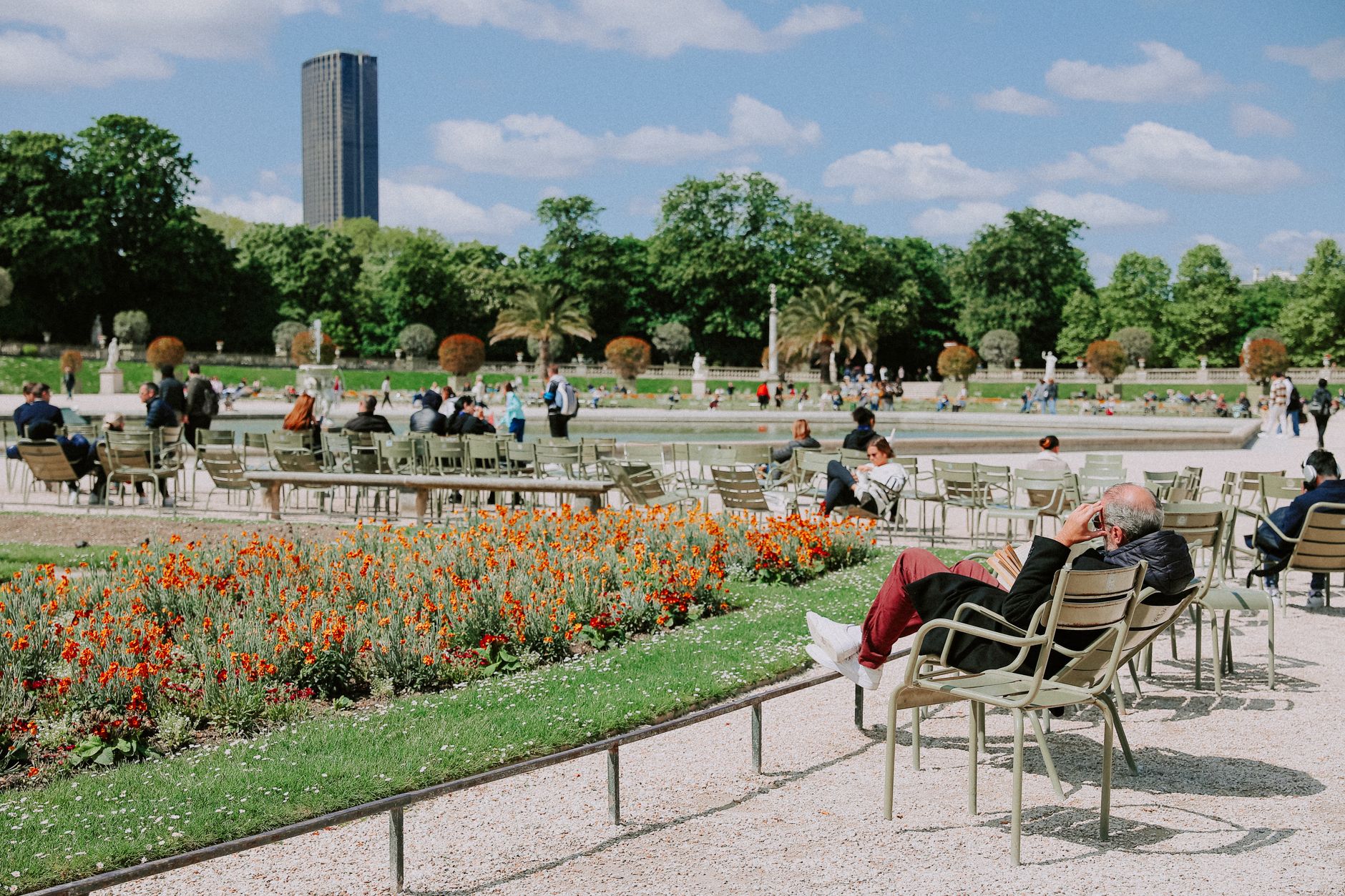
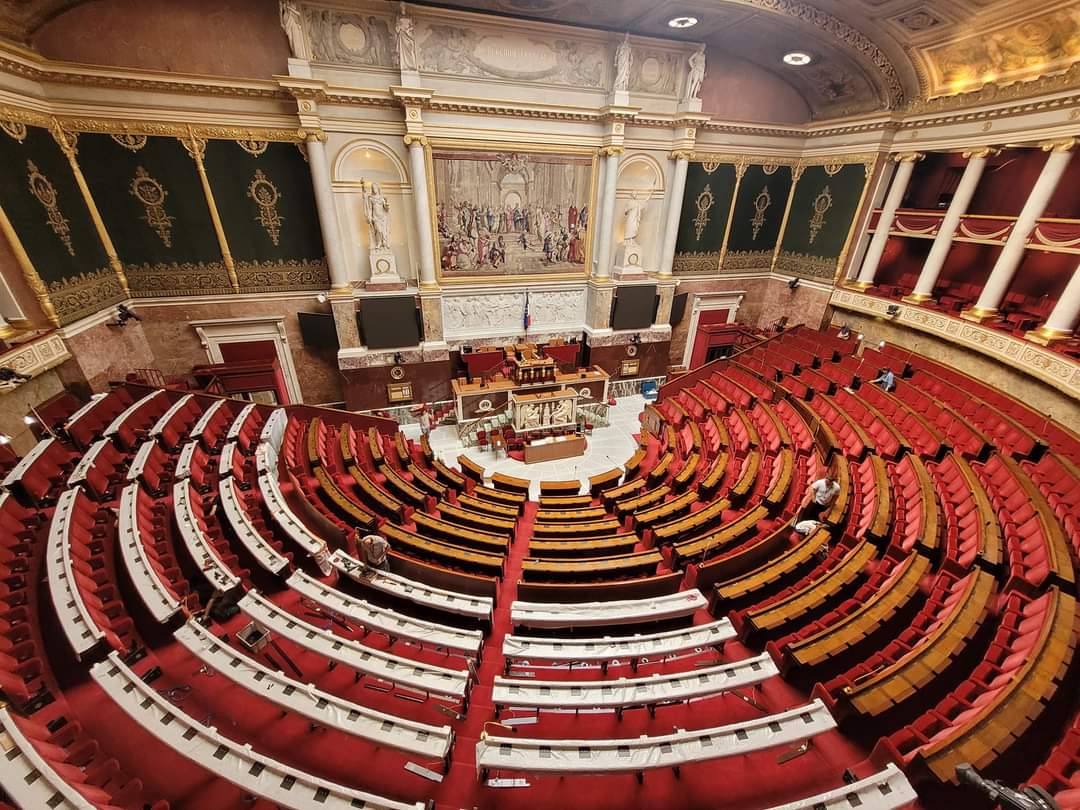
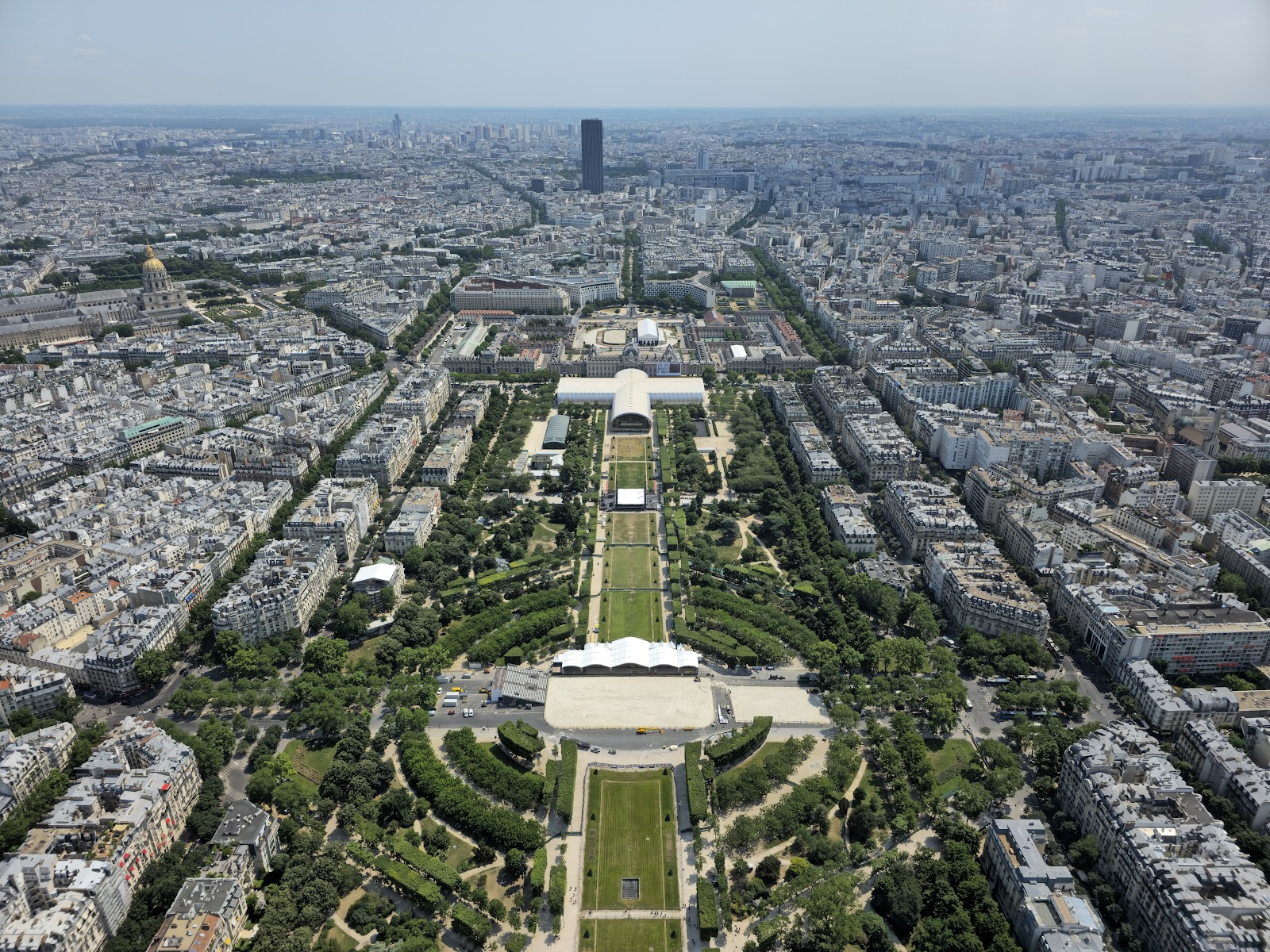
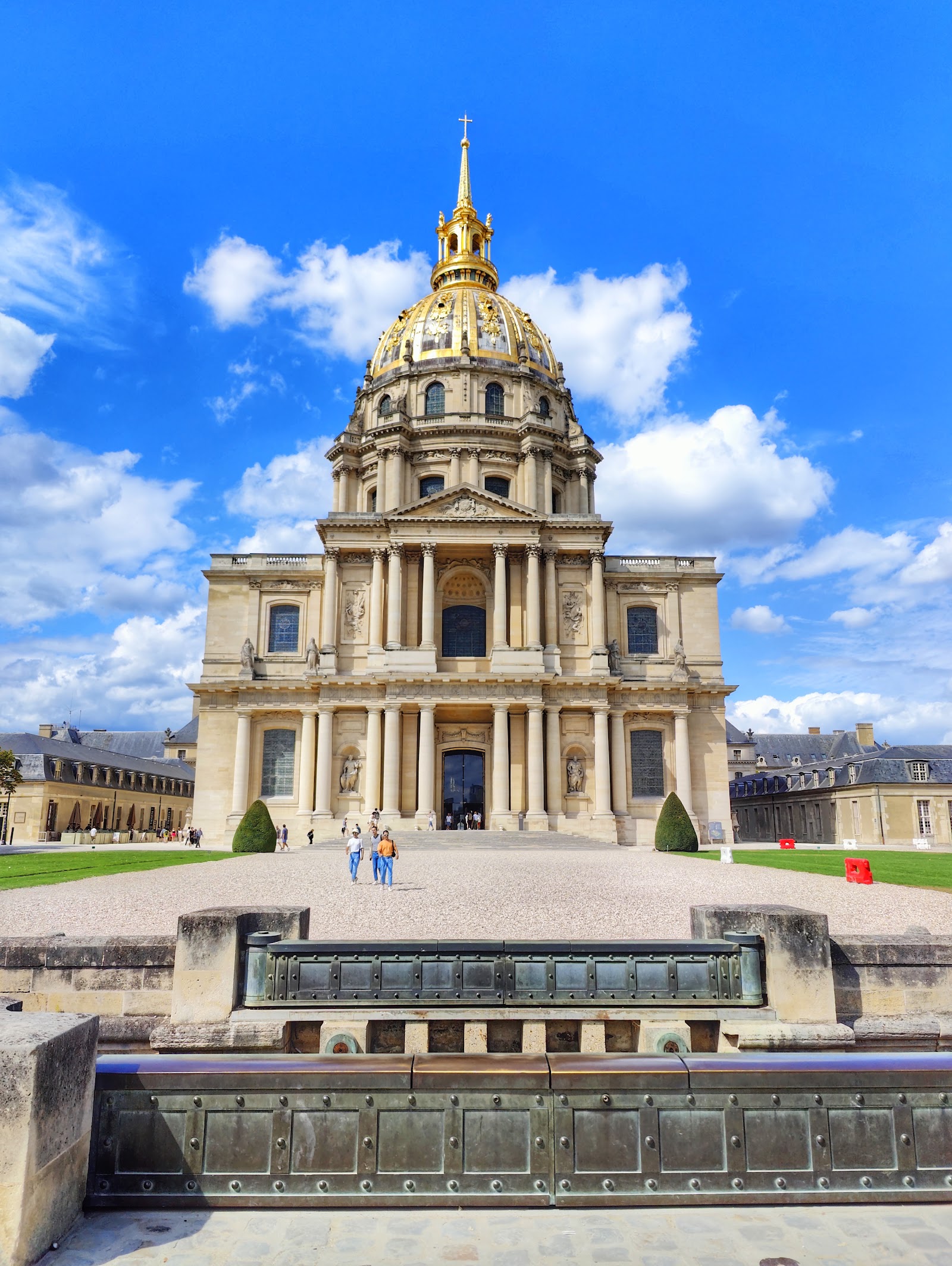
The 7th is the arrondissement where the Eiffel Tower stands in an open field and Napoleon lies under a golden dome, yet the streets around them stay quiet enough that you can hear your own footsteps on the stone. This is old aristocratic Paris — the Faubourg Saint-Germain, where the high nobility retreated in the 17th century when the Marais grew too crowded and too loud — and the hôtels particuliers they left behind now house ministries, embassies and the National Assembly.
Five Universal Exhibitions shaped the western edge of the arrondissement between 1855 and 1900, leaving behind the iron tower, the vaulted train station turned art museum, and the park that connects them. The 7th rewards slow walking more than most.
💛 What travellers fall for
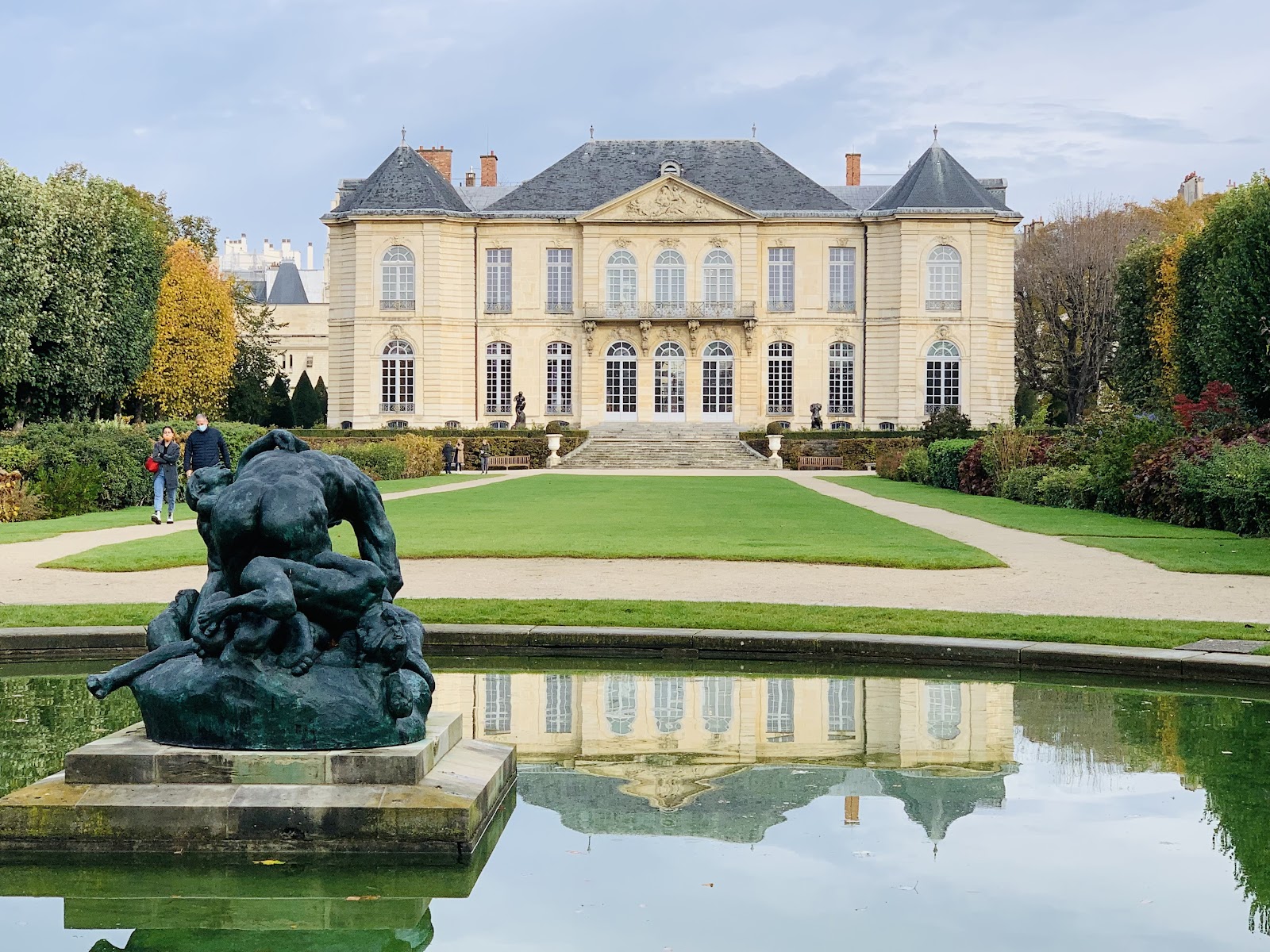
Regulars tend to time the Musée Rodin for a weekday morning, when the garden is nearly empty and the sculptures hold the light differently than they do in photographs. The Pont de l'Alma market on a Wednesday or Saturday is worth an early start — it's the largest open market in the city, and the produce reflects the neighbourhood's exacting standards.
Deals in Paris 7th Arrondissement
Book directly at the provider

How Paris 7th Arrondissement came to be
The 7th's character was set in the 17th century, when French nobility abandoned the Marais for the cleaner air and open land of the Faubourg Saint-Germain. The grand private mansions they built defined the district's scale and its social register, and during the Restoration the Faubourg recovered its position as the most exclusive address in France and, effectively, a political centre of the country.
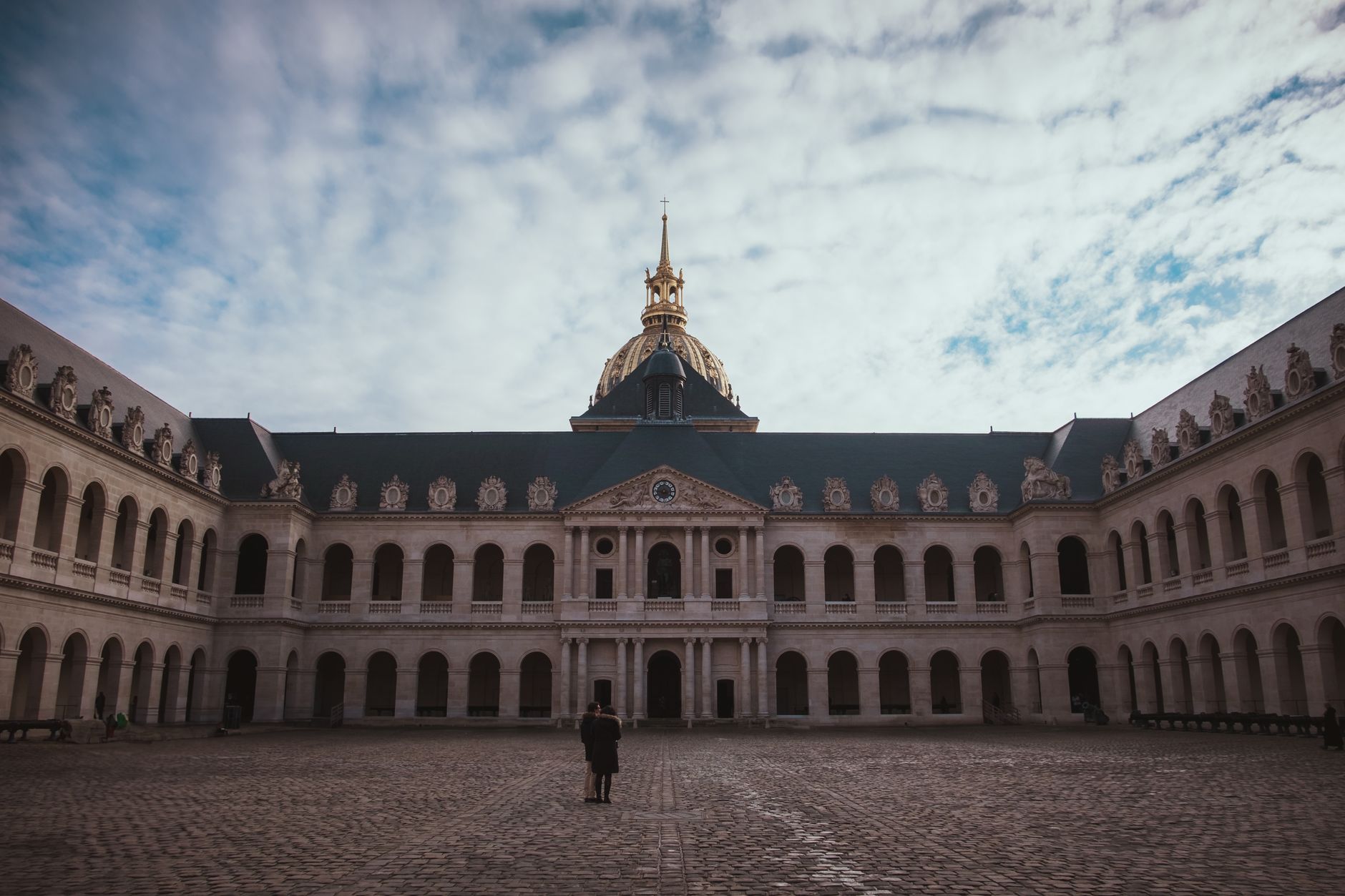
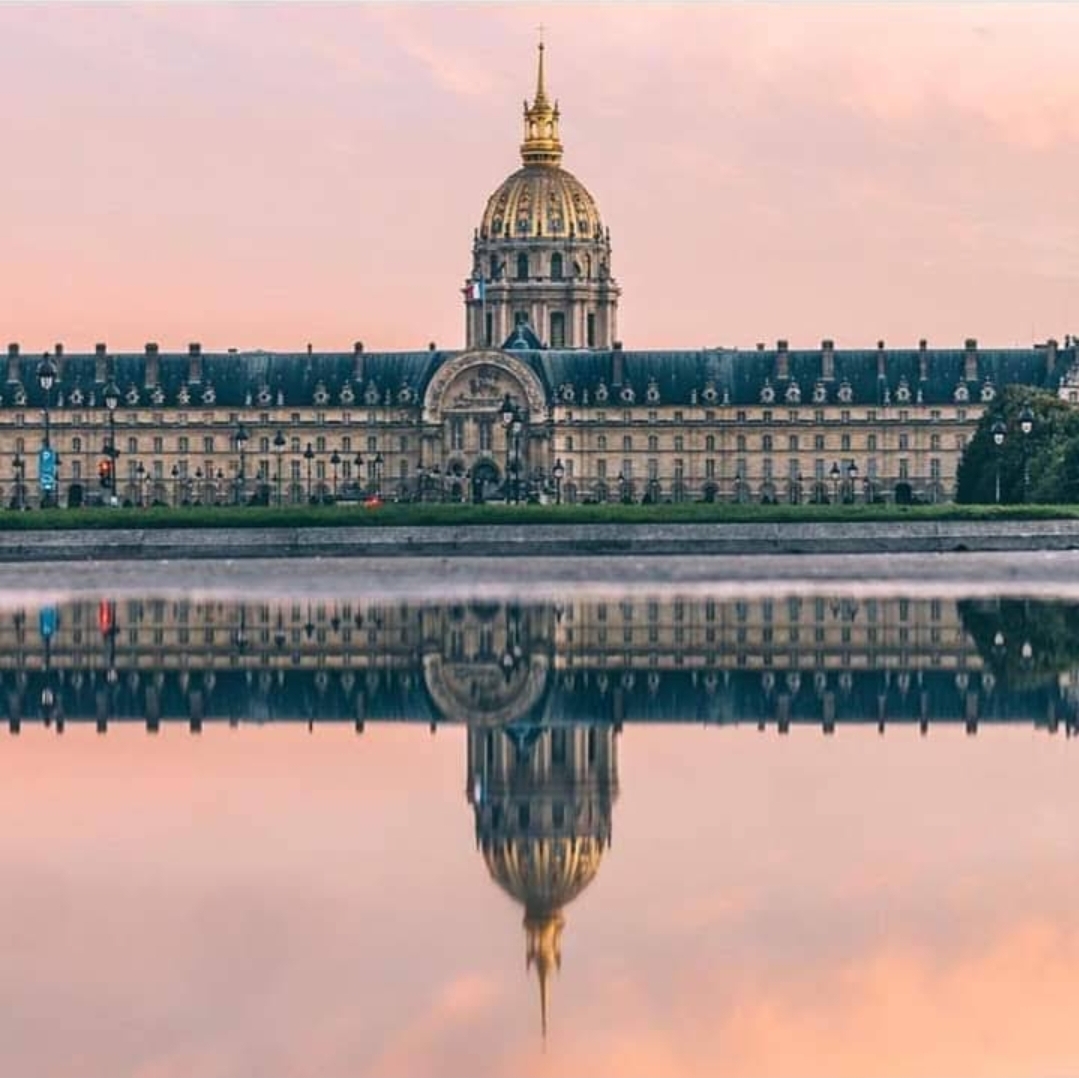
The arrondissement as a formal administrative unit dates to 1860, though its ambitions were already evident. Between 1855 and 1900 it hosted five Universal Exhibitions; the 1889 exposition produced Gustave Eiffel's 330-metre tower, built to mark the centenary of the French Revolution, and the 1900 exposition left the Orsay building, which reopened as a museum in 1986. Louis XIV had set an earlier precedent in 1671, founding the Hôtel des Invalides as a hospital for 6,000 wounded soldiers — a function it has never entirely abandoned.
Who and what shaped it
People who shaped it
Landmark buildings
See Paris 7th Arrondissement in motion
Plan your visit
On the map
When to go
Summers sit comfortably between 15 and 25°C with reasonable sunshine, though heat waves have become more common — Paris hit 42°C in July 2019. Winters are grey and cool rather than harsh, with daytime highs around 8–9°C; a good coat and patience with short days will see you through.
Right now
↡ Attractions
Background & history adapted from Wikipedia (CC BY-SA) · specs from Wikidata (CC0) · weather from Open-Meteo · map data © OpenStreetMap contributors · photos from Wikimedia Commons / Unsplash with per-image credit. No third-party reviews or social posts reproduced.