
Musée de l'Armée
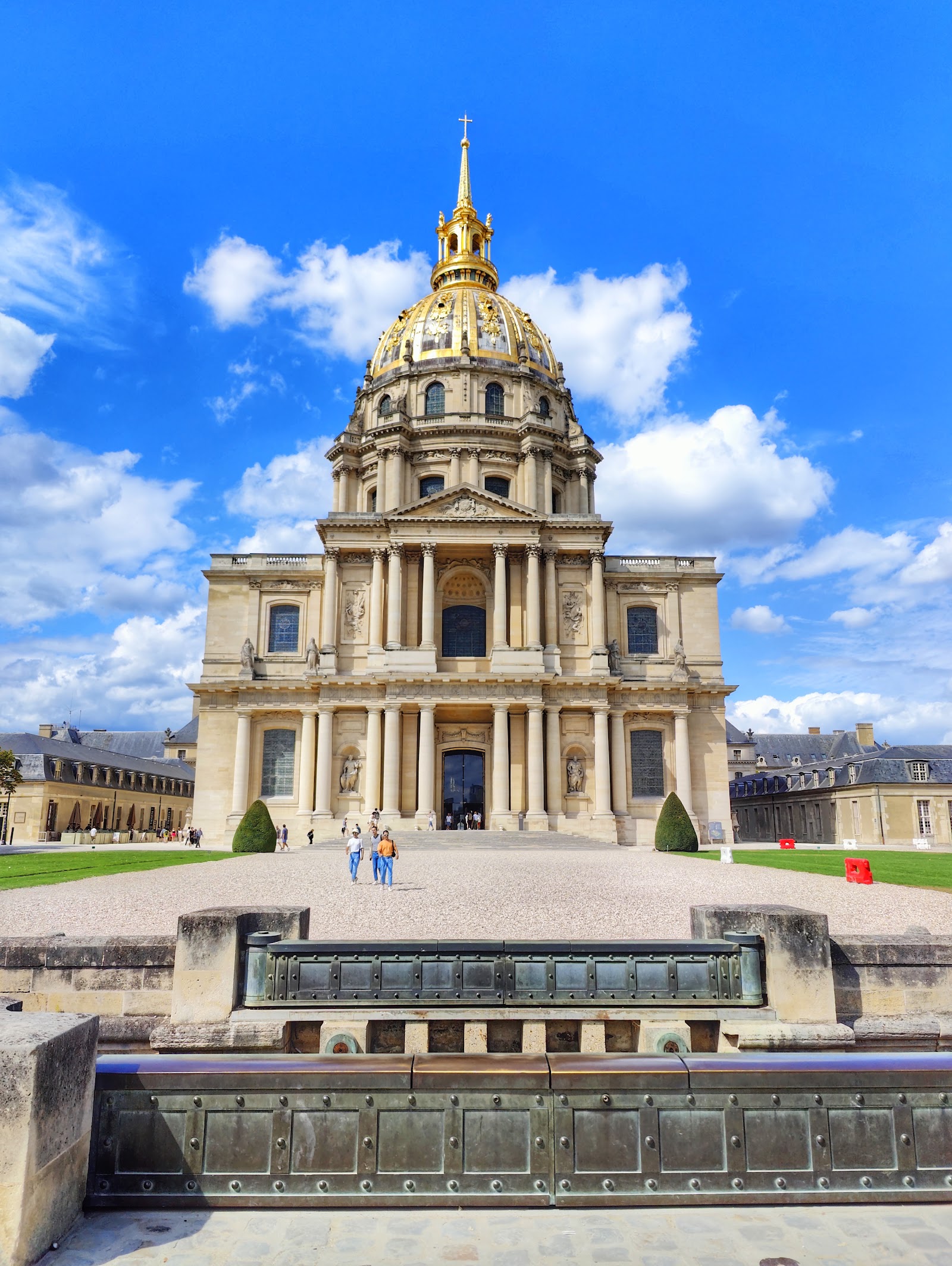
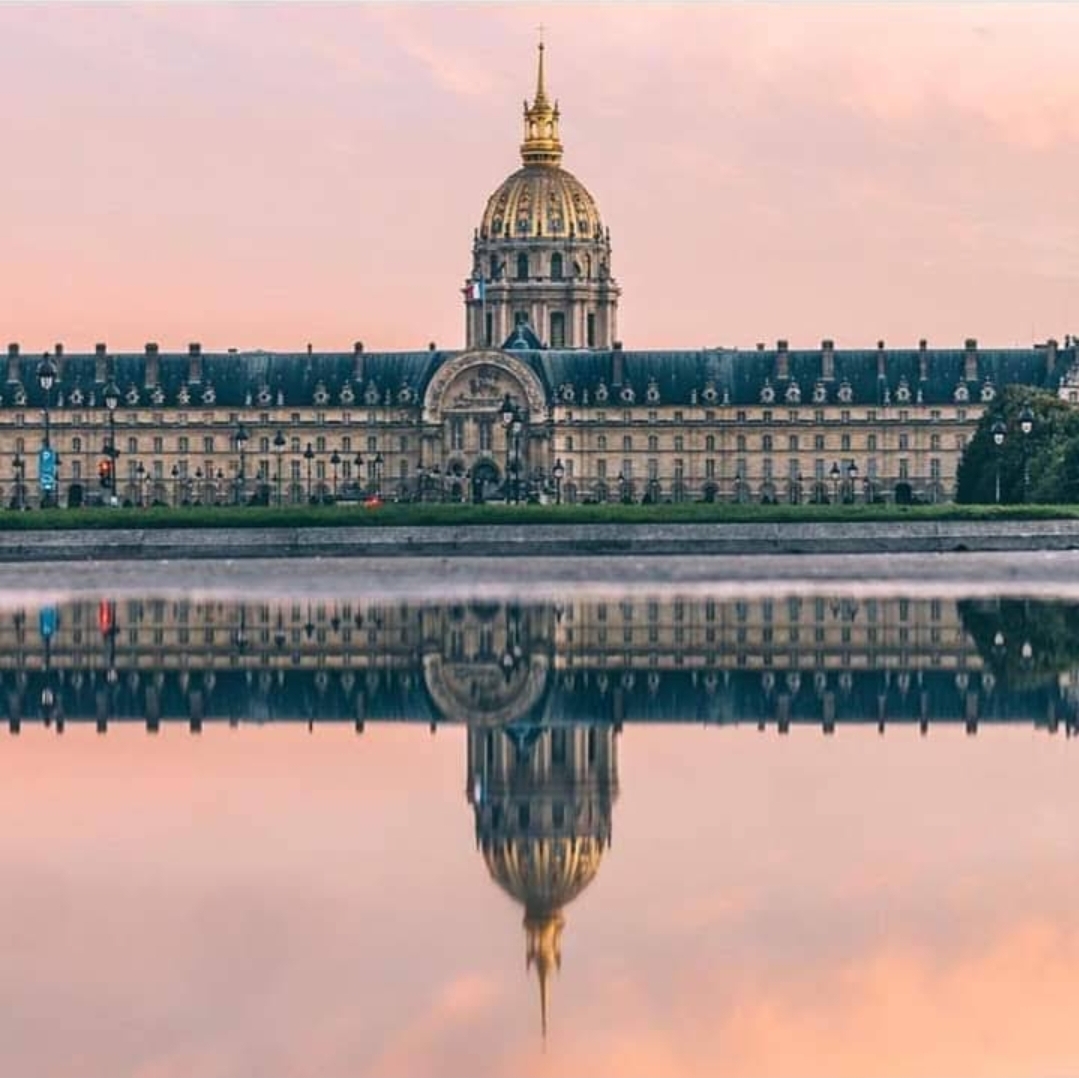
The gilded dome catches your eye long before you reach the entrance on Rue de Grenelle — 12.65 kilograms of gold leaf pressed onto stone, visible from half of central Paris. What's inside is harder to summarise. The Musée de l'Armée occupies a vast stretch of the Hôtel National des Invalides, and its 500,000 objects trace the mechanics and human cost of French military history from medieval armour to the Second World War.
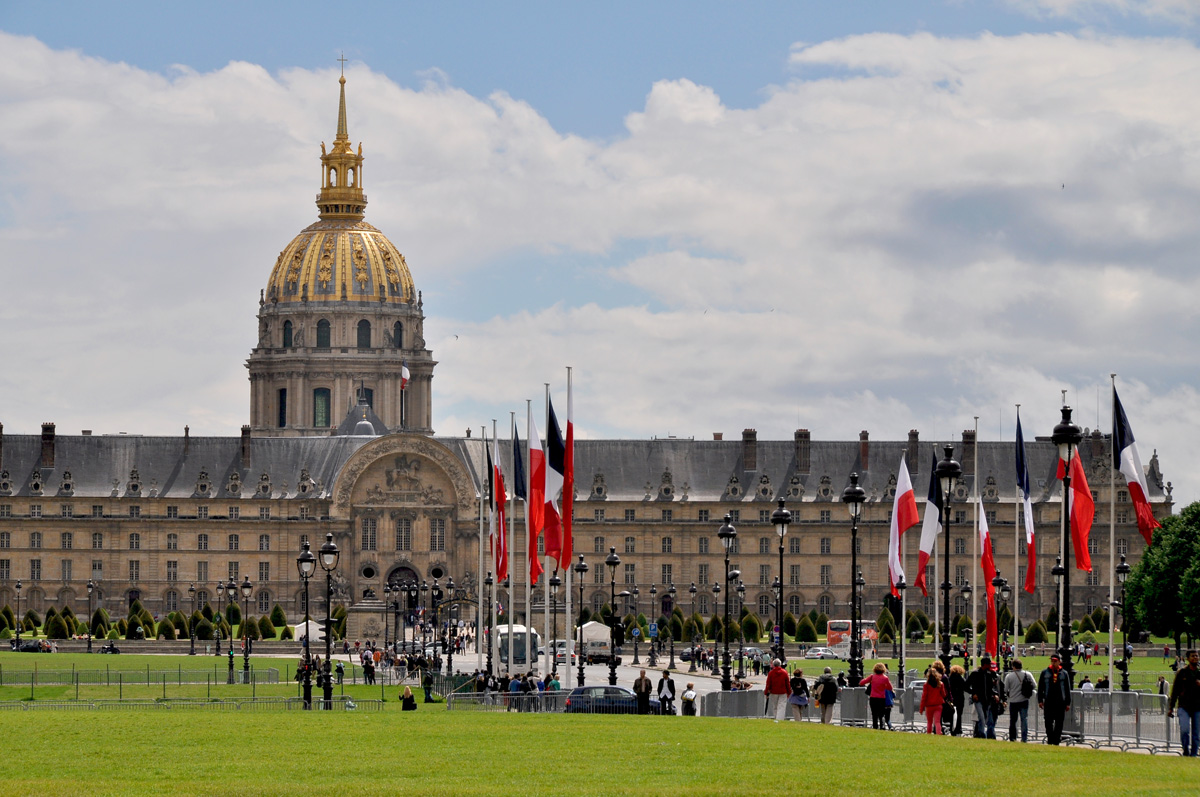
The building itself is part of the argument. Louis XIV commissioned Invalides in 1670 as a home and hospital for aged and wounded soldiers, and the yellow limestone still glows warmly in afternoon light. Napoleon's tomb sits beneath that dome, inside the Église du Dôme — monumental, deliberate, worth the walk.
💛 What travellers fall for
People who come back tend to arrive on the first Friday of the month, when evening tickets drop to €10 and the crowds thin considerably. The Musée des Plans-Reliefs — nearly a hundred scale military models made between 1668 and 1870 — gets skipped by most visitors and deserves an unhurried half-hour. The Historial Charles de Gaulle, tucked into its own 2,500 m² multimedia space, rewards anyone who arrives with even passing curiosity about the Free French.
The story behind Musée de l'Armée
The collection has two distinct ancestors. The Musée d'Artillerie was founded in 1795, in the revolutionary aftermath, then moved into Invalides following the Franco-Prussian War of 1870–71. The Musée Historique de l'Armée came later, in 1896, established by the painter Édouard Detaille through his historical society La Sabretache, partly off the momentum of the Paris World Fair. On 26 July 1905, the two institutions merged into the Musée de l'Armée.
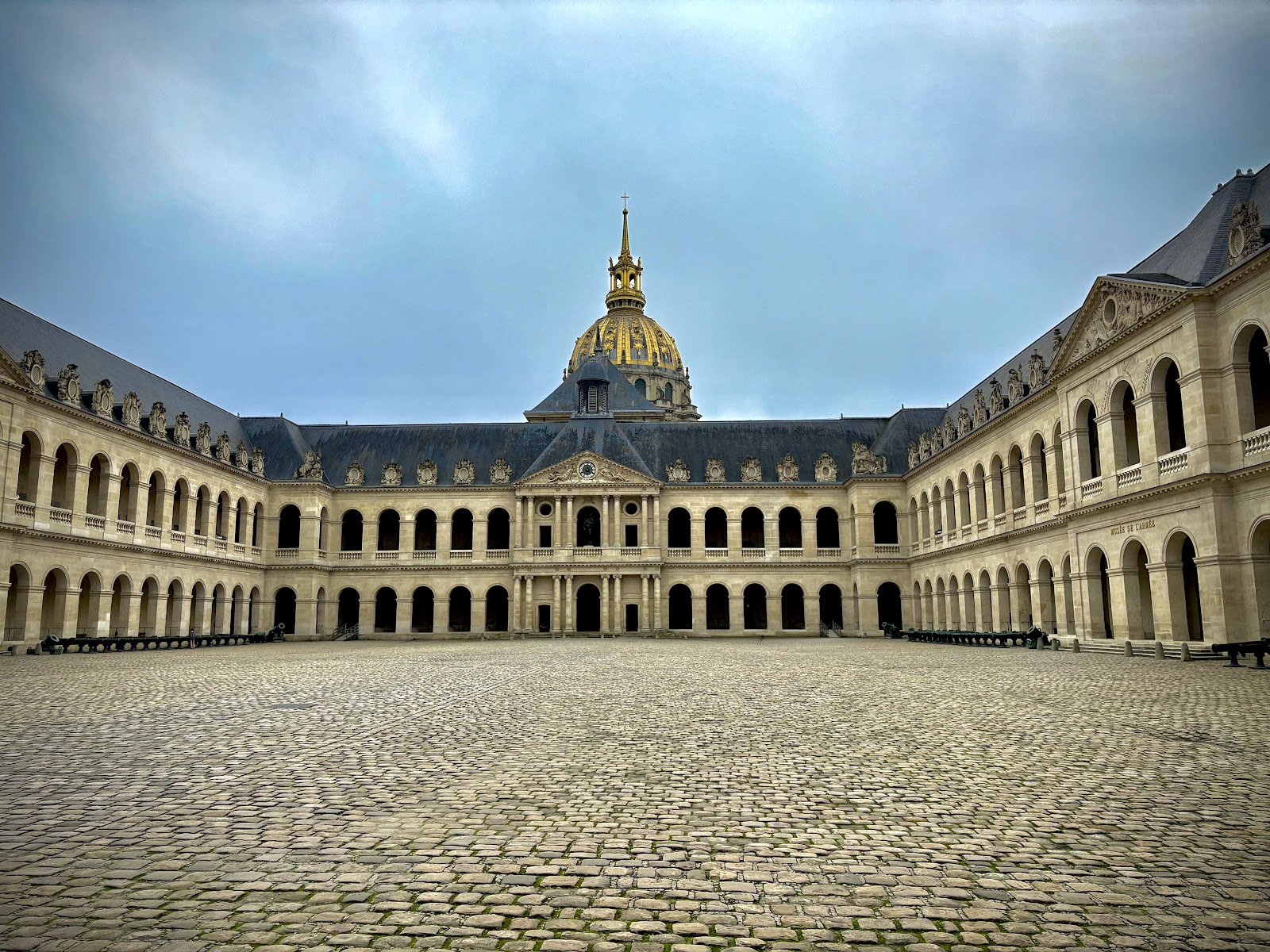
The building that houses them is older still. Libéral Bruant designed the original courtyards and residential wings; Jules Hardouin-Mansart completed the Dôme des Invalides between 1677 and 1706. Napoleon's remains were transferred beneath that dome in 1861. The ATHENA renovation programme, begun after 1994 under architect Christian Menu, reorganised the permanent collections, and the Historial Charles de Gaulle opened in February 2008.
Good to know
Metro to Varenne (line 13) puts you steps from the Dôme entrance at Place Vauban; Invalides station (lines 8, 13, RER C) suits the Esplanade side. The museum is large enough to exhaust a full afternoon — pick a wing rather than attempting everything. Closed 1 January, 1 May and 25 December.
Where is Musée de l'Armée?
Location
- In Paris 7th Arrondissement
- 48.8537, 2.3122
- Open in Google Maps
Rating
4.6 ★ · 28,282 Google reviews
More tickets & tours for Musée de l'Armée
Book directly at the provider
What travellers say about Musée de l'Armée
⚔️ Musée de l'Armée – Paris I recently visited the Musée de l'Armée in Paris, located inside the historic complex of Les Invalides. It was far more impressive than I expected. The museum showcases an extensive military history collection, from medieval armor and weapons to World War I and II exhibitions. The displays are well organized and informative, making it easy to understand France’s military evolution across centuries. The highlight of the visit was seeing the tomb of Napoleon Bonaparte under the magnificent golden dome. The architecture alone is worth the visit — grand, powerful, and symbolic. Overall, the experience felt both educational and visually stunning. If you’re interested in history, strategy, or monumental architecture, this museum deserves a place on your Paris itinerary.
Fantastic experience!!! Kids loved it: armors, swords, cannons and the likes! The tribute to Napoleon confirms he was a royalty for the French! Such beautiful work for his resting place! The history of WW1 and WW2 is depicted mostly from the French point of view, refreshing and instructive since we mostly hear about the American side of the story in movies etc. Many other exhibits going on, so many we didn’t do all of them! Cafe for snacks is a very, very expensive affair. Be warned!
I was completely blown away by the Musée de l'Armée! Even if you aren't a massive history buff, this place is fascinating. The collection of armor, weapons, and historical artifacts from different eras is vast and beautifully displayed. The absolute highlight, of course, is the breathtaking Dome Church housing Napoleon’s Tomb. The sheer scale and grandeur of the monument are unforgettable and command respect. The entire complex is stunning, peaceful, and rich in history. It exceeded all my expectations and is worth every single minute. A fantastic experience from start to finish!
Musee de l'Armee is a must for anyone who is interesting in military history. The building is stunning and the collection is huge. It is very easy to spend half a day here exploring. There are multiple sections to the museum which are accessed via different sections so hold onto your ticket if you visit
Our visit to the Musée de l'Armée was amazing. In fact, it now is one of our favorite museums in the world. The Cathédrale Saint Louis des Invalides is captivating, with its Dôme des Invalides masterpiece towering over Napoleon's tomb. The museum features entire battalions of knight mannequins in full armor, swords from all over the world and seemingly every historical period, and bows and archery artifacts. The grounds are lovely, and the view of the Avenue du Maréchal Gallieni and other highlights of Paris are bonuses. Our future visit(s) to Paris will include the Musée de l'Armée, which we highly would recommend.
More of Paris 7th Arrondissement
Discover where to stay, what to do and the best deals for your trip.
Explore Paris 7th Arrondissement →More attractions in Paris 7th Arrondissement
All of Paris 7th Arrondissement →
Background adapted from Wikipedia (CC BY-SA) · map data © OpenStreetMap contributors · ratings & place photos via Google · other photos with per-image credit. Ticket links may earn us a commission at no extra cost to you.