
Champ de Mars
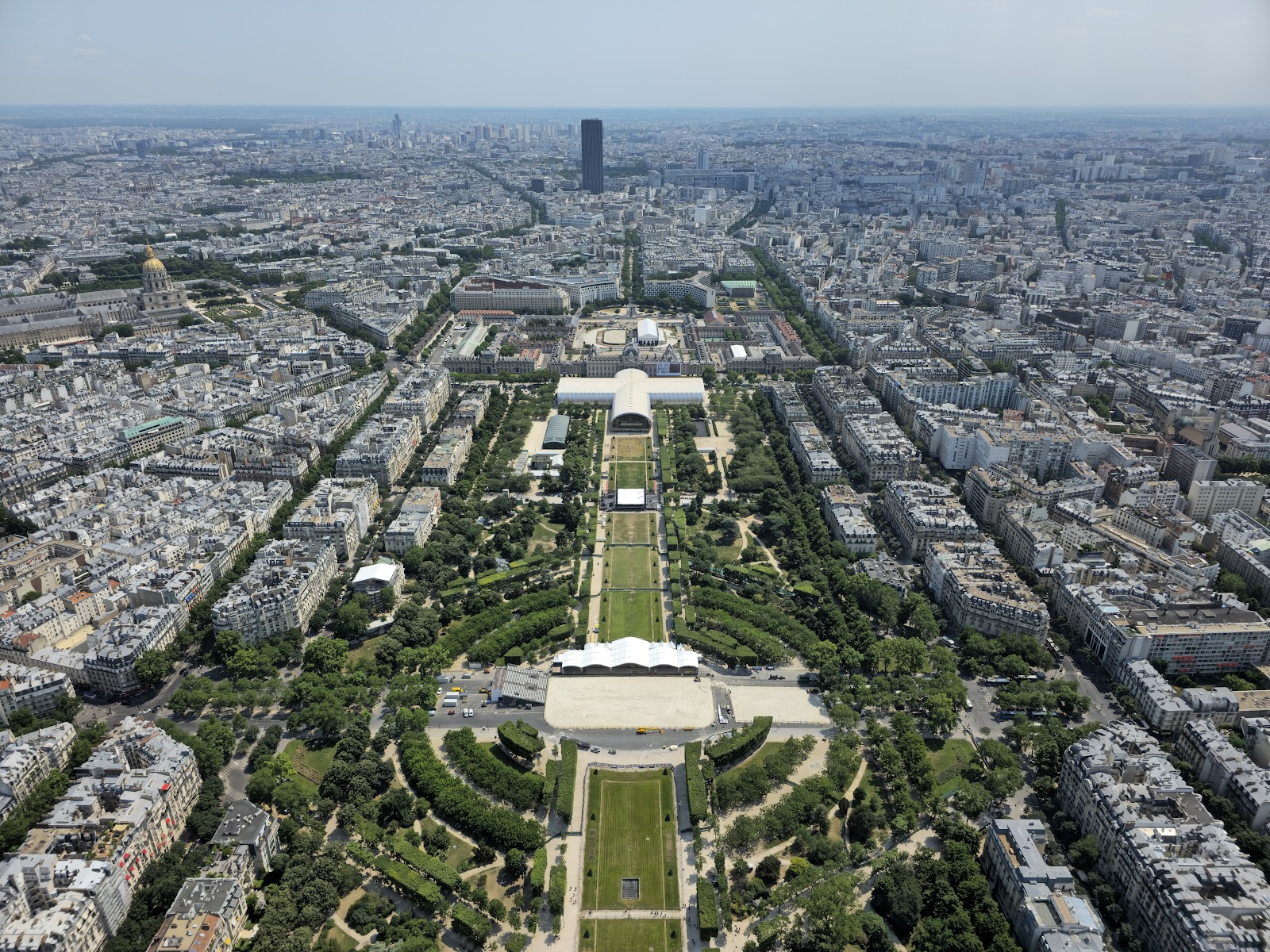
The Champ de Mars is, at its simplest, a long rectangle of grass running 780 metres from the foot of the Eiffel Tower to the stone facade of the École Militaire. That geometry is not accidental — it was laid out as a military drill ground in 1765, and the discipline of the original plan still holds the space together.
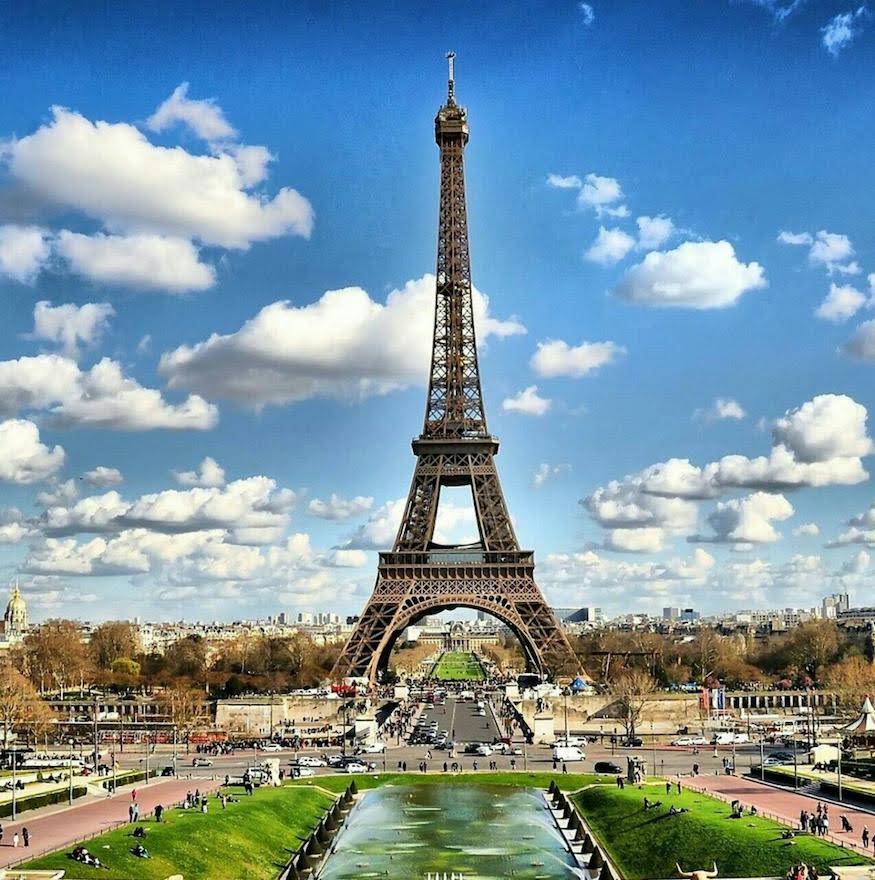
Today the park is the one Parisian public garden with no gates and no closing time. You can walk in at three in the morning, and people do. Families spread out on the lawn, runners cut diagonal lines across it, and the tower changes colour on the hour after dark.
💛 What travellers fall for
People who come back tend to arrive early — before nine, when the grass is still damp and the tour groups haven't formed yet. The southeastern end near the École Militaire is consistently quieter than the tower end. The Wall for Peace, made of glass panels etched with the word 'peace' in dozens of languages, is easy to walk past without noticing it's there.
The story behind Champ de Mars
The ground was market gardens — plots for growing fruit and vegetables — before the military claimed it. Construction of the École Militaire in 1765, designed by Ange-Jacques Gabriel for Louis XV, fixed the southeastern anchor, and the flat terrain was renamed after the Roman god of war and given over to troop manoeuvres. The park proper opened in 1780.
What happened here reads like a compressed history of France: the first Bastille Day celebration in 1790, the massacre of republican petitioners in 1791, Jacques-Louis David's theatrical Altar of the Nation built for the Festival of the Supreme Being in 1794, and the guillotining of Paris's first mayor, Jean Sylvain Bailly, on this same ground in 1793. The army ceded the land to the city in 1889, the year Gustave Eiffel's tower — engineered by Maurice Koechlin, Emile Nouguier and architect Stephen Sauvestre — received two million visitors at the World's Fair.
Good to know
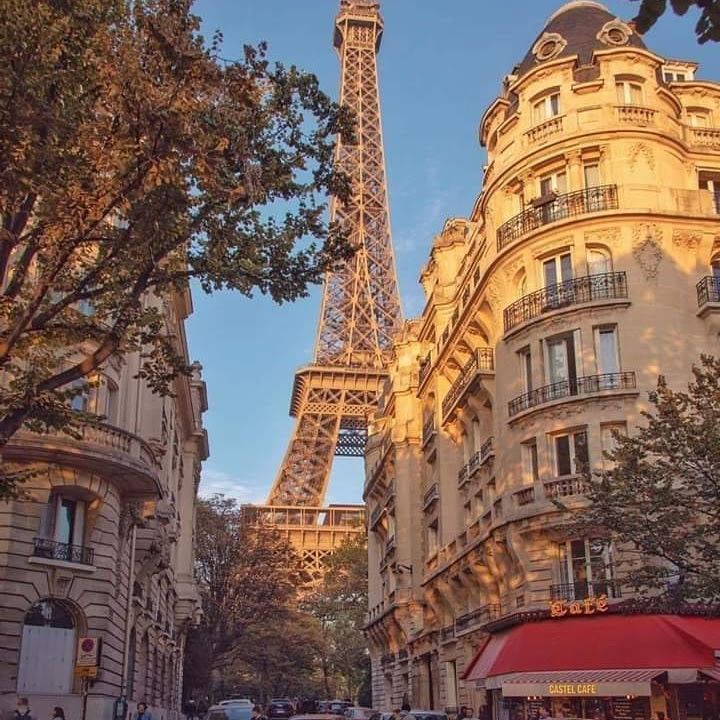
RER C to Champ de Mars–Tour Eiffel puts you five minutes from the tower entrance. Métro line 6, Bir Hakeim, is under ten minutes on foot. The park is free and open around the clock. Weekday mornings are noticeably calmer than weekend afternoons.
Spring and early autumn are the most comfortable seasons: mild enough to sit on the grass without planning around it. Summer brings real heat and the park's open aspect offers little shade; the lawn can feel relentless by midday in July. Winter mornings are cold and often grey, but the tower in low light has its own quality.
Where is Champ de Mars?
Location
- In Paris 7th Arrondissement
- 48.8556, 2.2986
- Open in Google Maps
Rating
4.6 ★ · 223,025 Google reviews
More tickets & tours for Champ de Mars
Book directly at the provider
What travellers say about Champ de Mars
The atmosphere is lively but calm at the same time. You can see both tourists and locals enjoying the space. In the evening, the view of the illuminated Eiffel Tower is especially beautiful.
Champ de Mars is a beautiful green open space in the heart of Paris that everyone can enjoy. I loved walking through the park and relaxing on the large grassy areas. There were lots of people taking in the amazing views of the Eiffel Tower from this location. The atmosphere was lively and welcoming, making it a great place to spend some time outdoors, and best of all, it is free to visit. Since this area attracts large crowds of visitors, be aware of pickpockets and keep a close eye on your belongings, as it can be a prime spot for pickpocketing.
Amazing experience at Champ de Mars and the Eiffel Tower! Seeing this world wonder in real life was very special. The tower looked beautiful. I also saw the names of famous scientists written on the tower, which was very interesting. The gardens and views were very nice. A wonderful Paris experience!
The area near the Eiffel Tower is full of charming street cafés that offer authentic and delicious food. It’s a perfect place to enjoy a relaxed evening walk while soaking in the beauty of Paris. We also took a cruise tour on the Seine River, passing under several beautiful bridges, it’s highly recommended, especially for first-time visitors. I would definitely suggest trying local dishes like pizza and pasta at the nearby cafés, they taste amazing and add to the overall experience. Overall, a wonderful place to explore, relax, and enjoy the true Paris vibe!
We had the most amazing picnic here! Seeing the Eiffel Tower sparkle at night was magical. As always my favorite thing to see when in Paris!
More of Paris 7th Arrondissement
Discover where to stay, what to do and the best deals for your trip.
Explore Paris 7th Arrondissement →More attractions in Paris 7th Arrondissement
All of Paris 7th Arrondissement →
Background adapted from Wikipedia (CC BY-SA) · map data © OpenStreetMap contributors · ratings & place photos via Google · other photos with per-image credit. Ticket links may earn us a commission at no extra cost to you.