
Les Invalides
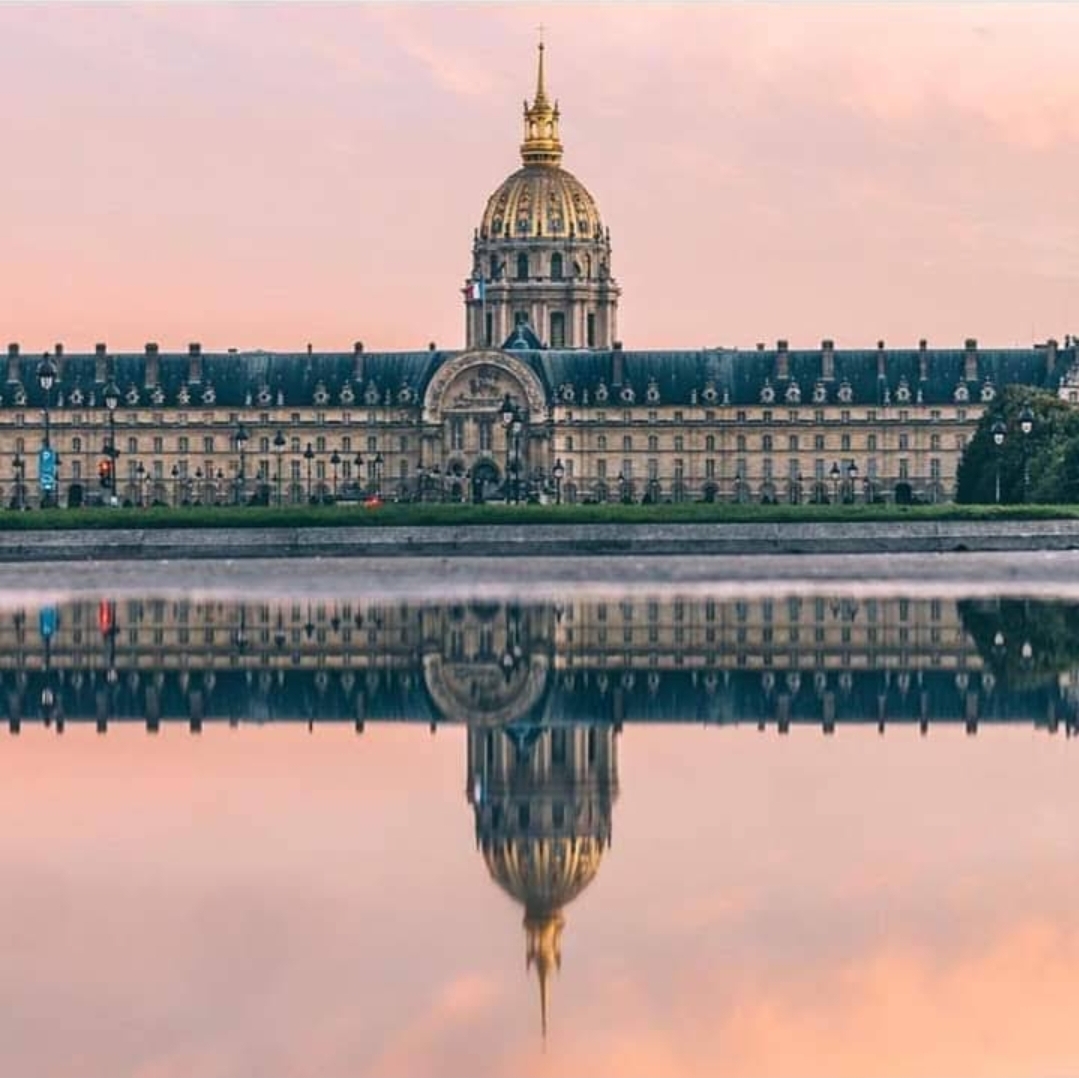
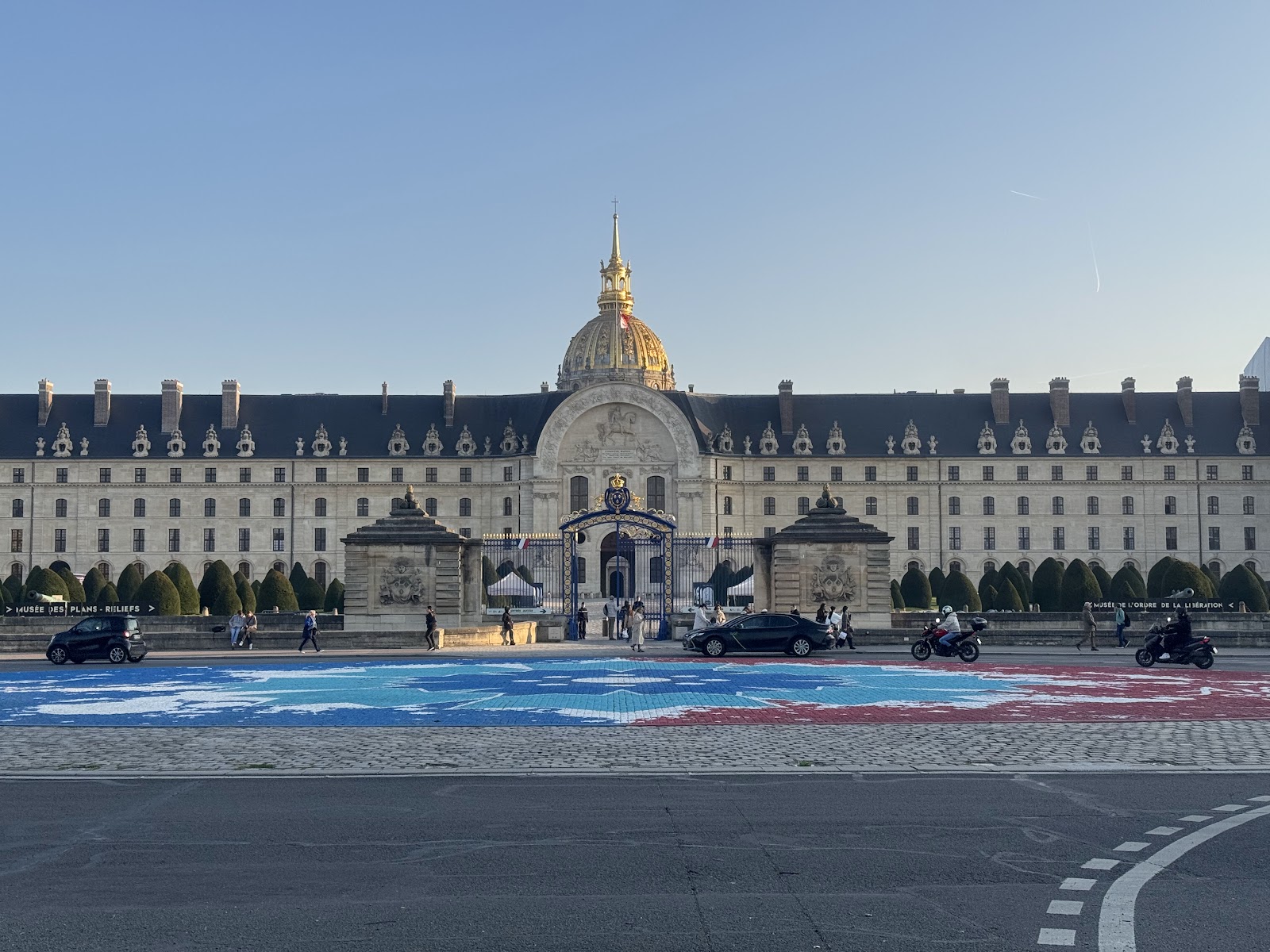
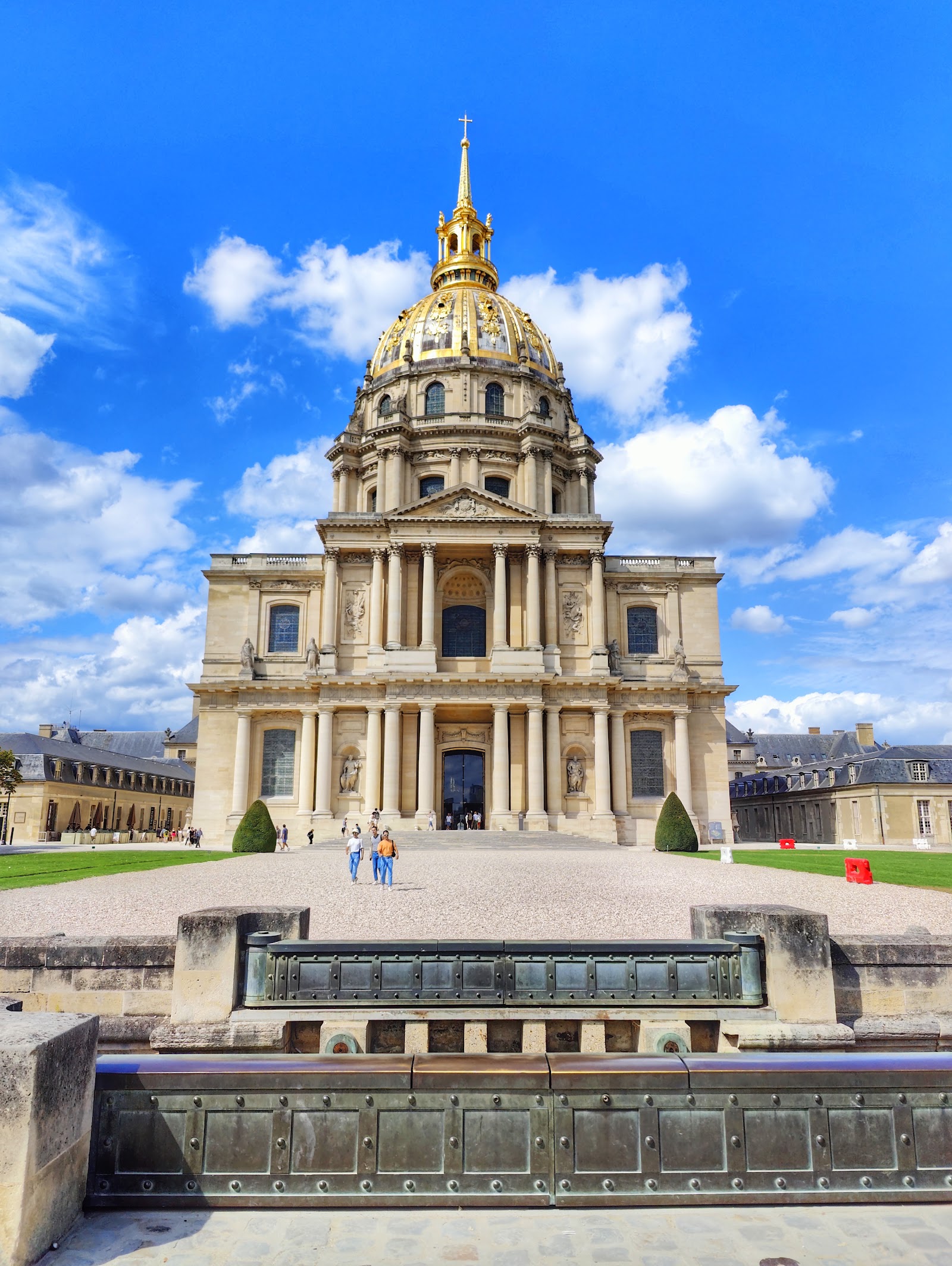
The first thing you notice, walking up from the Seine side, is the scale of the facade — 196 metres of stone stretching flat and serious across the 7th arrondissement skyline, then the gilded dome rising above it all, 107 metres high and covered in 555,000 gold leaves re-applied as recently as 1989. Louis XIV built this in 1670 not as a monument but as a working hospital for his wounded soldiers, and the seriousness of that original purpose still sits in the bones of the place.
Today the complex holds Napoleon's tomb, three museums, fifteen courtyards, and the national military cathedral — more city than building. Most visitors arrive for a single thing and leave having spent hours they didn't plan on.
💛 What travellers fall for
People who come back tend to head straight for the Musée des Plans-Reliefs on the upper floor — over a hundred scale models of fortified cities, built from 1668 onward so Louis XIV could study his own conquest targets. It's one of the stranger and more absorbing rooms in Paris, and it rarely has a crowd.
The story behind Les Invalides
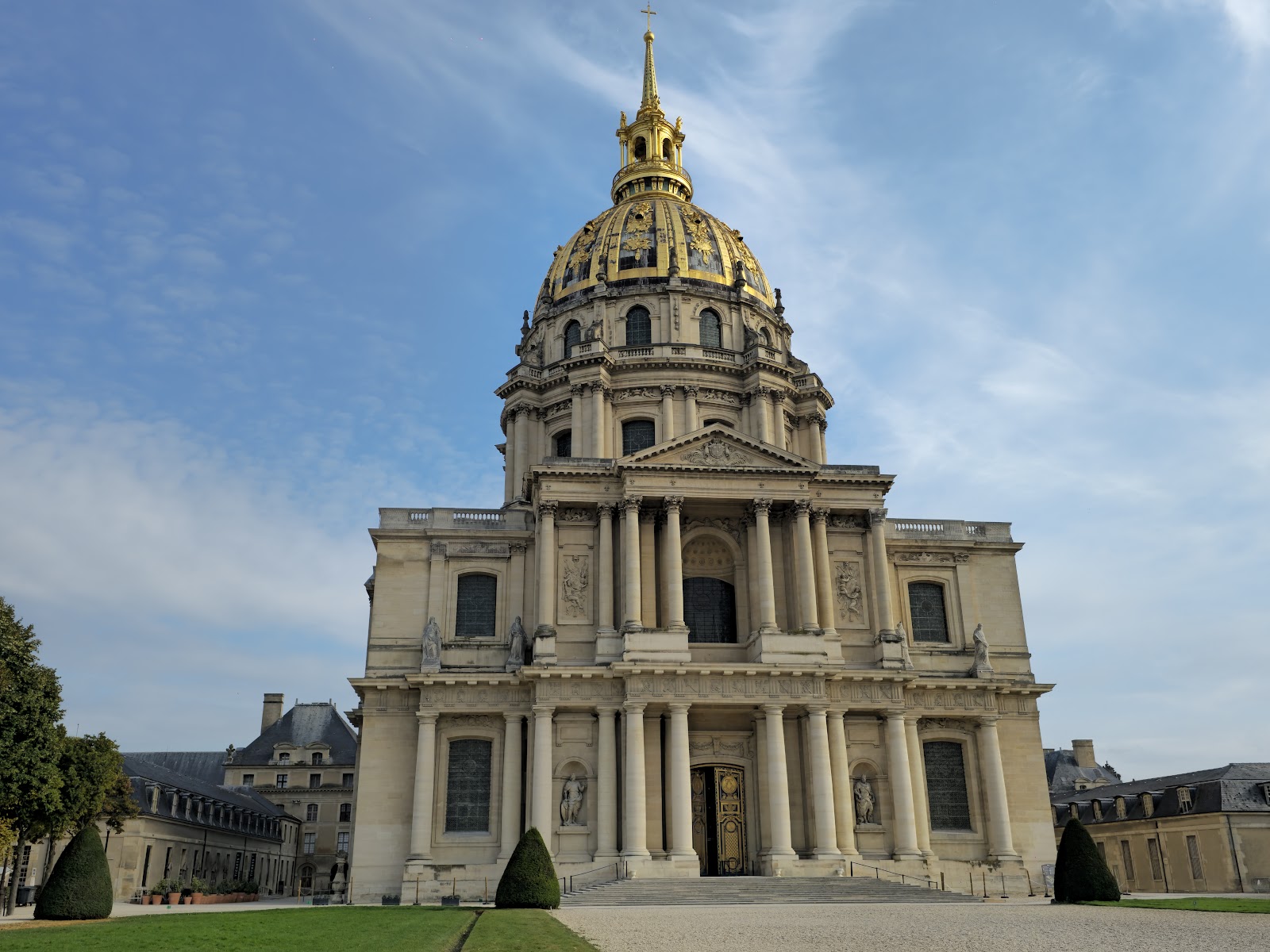
Louis XIV signed the royal ordinance on 24 February 1670, commissioning a hospital to house and care for soldiers too old or too injured to support themselves. Libéral Bruant drew up the quadrilateral plan and led construction from 1671; by October 1674, the first residents had moved in. In spring 1676, Jules Hardouin-Mansart took over and completed the churches — the Soldiers' Church in 1679, the Royal Church of the Dôme inaugurated by the king himself in 1706.
The building's relationship with French military history deepened over centuries. On 14 July 1789, weapons seized from its stores went directly to the storming of the Bastille. Napoleon's remains were returned from Saint Helena in 1840 and rested in the Saint-Jérôme chapel for over two decades before the red quartzite tomb — designed by Louis Visconti — was finished in 1861. The Army Museum, formed in 1905 from two earlier collections, now draws more than 1.2 million visitors a year.
Good to know
A single €17 ticket covers the Dôme, Napoleon's tomb, the Army Museum, and the smaller collections — worth it if you stay more than an hour. The site opens at 10 a.m. daily; November through March it closes at 5 p.m. The first Friday of each month runs a night visit until 10 p.m. Closed January 1, May 1, and December 25. Under-18s and EU citizens under 26 enter free.
Where is Les Invalides?
Location
- In Paris 7th Arrondissement
- 48.8535, 2.3127
- Open in Google Maps
Rating
4.7 ★ · 43,432 Google reviews
More tickets & tours for Les Invalides
Book directly at the provider
What travellers say about Les Invalides
Hôtel des Invalides is one of the most impressive historical sites in Paris and definitely worth visiting. The architecture of the complex is magnificent, especially the golden dome, which is visible from many parts of the city. Inside, the atmosphere is both grand and solemn, with a strong sense of French history. The visit is especially interesting if you are interested in military history, Napoleon, or French national heritage. Napoleon’s tomb is very impressive and beautifully presented, but the museums around it are also worth taking time for. There are many exhibitions about different periods of French military history, with weapons, uniforms, paintings, documents, and historical objects that help you understand the importance of the place. What makes Hôtel des Invalides special is that it is not only a monument, but also a place full of historical meaning. The courtyards, the church, the dome, and the museum sections all create a very rich experience. It can take quite some time to see everything properly, so it is better not to rush the visit. Overall, it is a beautiful, powerful, and very memorable place in Paris.
Exploring Hôtel des Invalides was a memorable part of my time in Paris. The building is stunning, and the golden roof immediately catches your eye from a distance, especially on a sunny day. I enjoyed learning about the site's military history, which gave the experience extra meaning. The combination of impressive architecture, rich history, and the iconic gilded dome makes it one of Paris’s most remarkable landmarks. I found myself stopping several times just to admire the details of the architecture. Standing beneath the gleaming dome gave me a real appreciation for the scale and craftsmanship of the monument.
Les Invalides is an absolutely stunning historical site in Paris. The architecture is grand and beautifully preserved, with its iconic golden dome shining brilliantly under the sun. The complex houses several museums, including the Army Museum, which offers a fascinating insight into French military history. One of the highlights is Napoleon Bonaparte’s tomb, which is both impressive and humbling to see in person. The atmosphere is calm and respectful, making it a meaningful place to visit. The grounds are spacious and well-maintained, perfect for a relaxing walk while appreciating the historical significance of the site. Whether you’re interested in history, architecture, or simply exploring Paris, Les Invalides is definitely worth a visit.
The Museum of the Army contains a large collection of uniforms, weapons, and armor from different periods. I especially enjoyed seeing the historical military clothing and learning how it changed over time. Everything is well organized and informative, so it is easy to follow even if you are not an expert in history.
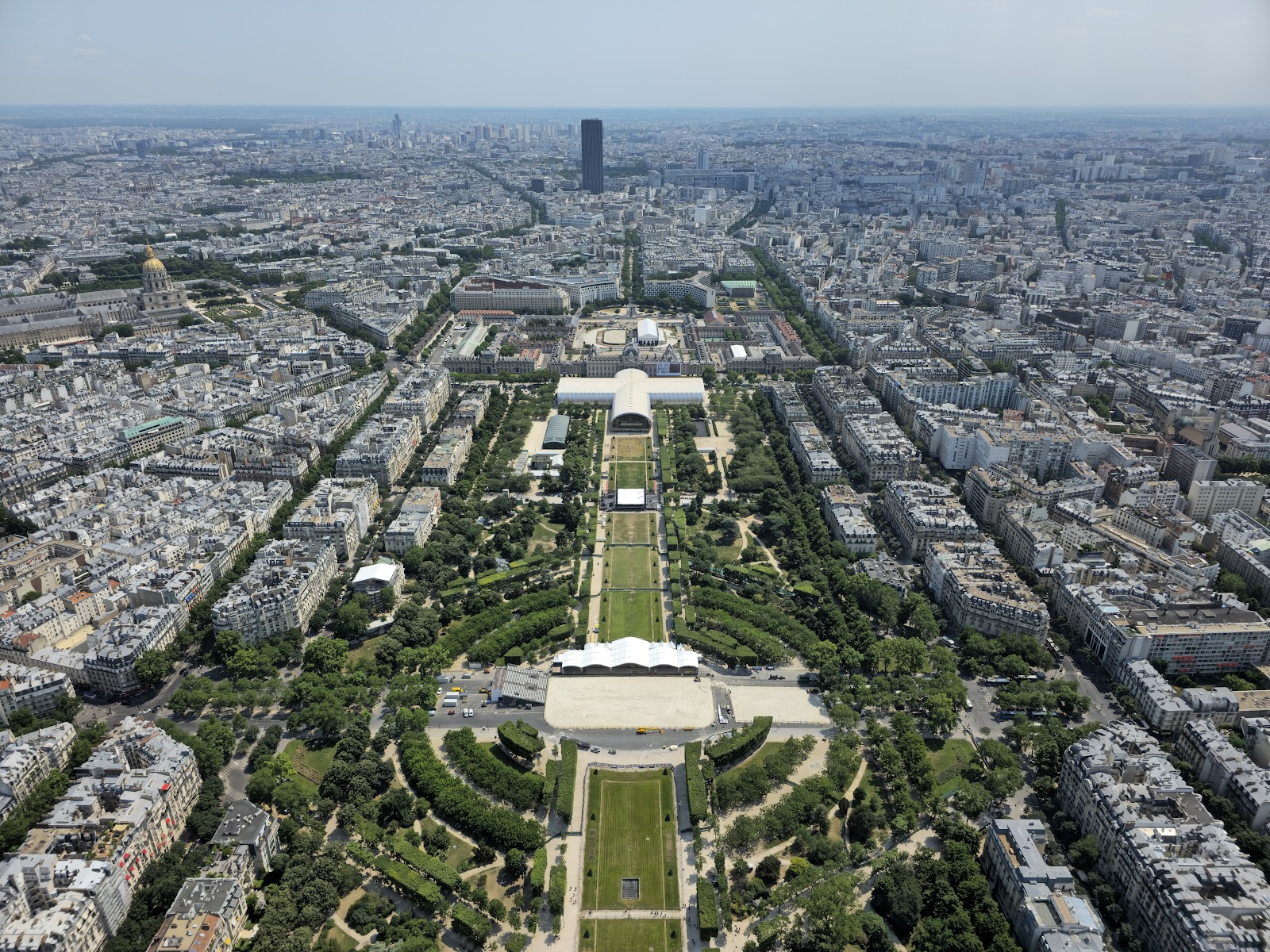
Hotel des Invalides, is a historic complex in Paris, France. Dome des Invalides is also known as the 'Eglise du Dome', which is the royal chapel, within the complex itself. This dome is most famous, since it houses the tomb of 'Napoleon Bonaparte'. His remains were moved here in 1840 and are interred in a massive red quartzite sarcophagus, directly beneath the center of the dome. Designed by Jules Hardouin Mansart and completed between 1677 and 1706, representing a masterpiece of French Baroque architecture. The dome stands approx 353 ft tall and is decorated with about 12.6o KG of gold leaves. It was commissioned by King Louis XIV in 1670, the complex was originally built as a hospital and retirement home for veteran soldiers. It still provides some medical care for veterans today. The site is located in the 7th arrondissement and was the tallest building in Paris until the completion of the Eiffel Tower in 1889. Today, the complex functions as a monument, a working veterans' medical facility, and the home of the French Musee de l'Armee (Army Museum). It contains extensive collection of military uniforms, weapons, and armor(s) from across French history. I could only observe it from far in 2024 (in fact one of the pics were clicked from Eiffel tower itself) since the Golden Dome looked extremely grandeur, I just couldn't resist posting about it.
More of Paris 7th Arrondissement
Discover where to stay, what to do and the best deals for your trip.
Explore Paris 7th Arrondissement →More attractions in Paris 7th Arrondissement
All of Paris 7th Arrondissement →
Background adapted from Wikipedia (CC BY-SA) · map data © OpenStreetMap contributors · ratings & place photos via Google · other photos with per-image credit. Ticket links may earn us a commission at no extra cost to you.