
Musée Rodin
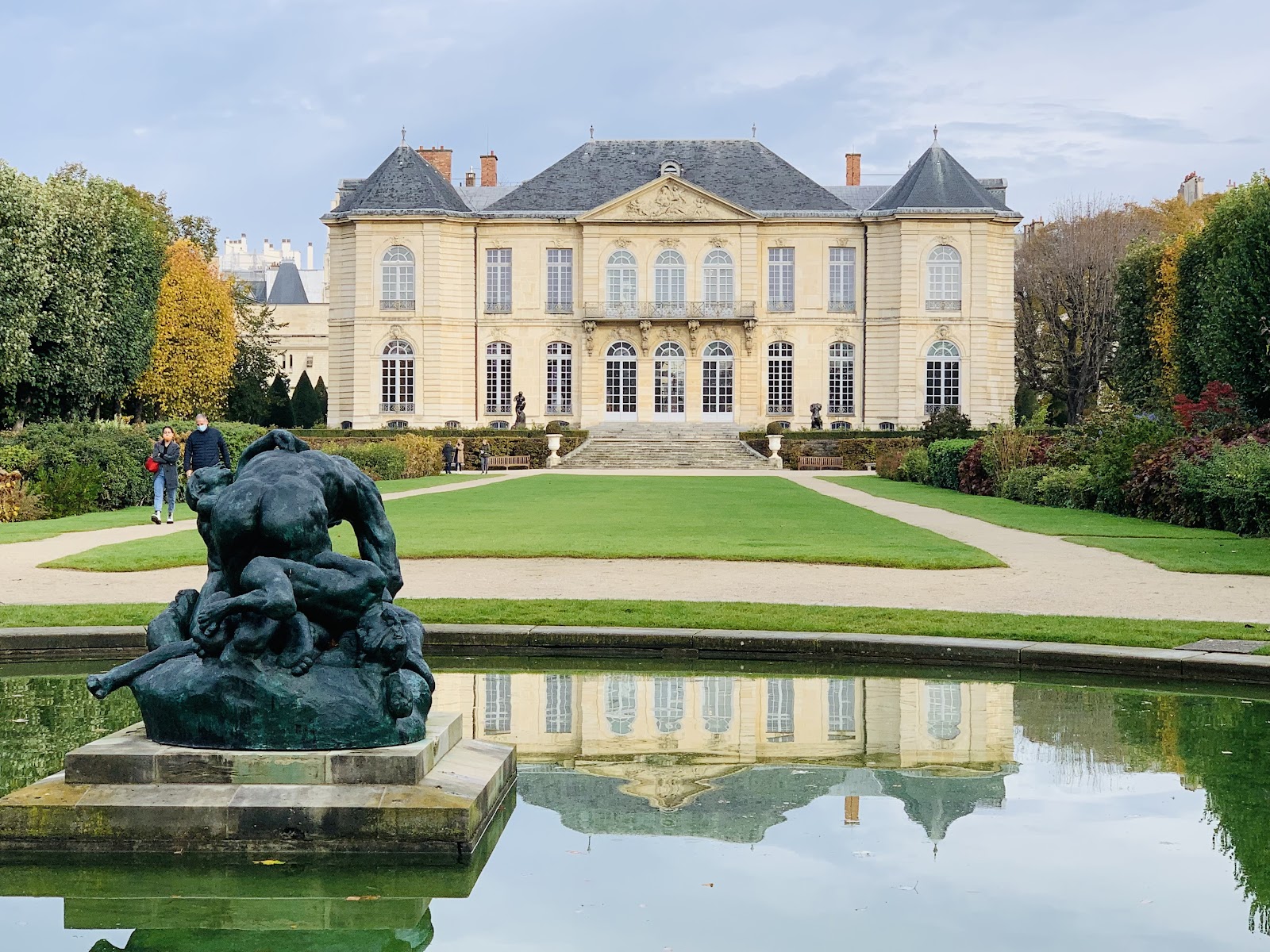
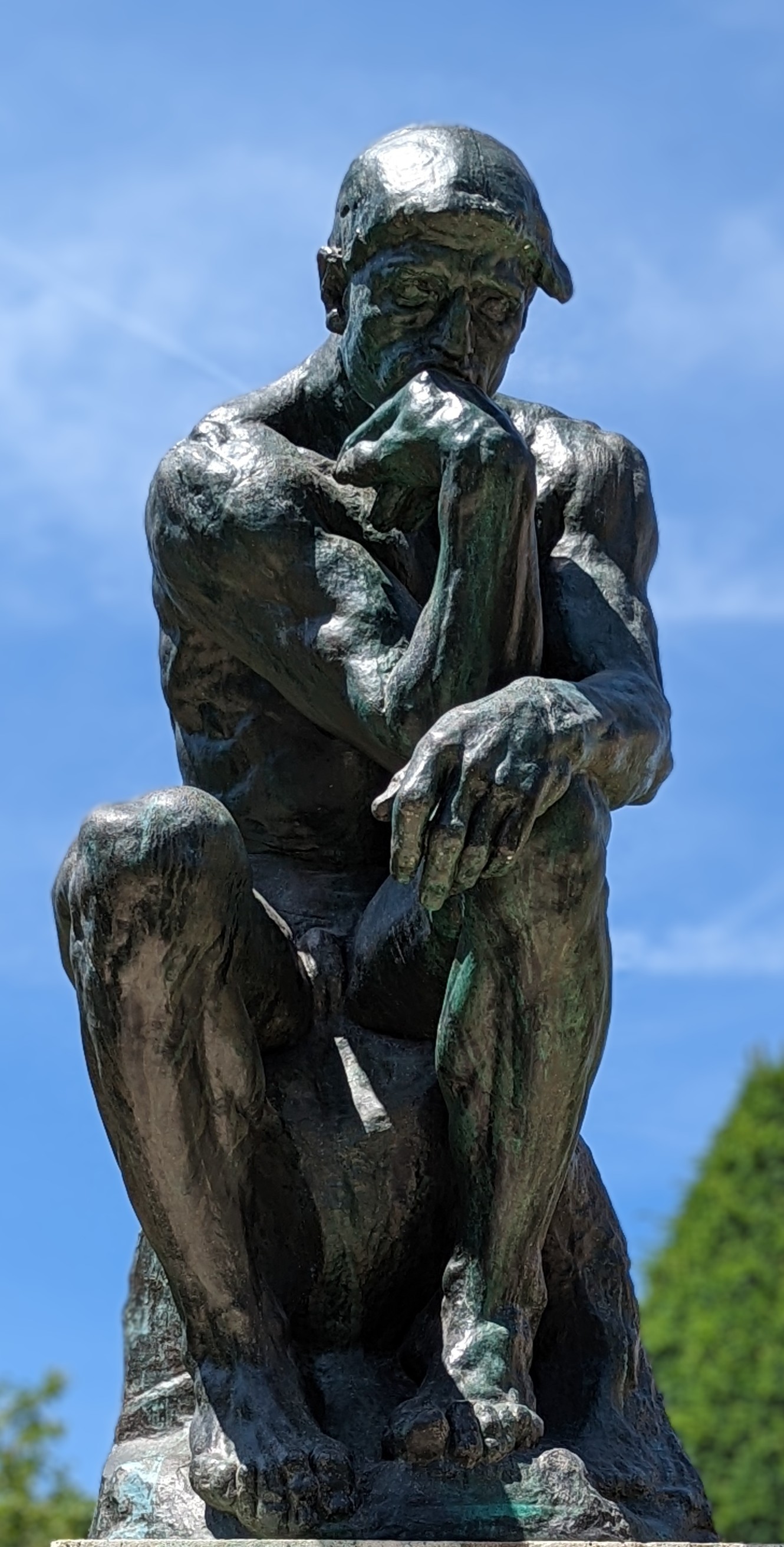
The Varenne métro stop gives you a preview: Rodin bronzes line the platform, so by the time you surface onto Rue de Varenne you're already in the work. The museum occupies the Hôtel Biron, a rococo mansion built between 1727 and 1732, and its 3-hectare garden — where The Thinker sits outdoors, unhurried, in open air.
Inside, eighteen rooms trace Rodin's evolution through clay sketches, plaster casts, bronzes and marble, alongside paintings by Van Gogh, Monet and Renoir that Rodin collected himself. A dedicated room holds sculptures by Camille Claudel, including one of only two castings of The Mature Age.
💛 What travellers fall for
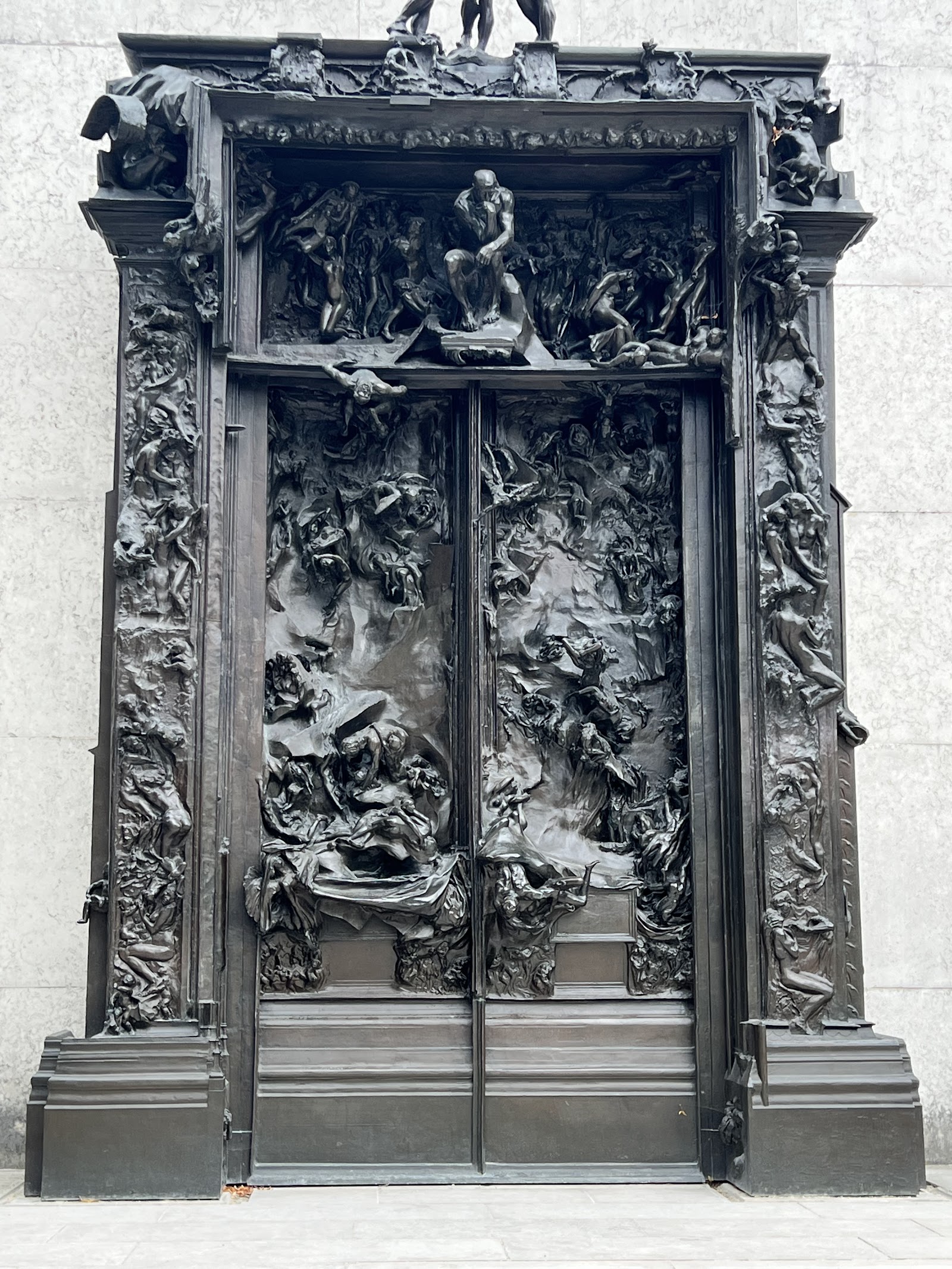
Regulars often skip the mansion entirely on warm days and buy the garden-only ticket — cheaper, and The Gates of Hell reads differently at different hours as the light shifts across the bronze. The café L'Augustine, tucked behind the building near the small lake, is worth the stop between the garden and the galleries.
The story behind Musée Rodin
The Hôtel Biron had a long life before Rodin arrived. Designed by Jean Aubert and completed in 1732, it passed through aristocratic hands — the garden was later enlarged by Louis-Antoine de Gontaut-Biron, who added a fountain and an English-style landscape section. By the early twentieth century the building had become a kind of informal artists' colony; Henri Matisse was among those who worked there before Rodin rented four ground-floor rooms in 1908 as studios.
By 1911 Rodin occupied the whole building. In 1916, a year before his death, he struck a deal with the French state: he would bequeath his entire collection — ultimately 6,600 sculptures, 8,000 drawings and much more — if the state would purchase the Hôtel Biron and turn it into a museum dedicated to his work. The museum opened on 4 August 1919, and after a €16 million renovation, reopened in its current form in 2015.
Good to know
Take Métro Line 13 to Varenne — it's a two-minute walk. Buy tickets online to skip the queue; entry is free the first Sunday of each month from October to March, and always free for under-18s and EU residents aged 18–25. The permanent galleries are not air-conditioned, so plan accordingly in summer. Large bags and suitcases are not allowed; use the free cloakroom at the entrance.
Where is Musée Rodin?
Location
- In Paris 7th Arrondissement
- 48.8555, 2.3155
- Open in Google Maps
Rating
4.7 ★ · 20,657 Google reviews
More tickets & tours for Musée Rodin
Book directly at the provider
What travellers say about Musée Rodin
Visiting the Rodin Museum was a truly unforgettable experience and easily one of the highlights of our trip. While I had seen many of Rodin’s works in photos before, nothing quite compares to seeing them in person, surrounded by the peaceful beauty of the museum and its gardens. The atmosphere is calm and reflective, offering a welcome contrast to the busier attractions in Paris. The sculptures are displayed both indoors and throughout the stunning garden, allowing you to experience Rodin’s work in a natural and serene setting. Walking among pieces like The Thinker and The Gates of Hell was incredibly moving, and the attention to detail in each sculpture is remarkable. The museum is well organised, making it easy to explore at your own pace. Clear signage and thoughtfully arranged exhibits help guide you through Rodin’s life and artistic journey. There are plenty of quiet spots to pause, reflect, and fully appreciate the artwork. As a visitor with a disability who uses a mobility scooter, I found the museum to be accessible and manageable. The pathways in the garden are generally smooth, and the indoor spaces are easy to navigate, allowing me to enjoy the visit comfortably alongside my daughter. I would recommend taking your time here, especially in the gardens. It’s a place to slow down, absorb the surroundings, and truly connect with the art. The Rodin Museum exceeded my expectations and is absolutely worth visiting. It offers a unique and peaceful cultural experience, and I would highly recommend it to anyone exploring Paris.
Our favorite museum from our trip. The vibe is so much nicer than some of the bigger ones like the Louvre. The displays and audio guide were so organized. We learned so much about Rodin and his work. It also has gorgeous gardens and a cafe with nice clean bathrooms. The gift shop had unique items to bring home too. Highly recommend!
The outdoor garden is beautifully designed and very well maintained, with high-quality sculptures displayed throughout the venue. The works of Rodin never disappoint, and this museum gives visitors a valuable chance to look closely at the details, texture, expression, and craftsmanship of the sculptures. The sculpture garden is one of the strongest parts of the visit. The museum’s official description notes that the garden covers around seven acres and includes major works such as The Thinker and The Gates of Hell, which are placed within the garden setting rather than only inside a traditional museum space. The Gates of Hell had some spider webs when we visited, but I would consider that part of nature rather than a serious issue. The work itself remains extremely impressive. According to the Musée Rodin, The Gates of Hell was conceived between 1880 and around 1890 and is a monumental bronze work measuring more than 6 metres high, which explains why seeing it in person is far more impactful than viewing it in photos. Overall, we were truly amazed by this venue. For travellers visiting Paris, I would say Musée Rodin is a must-visit spot, especially for those who appreciate sculpture, peaceful gardens, and art that can be experienced at close range rather than only observed from a distance.
Good museum, but amazing sculpture garden. I think I spent more time in the garden than in the main museum. I do wish the museum was a little more intentional with sharing things from Rodin’s life, but they do show a lot of his artwork. The garden is large and has many of his famous works, but still feels quite intimate. There is also a lovely cafe. Bonus- I saw some bunnies while I was there!
Magnificent museum dedicated to Rodin. The building is a timeline showcasing the evolution of the artist and his life. It has his sculptures, some of his collections including Van Gogh. Outside the garden is simply lovely to spend a sunny afternoon, drinking coffee and admiring the sculptures. It’s not crowded which allows you to fully enjoy the peaceful garden for as long as you want.
More of Paris 7th Arrondissement
Discover where to stay, what to do and the best deals for your trip.
Explore Paris 7th Arrondissement →More attractions in Paris 7th Arrondissement
All of Paris 7th Arrondissement →
Background adapted from Wikipedia (CC BY-SA) · map data © OpenStreetMap contributors · ratings & place photos via Google · other photos with per-image credit. Ticket links may earn us a commission at no extra cost to you.