
Nanterre
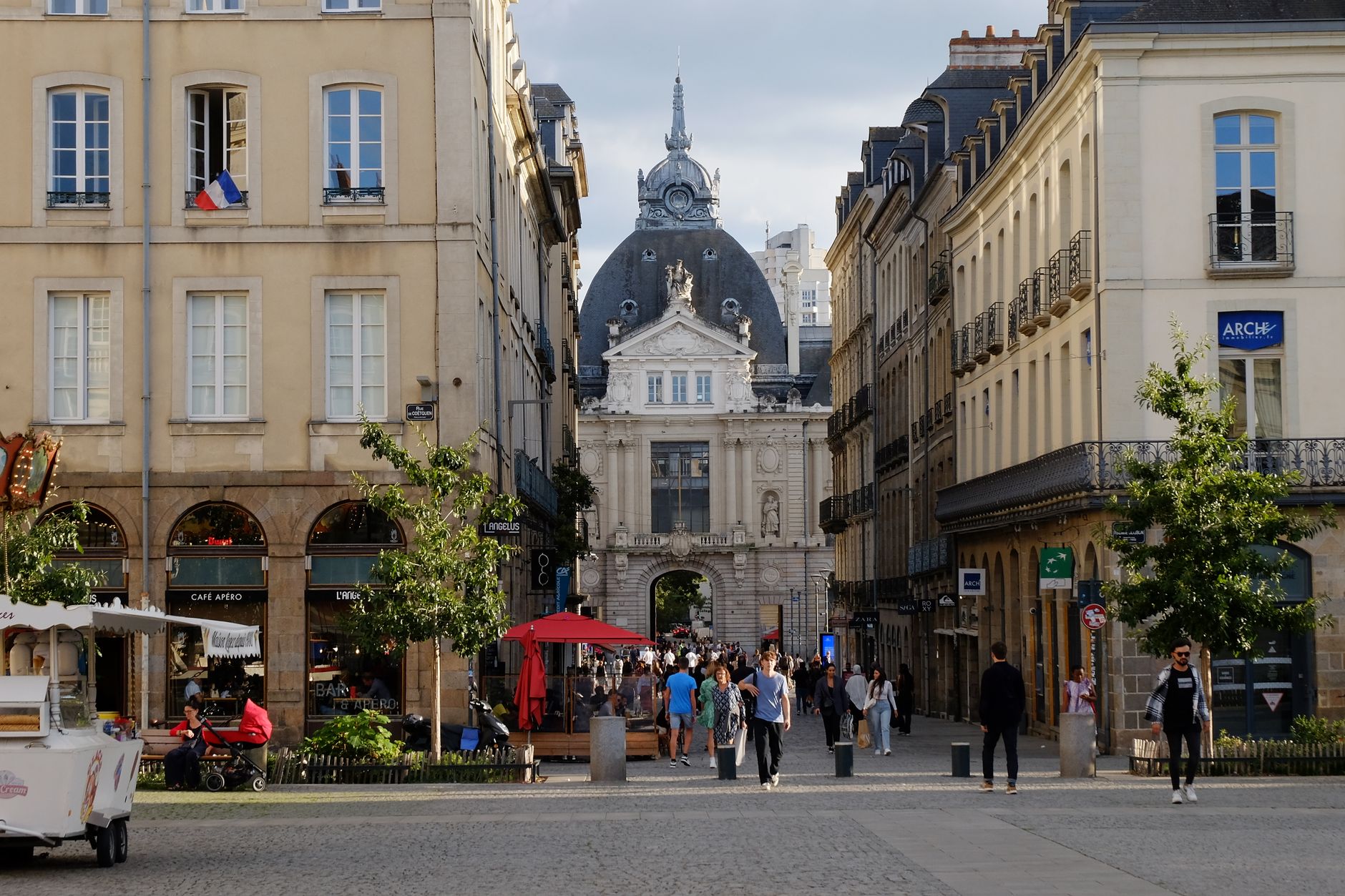
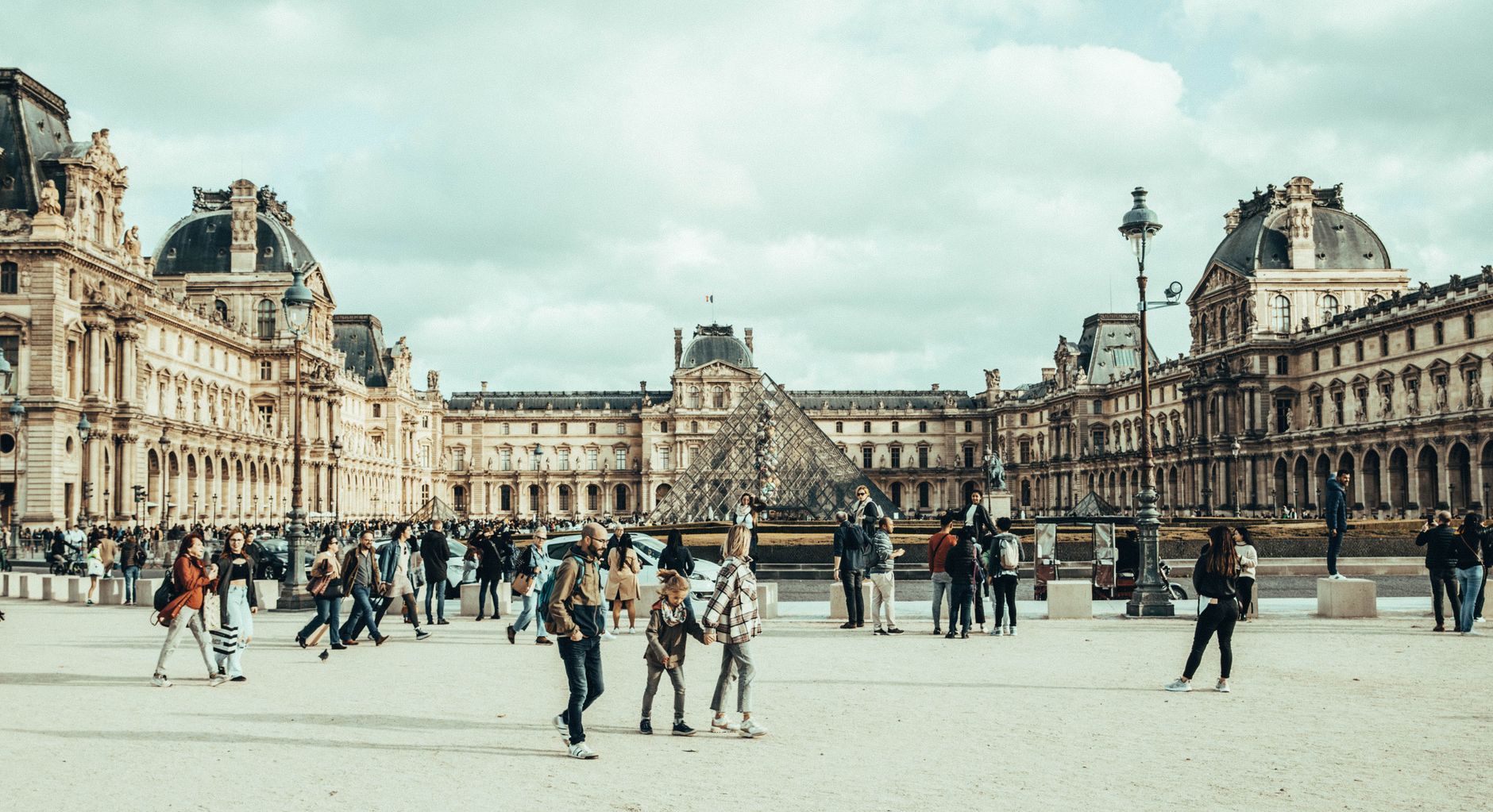


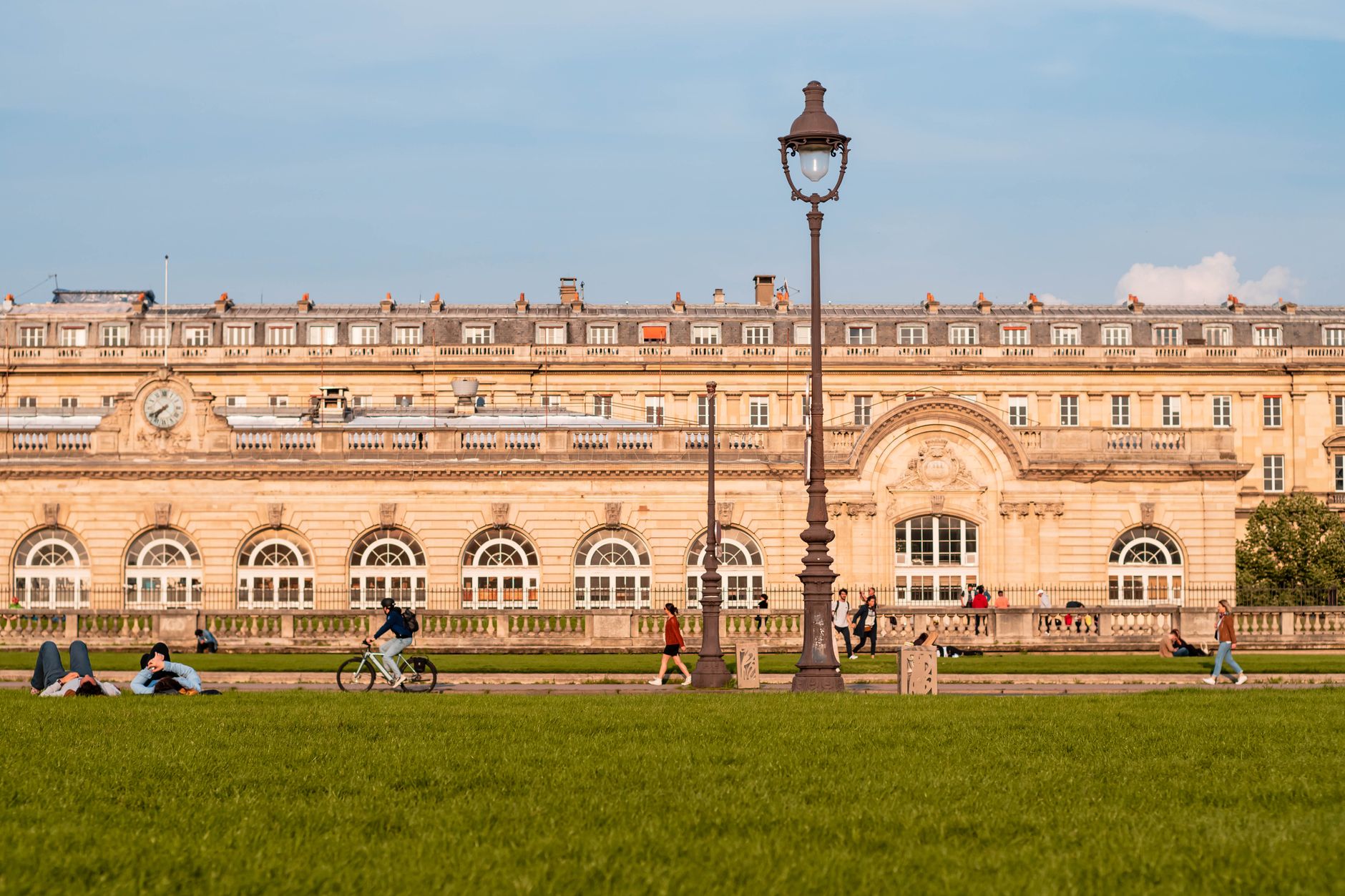
Nanterre sits at the western edge of the Axe Historique — the grand ceremonial line that runs from the Louvre through the Arc de Triomphe and terminates here, at the Grande Arche, a hollow 110-metre cube you can stand inside and look straight back toward the heart of Paris. Most people pass through on the RER A without stopping. That's their loss.
Beyond La Défense's glass towers, Nanterre has its own grain: a university campus where the first sparks of May 1968 caught fire, a cathedral built on the birthplace of Paris's own patron saint, and Émile Aillaud's cloud-shaped housing towers that look like nothing else in the Île-de-France.
💛 What travellers fall for
People who come back tend to time a morning around La Contemporaine — the archive and museum for contemporary history that most Parisians have never heard of — then walk the Seine cycle path toward Saint-Cucufa Pond in the Malmaison forest before the afternoon crowds arrive. The Théâtre Nanterre-Amandiers rewards checking the program before you visit; its international collaborations punch well above a suburban address.
Deals in Nanterre
Book directly at the provider

How Nanterre came to be
Celts were here by the late 4th century BCE, and the Romans knew the place as Nemetodurum — a name rooted in the Gaulish word for sacred grove. Around 419–422 CE, a girl named Geneviève was born in the village; she would become the patron saint of Paris, and the cathedral that now stands on her birthplace, rebuilt in Romanesque-Byzantine style and frescoed by Paul Baudouin, is still a listed historic monument.
For centuries Nanterre remained a rural parish under the long shadow of Parisian institutions. Then the 20th century arrived in a rush: Aillaud's undulating Cloud Towers went up between 1970 and 1975, the pyramid-shaped Hôtel de Ville was completed in 1973, and the Grande Arche — designed by Johann Otto von Spreckelsen and engineer Erik Reitzel — closed the western end of the Axe Historique in the 1980s. Before any of that, in March 1968, students at the Nanterre campus of the University of Paris began the protests that would become the defining upheaval of modern France.
Who and what shaped it
People who shaped it
Landmark buildings
See Nanterre in motion
Plan your visit
On the map
When to go
Nanterre's oceanic climate means mild, damp winters and warm summers rarely tipping into real heat. Late April through June and September through October are the most comfortable windows — outdoor spaces along the Seine and in Chanteraines park are at their best, and you avoid both the grey of January and the August lull when much of the city empties.
Right now
Background & history adapted from Wikipedia (CC BY-SA) · specs from Wikidata (CC0) · weather from Open-Meteo · map data © OpenStreetMap contributors · photos from Wikimedia Commons / Unsplash with per-image credit. No third-party reviews or social posts reproduced.