
Paris 6th Arrondissement
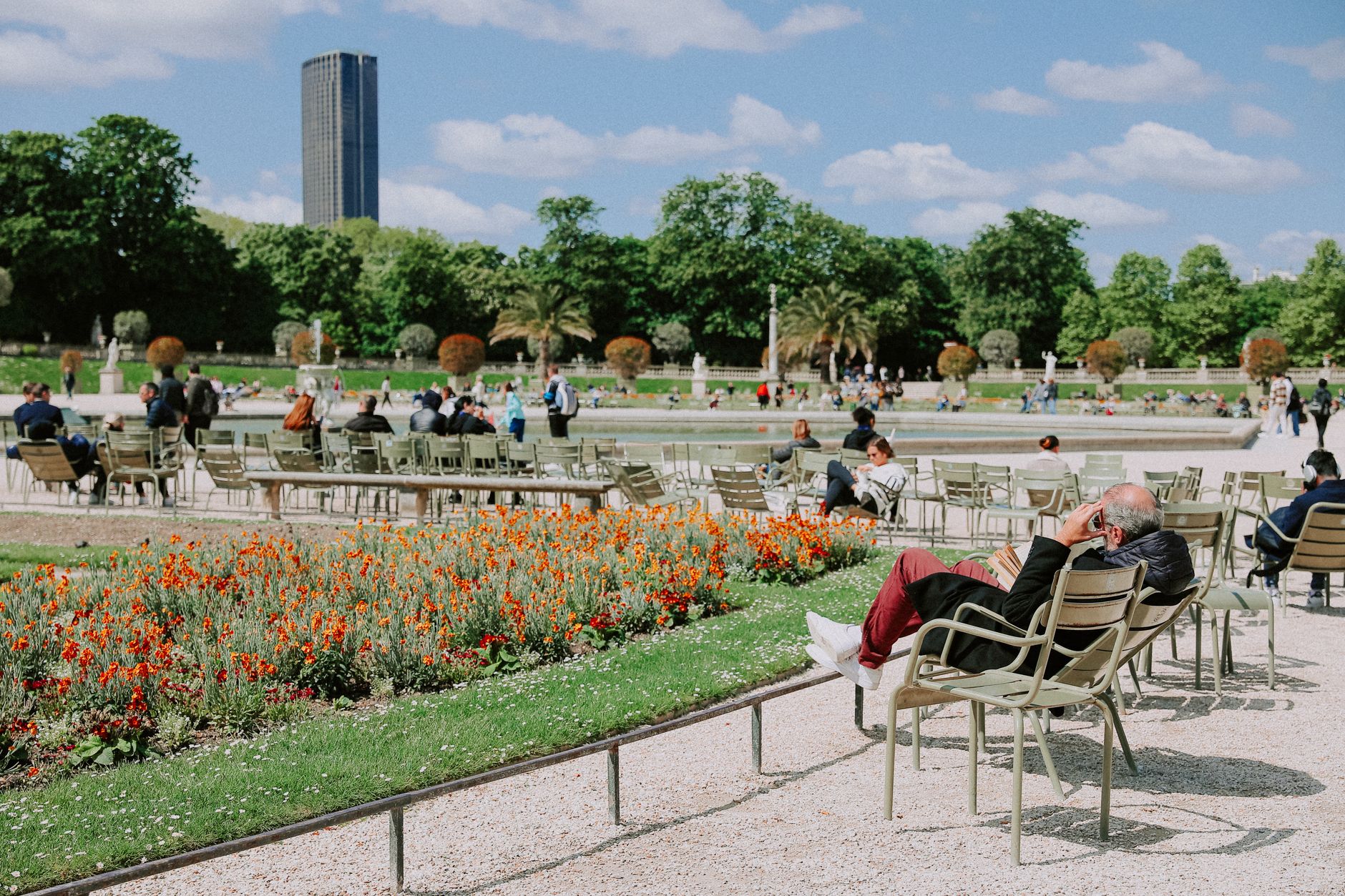
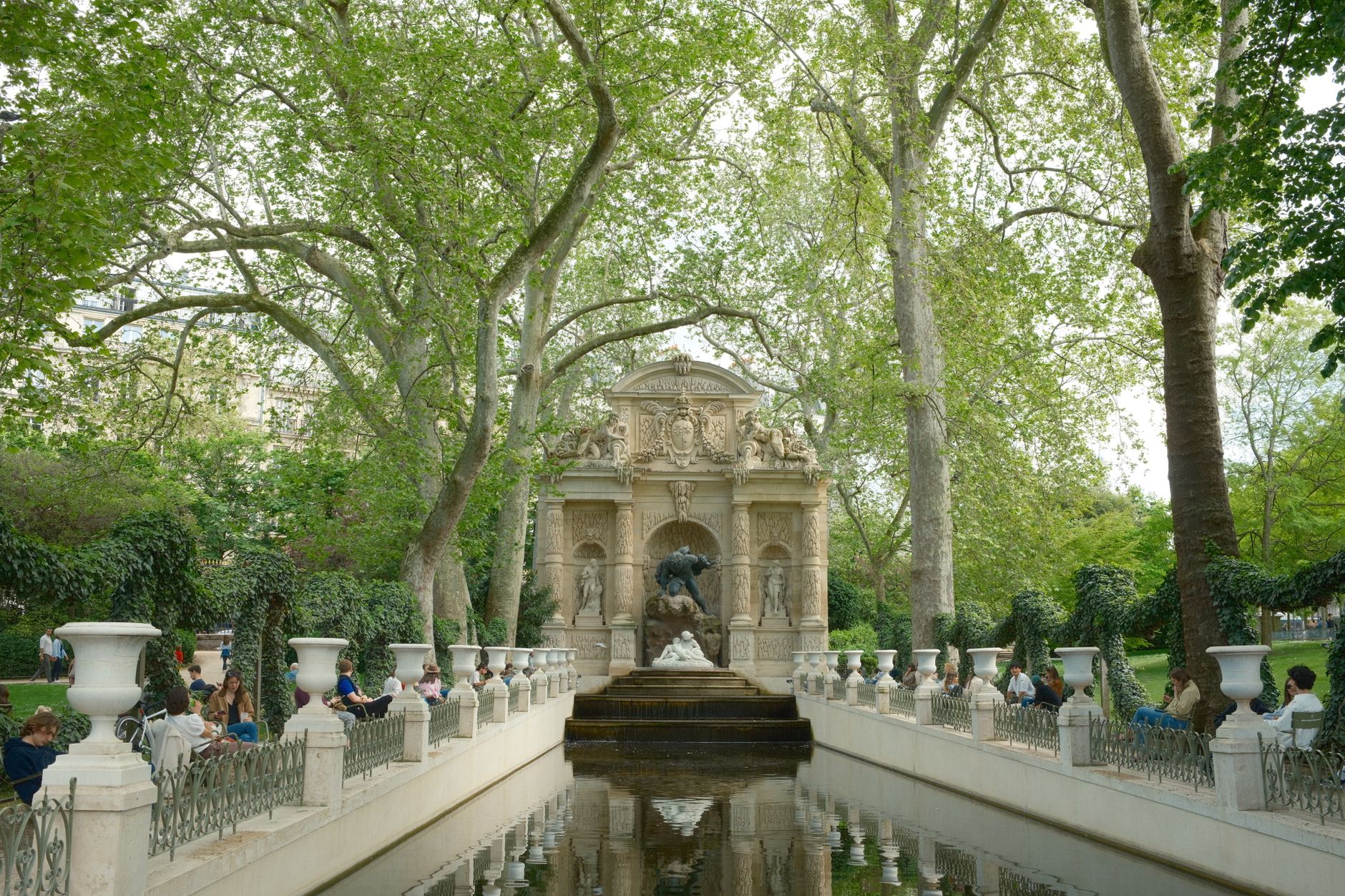
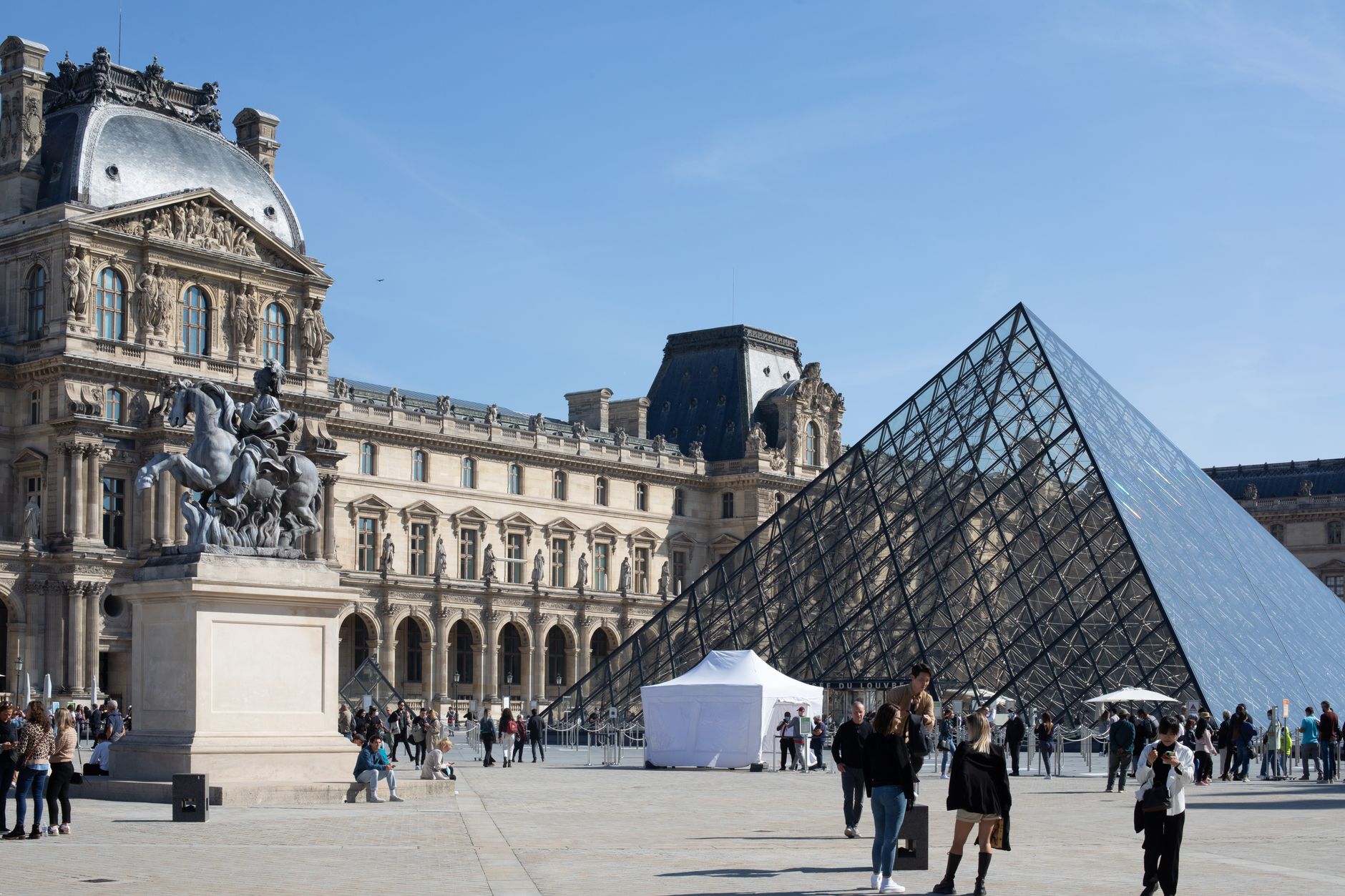
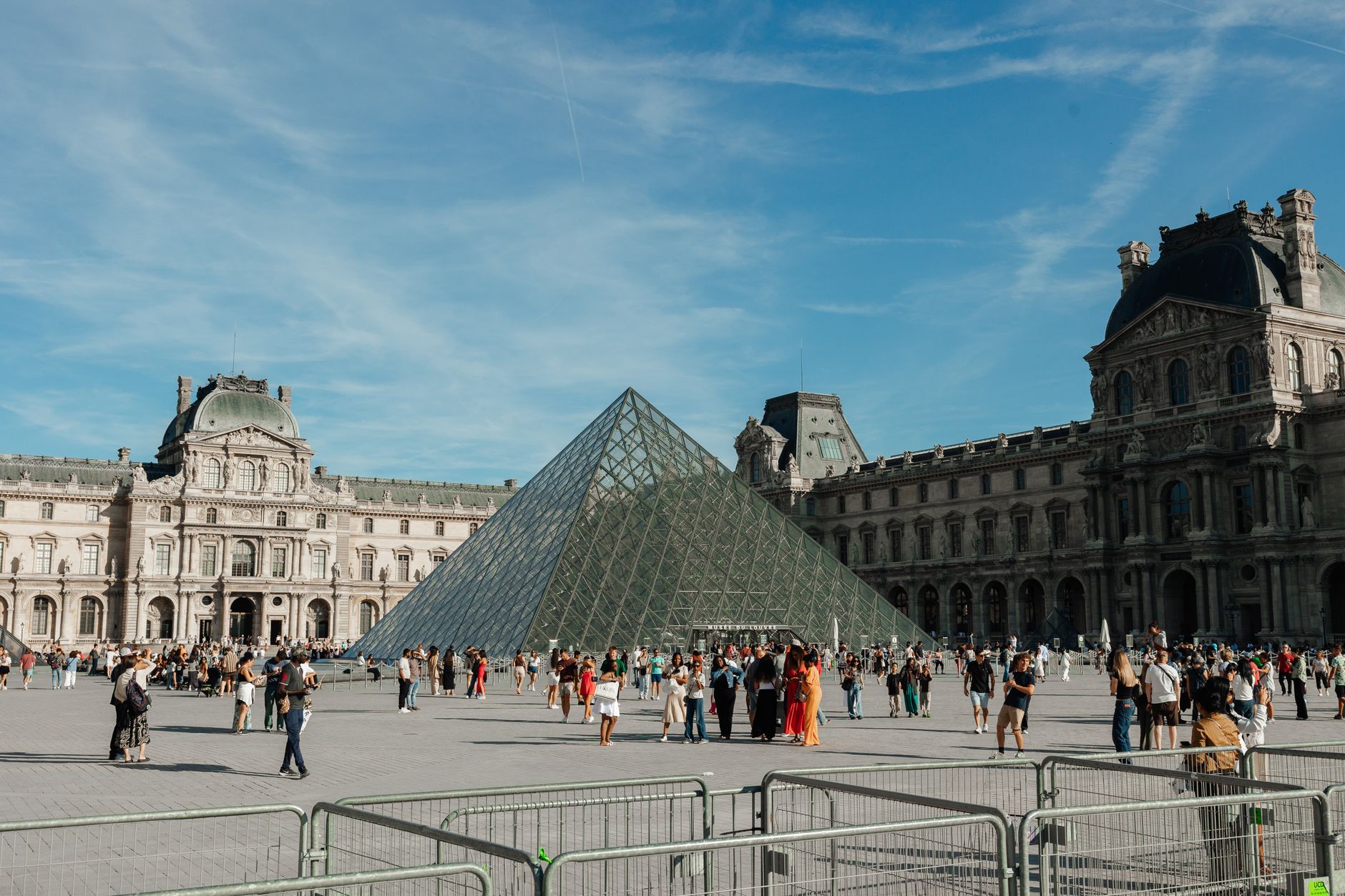
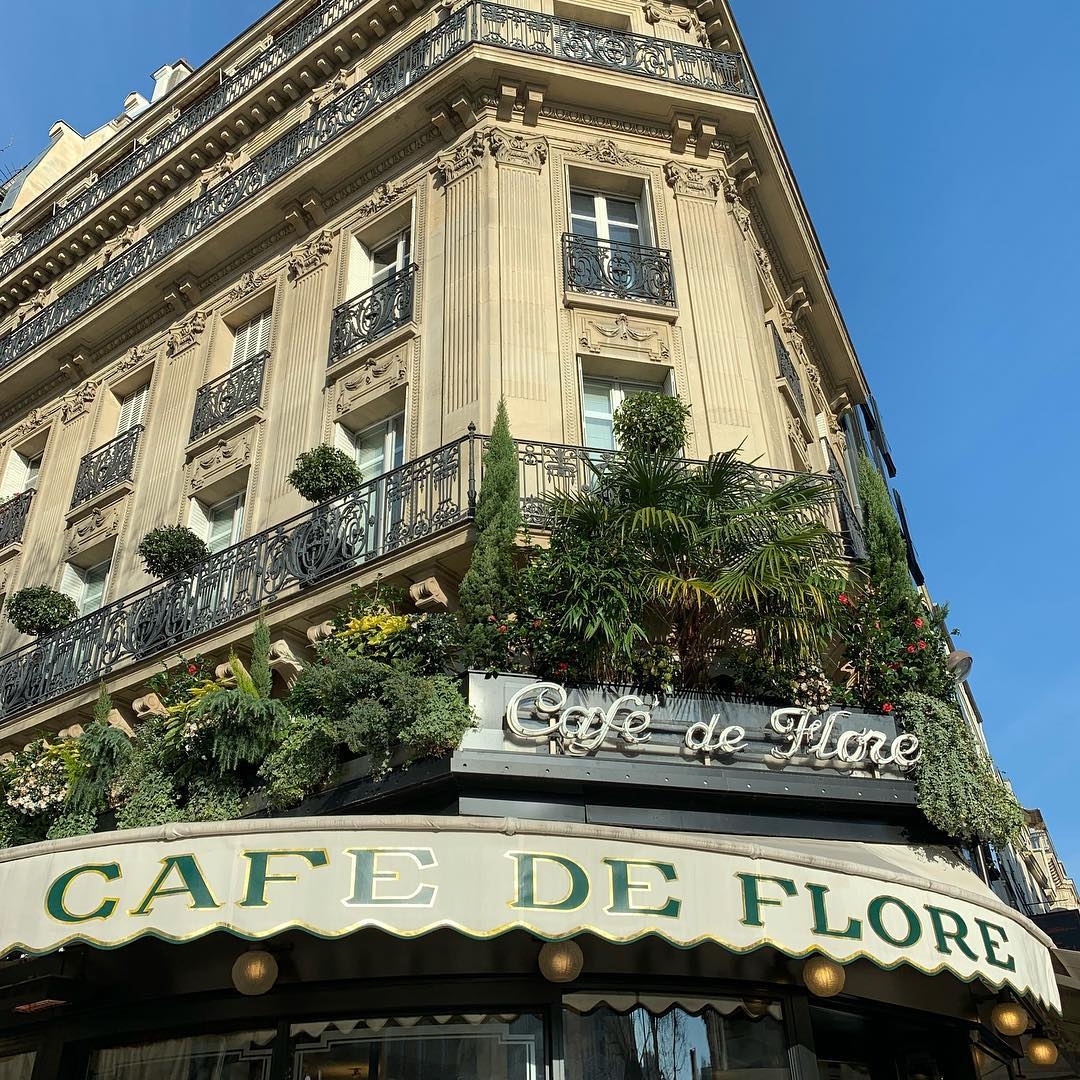
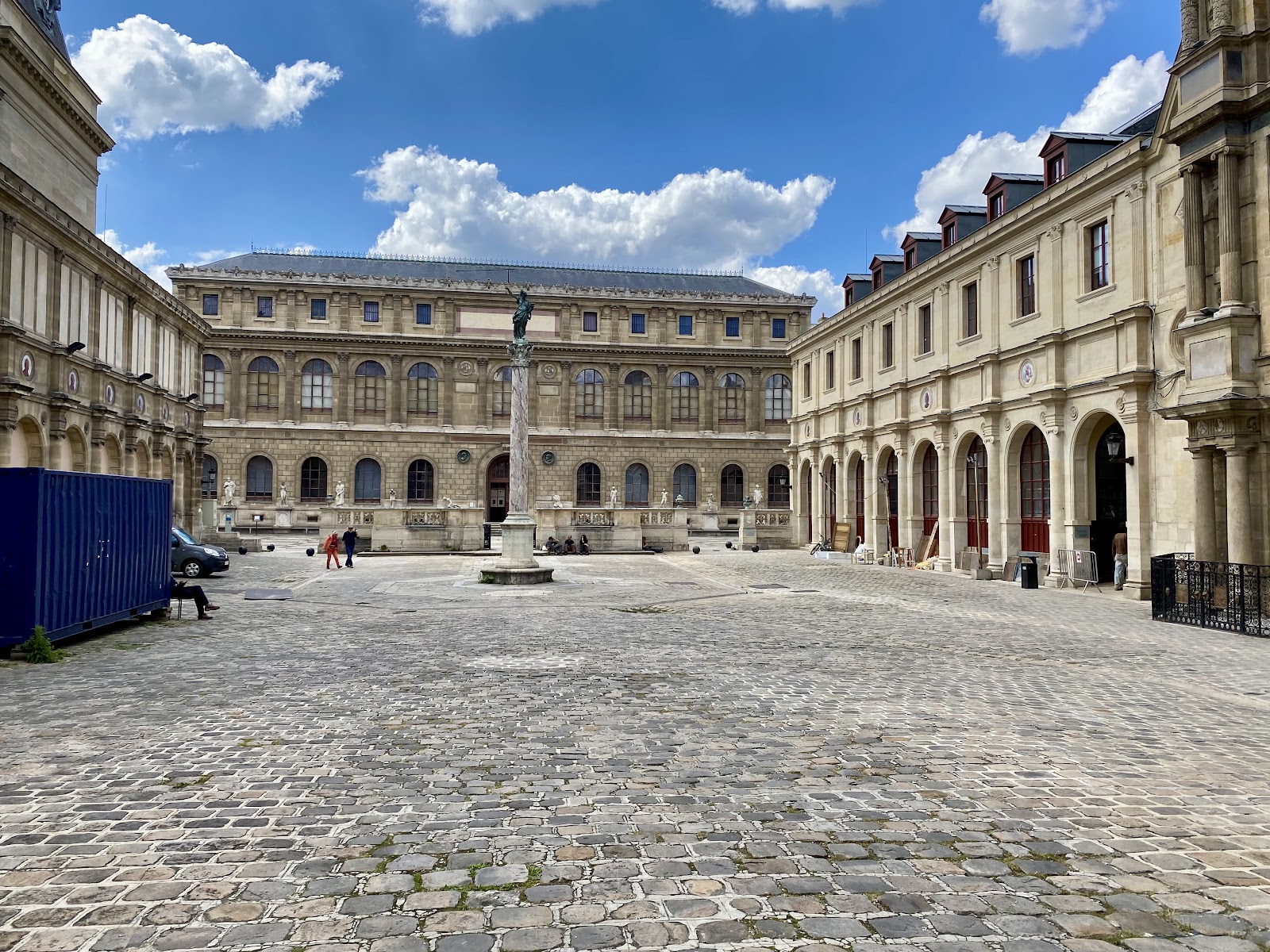
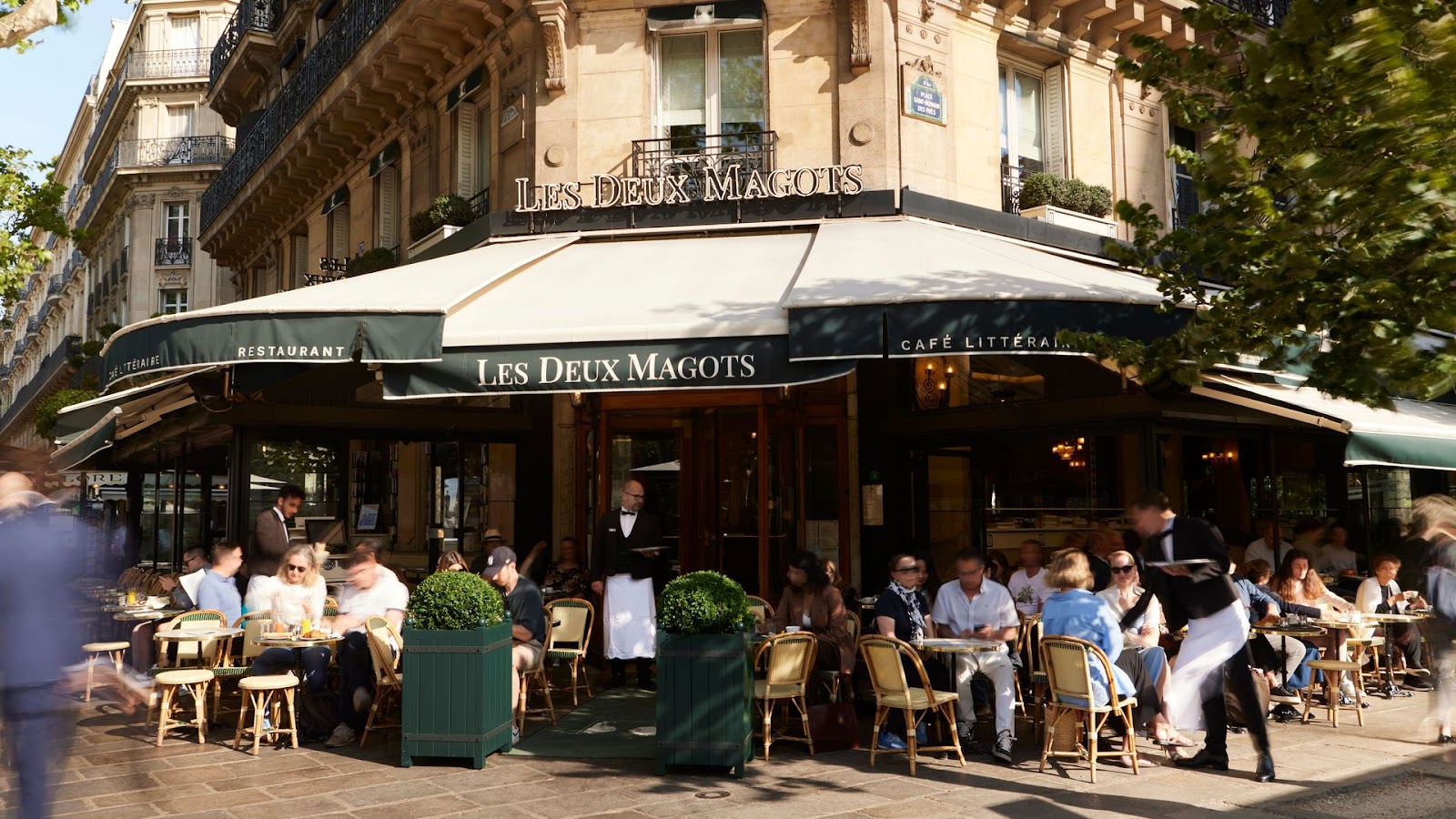
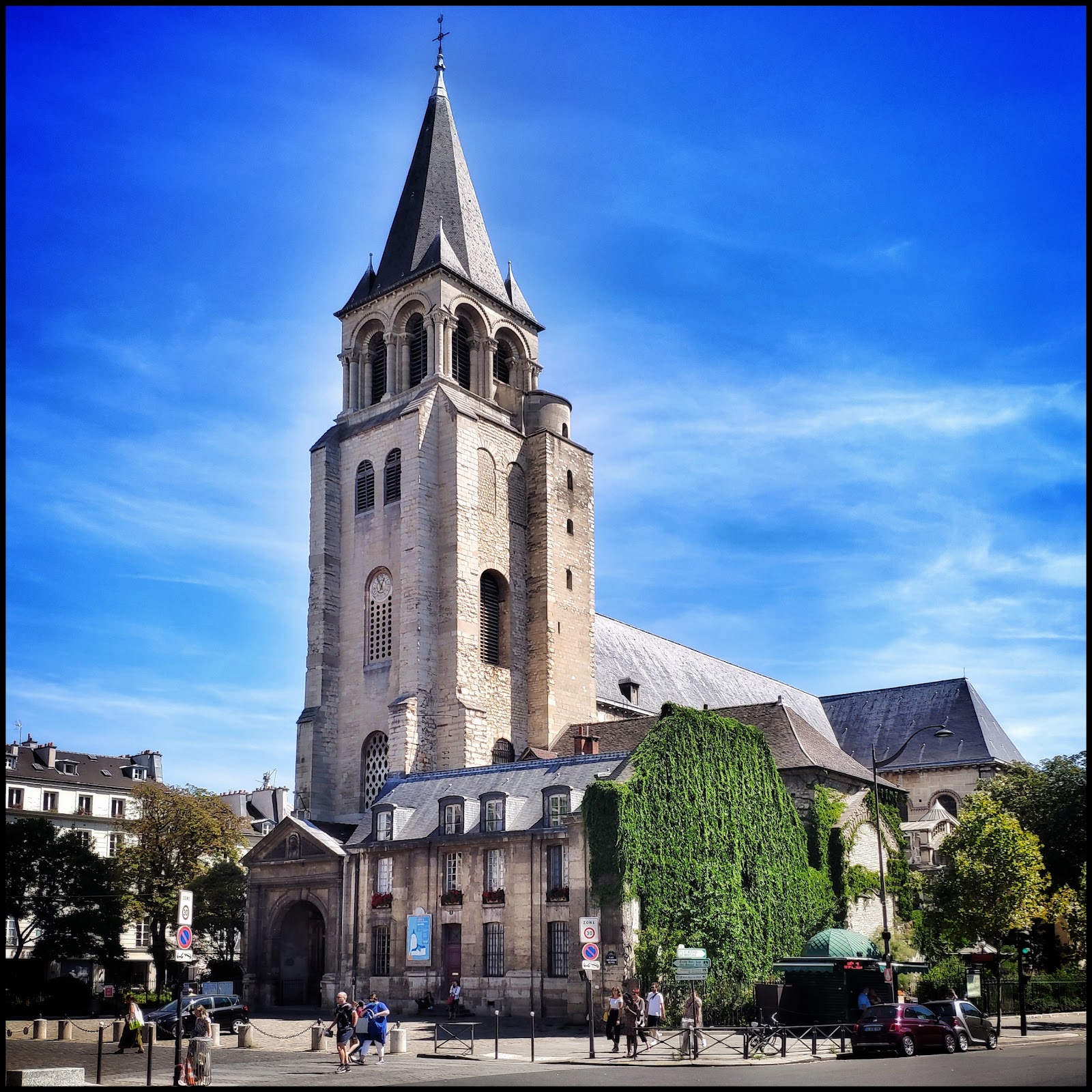
The 6th arrondissement is where Paris has long come to think. The café tables along Boulevard Saint-Germain still carry the ghost of Sartre and de Beauvoir arguing over coffee, and the abbey church that gives the neighbourhood its name has been standing — in some form — since the sixth century. This is the left bank at its most concentrated: bookshops, art schools, a palace with beehives in its garden, and streets that somehow manage to be both residential and legendary at the same time.
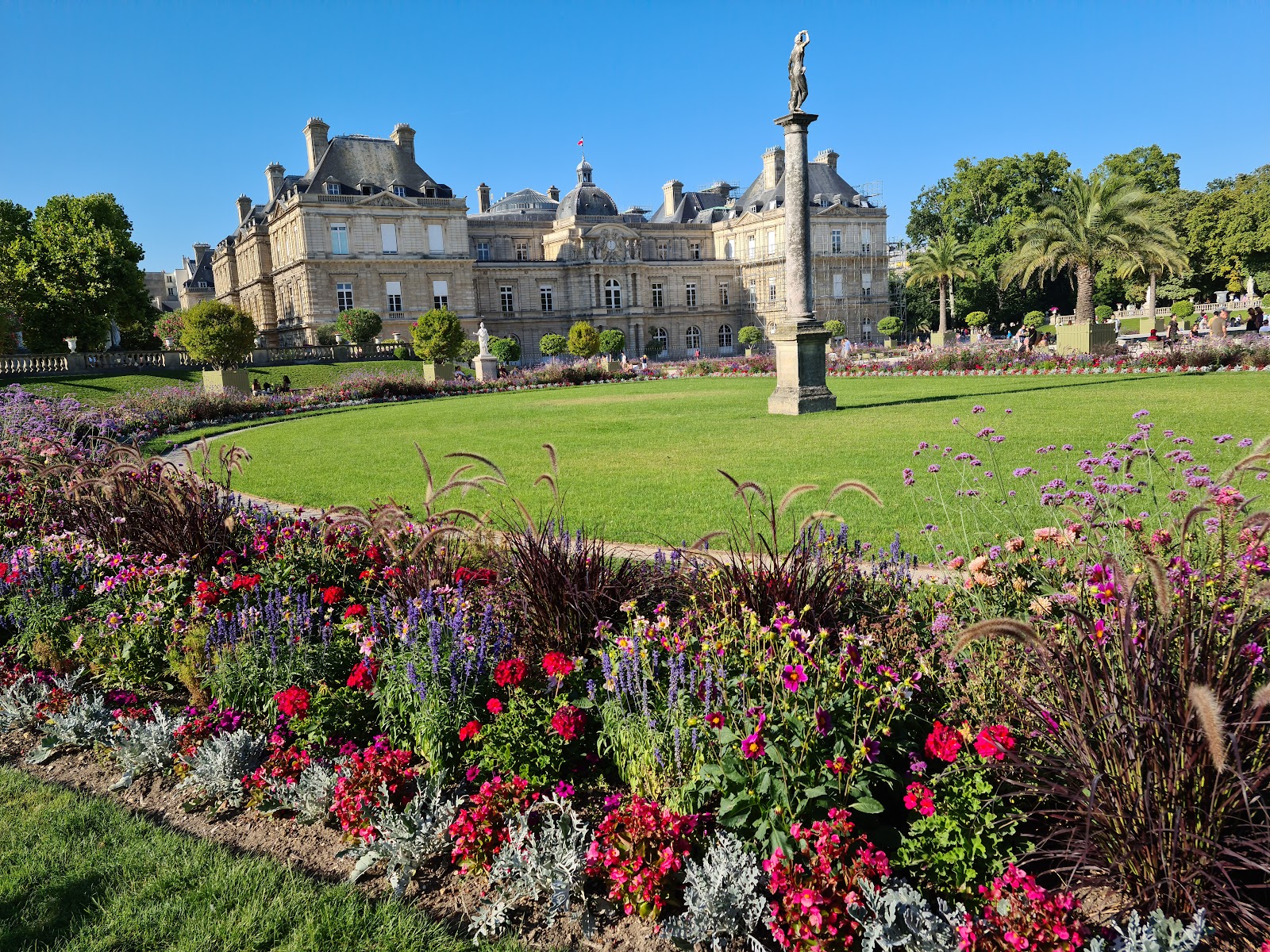
At its centre, the Luxembourg Gardens give the arrondissement a green lung that Parisians treat as a living room. Children push toy sailboats across the octagonal pond; senators walk to work through the same gates.
💛 What travellers fall for
Regulars tend to arrive early at the Luxembourg Gardens before the chairs fill up, and many make a point of the Delacroix Museum on Rue de Furstemberg — a quiet courtyard that most people walk straight past. The one-Saturday-a-month tours of the Luxembourg Palace itself are worth booking weeks ahead; the Senate chamber is unlike anything you'll see elsewhere in the city.
Deals in Paris 6th Arrondissement
Book directly at the provider

How Paris 6th Arrondissement came to be
The story of the 6th begins with a monastery. King Childebert founded the Abbey of Saint-Germain-des-Prés in 542, and for centuries it was one of the most powerful religious institutions in Paris — the church that survives today dates mainly from the 11th century. The neighbourhood's secular ambitions arrived in 1612, when Queen Marie de Médicis purchased an estate here and commissioned architect Salomon de Brosse to build the Luxembourg Palace, drawing French nobility westward across the left bank.
The Revolution scrambled everything. In 1800, Jean-François Chalgrin was brought in to remodel the palace for the new Sénat conservateur, a function it still holds. Haussmann's 19th-century reconstructions layered broad boulevards over the older medieval grain, producing the streetscape you walk through today.
Who and what shaped it
People who shaped it
Landmark buildings
See Paris 6th Arrondissement in motion
Plan your visit
On the map
When to go
Summers are warm and the gardens draw crowds from June through August; September pulls back the tourists while keeping the light. Winters are mild by northern European standards but grey and damp — the abbey and the covered passages of the Odéon quarter make good shelter.
Right now
↡ Attractions
Background & history adapted from Wikipedia (CC BY-SA) · specs from Wikidata (CC0) · weather from Open-Meteo · map data © OpenStreetMap contributors · photos from Wikimedia Commons / Unsplash with per-image credit. No third-party reviews or social posts reproduced.