
Odéon Theatre de l'Europe
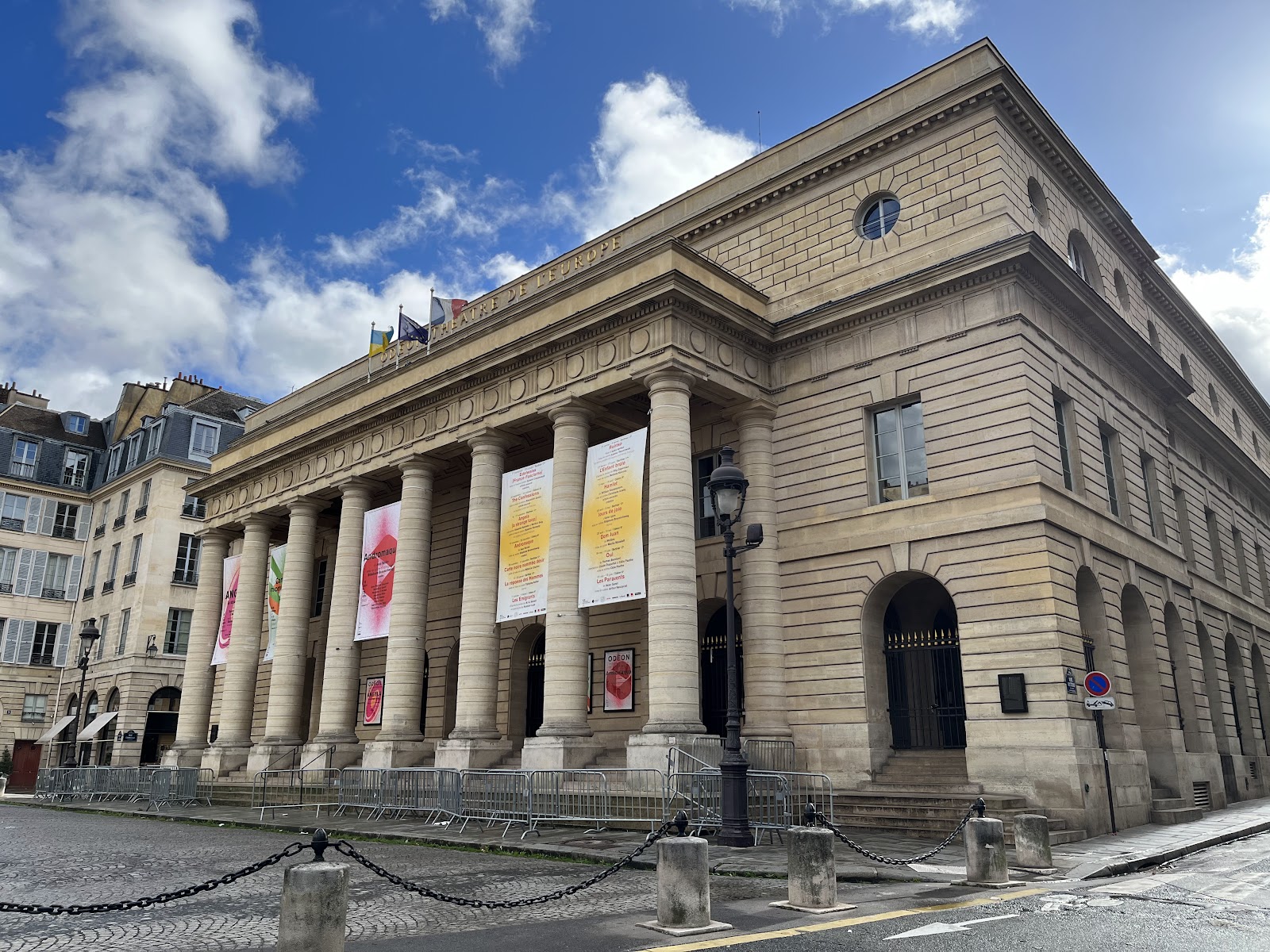
The eight Doric columns of the Odéon's entrance portico face a semicircular square whose radiating streets — Rue Corneille, Rue Racine, Rue Crébillon — are named after the playwrights whose work once filled this stage. The geometry is deliberate: the whole ensemble was conceived together in 1779, and it still reads as a single thought.
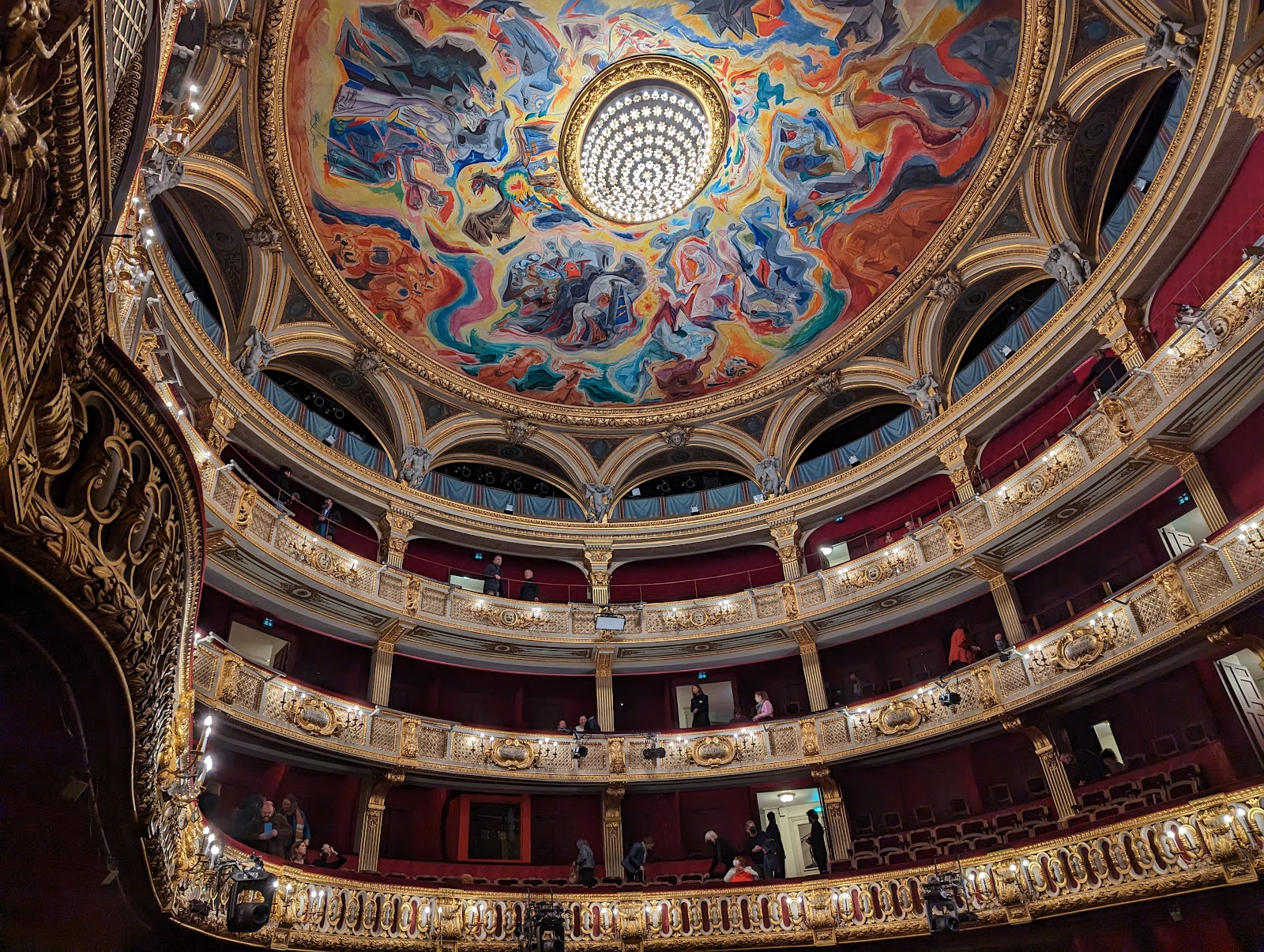
This is one of the oldest working theatres in Paris, and it carries the weight of that lightly. The Marriage of Figaro had its world premiere here in 1784. Berlioz watched Harriet Smithson play Ophelia from these seats in 1827 and, by his own account, lost his mind entirely. Today it programs European work in multiple languages, with English surtitles on selected nights.
💛 What travellers fall for
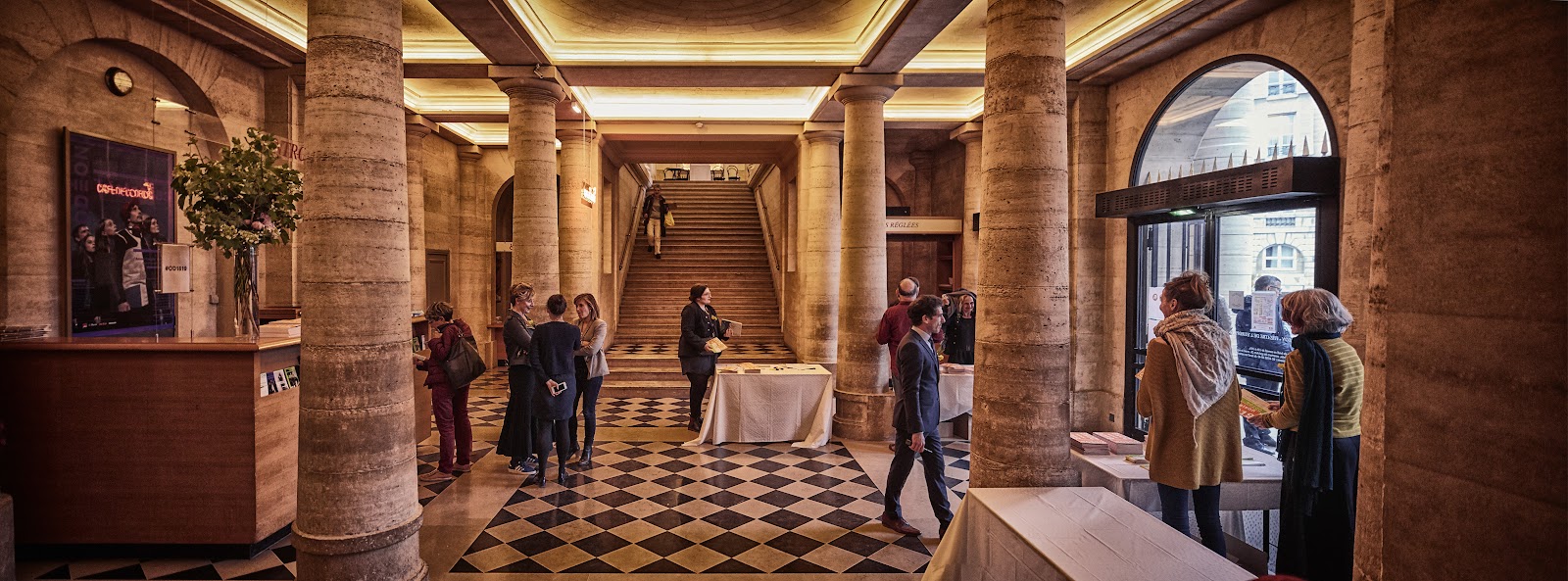
People who come back tend to arrive early enough for a drink at the Café de l'Odéon in the foyer — it opens ninety minutes before curtain. The under-28 ticket price (€7–20) makes it genuinely easy to take a chance on something unfamiliar. Check the surtitle schedule before booking if French isn't yours.
The story behind Odéon Theatre de l'Europe
The original theatre on this site was designed by Charles De Wailly and Marie-Joseph Peyre and inaugurated by Marie-Antoinette on April 9, 1782 — one of the first purpose-built public theatres in Paris, and the first to provide benches for orchestra-level spectators rather than standing room. Fire took it in 1799. Jean-François Chalgrin, who would go on to design the Arc de Triomphe, oversaw the 1808 reconstruction; that building burned in 1818.
The present structure, designed by Pierre Thomas Baraguay and opened in September 1819, is the third on the same footprint. It was classified as a National Historical Landmark in 1947. In May 1968, students occupied the building during the civil unrest of Mai 68, with the support of the theatre's then-director. It was renamed Théâtre de l'Europe in 1990.
Good to know
Metro lines 4 and 10 stop at Odéon, two minutes' walk away. The box office runs Tuesday–Saturday, 2–6 PM. Tickets are non-refundable but exchangeable up to five days before the show for a €3 fee. Email ahead if you need wheelchair-accessible seating confirmed.
Where is Odéon Theatre de l'Europe?
Location
- In Paris 6th Arrondissement
- 48.8511, 2.3397
- Open in Google Maps
Rating
4.6 ★ · 1,765 Google reviews
More tickets & tours for Odéon Theatre de l'Europe
Book directly at the provider
What travellers say about Odéon Theatre de l'Europe
I went there for the jazz festival à Saint germain des pres, it’s like an opera house. Very beautiful and classic
Merci beaucoup for Odéon Theatre that has made my first time experience ever watching theatre become very exited and it turned out great. Just watched their performance of Dom Juan play and they are all amazingly talented and extremely entertaining. Plus all the staffs are very helpful, I have a problem e-booking and the very nice lady at the billetterie counter was very helpful and informative, you’re the best! I’ll definitely come back.
Even reduced visibility seats have a great view, very fun time. Beautiful theatre and the rest of the venue is very cool.
Went here for a candle light concert. It was so amazing and surreal. Beautiful venue
I live next to the theater, and I’m very annoyed to be so. Since the summer started, and daily, groups of people come to gather at the back area to put on loud music and dance until midnight. Additionally, homeless people started to take the back of the theater as their location. They treat the sidewalks around the theater as their toilet. I wouldn’t have chosen to live in this area if I knew that this was what I would hear and see as long as I lived next to the theater.
More of Paris 6th Arrondissement
Discover where to stay, what to do and the best deals for your trip.
Explore Paris 6th Arrondissement →More attractions in Paris 6th Arrondissement
All of Paris 6th Arrondissement →
Background adapted from Wikipedia (CC BY-SA) · map data © OpenStreetMap contributors · ratings & place photos via Google · other photos with per-image credit. Ticket links may earn us a commission at no extra cost to you.