
Les Deux Magots
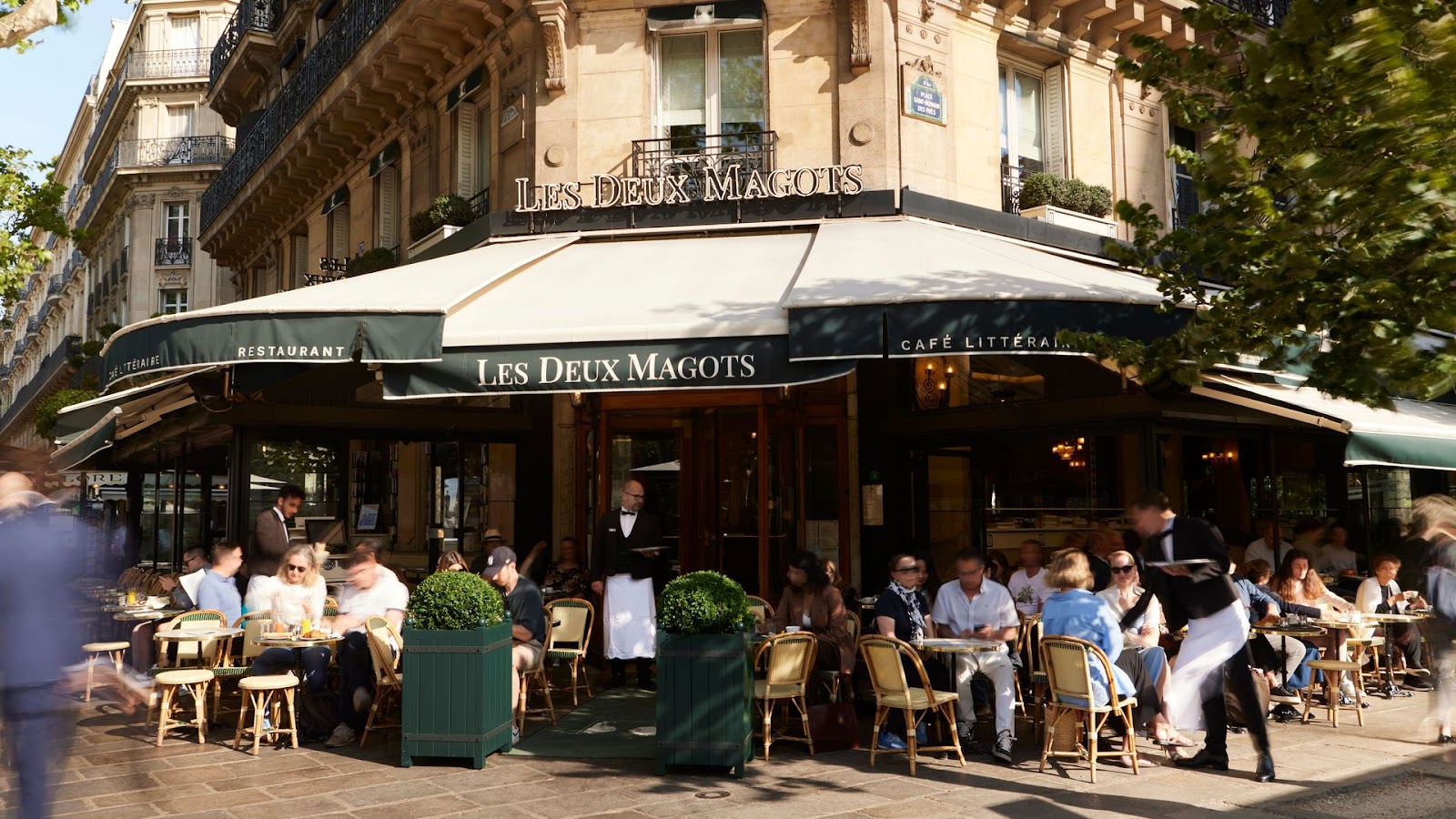
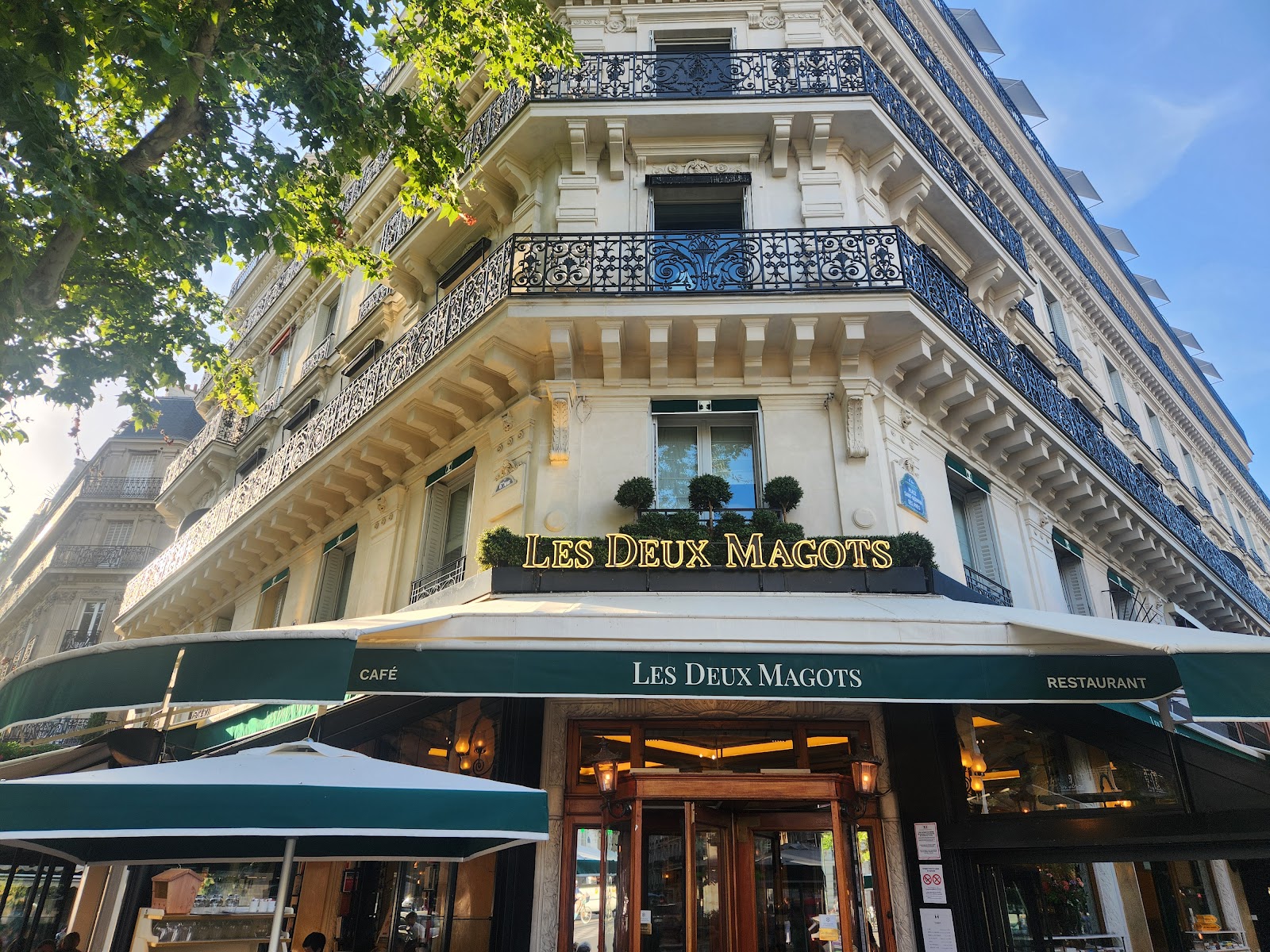
Two lacquered Chinese figurines — magots, symbols of wisdom — have watched over this corner of Place Saint-Germain-des-Prés since the 1880s, long enough to have seen Verlaine nurse an absinthe and Simone de Beauvoir fill a notebook. The red banquettes, mahogany tables and wall-length mirrors haven't changed much either, which is partly the point.
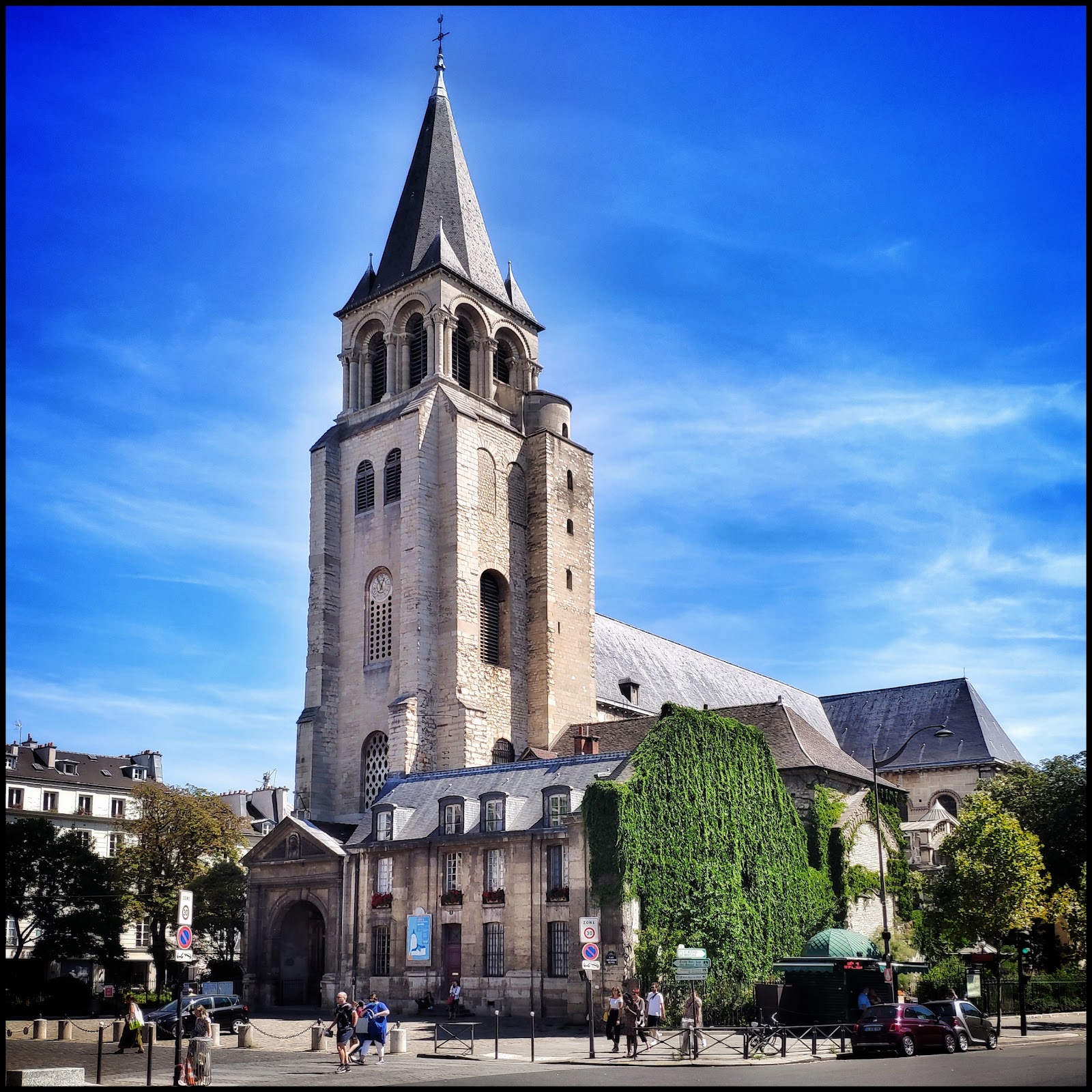
The terrace tables face the west façade of the Abbaye de Saint-Germain-des-Prés directly across the square. Sit there long enough and the street performs for you: tourists, philosophers-in-training, delivery bikes, pigeons on the abbey's stone.
💛 What travellers fall for
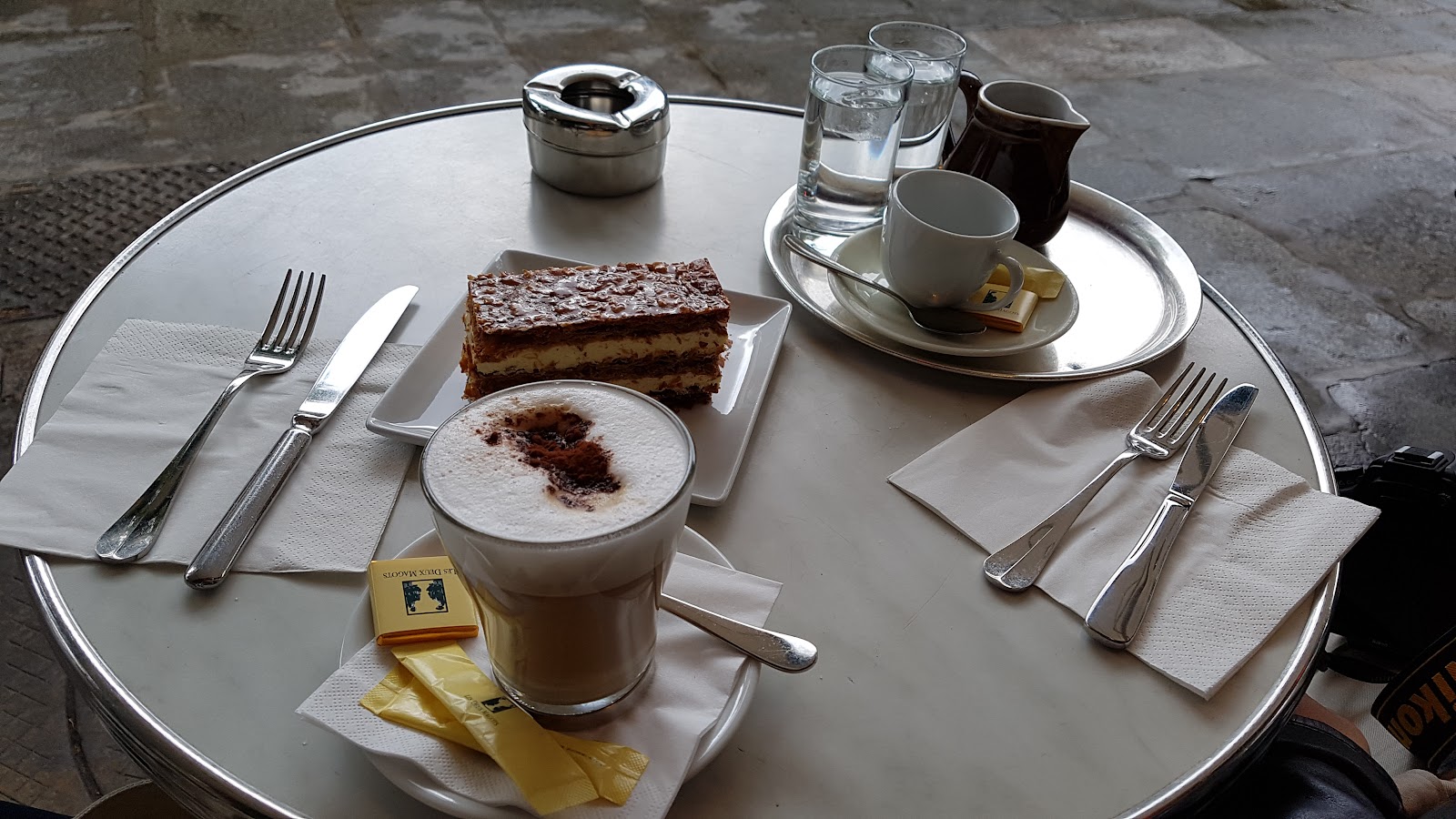
Regulars tend to skip the lunch crush and arrive before 9 a.m. for coffee and a croissant when the room is quiet enough to hear the chandeliers. The signature hot chocolate is worth ordering once — properly thick, made with care in a city where that's rarer than it should be. Reserve ahead for weekend brunch.
The story behind Les Deux Magots
The name predates the café by decades. In 1812 a silk and novelty shop called Les Deux Magots — borrowed from an 18th-century play about two Chinese merchants — opened at 23 rue de Buci. The business moved to Place Saint-Germain-des-Prés in 1873 and reinvented itself as a café and liqueur bar in 1884, the two Mandarin figurines coming with it and staying ever since.
In 1914, with the business near bankruptcy, Auguste Boulay bought it for 400,000 francs. His family — now the Mathivats — have owned it for four generations. The symbolist poets came first: Mallarmé, Verlaine, Rimbaud. Then the surrealists — Apollinaire, Breton, Aragon. Then Sartre and de Beauvoir made it their daily office; Hemingway wrote at a first-floor table; Picasso met Dora Maar here. In 1933 the café founded the Prix des Deux Magots, a literary prize awarded annually to a French novel — Raymond Queneau won the first.
Good to know
Take Métro line 4 to Saint-Germain-des-Prés — two minutes on foot. Lunchtime queues can run 30-plus minutes; book by phone (+33 1 45 48 55 25) or come early morning. Budget around €90–100 per person for a full meal. Café de Flore is steps away if the wait is unreasonable.
Where is Les Deux Magots?
Location
- In Paris 6th Arrondissement
- 48.8540, 2.3328
- Open in Google Maps
Rating
4.2 ★ · 11,952 Google reviews
More tickets & tours for Les Deux Magots
Book directly at the provider
What travellers say about Les Deux Magots
Les Deux Magots was one of those classic Parisian café experiences that completely lived up to the hype. We stopped by for breakfast and ordered the croissant, pain au chocolat, hot chocolate, and coffee. Everything was delicious, but the standout was undoubtedly the hot chocolate—rich, velvety, and indulgent. It’s definitely on the pricey side, but absolutely worth trying and easily comparable to the famous hot chocolate at Angelina. The pastries were fresh, buttery, and exactly what you’d hope for from a historic Paris café. The coffee paired perfectly with breakfast and rounded out the experience nicely. Service was friendly and efficient, and one of the highlights was the excellent outdoor seating area. Sitting outside, people-watching, and soaking in the Parisian atmosphere made the meal even more memorable. While reservations are available, I would recommend simply walking in. We found plenty of seating, making it an easy and enjoyable stop without the need to plan ahead. 5/5 – A quintessential Paris café experience with excellent pastries, outstanding hot chocolate, friendly service, and a fantastic outdoor atmosphere.
You should have breakfast here if you are in Paris. I really feel like the current 4.2 rating is incorrect. It was some of the friendliest service we had while in Paris, the breakfast was lovely, the seating is fab, so overall a lovely experience. It is on the pricey side for breakfast but a lovely experience if you want a treat. We arrived about 10:30am on a Friday and there was no wait!
Les Deux Magots is undeniably iconic, but unfortunately our experience didn’t quite live up to the reputation. We came in the morning expecting something similar to Café de Flore next door, but it felt noticeably more tourist-driven and less genuine. Despite visible availability in the main seating area, we were directed to a side section. What made it worse was that this area was quite cut off — we couldn’t really see the street or fully feel the atmosphere of the café. Aside from the branding on the tables and surroundings, it didn’t feel like we were truly part of the Les Deux Magots experience. This gave the impression that guests might be subtly separated, with locals in the main area and tourists placed elsewhere. The service reflected a similar tone — not overtly rude, but distant, rushed, and lacking the warmth you would normally expect in Saint-Germain. The food itself was perfectly fine — good coffee, fresh pastries, exactly what you would expect from a classic Parisian breakfast. But overall, the experience felt more transactional than enjoyable, and noticeably more expensive for what it offers. It’s still worth visiting once because of its history, but if you’re given the option to sit in a side section, I would strongly recommend asking for a table in the main area — otherwise, you miss a big part of what makes this place special. If I had to choose, I would return to Café de Flore without hesitation. The experience there felt far more authentic and enjoyable.
Fabulous Xmas eve dinner at this Paris landmark. Veal chop with morels was amazing as was the beef tartar and blanquette de veal. Thick hot chocolate on a cold night on the patio, the heaters worked great. Service was amazing, even the bathroom attendant keeping everything impeccably clean. A bit touristy, but a great experience. Very short wait for 3 people with no reservations. Recommend to get there just before dinner when the stop serving drinks only.
Enjoyed a lovely dinner here on our first night in Paris. We made the reservation the day prior. We chose Les Deux Magots for its historical significance and proximity to our hotel, and we weren’t disappointed! The food and service were excellent. Our waiter was friendly and made great recommendations. The creme brûlée was wonderful! We enjoyed the escargot, too. We ate on the warm terrace and had a lovely dinner here. Highly recommend!
More of Paris 6th Arrondissement
Discover where to stay, what to do and the best deals for your trip.
Explore Paris 6th Arrondissement →More attractions in Paris 6th Arrondissement
All of Paris 6th Arrondissement →
Background adapted from Wikipedia (CC BY-SA) · map data © OpenStreetMap contributors · ratings & place photos via Google · other photos with per-image credit. Ticket links may earn us a commission at no extra cost to you.