
Luxembourg Gardens
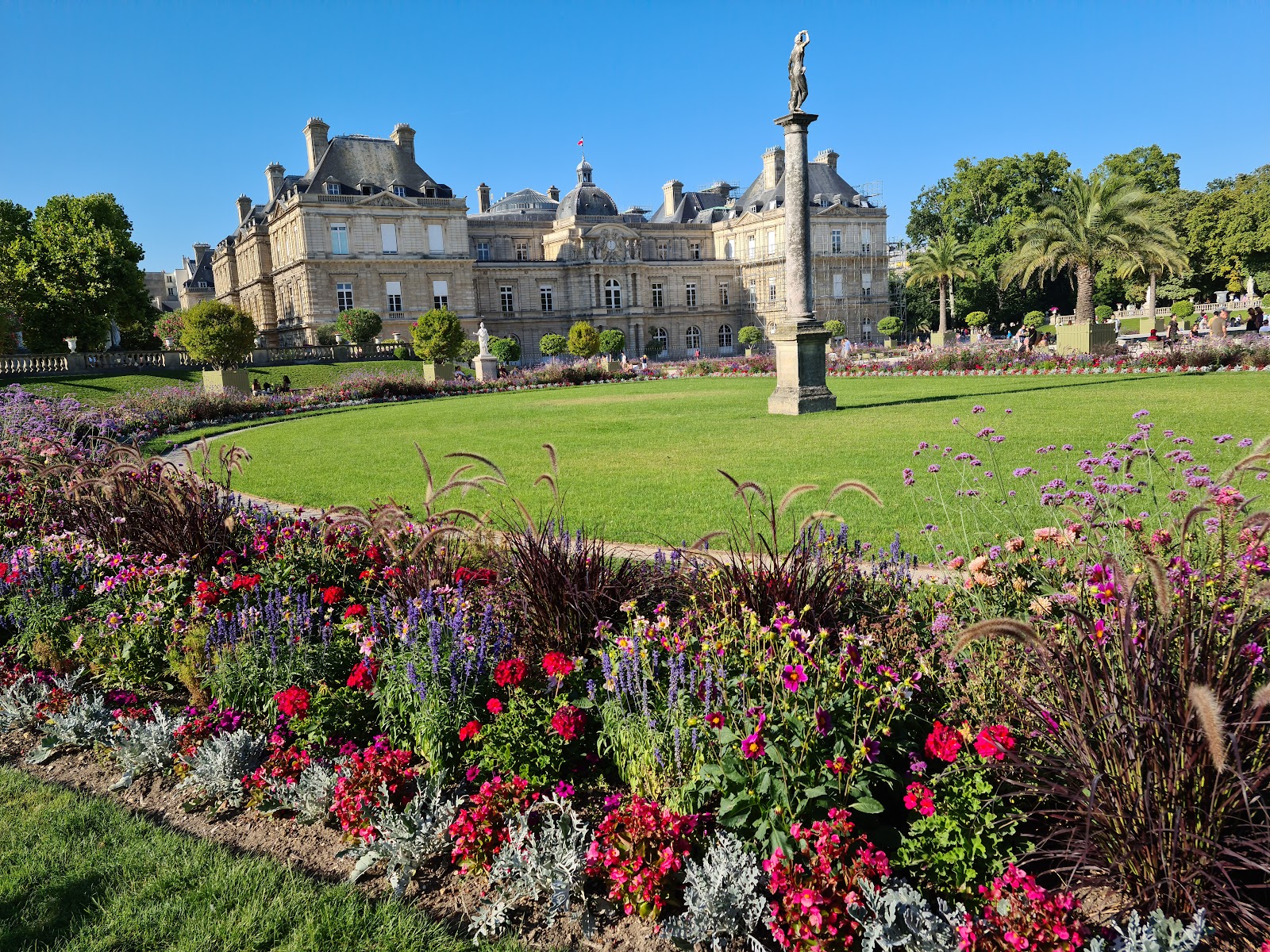
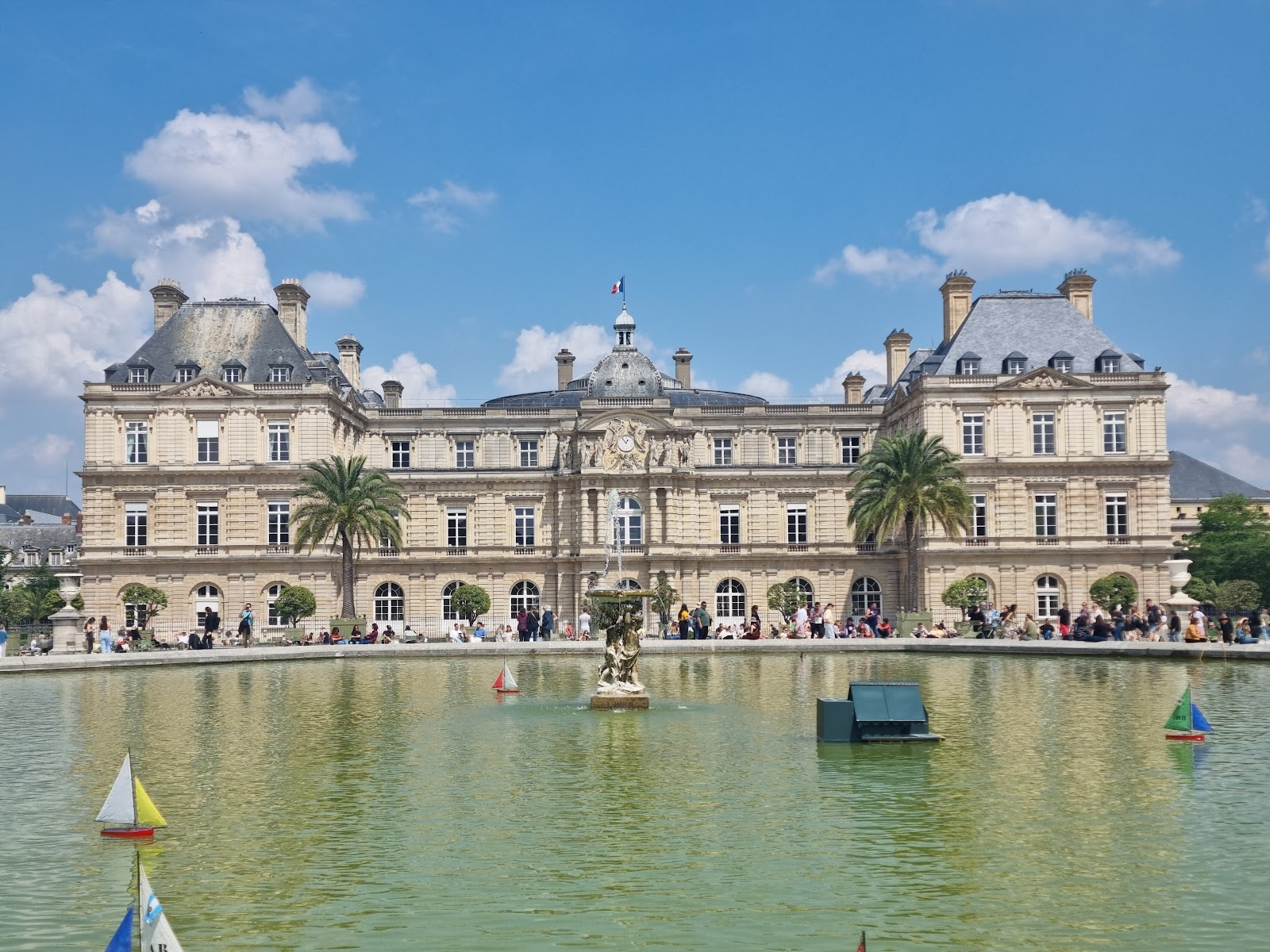
The octagonal Grand Bassin sits at the center of it all, and on any given afternoon you'll find children crouched at its edge, steering wooden sailboats with long sticks while their grandparents read on nearby chairs. That small, repeated scene tells you most of what you need to know about the Jardin du Luxembourg: it is a garden that Parisians actually use, not merely admire.
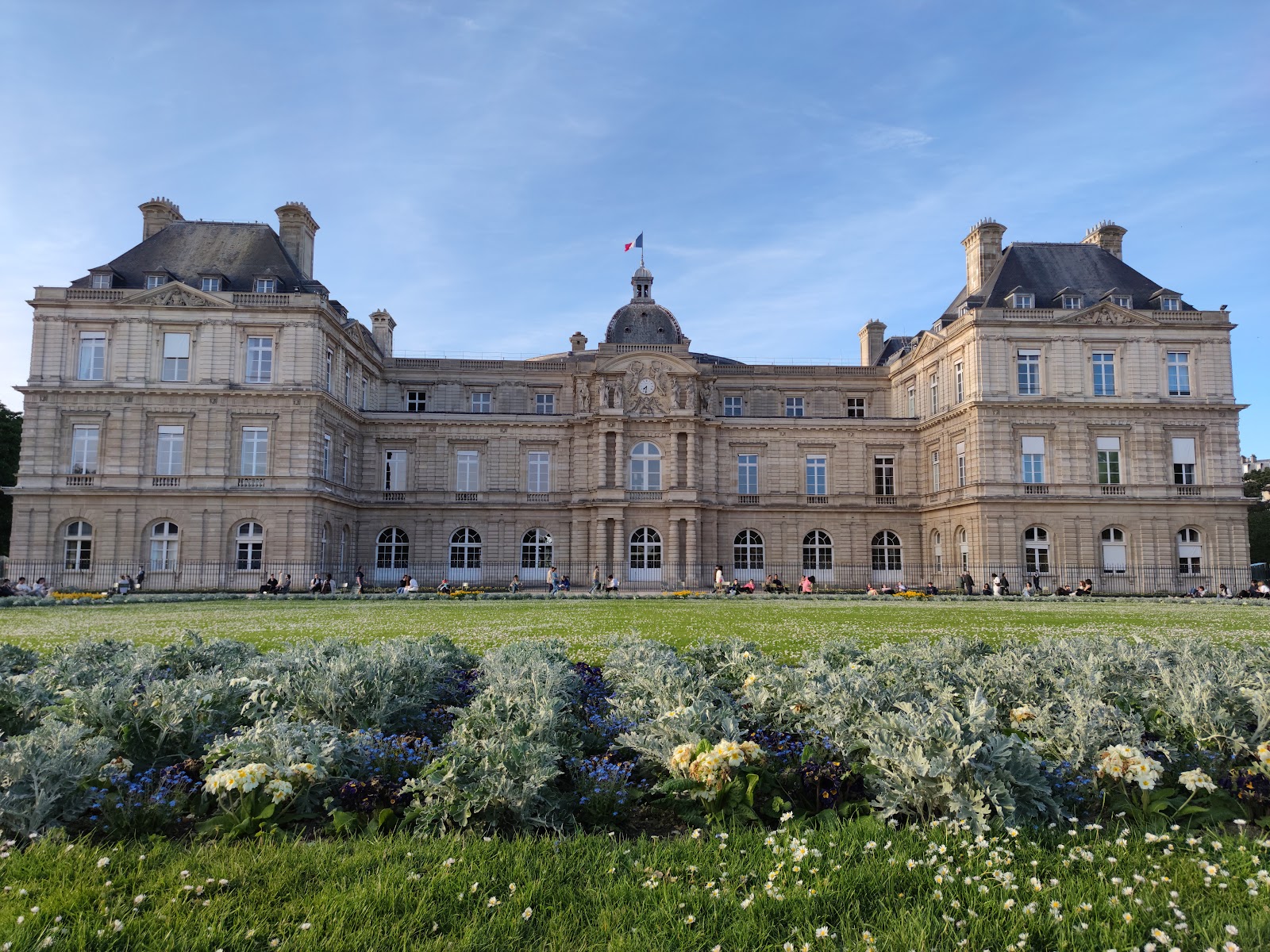
The French Senate owns the 23 hectares and keeps them in trim formal order — clipped chestnuts, geometric parterres, gravel paths raked clean — but the place absorbs students, chess players, joggers and picnickers without feeling crowded or curated.
💛 What travellers fall for
People who return reliably head for the Medici Fountain first, before the morning crowds arrive. The long reflecting pool under the plane trees stays cool even in July, and the bronze figures of Polyphemus looming over the lovers Acis and Galatea reward a slow look. The orchard and beehives in the southeastern corner are easy to miss and worth finding.
The story behind Luxembourg Gardens
Marie de' Medici, widowed in 1610 and regent to the young Louis XIII, wanted a palace that recalled the Florence of her childhood. Construction began in 1612: architect Salomon de Brosse designed the Italianate palace, while Tommaso Francini — a Florentine hydraulic engineer brought to France by Henri IV — laid out terraces, parterres and the fountain that still bears her name. By 1630 she had enlarged the grounds to thirty hectares, bringing in Jacques Boyceau de la Barauderie to oversee the expansion.
The Revolution reshuffled the land; the Directory seized the neighboring Carthusian monastery and folded its gardens into the park. Jean-François Chalgrin, the architect behind the Arc de Triomphe, then restored the fountain and drew the long axis toward the Observatory. In 1865, Haussmann's reorganization of Paris cut seven hectares from the southern end, and Gabriel Davioud built the ornamental gates and brick pavilions that frame the garden today.
Good to know
Enter from Boulevard Saint-Michel or rue de Vaugirard. The garden closes at dusk, with times posted at each gate. Weekday mornings are quieter than weekends. The tennis courts require a reservation. No picnicking on the main lawns, though the chairs around the basin are free to move.
Spring brings chestnut blossoms and the return of the sailboats to the basin, making March through May the most photogenic stretch. Summer is warm and sunny but busy; the plane trees along the Medici Fountain offer real shade. In winter the garden stays open, quieter and more austere, with a particular grey-light quality that suits it well.
Where is Luxembourg Gardens?
Location
- In Paris 6th Arrondissement
- 48.8462, 2.3372
- Open in Google Maps
Rating
4.7 ★ · 127,297 Google reviews
More tickets & tours for Luxembourg Gardens
Book directly at the provider
What travellers say about Luxembourg Gardens
Jardin du Luxembourg is one of Paris's most beautiful and relaxing public gardens. With its colorful flowerbeds, elegant fountains, tree-lined paths, and well-maintained lawns, it offers a peaceful escape from the busy city. Visitors can enjoy leisurely walks, admire the historic statues, watch children sail model boats on the central pond, or simply relax in the famous green chairs. The garden is perfect for families, couples, and solo travelers alike. Its blend of natural beauty and historic charm creates a memorable atmosphere. Overall, Jardin du Luxembourg is a delightful destination that captures the timeless elegance and tranquility of Paris.
I went with my daughter on a really hot day in May and there wasn't much shade around the pool area which was a shame as this would have been a lovely place to sit and relax. There is lots of shaded seating nearby though along the walkways under trees. There is a children's park and carousel area a short walk from the house / gardens with lots of shaded as in the wooded area. These both have a charge for use. The children's park had a sprinkler on which was nice on such a hot day but she did get very wet.
Beautiful gardens to have a peaceful walk, especially on a sunny morning. It is quite a big park and there is plenty of seating to sit in the sun. There are children’s play areas which are away from the main gardens, meaning peace is conserved. The lake and fountains with the palace in the background look straight out of a movie. I highly recommend visiting these gardens - you can easily walk here from the Notre Dame, just 15 minutes.
Jardin du Luxembourg is one of the most beautiful and relaxing parks in Paris. It’s perfectly maintained, with elegant gardens, fountains, tree-lined paths, and plenty of peaceful spots to sit and enjoy the atmosphere. The mix of locals, students, and visitors gives it a lively but still calm feeling. The Luxembourg Palace and the central fountain are especially stunning, and there are many shaded areas ideal for walking or resting. A perfect place to slow down, take a break from the city, and enjoy nature in the heart of Paris.
Beautiful! Grab a chair, enjoy the sun or shade, stroll along the paths, go for a run, play table tennis, listen to music at the old bandstand - whatever you're interested in doing! The are ample places to sit, public restrooms and water fountains to fill your containers as well.
More of Paris 6th Arrondissement
Discover where to stay, what to do and the best deals for your trip.
Explore Paris 6th Arrondissement →More attractions in Paris 6th Arrondissement
All of Paris 6th Arrondissement →
Background adapted from Wikipedia (CC BY-SA) · map data © OpenStreetMap contributors · ratings & place photos via Google · other photos with per-image credit. Ticket links may earn us a commission at no extra cost to you.