
École des Beaux-Arts de Paris
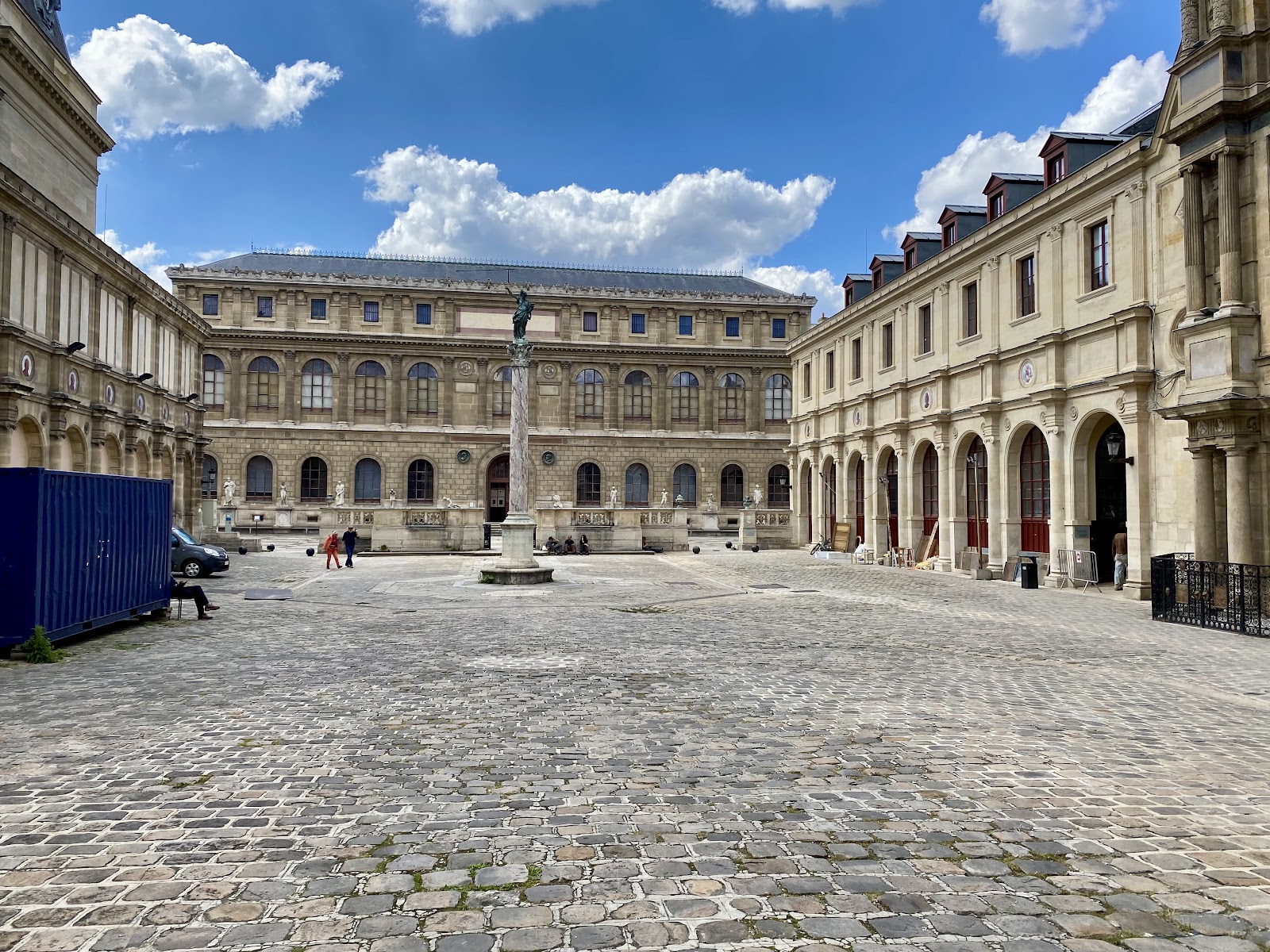
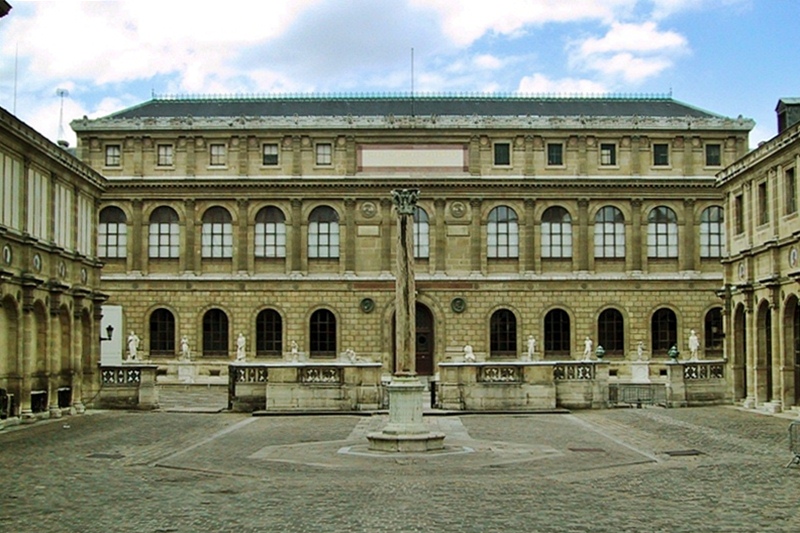
The two carved heads flanking the main gate — Pierre Paul Puget and Nicolas Poussin, chiselled in 1838 — are the first sign that this place keeps score. Behind them, at 14 rue Bonaparte, sits the school where Géricault, Degas, Renoir, Matisse and Brancusi all learned to look. The campus runs between the quai Malaquais and rue Bonaparte, a compact block of 17th-to-19th-century buildings that the French state classified as historical monuments in 1972.
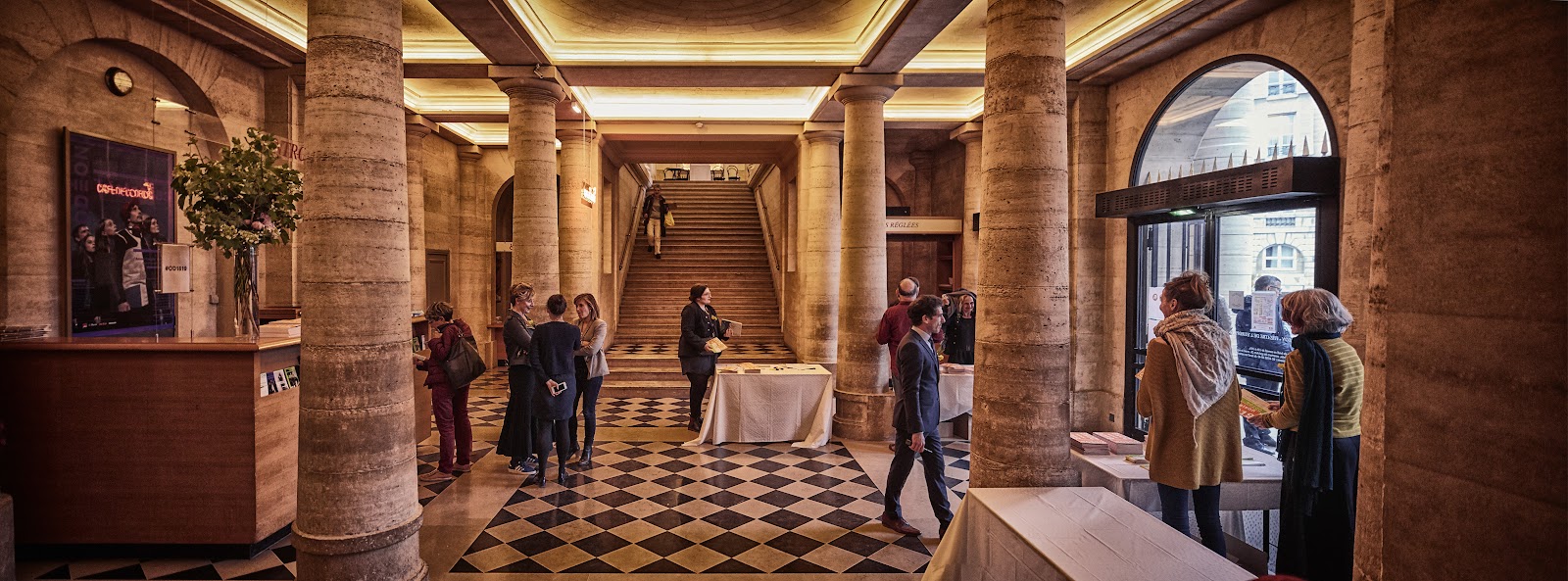
Most of it belongs to the students. But step inside during an exhibition or an open-doors weekend and you find a collection of 400,000 works — Leonardo to Baselitz — housed in buildings still scarred and gilded by centuries of ambition.
💛 What travellers fall for
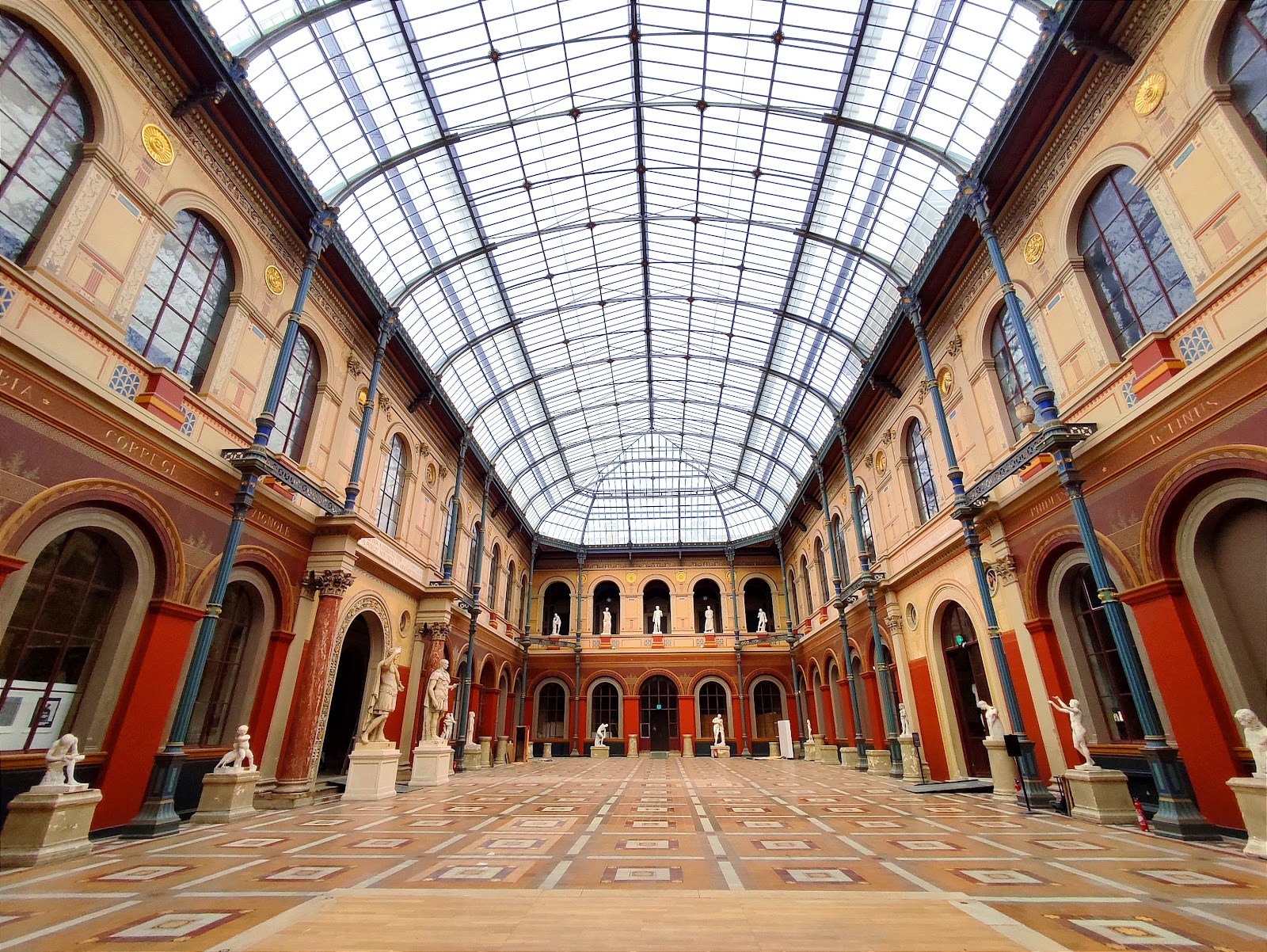
The Palais des Études courtyard is the thing people come back for: a glassed-over space ringed by classical statuary and Parthenon column casts, with Paul Delaroche's 27-metre mural of 75 great artists curving around the Hémicycle d'Honneur. Go during Journées du Patrimoine in September — the crowds are manageable and nearly every door opens.
The story behind École des Beaux-Arts de Paris
Charles Le Brun founded the Académie royale de peinture et de sculpture here in 1648; Jean-Baptiste Colbert, Louis XIV's minister, added the Académie Royale d'Architecture in 1671. The Revolution suppressed both in 1793, and the site briefly became the Musée des Monuments français under architect Alexandre Lenoir before the merged school revived in 1817 and settled permanently at rue Bonaparte in 1816.
Félix Duban was commissioned in 1830 to design the Palais des Études, the largest building on campus, whose frescoed halls and glass-roofed courtyard defined the school's look through 1861. The institution took its current name in 1863. The Prix de Rome, the school's most coveted prize, ran for centuries before being abolished in the upheaval of May 1968, when student strikes also split the architecture department away entirely.
Good to know
The school is not a public museum; access depends on events. Free entry during Journées du Patrimoine (September), Ateliers Ouverts (last weekend of June), and Journées d'information (early February). The exhibition space at 13 quai Malaquais runs its own programme with variable admission year-round.
Where is École des Beaux-Arts de Paris?
Location
- In Paris 6th Arrondissement
- 48.8541, 2.3374
- Open in Google Maps
Rating
4.5 ★ · 359 Google reviews
More tickets & tours for École des Beaux-Arts de Paris
Book directly at the provider
What travellers say about École des Beaux-Arts de Paris
Yikes! the legendary Fortuny dresses and lamps Exquisite! True works of art !
Everyone who will not be spoiled by the neglected façade and the slabs of the fence separating the square from the street will be delighted. In the art university, can admire the work of artists at every step. Through windows and open door you can admire students during creative work. Wonder around in small corridors, to find all hidden gems...
Stunning architecture. Next time I am taking the tour.
Wonderful place with temporary exhibitions and events
Five Stars! Beaux-Art architecture is stunningly beautiful. It's amazing they could build stuff like this in the past. This millennium has given us trash art and poop palaces. This location is a treasure. Give it a go!
More of Paris 6th Arrondissement
Discover where to stay, what to do and the best deals for your trip.
Explore Paris 6th Arrondissement →More attractions in Paris 6th Arrondissement
All of Paris 6th Arrondissement →
Background adapted from Wikipedia (CC BY-SA) · map data © OpenStreetMap contributors · ratings & place photos via Google · other photos with per-image credit. Ticket links may earn us a commission at no extra cost to you.