
Dubrovnik-Neretva County, Croatia

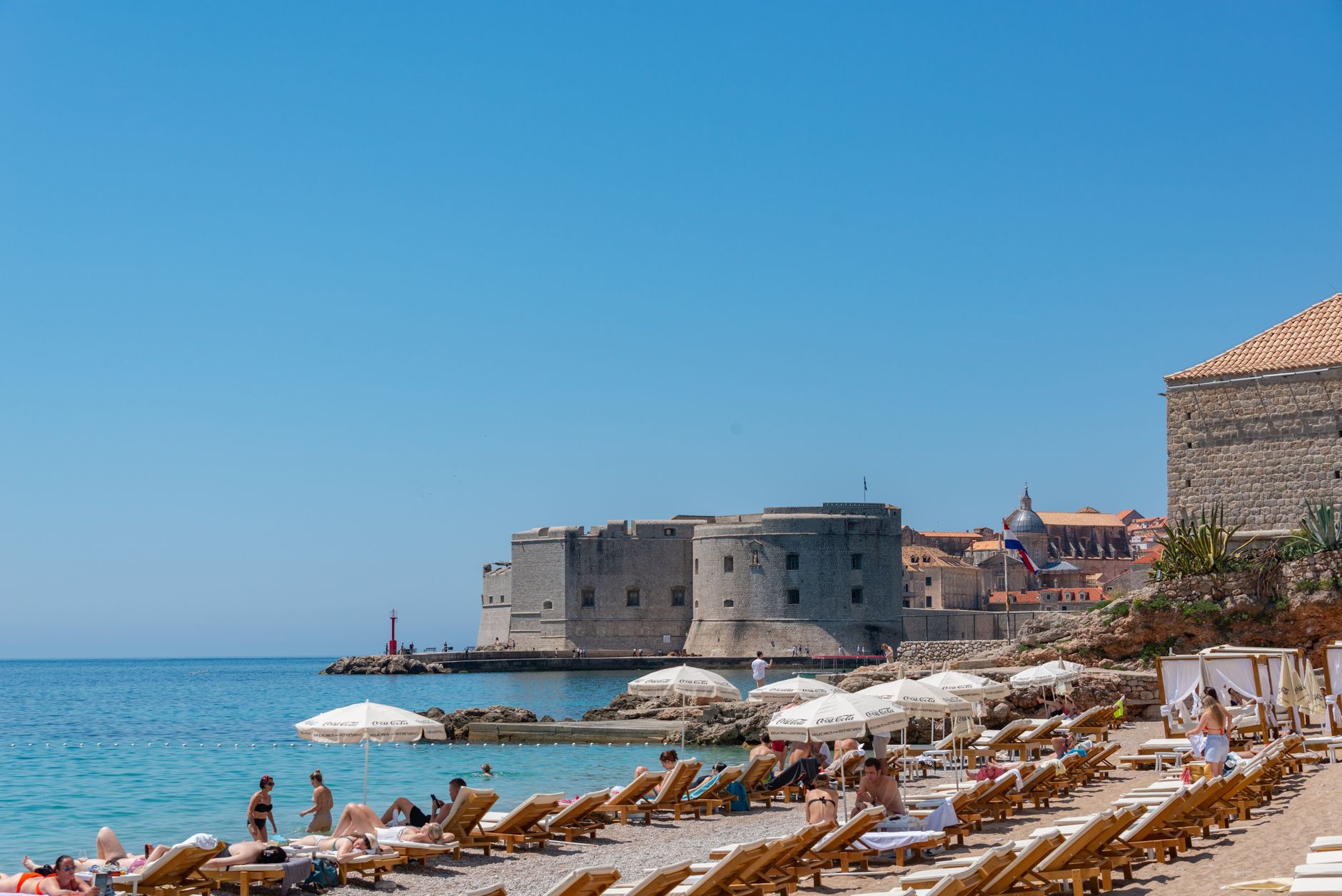

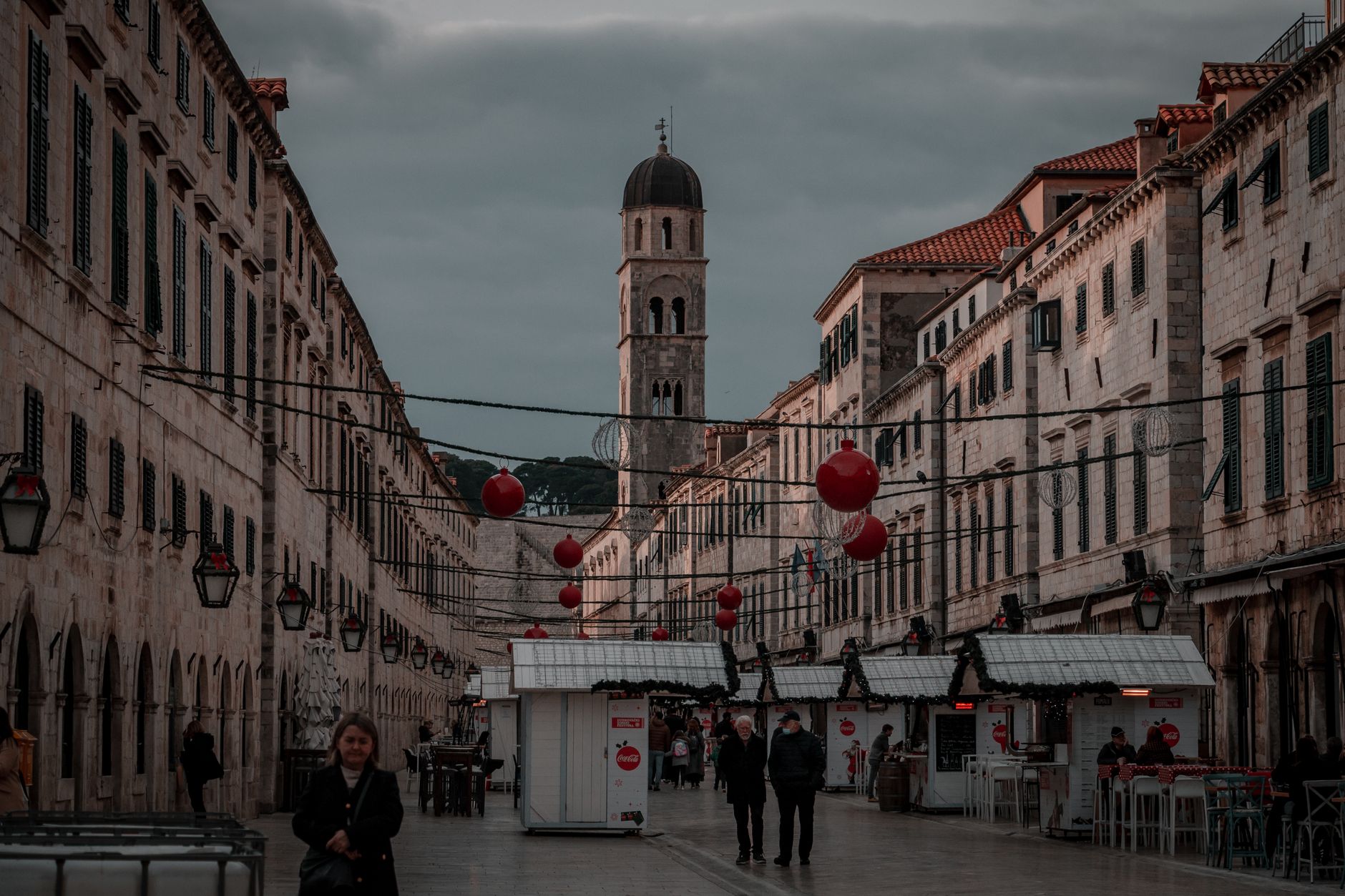
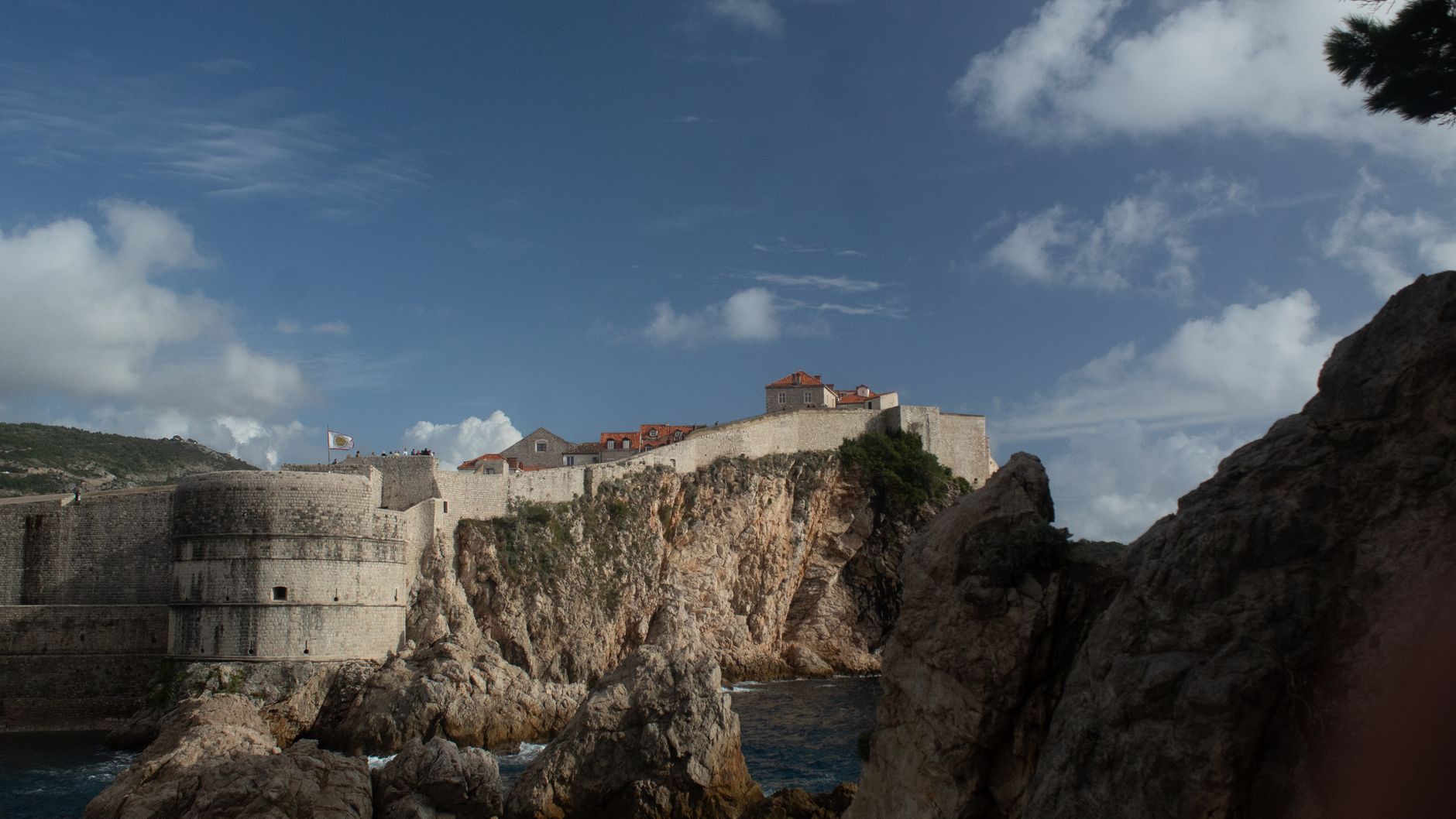

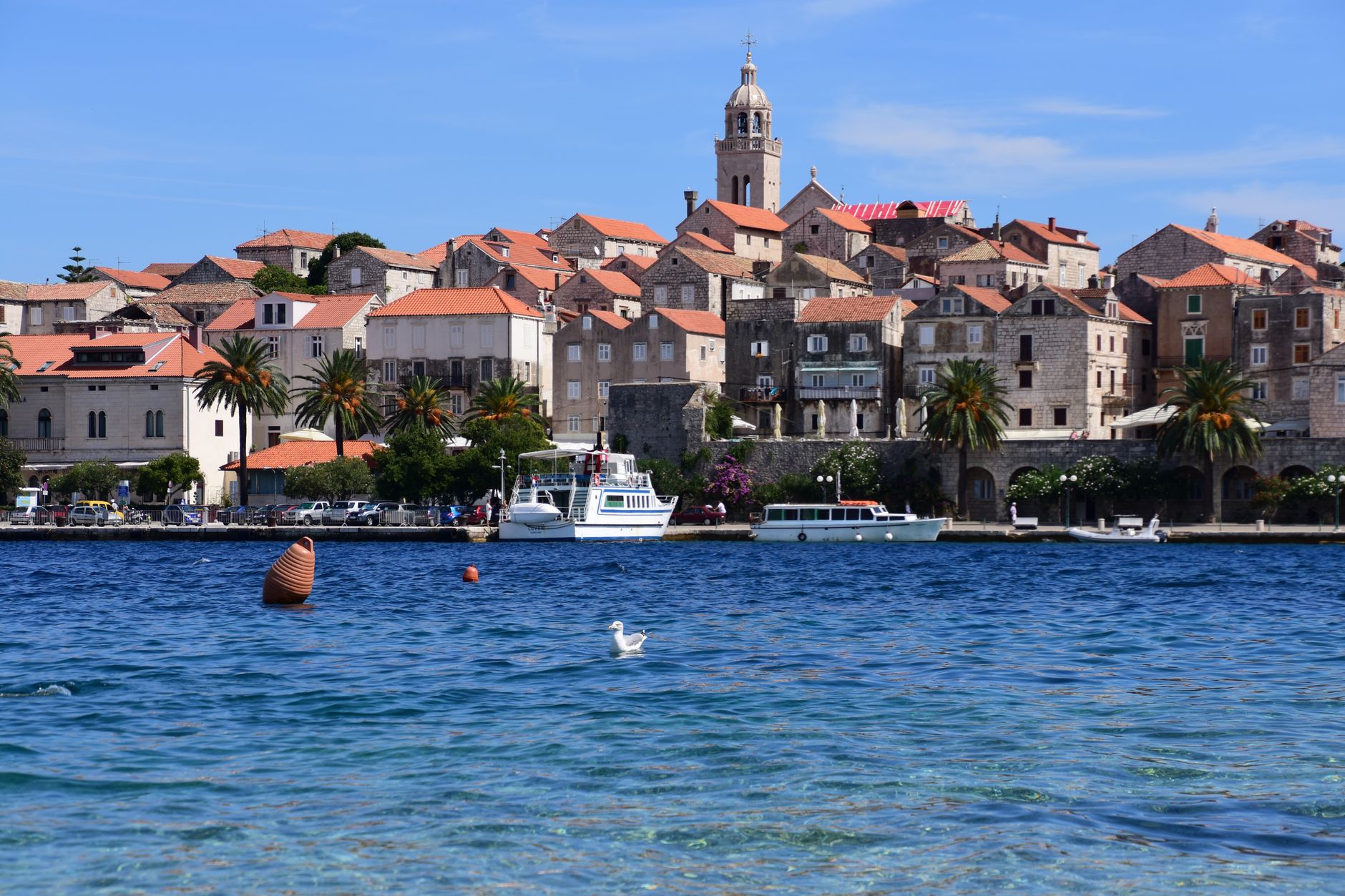
Look closely at the rooftops of Dubrovnik's Old City and you'll notice the tiles don't quite match — some older, some newer, the slight colour variation a quiet record of the 1990s restoration work. That kind of layered detail runs through all of Dubrovnik-Neretva County, a long coastal stretch of southern Croatia that reaches from the city walls down through the Pelješac peninsula, across the Neretva delta, and out to the Elaphiti islands.
Beyond the city, the county holds saltworks defended by the longest medieval walls in Europe, a valley where eel and wild duck still appear on restaurant menus, and a village square where a folklore ensemble performs every Sunday from Easter through October — after mass, as it has been for generations.
Popular cities in Dubrovnik-Neretva County, Croatia
💛 What travellers fall for
Return visitors tend to head for Ston early, before the day-trippers arrive for the oysters. The walls there are almost always quiet, the saltpans still working below. In Konavle, the Sunday folklore at Čilipi's square in front of St. Nicholas' Church rewards anyone who times their visit right — it's unhurried and genuinely local.
How Dubrovnik-Neretva County, Croatia came to be
Dubrovnik was founded in the 7th century by refugees from Epidaurum, the ancient settlement now known as Cavtat. It spent centuries navigating larger powers — Byzantine protection, Venetian sovereignty — before emerging as a self-governing republic that lasted from the 14th century into the 19th. To keep that independence intact, the republic paid annual tribute to the Ottoman Empire from 1458 onward, reaching 12,500 ducats a year by 1482: pragmatic diplomacy in place of war.
The republic's noble assembly met for the last time in 1815, at Ljetnikovac in Mokošica, closing a chapter that had lasted over four centuries. UNESCO recognised the Old City as a World Heritage Site in 1979. Across the county, 1,436 protected structures — churches, fortifications, monasteries, bridges — mark how densely this coastline has been built, fought over, and rebuilt.
Who and what shaped it
People who shaped it
Landmark buildings
See Dubrovnik-Neretva County, Croatia in motion
Plan your visit
On the map
When to go
The county has a Mediterranean pattern: hot, dry summers with August highs reaching 28–32°C, and mild but genuinely wet winters — November alone can bring 262mm of rain. A cold bora wind sweeps down the Adriatic coast between October and April, so pack a layer even on bright days outside summer.
Right now
↡ Cities


Background & history adapted from Wikipedia (CC BY-SA) · specs from Wikidata (CC0) · weather from Open-Meteo · map data © OpenStreetMap contributors · photos from Wikimedia Commons / Unsplash with per-image credit. No third-party reviews or social posts reproduced.