
Cavtat
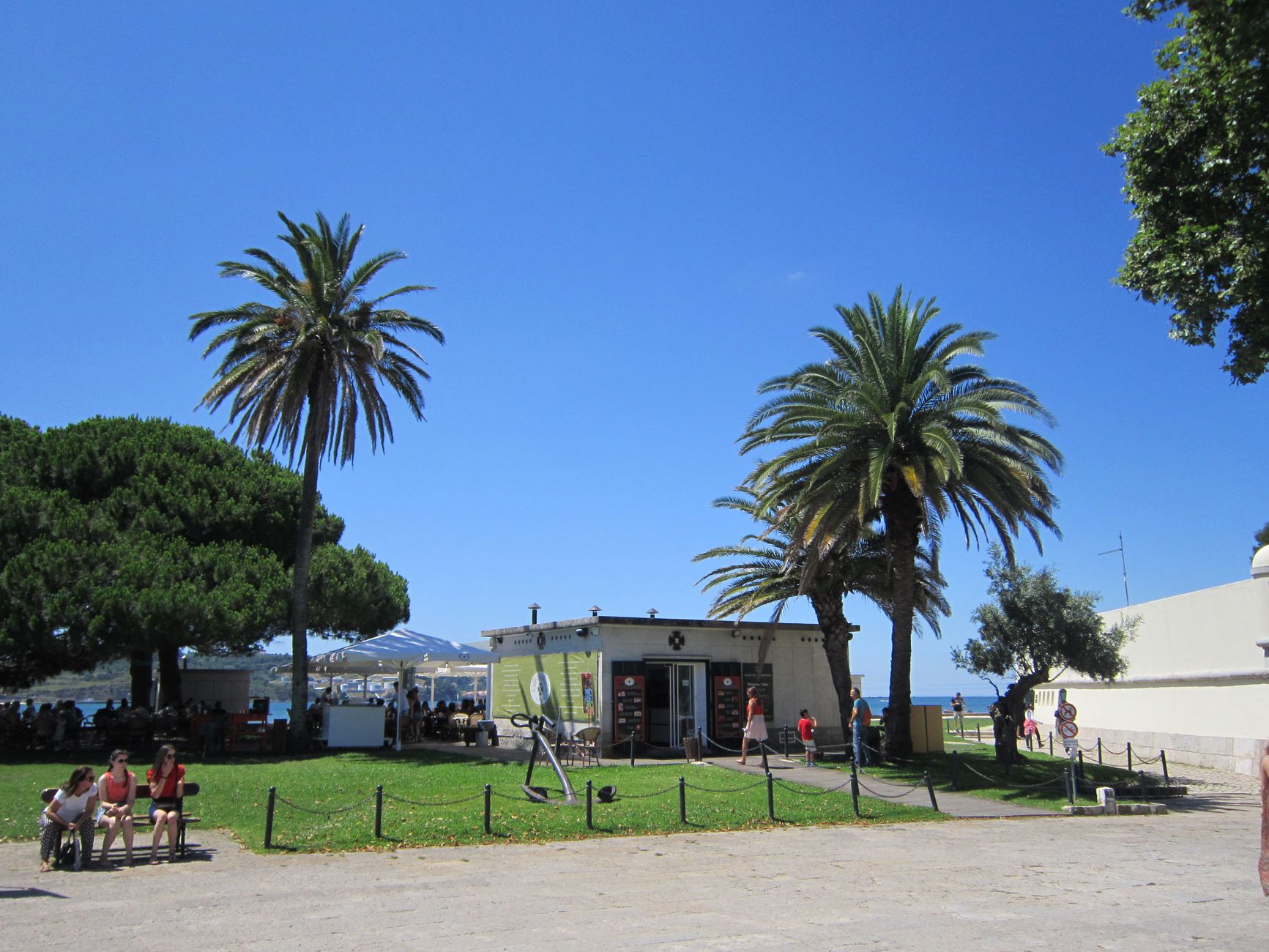
Cavtat sits at the tip of a small peninsula south of Dubrovnik, its waterfront curving around a double bay where fishing boats and pleasure craft share the same calm water. The town is quiet in a way that Dubrovnik, eleven kilometres up the coast road, simply isn't — the promenade stretches for a kilometre and a half without a cruise-ship crowd in sight.
Beneath that quietness is a long, layered past. Greek settlers from Corinth founded a city here in the 6th century BC, and the refugees who fled its eventual sacking went on to establish Ragusa — the city the world now knows as Dubrovnik. Cavtat, in a real sense, is where that story begins.
💛 What travellers fall for
People who come back tend to mention the same sequence: morning coffee on the promenade before the day-trippers arrive, then up the hill to the Račić Mausoleum while the light is still soft, then the Bukovac House before it closes at one. The afternoon, they say, takes care of itself.
Experiences you don't want to miss


Deals in Cavtat
Book directly at the provider


How Cavtat came to be
The site was first settled by Greeks from Corinth in the 6th century BC, who named it Epidaurus. Rome absorbed it in 228 BC, renaming it Epidaurum, and the Emperor Justinian's fleet occupied the town during the Gothic Wars of the 6th century AD. The end came in the 7th century, when Avars and Slavs sacked and destroyed the city. Its survivors fled to a nearby island called Laus — the seed from which Ragusa, and eventually Dubrovnik, grew.
For centuries the peninsula lay empty. By the 13th century a new settlement had formed on the old ruins, called Civitas vetus — Old Town — which contracted over time into Cavtat. From 1426 it fell under the Republic of Ragusa, then briefly under Napoleon, then the Austro-Hungarian Empire, and finally Yugoslavia, before Croatian independence in 1991.
Who and what shaped it
People who shaped it
Landmark buildings
See Cavtat in motion
Plan your visit
On the map
When to go
Summers are hot and dry, with July and August temperatures regularly above 30°C and reliably clear skies. Spring and autumn are milder and better for walking — May and September in particular offer warm days without the peak-season intensity. Winters are cool and sometimes wet, but the town stays open and uncrowded.
Right now
Background & history adapted from Wikipedia (CC BY-SA) · specs from Wikidata (CC0) · weather from Open-Meteo · map data © OpenStreetMap contributors · photos from Wikimedia Commons / Unsplash with per-image credit. No third-party reviews or social posts reproduced.