
Smokvica
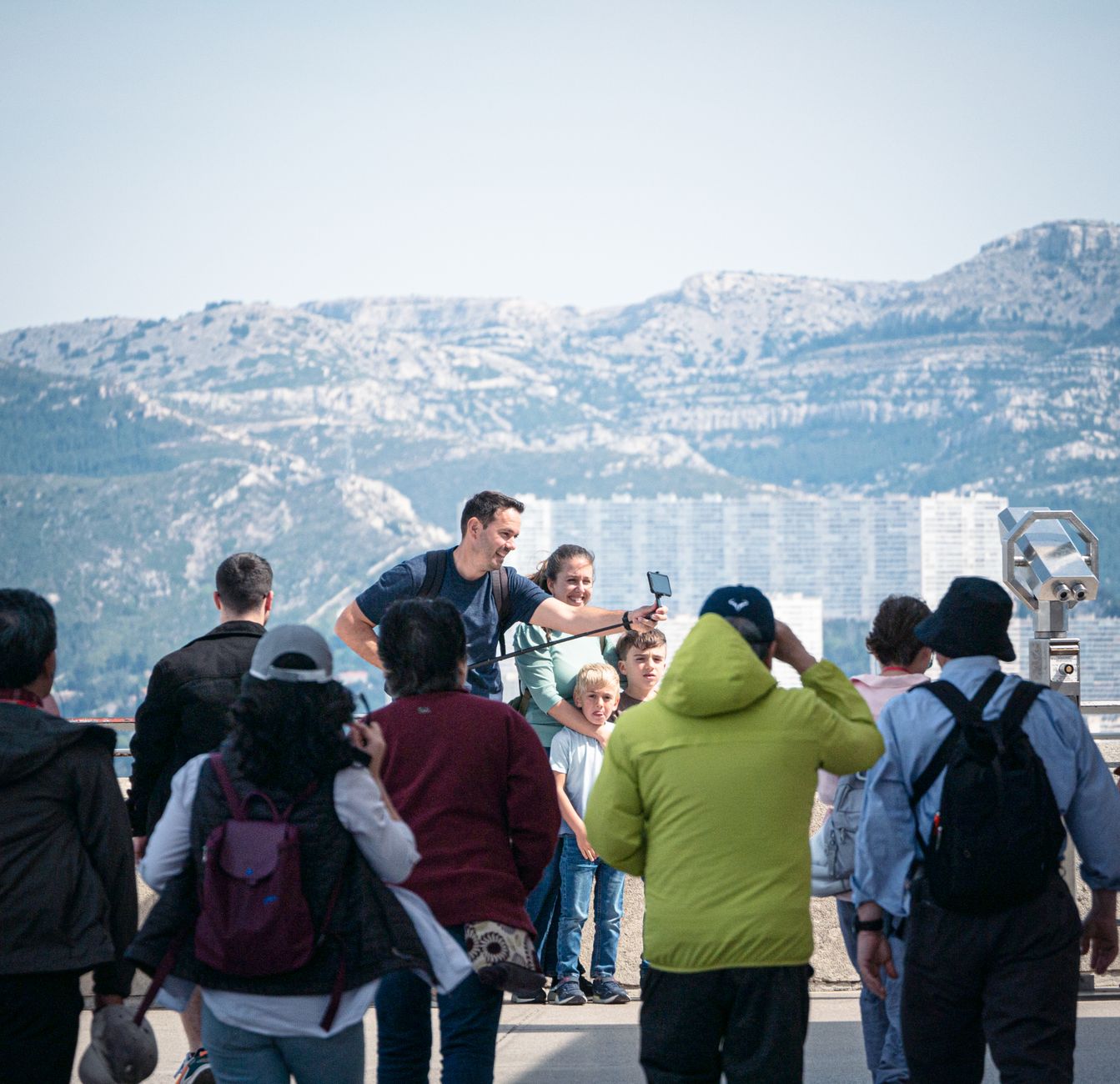
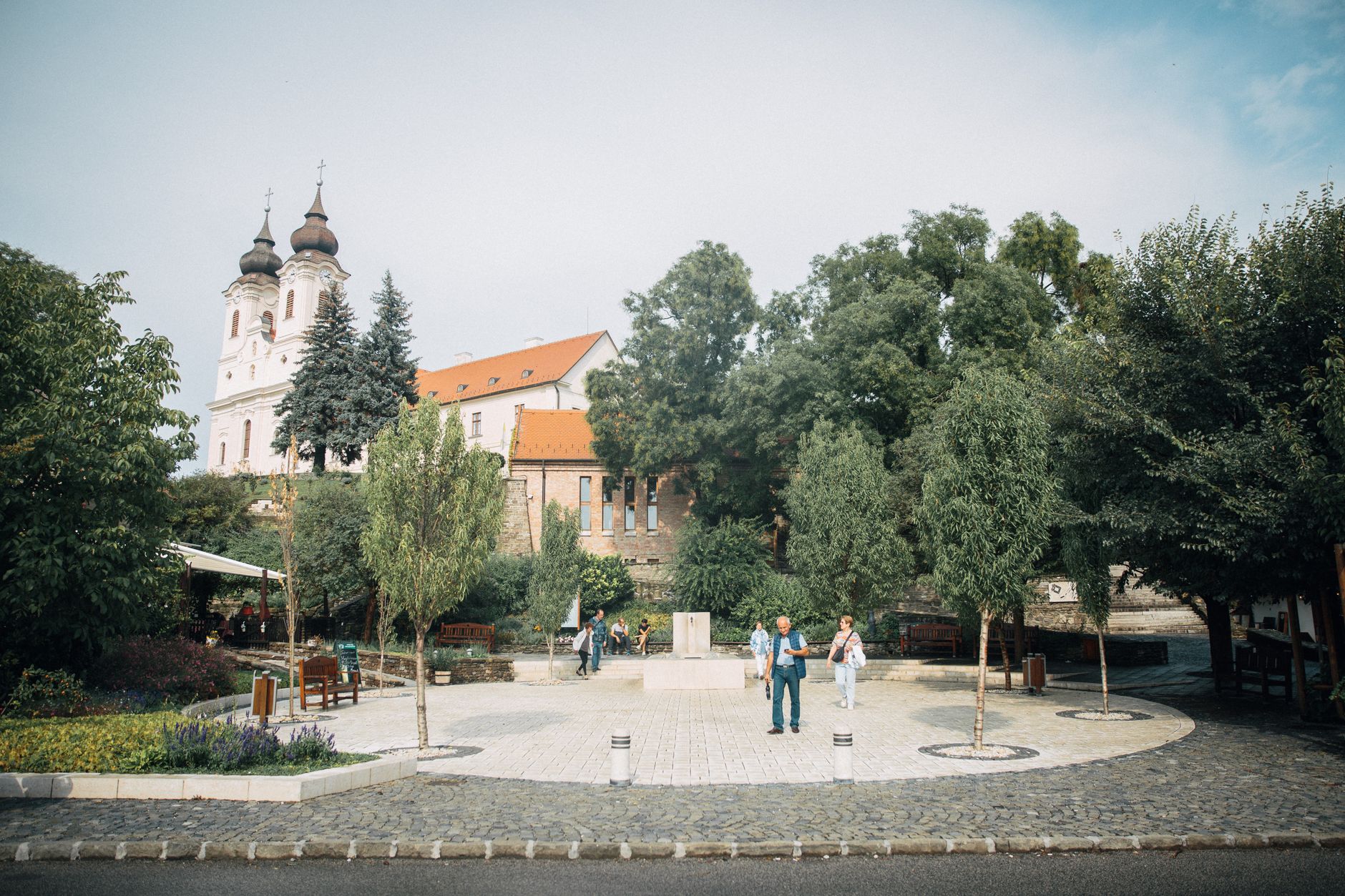
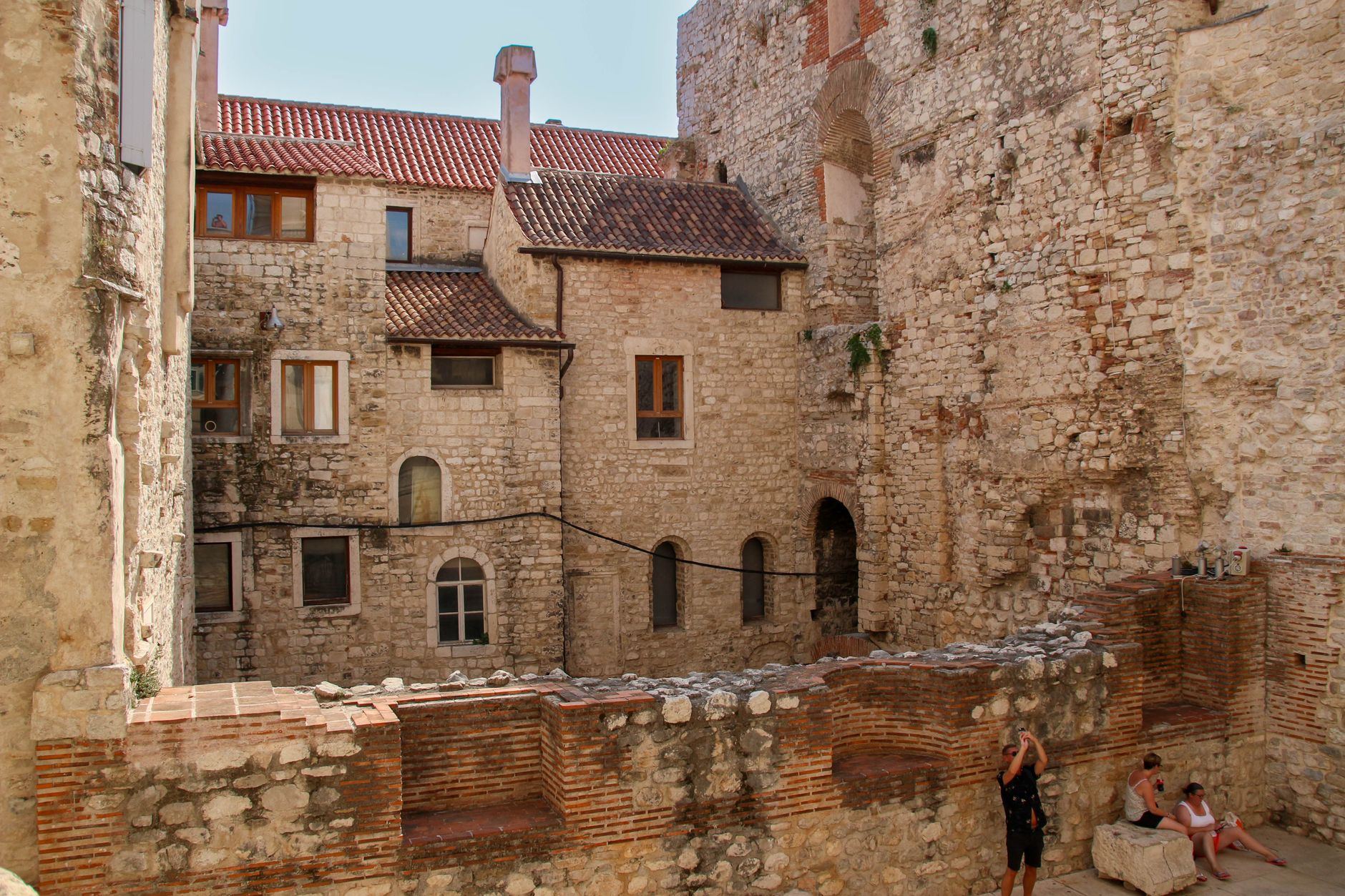

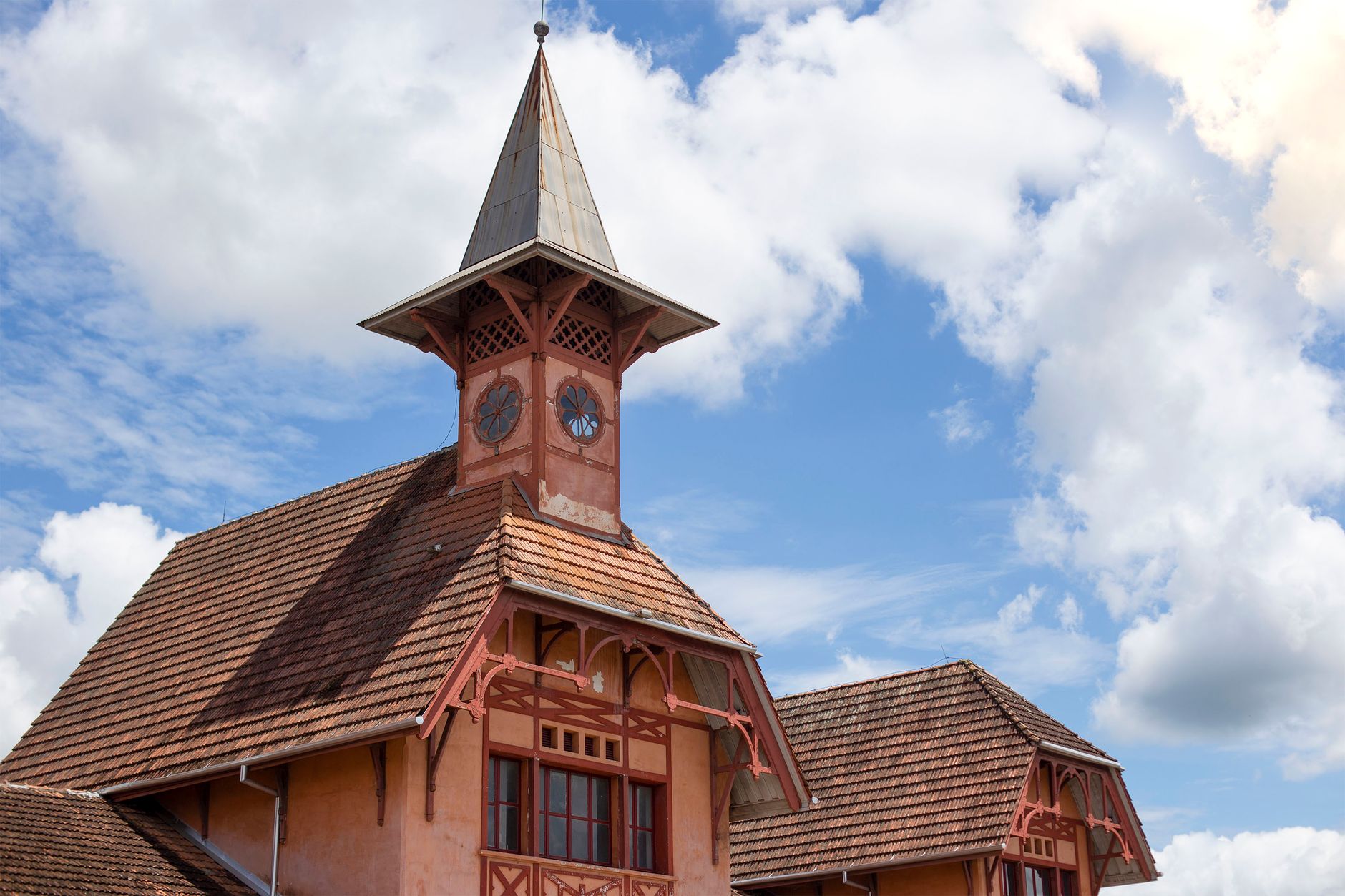
Smokvica sits in the interior of Korčula Island, a stone village of 868 people arranged around a bell tower and a Neo-Romanesque church, with roughly two million grapevines terraced across the hillsides below. This is where Pošip — one of Croatia's most recognisable white wines — was born, and the evidence is everywhere: in the scale of the vineyards, in the cellars behind old patrician houses, in the way locals talk about harvest the way others talk about weather.
Four kilometres south, the pine-fringed bays of Brna and Istruga open onto the Adriatic. The village itself is quiet, specific, and shaped by centuries of keeping watch.
💛 What travellers fall for
People who come back tend to mention the same few things: eating at Konoba Zaratak in Brna when the catch is still morning-fresh, watching the Kumpanija sword dance performed by the Ante Cefera society during local festivals, and finding a bottle of estate Pošip to carry home. The medicinal mud at Istruga cove also earns its devotees.
Deals in Smokvica
Book directly at the provider
How Smokvica came to be
Illyrian hillfort remains place people here as far back as the 2nd millennium BC, and fragments of Greek and Roman amphorae — wine and olive oil vessels — confirm the island's long agricultural identity. The village as it stands today took shape in the 15th and 16th centuries, when Slavic families from the Croatian mainland arrived seeking refuge from Ottoman expansion.
The threat was real and sometimes catastrophic: at dawn on 10 June 1715, 260 Turkish pirates landed at Brna and took 23 Smokvica residents into slavery, along with the parish priest Don Marko Bono. The Kumpanija sword dance — still performed today — grew directly from that history of defence. A German attack on 7 August 1944 burned the pastor's house and destroyed the parish archive, which had been kept since 1604.
Who and what shaped it
People who shaped it
Landmark buildings
See Smokvica in motion
Plan your visit
On the map
When to go
Korčula follows the Dalmatian Mediterranean pattern: dry, warm summers that can turn genuinely hot in July and August, and mild, wetter winters. If you want the vineyards without the heat, late May or early September is the better window.
Right now
Background & history adapted from Wikipedia (CC BY-SA) · specs from Wikidata (CC0) · weather from Open-Meteo · map data © OpenStreetMap contributors · photos from Wikimedia Commons / Unsplash with per-image credit. No third-party reviews or social posts reproduced.