
Korčula
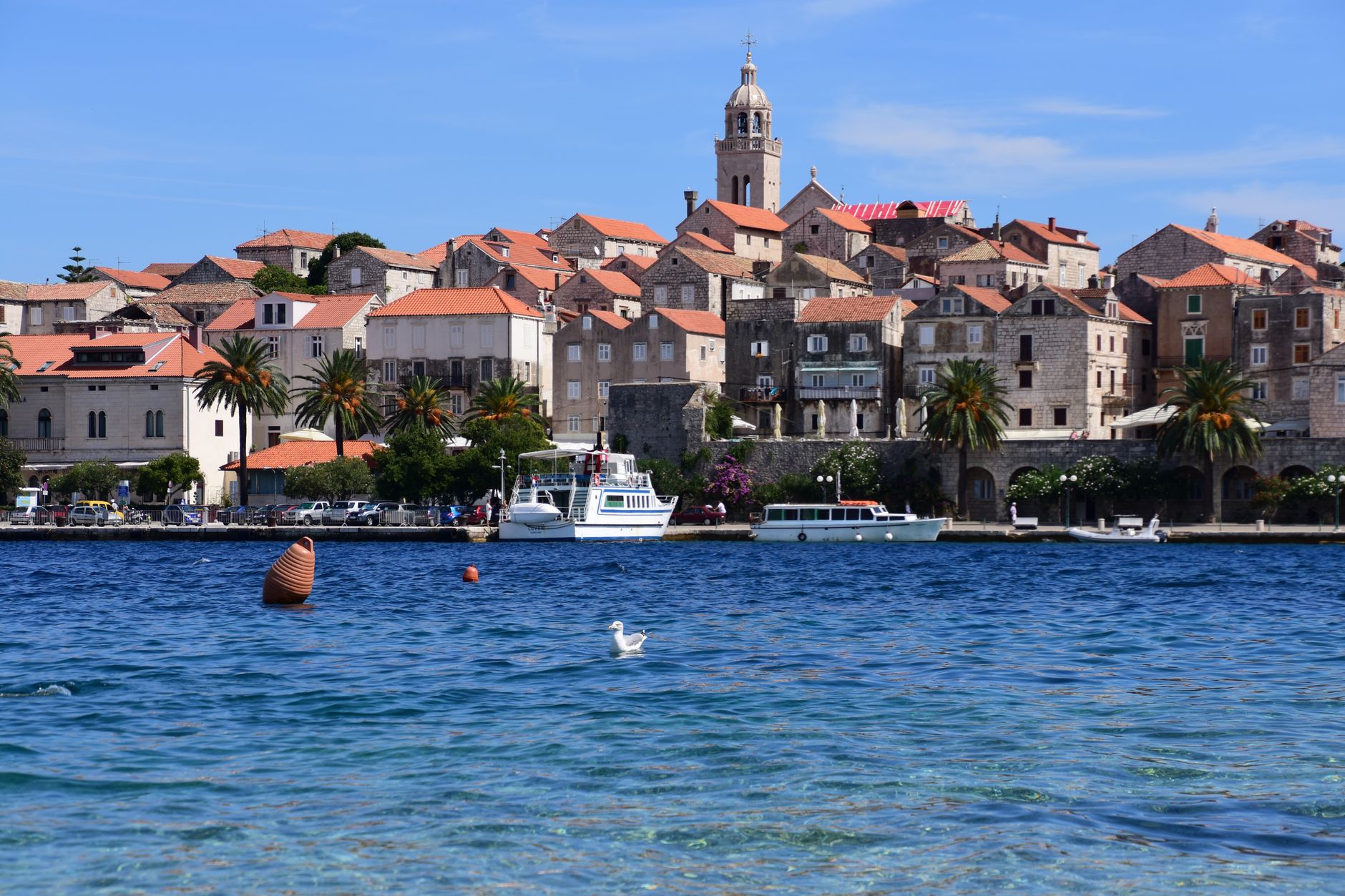
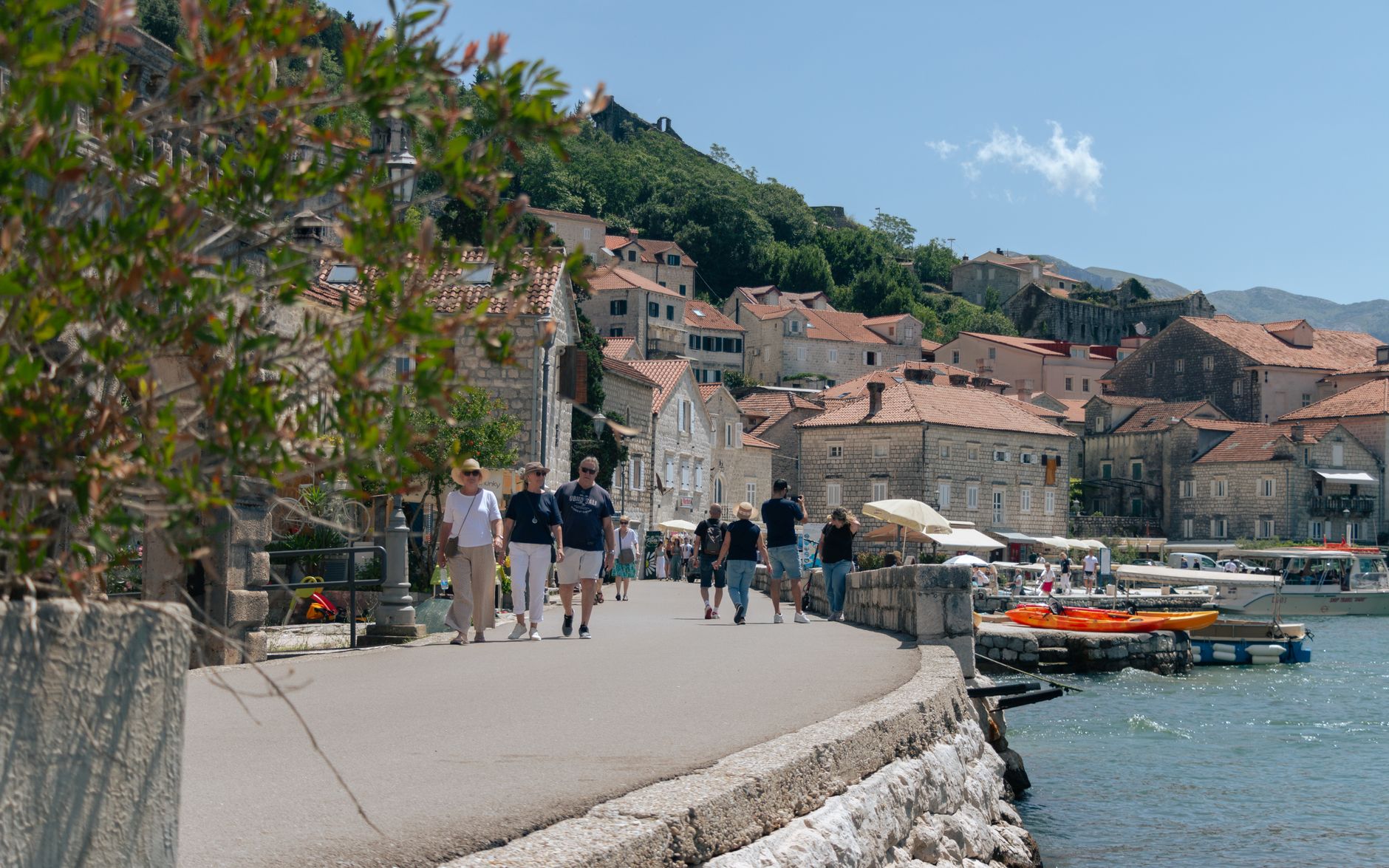
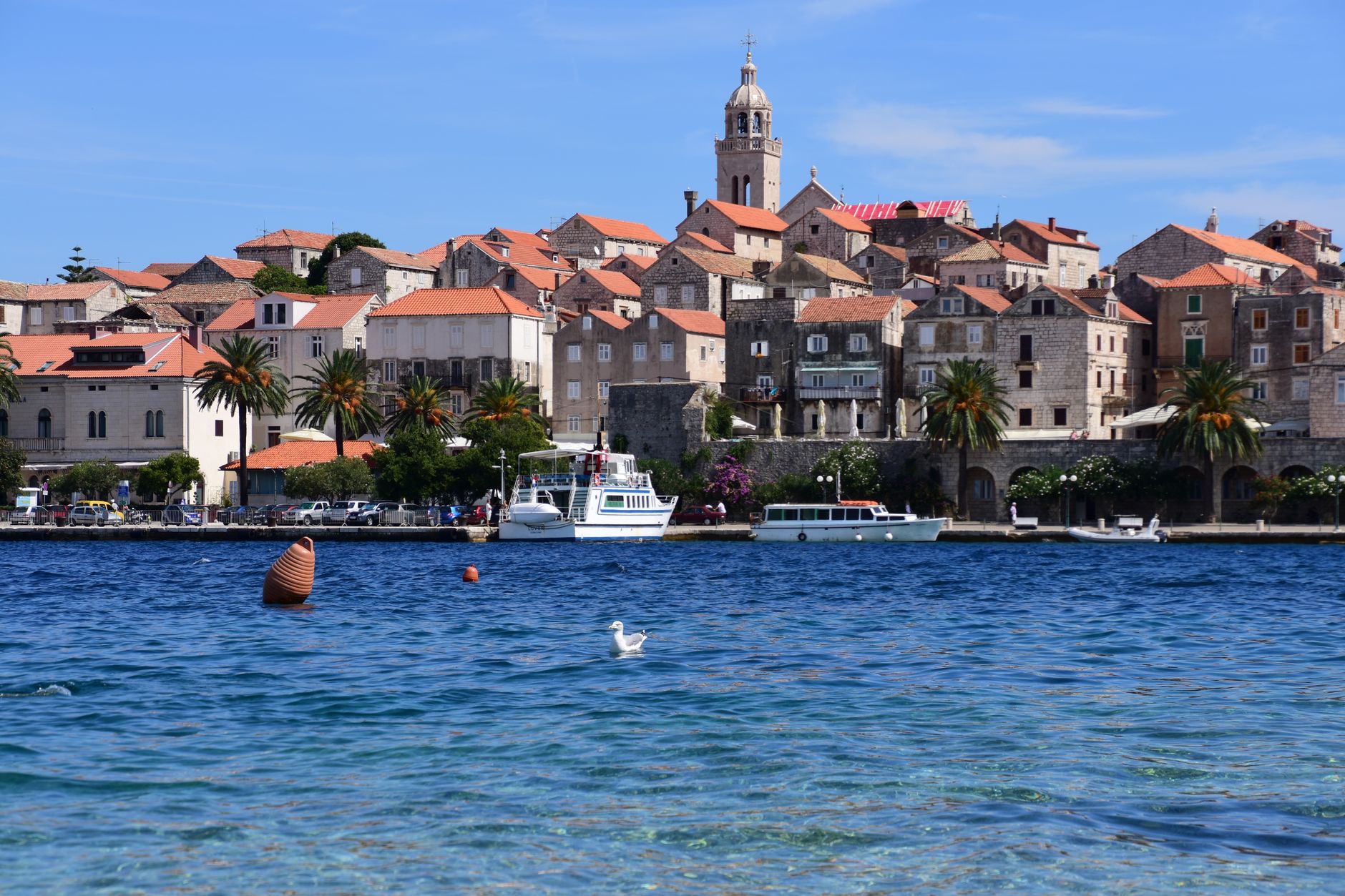
Korčula old town sits on a small peninsula that juts into the Adriatic like a stone thumb, its medieval grid of narrow streets designed — legend has it — to channel sea breezes in summer and block winter winds. The cathedral of St. Mark rises at the highest point, its Gothic stonework absorbing six centuries of light.
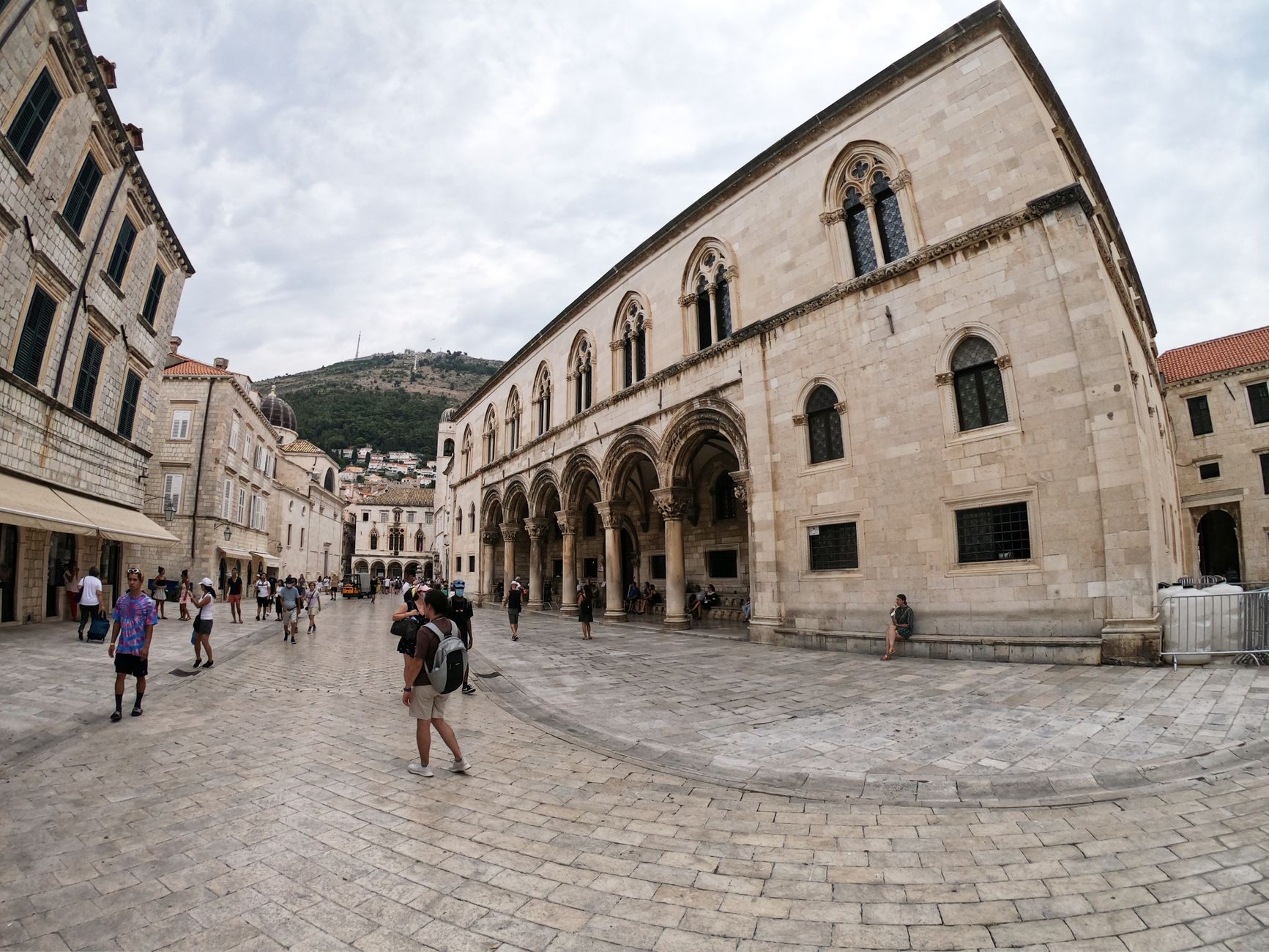
This is an island that has been Greek, Roman, Venetian, French, Austrian, and briefly British, and each chapter left something behind — a tower, a palace facade, a style of boat-building. You read the layers just by walking the old town walls.
💛 What travellers fall for
People who come back tend to arrive by the early catamaran from Dubrovnik, before the day-trippers, and walk the streets while the stone is still cool. They eat at a table facing the water, order the local Pošip wine rather than anything imported, and spend an afternoon on Badija islet visiting the Franciscan monastery cloister.
Deals in Korčula
Book directly at the provider

How Korčula came to be
People have been on this island a very long time — Vela Spila cave near Vela Luka shows human presence going back roughly 20,000 years. Dorian Greeks from Knidos founded a colony here in the 6th century BC, calling it Korkyra Melaina, Black Korkyra, to distinguish it from Corfu. A stone inscription found at Lumbarda, dated to the 3rd century BC and considered the oldest written stone monument in Croatia, records a later wave of Greek settlers from the island of Vis.
Rome absorbed the island after the Illyrian Wars; Venice took it in 1420 and held it for nearly four centuries, leaving the cathedral, the palace facades and the town walls that still define the skyline. After Venice fell in 1797, control passed through Austrian, French, Russian and British hands in quick succession. Yugoslav Partisans reclaimed the island from German occupation in 1944–45, and Croatia declared independence following multi-party elections in 1990.
Who and what shaped it
People who shaped it
Landmark buildings
See Korčula in motion
Plan your visit
On the map
When to go
Summers are hot and dry, with July and August temperatures regularly in the low 30s Celsius and long, reliably clear days — the same conditions that pack the ferries. Spring and early autumn are cooler, less crowded, and arguably better for walking the old town; winters are mild but quiet, with reduced ferry schedules.
Right now
Background & history adapted from Wikipedia (CC BY-SA) · specs from Wikidata (CC0) · weather from Open-Meteo · map data © OpenStreetMap contributors · photos from Wikimedia Commons / Unsplash with per-image credit. No third-party reviews or social posts reproduced.