
Metković

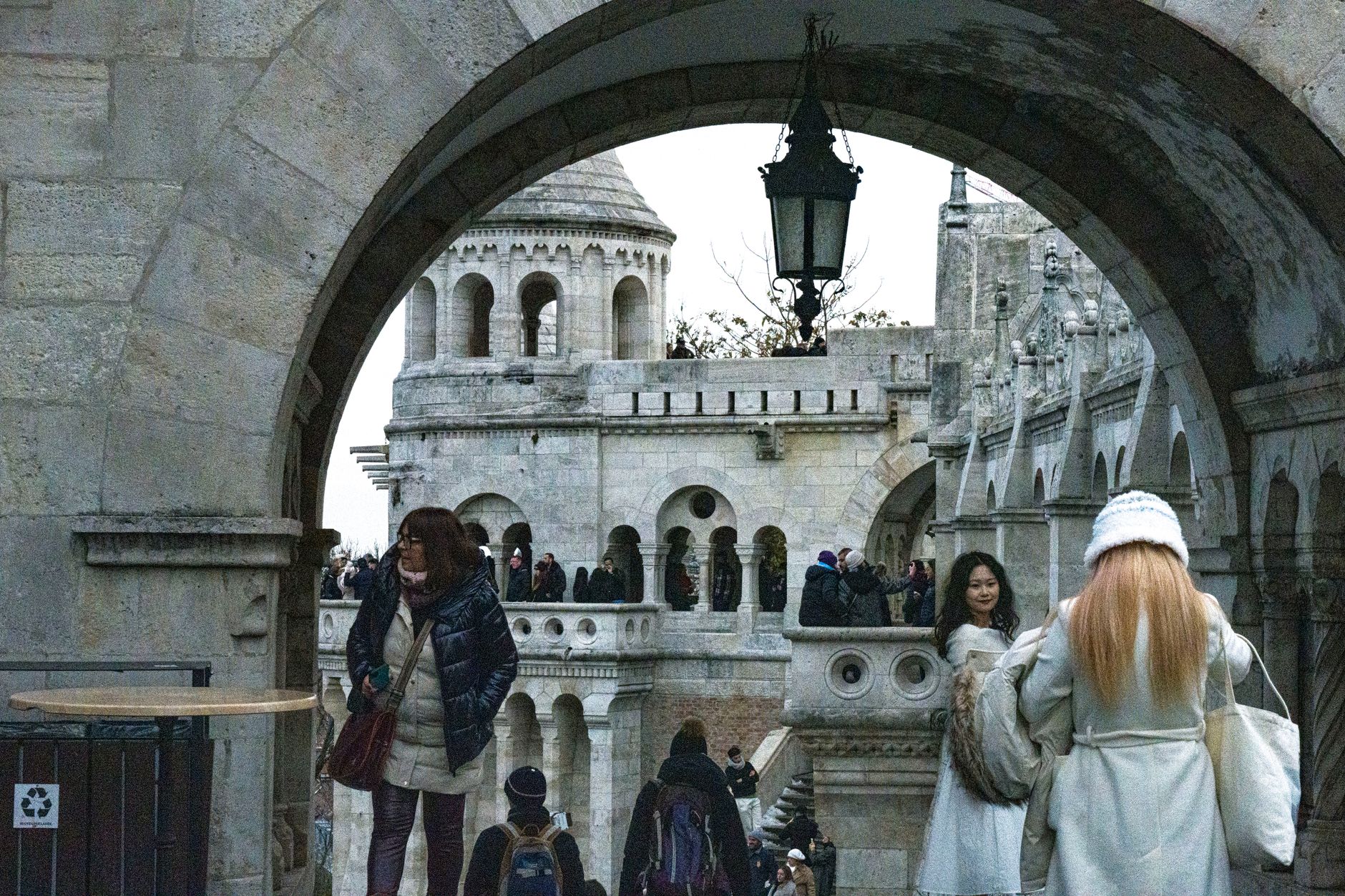
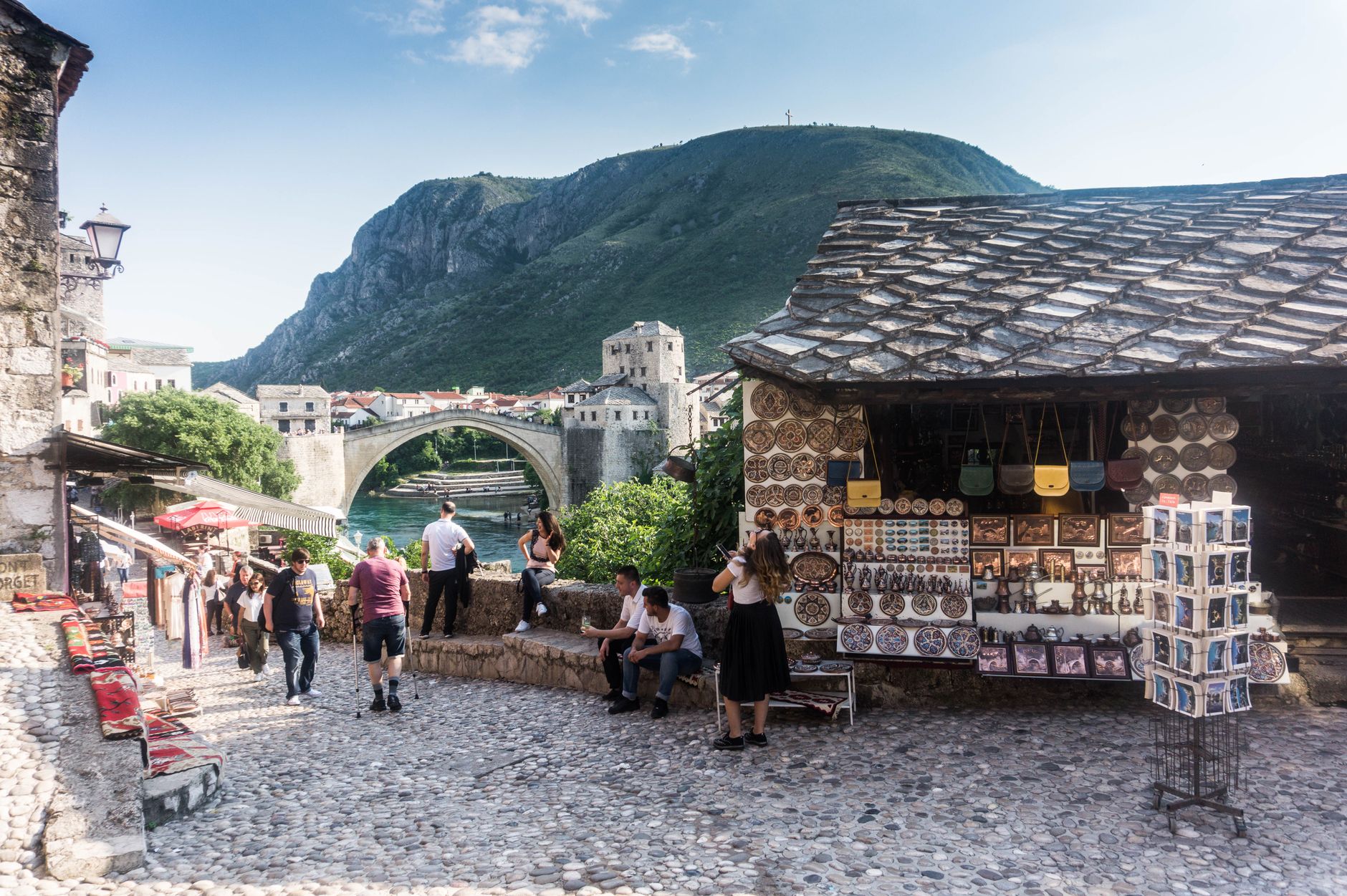
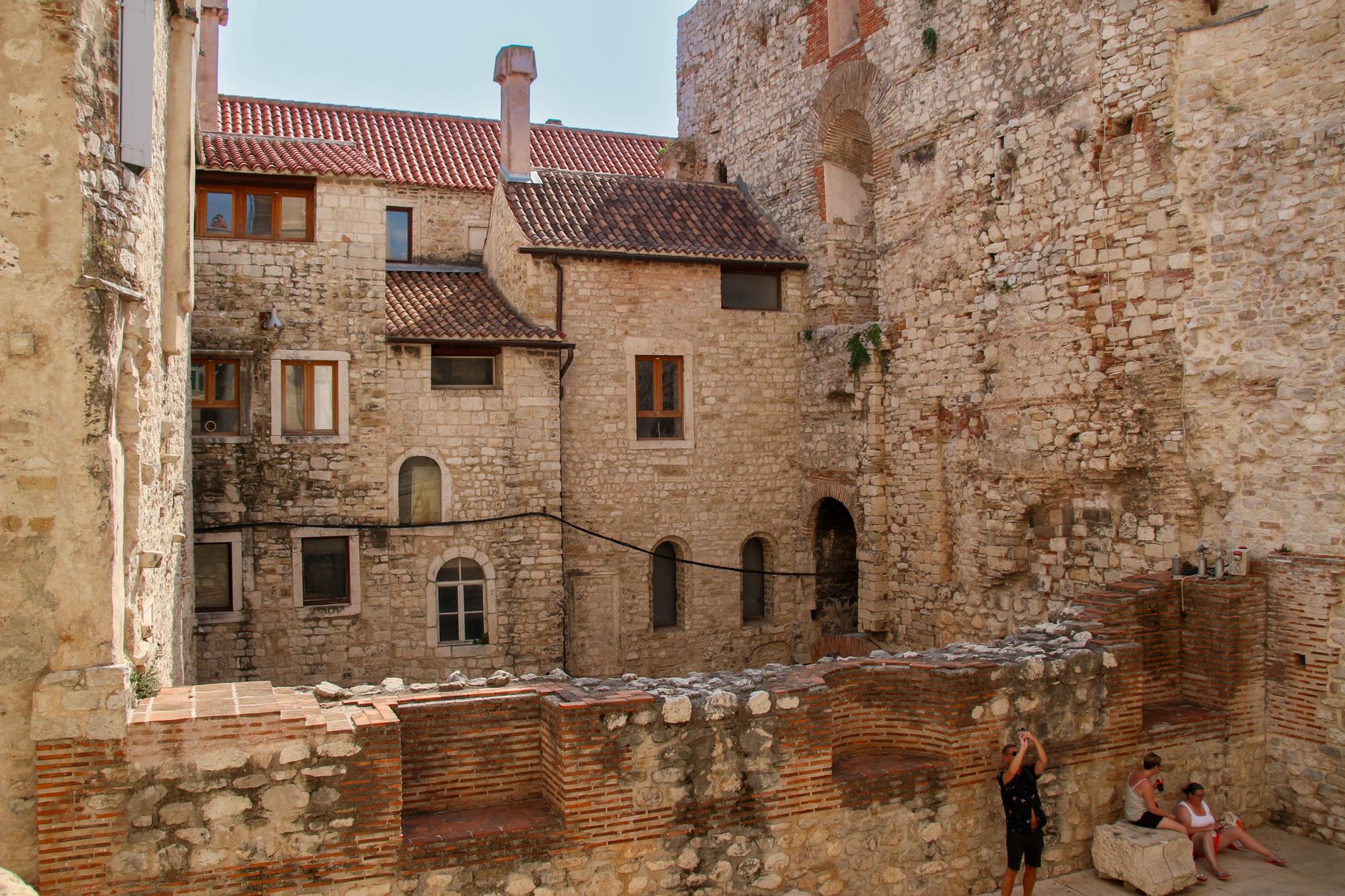
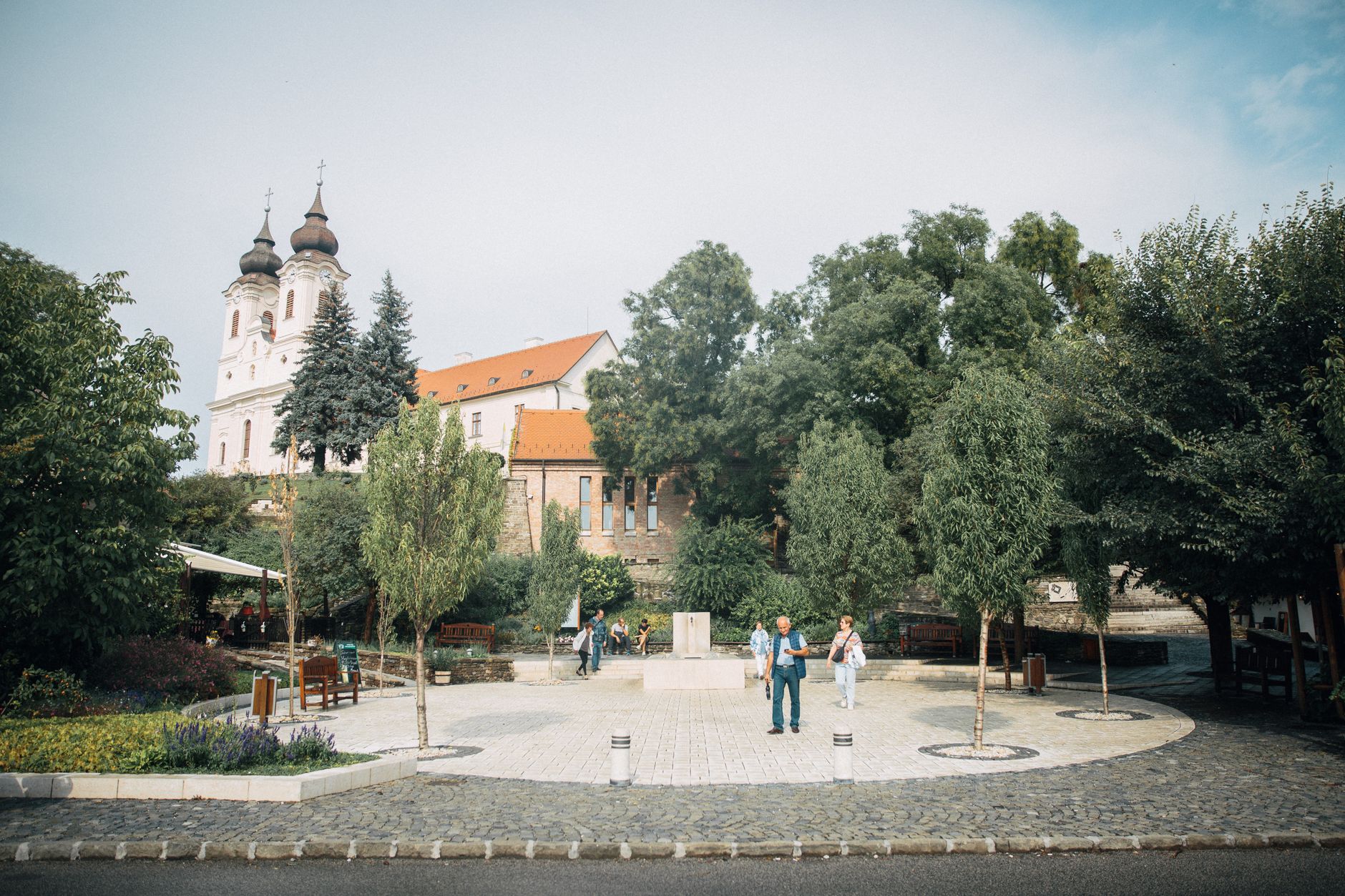
Metković sits on the Neretva River at the edge of Croatia and Bosnia, surrounded by alluvial flatlands where citrus groves grow in the shadow of limestone hills. It is not a coastal resort — it is a working river town, and that distinction is exactly what makes it worth your time.
Underground, a cave holds the only known freshwater colony of Congeria kusceri, a shellfish that has survived unchanged since before the Ice Age. On the outskirts, a museum stands directly over the ruins of the Roman city of Narona, built where archaeologists found the floor. The Neretva Valley is Croatia's second most important agricultural zone, and Metković is where that valley has its administrative and historical centre.
💛 What travellers fall for
People who come back tend to mention the Narona Archaeological Museum first — specifically the moment you look through the glass floor at the mosaic beneath your feet. The Ornithological Museum, easy to overlook, rewards a slow hour: 340 species catalogued, nearly all labelled with where in the valley they were spotted.
Deals in Metković
Book directly at the provider

How Metković came to be
The earliest written record of Metković dates to 17 January 1422, when Dubrovnik customs officers stopped a ship on the Neretva and seized its cargo — a document of enforcement, not celebration, but proof that the river crossing already mattered commercially. For the next four centuries the town stayed small.
The nineteenth century changed everything. Austria's administration invested in the port, established in 1715, and by the mid-1800s Metković had reached its economic peak as a transit point between the Adriatic and the Balkans. A narrow-gauge railway to Sarajevo opened in 1885. Emperor Franz Joseph I came in person in 1875. By 1890, Hotel Austria — one of the first hotels on the Adriatic — was open for business.
Who and what shaped it
People who shaped it
Landmark buildings
See Metković in motion
Plan your visit
On the map
When to go
Summers are long and dry, with August averages around 29°C and a recorded high of 39.7°C. Winters bring rain rather than warmth — January averages just 2°C and the valley sees over 1,500 mm of precipitation annually. April, May, June and September are the most comfortable months to visit, with temperatures between 19°C and 28°C and manageable rainfall.
Right now
Background & history adapted from Wikipedia (CC BY-SA) · specs from Wikidata (CC0) · weather from Open-Meteo · map data © OpenStreetMap contributors · photos from Wikimedia Commons / Unsplash with per-image credit. No third-party reviews or social posts reproduced.