
Mljet
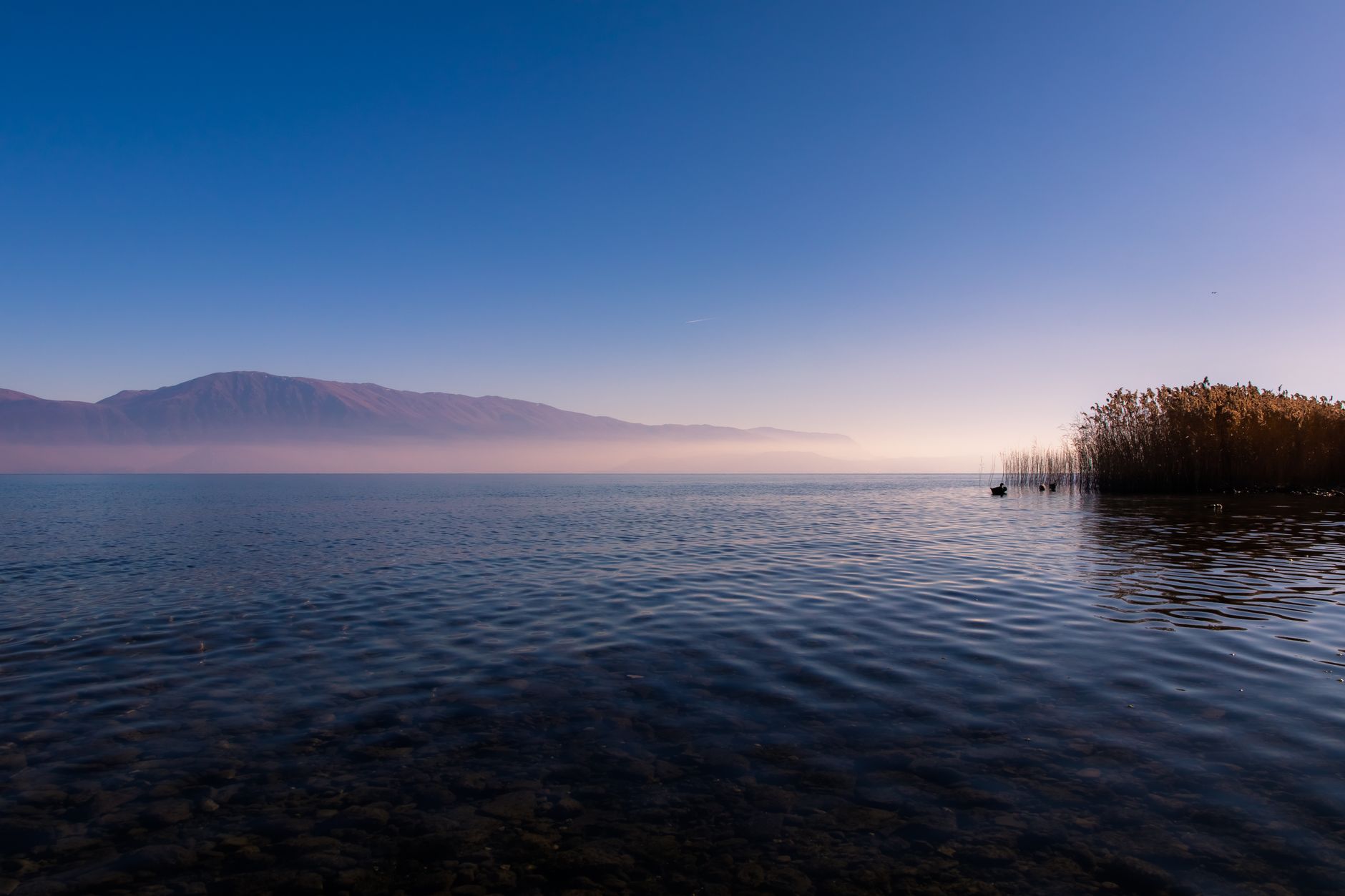
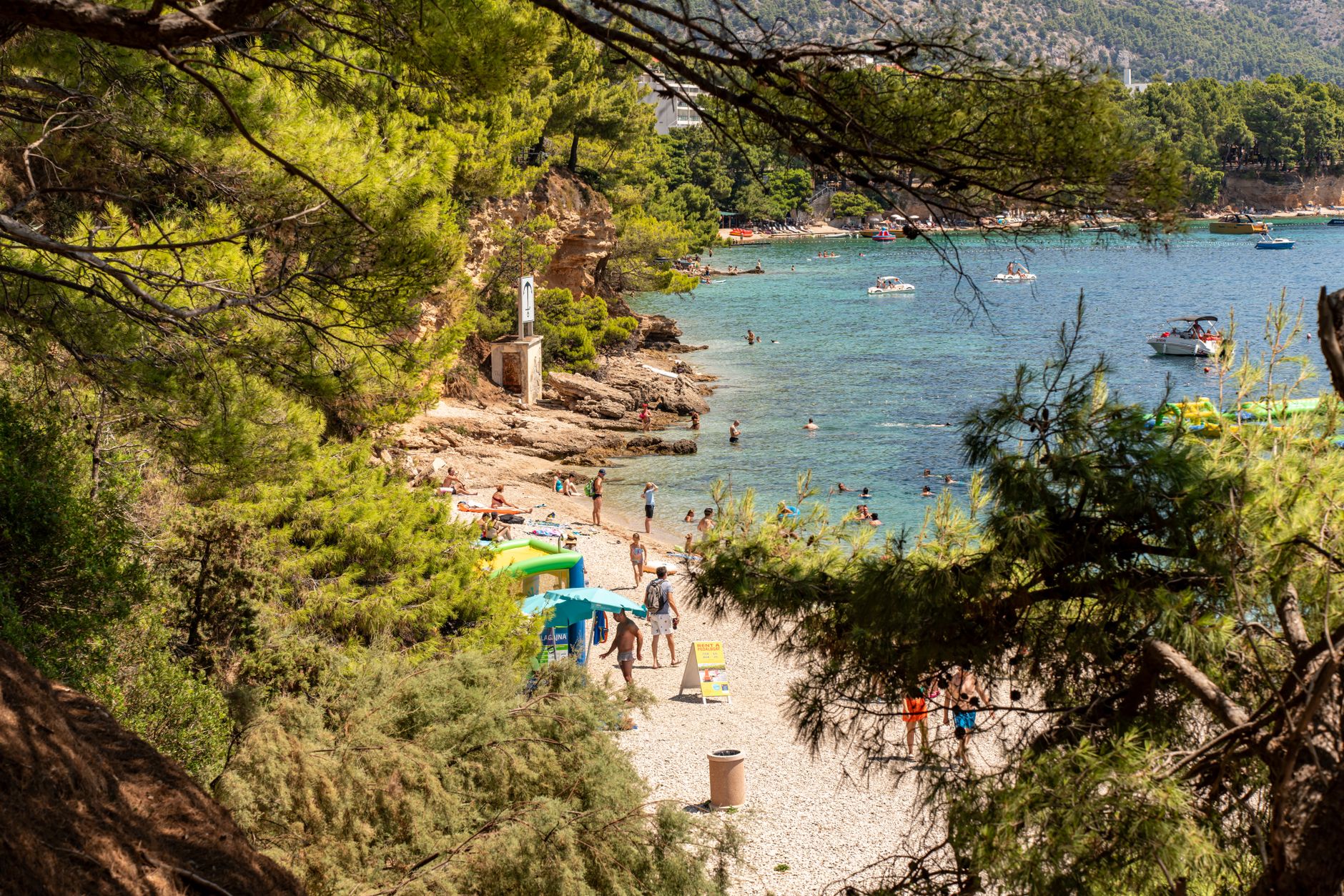
Mljet is the kind of island where the water inside the island is saltwater — two lakes, Veliko and Malo Jezero, connected to the sea through a narrow channel, sitting quietly in the middle of a pine-covered national park. A 12th-century Benedictine monastery rises from a small islet in the larger lake, and you reach it by solar-powered boat. The western third of the island has been a national park since 1960, and that designation has kept the crowds thinner than on the islands to the north.
The eastern end of Mljet holds the ruins of a Roman palace at Polače — one of the largest Roman structures remaining along the Adriatic coast — and a sea cave associated, loosely, with Homer's Odysseus. The island rewards slow travel: a bicycle, a kayak, a morning swim before the day-trippers arrive.
💛 What travellers fall for
People who come back tend to stay in Pomena or Polače rather than day-tripping from Dubrovnik. The ferry docks at Pomena, right at the park entrance. Arrive early, buy your ticket at the Pomena office, and you'll have the lake path almost to yourself before 9am. The solar boat to St. Mary's runs all day, but the first crossing is the one to take.
Deals in Mljet
Book directly at the provider


How Mljet came to be
Illyrian settlers arrived in the second millennium BC, and the island appears in ancient Greek geographical texts under the name Melite — Pliny the Elder used it too. Rome took control in 167 BC and eventually built a palace complex at Polače that ranked third in scale along the entire Adriatic, behind only Diocletian's palace in Split and the arena at Pula. It had thermal baths, basilicas, an arsenal, and a shipyard.
In 1151 the Benedictines of Pulsano in Apulia became the island's feudal lords. Between 1187 and 1198, Desa, Grand Prince of Serbia, built the Church and Monastery of Saint Mary on the islet in the Great Lake and donated it to the order; Pope Innocent III consecrated it in 1198. Dubrovnik absorbed the island in the mid-14th century after competing with Venice for control. Napoleon disbanded the monastery in 1809. It spent part of the 20th century as a hotel before returning to the Diocese in 1998.
Who and what shaped it
People who shaped it
Landmark buildings
See Mljet in motion
Plan your visit
On the map
When to go
Summer on Mljet is warm and dry, with July and August pushing into the low-to-mid 30s Celsius and very little rain. May, June, and September offer the same reliable sunshine with smaller crowds and cooler water temperatures. Winter is mild but quiet — the national park requires advance notice for arrivals between November and April.
Right now
Background & history adapted from Wikipedia (CC BY-SA) · specs from Wikidata (CC0) · weather from Open-Meteo · map data © OpenStreetMap contributors · photos from Wikimedia Commons / Unsplash with per-image credit. No third-party reviews or social posts reproduced.