
Ston

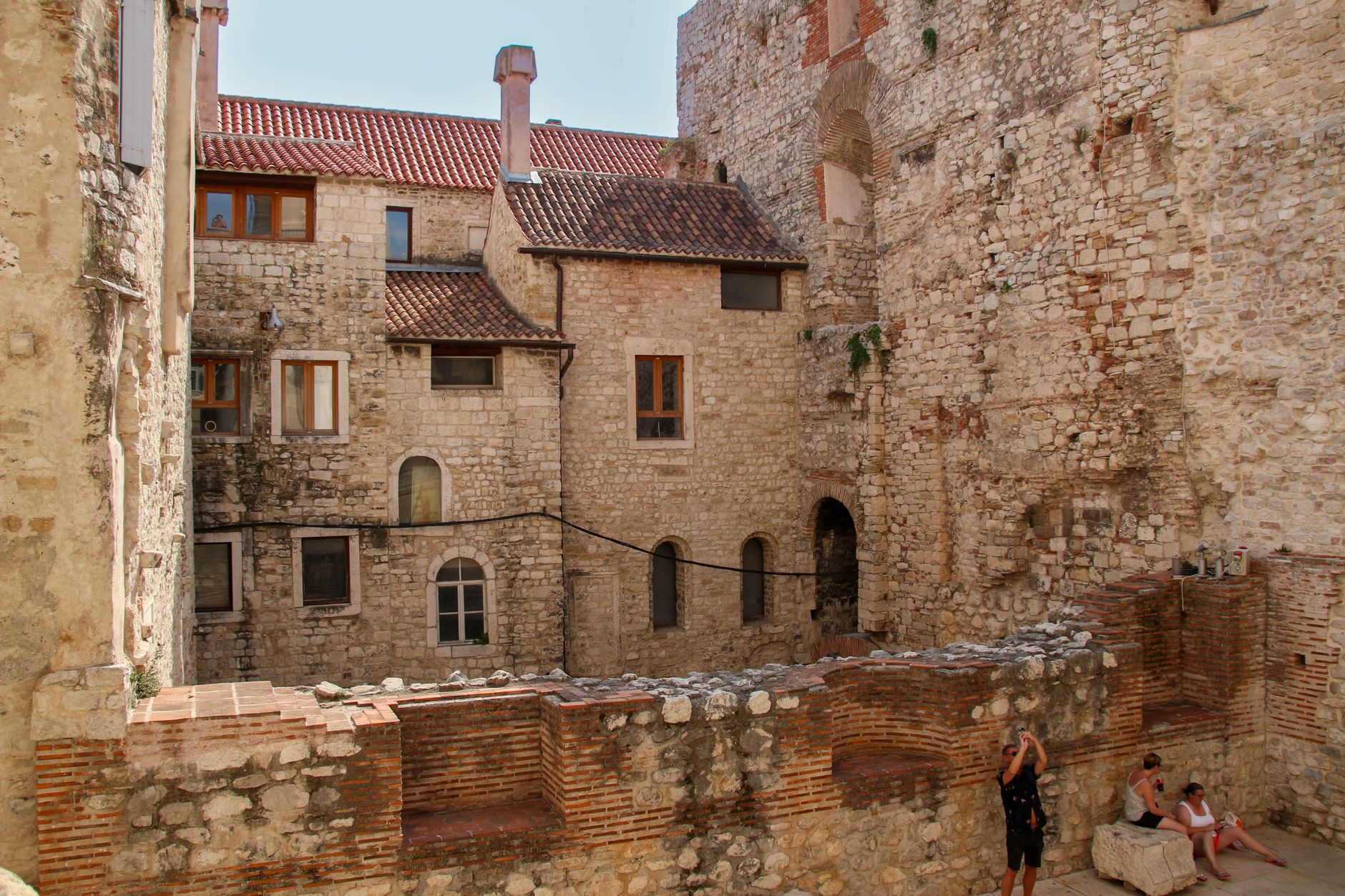
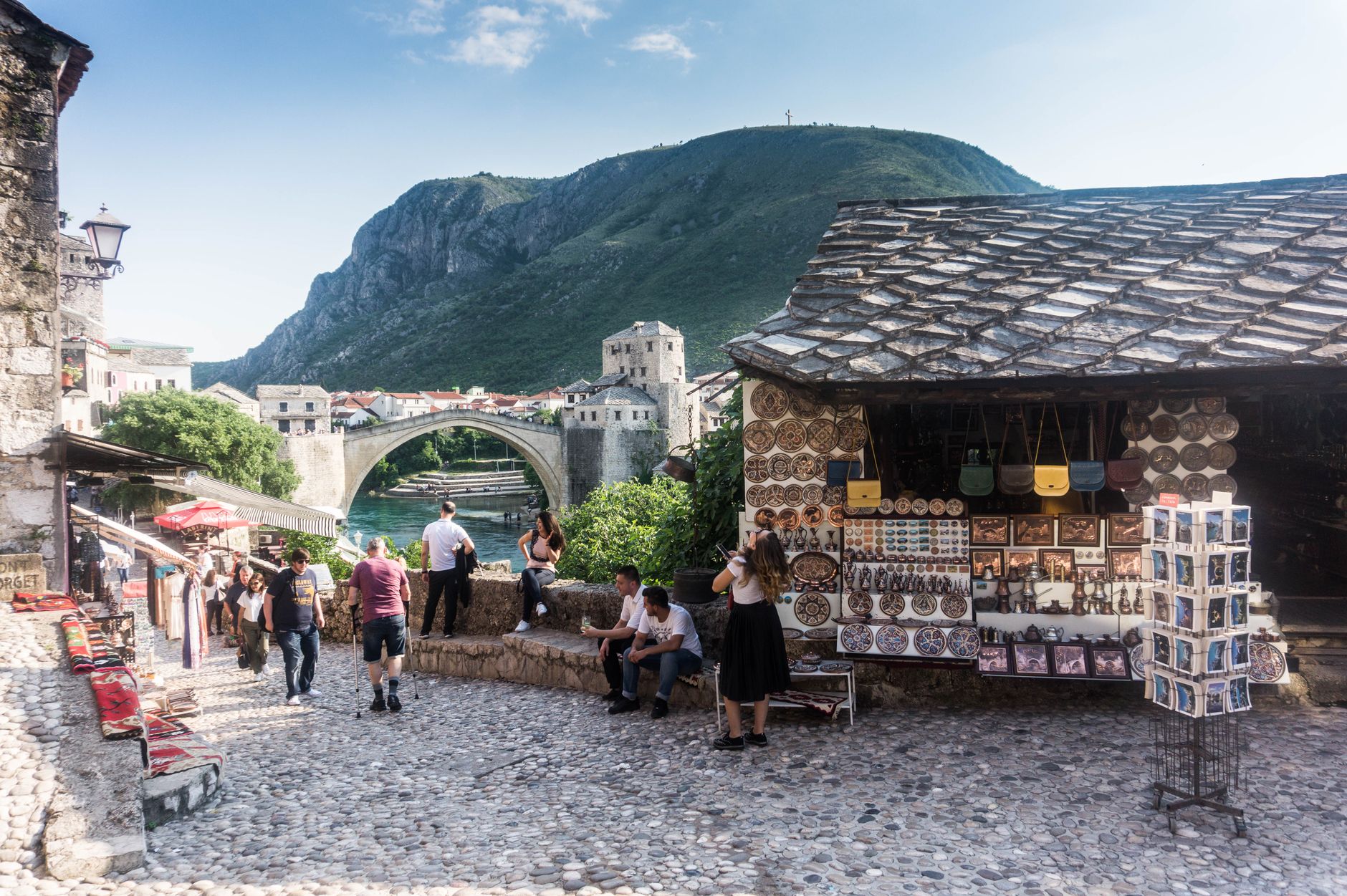
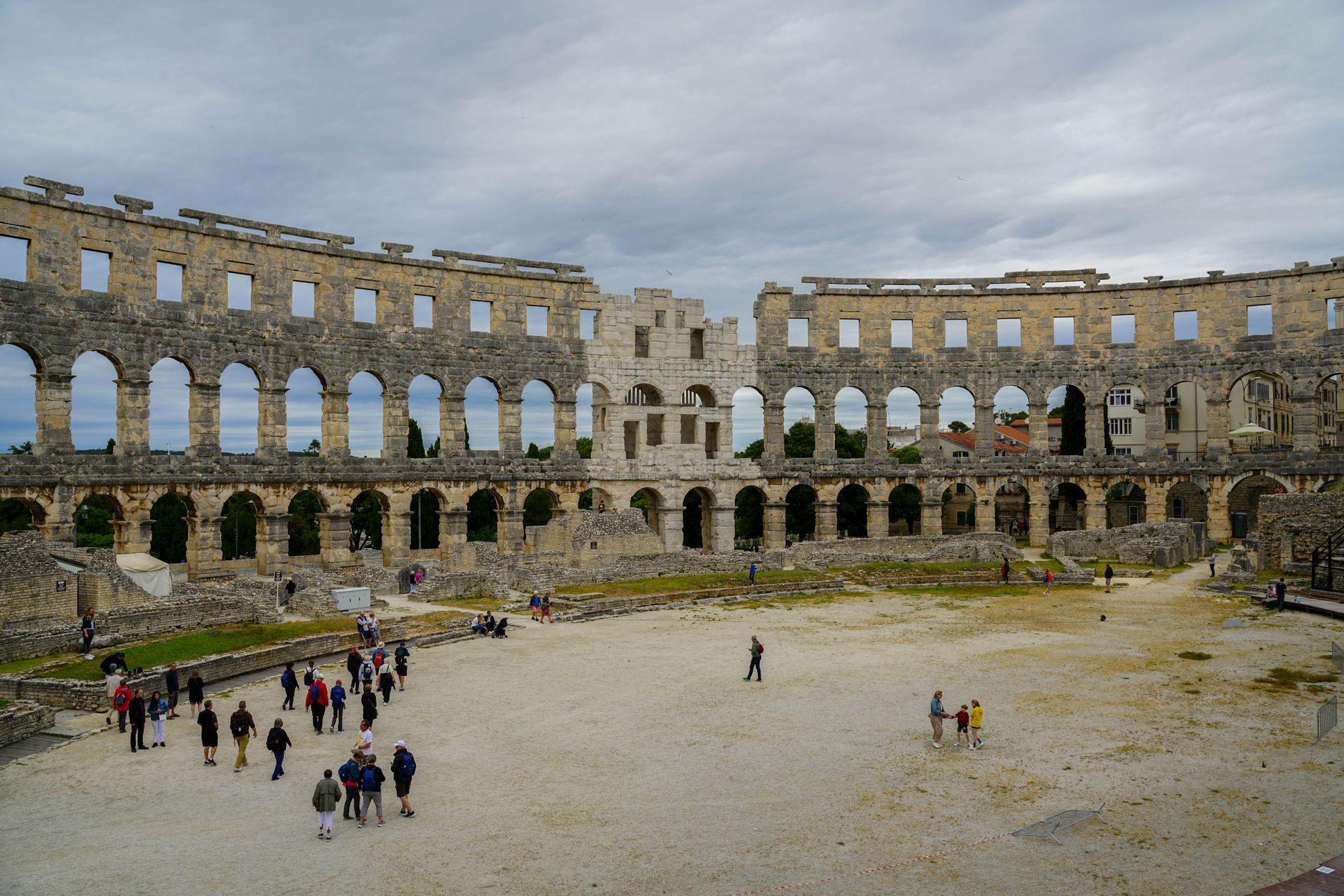
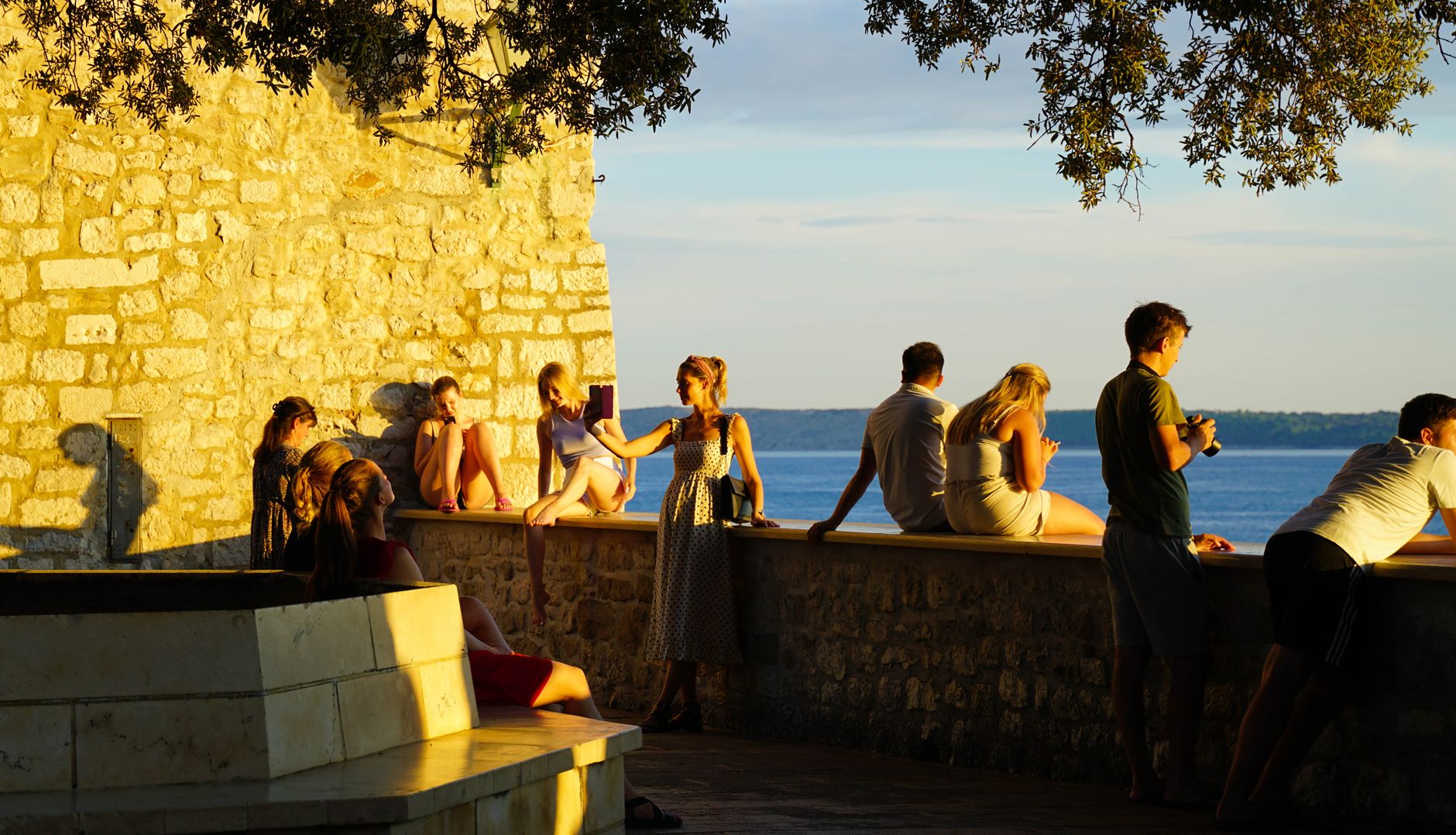
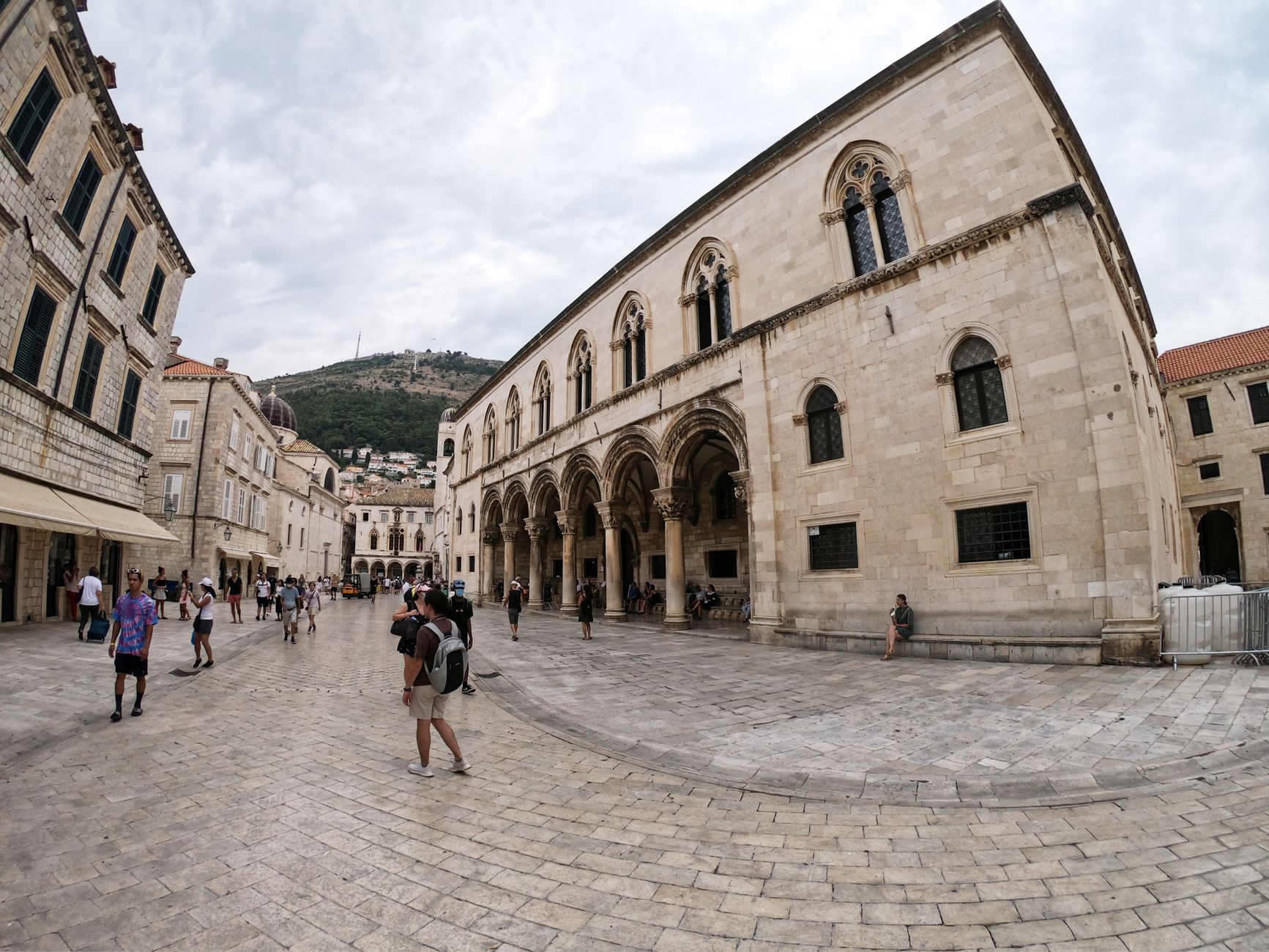
The name Ston comes from the Latin *stagnum* — swamp — which tells you something useful about this place before you even arrive. The land was always about salt, and salt was always about power. What the Republic of Dubrovnik built here from 1333 onward was essentially a fortified production facility: walls stretching more than seven kilometres across the Pelješac peninsula, enclosing not just a town but the saltpans that funded a republic.
Today those saltpans still run through their five crystallisation stages from April to October, yielding around 500 tonnes a year. The walls still stand — 5.5 kilometres of them, linking Ston to Mali Ston across a ridge and down again, with 20 surviving towers and the Latin-inscribed Field Gate dated 1506. Oysters come up from the channel. The Ston Cake, an improbable combination of pasta, chocolate, walnuts and citrus, appears on almost every table.
💛 What travellers fall for
People who come back tend to time it around the 19 March Oyster Festival, when the season opens and the town is still cool enough for a long wall walk without wilting. The less-visited stretch toward Koruna fortress in Mali Ston rewards the effort — fewer people, better views of the channel.
Deals in Ston
Book directly at the provider


How Ston came to be
Rome established a colony here in 167 BC, drawn by the same swampy, salt-rich ground that gives Ston its name. The Republic of Dubrovnik understood the strategic logic immediately: in 1333 it began planning a fortified system to protect the saltpans, and wall construction was underway by 1358. Over the following century and a half, a succession of architects shaped what rose from the limestone — among them Juraj Dalmatinac (Giorgio da Sebenico), Bernardino Gatti of Parma, and Michelozzo. The Field Gate carries a Latin inscription from 1506, the year Paskoje Milićević completed his long tenure as master builder.
The walls that survived into the modern era suffered badly in the 1996 earthquake. A 50-year renovation programme, initiated by Dubrovnik conservationist Lukša Beritić (1889–1969), was finally completed in 2009. A Franciscan monastery had been here since 1349; a female monastery followed in 1400. The Republic's Gothic Chancellery and Bishop's Palace still stand in the town.
Who and what shaped it
People who shaped it
Landmark buildings
See Ston in motion
Plan your visit
On the map
When to go
Summers are short and hot — August highs reach 31°C with little shade on the walls — while winters are long, wet and windy, though temperatures rarely drop below freezing. May–June and September–October offer the most comfortable conditions for walking the full circuit.
Right now
Background & history adapted from Wikipedia (CC BY-SA) · specs from Wikidata (CC0) · weather from Open-Meteo · map data © OpenStreetMap contributors · photos from Wikimedia Commons / Unsplash with per-image credit. No third-party reviews or social posts reproduced.