
Opuzen


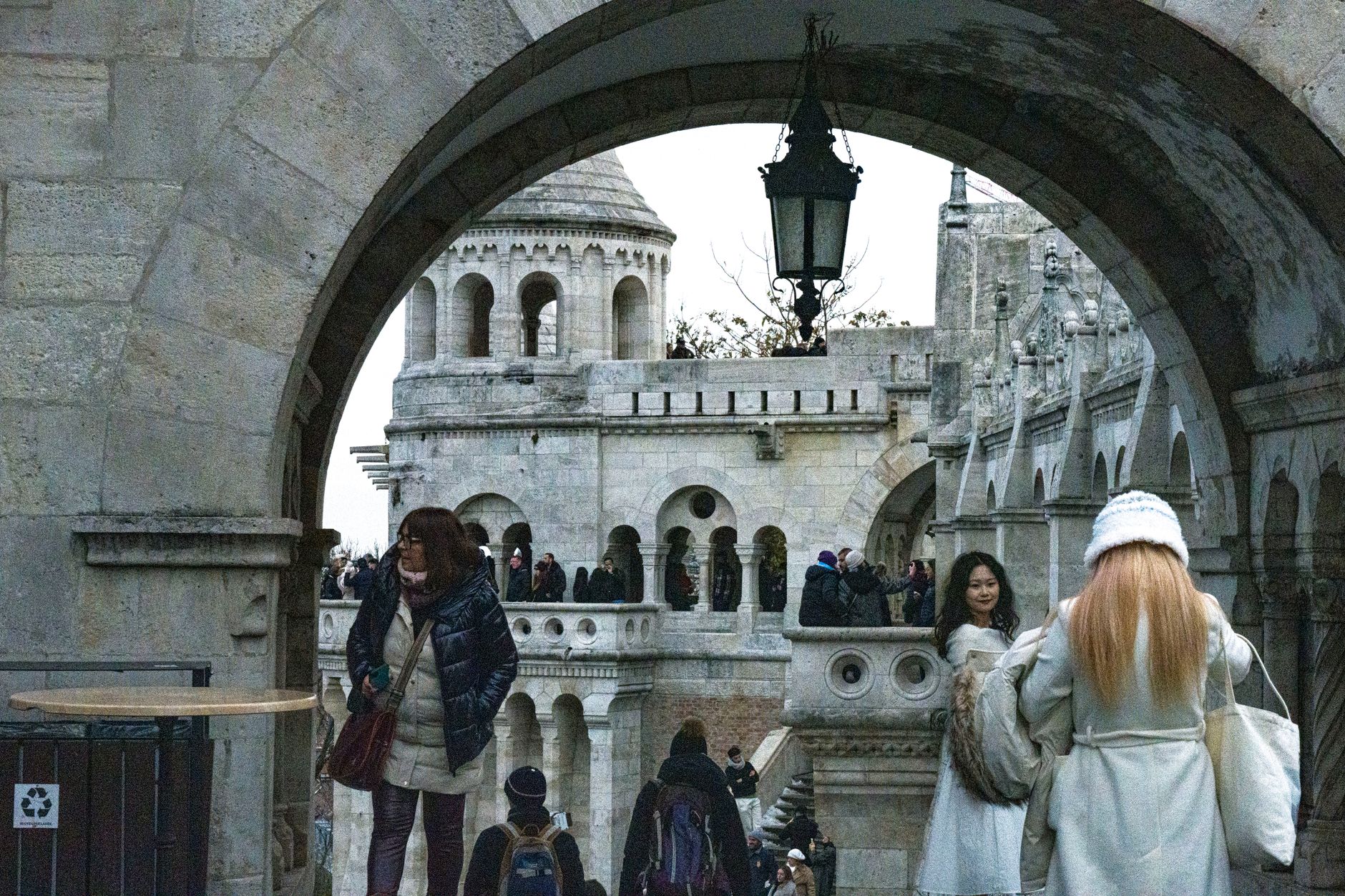


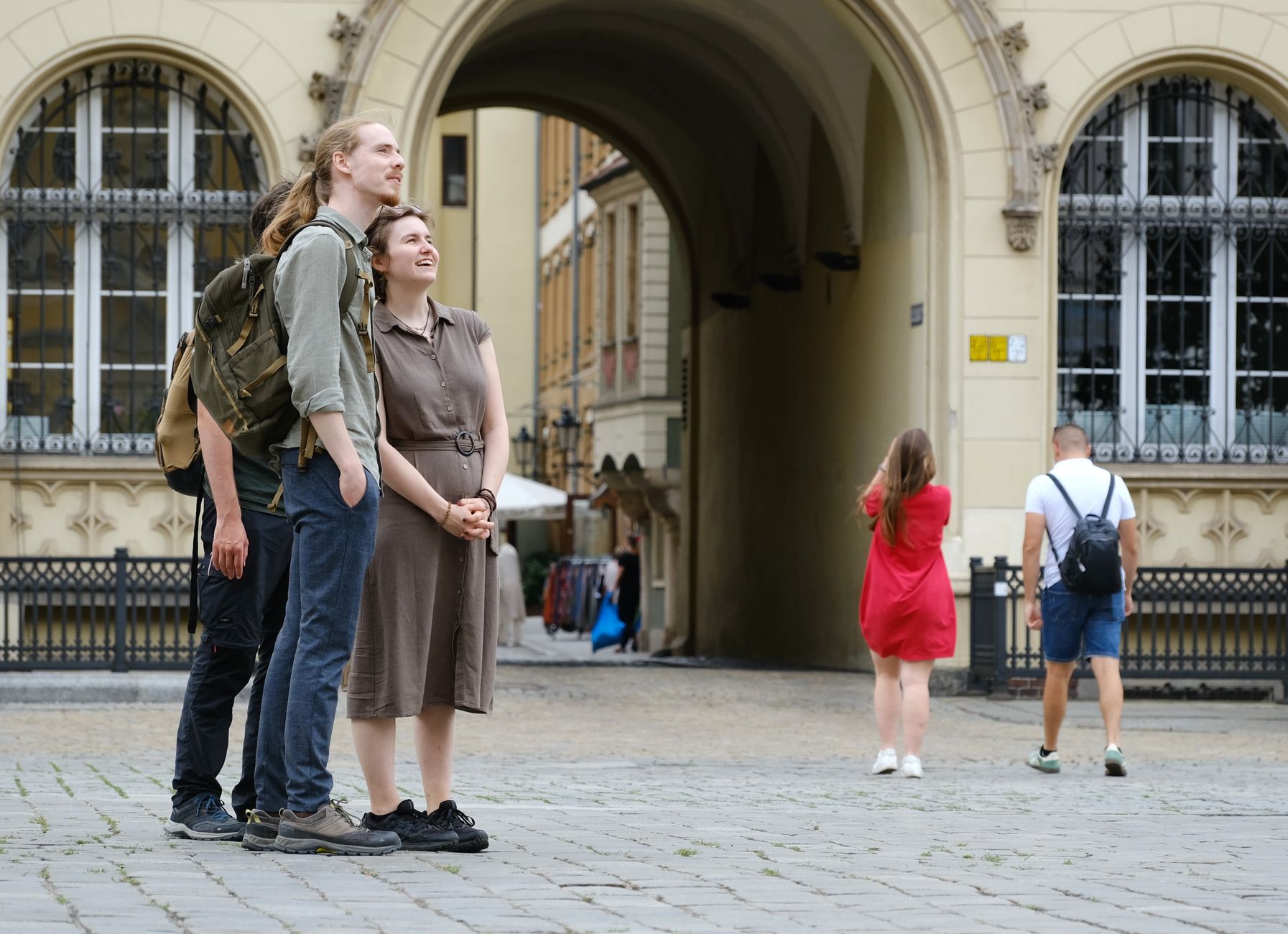
Somewhere between October and December, farmers set up roadside stands along the edges of Opuzen and sell tangerines pulled from the tree that morning. Peel one as you walk past King Tomislav Square — a public space laid out in the shape of a Roman forum — and you have the place in miniature: ancient bones, agricultural present, unhurried pace.
Opuzen sits where the Neretva splits into its two main branches before spreading into the delta and reaching the Adriatic. That geography has always determined what happens here — Roman settlers, Ragusan salt traders, Venetian fort-builders, and now eel fishermen and kitesurfers reading the same slow-moving channels.
💛 What travellers fall for
People who come back tend to arrive in autumn. The tangerine harvest is on, the Neretvanska Brudetijada brings cooks out to prepare brudet over open fires using locally caught eels and frogs, and the summer crowds have thinned to almost nothing. One visit to a family-run restaurant serving frog stew is usually enough to make the detour feel necessary next time.
Deals in Opuzen
Book directly at the provider


How Opuzen came to be
Traces of Roman settlement here date to the first century, and the ancient city of Narona — now the site of Croatia's first in situ archaeological museum, built directly over the excavated remains — was a functioning colony from the second century BC until the early seventh century. In the Middle Ages the town went by the name Posrednica, and by the fourteenth century the Republic of Ragusa had established salt-trading markets here, which were burned down in 1472.
The Republic of Venice built Fort Opus in 1684, and from the late seventeenth century through to the early nineteenth, Opuzen was the principal political and administrative centre of the Lower Neretva basin. It lost that status to neighbouring Metković during the 1800s, though it did open the region's first school in 1798 — the only one serving the Neretva area until 1845. What remains of the Venetian fortress is known locally as Recycle, absorbed into the fabric of the old town wall.
Who and what shaped it
Landmark buildings
See Opuzen in motion
Plan your visit
On the map
When to go
Summers are long and warm in the Mediterranean mode, but the Neretva delta introduces its own logic: winters, though short, run colder than the coast nearby. Autumn — September through November — is the most rewarding season to visit, with mild temperatures, harvest activity, and noticeably fewer other travellers.
Right now
Background & history adapted from Wikipedia (CC BY-SA) · specs from Wikidata (CC0) · weather from Open-Meteo · map data © OpenStreetMap contributors · photos from Wikimedia Commons / Unsplash with per-image credit. No third-party reviews or social posts reproduced.