
Orebić
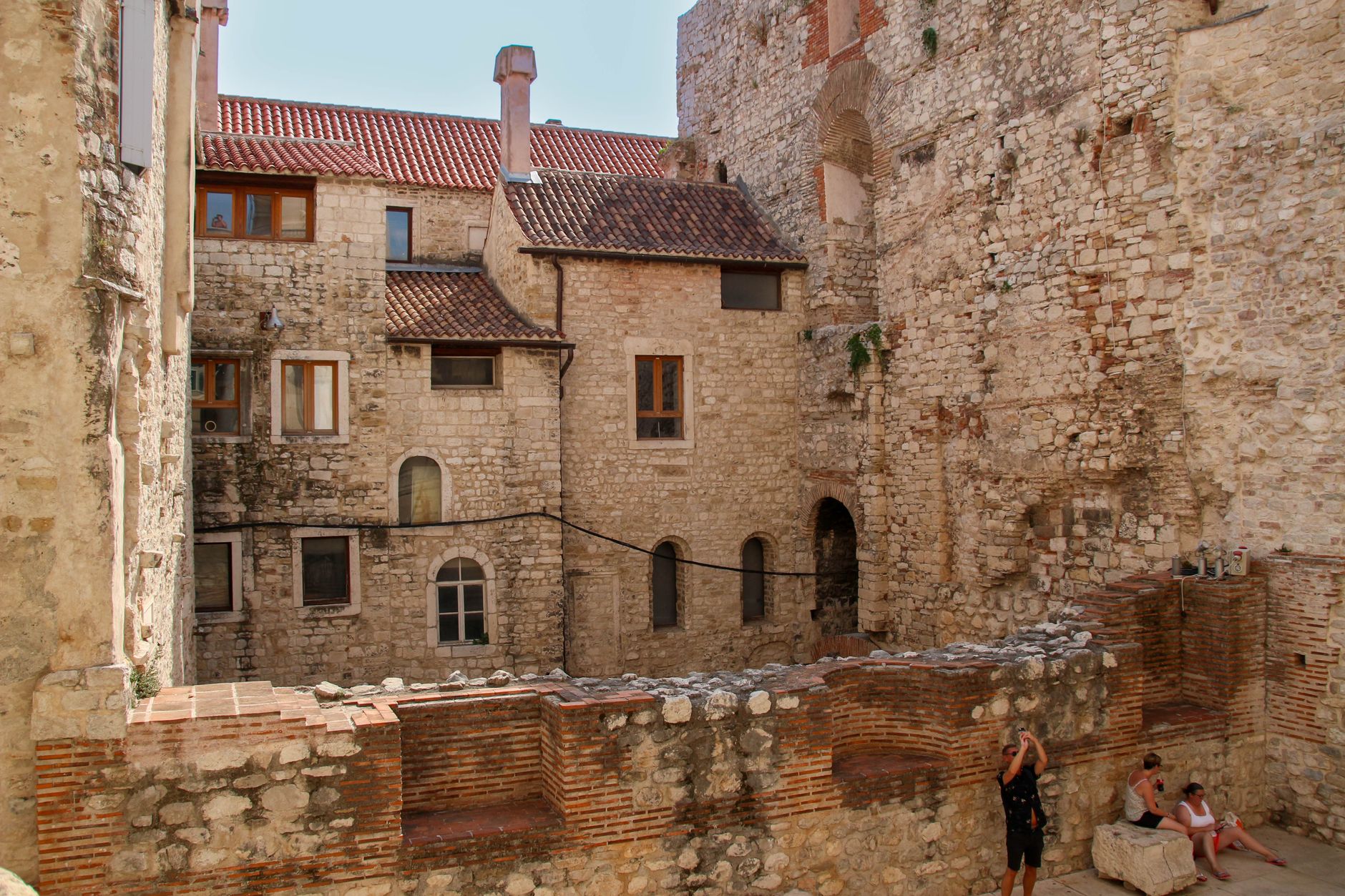
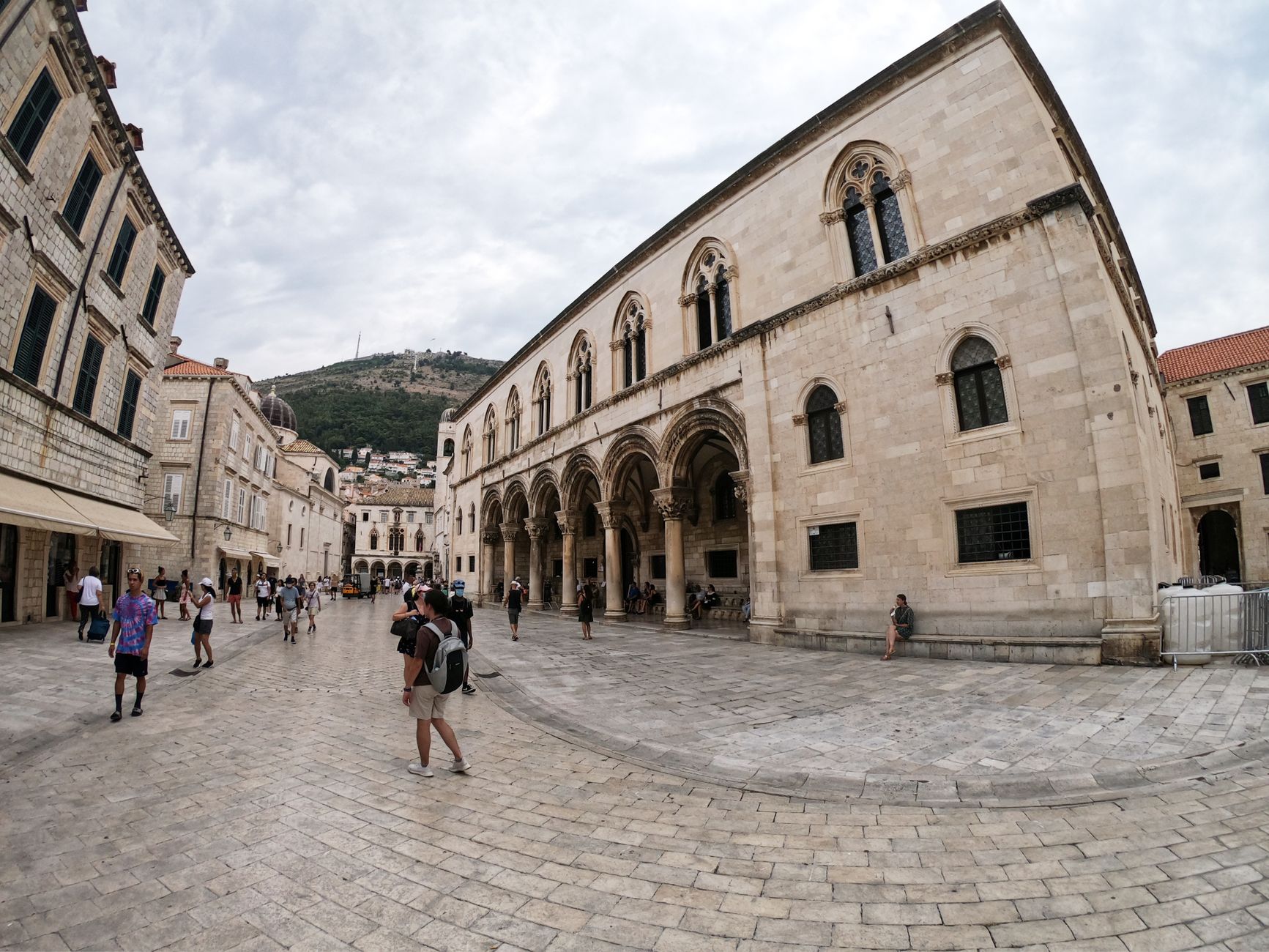
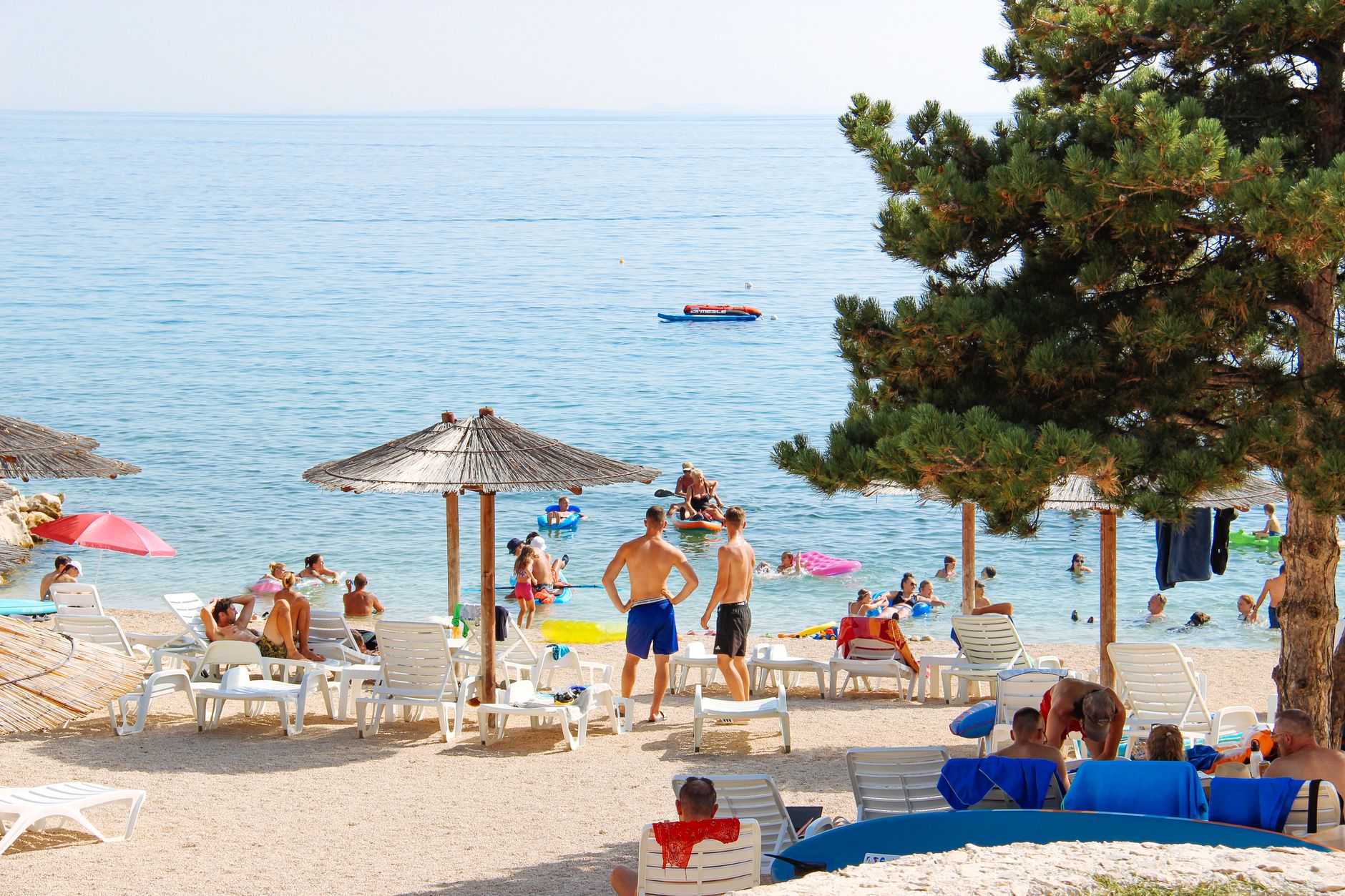
Orebić sits at the narrowest point of the Pelješac Peninsula, close enough to Korčula that you can watch the island's terracotta rooftops shift colour through the day. The town grew around sea captains — men who sailed the Mediterranean and came home to build stone villas behind walled gardens, stacking their earnings into architecture that still lines the waterfront.
Behind those houses, Mount Sveti Ilija rises to 961 metres, and the Franciscan Monastery of Our Lady of Angels clings to its lower slopes, built in 1486 in Gothic-Renaissance style by the same architect who worked on the Church of Saint Sebastian in Dubrovnik. The town's original name was Trstenica — a small fishing settlement documented as early as 1318.
💛 What travellers fall for
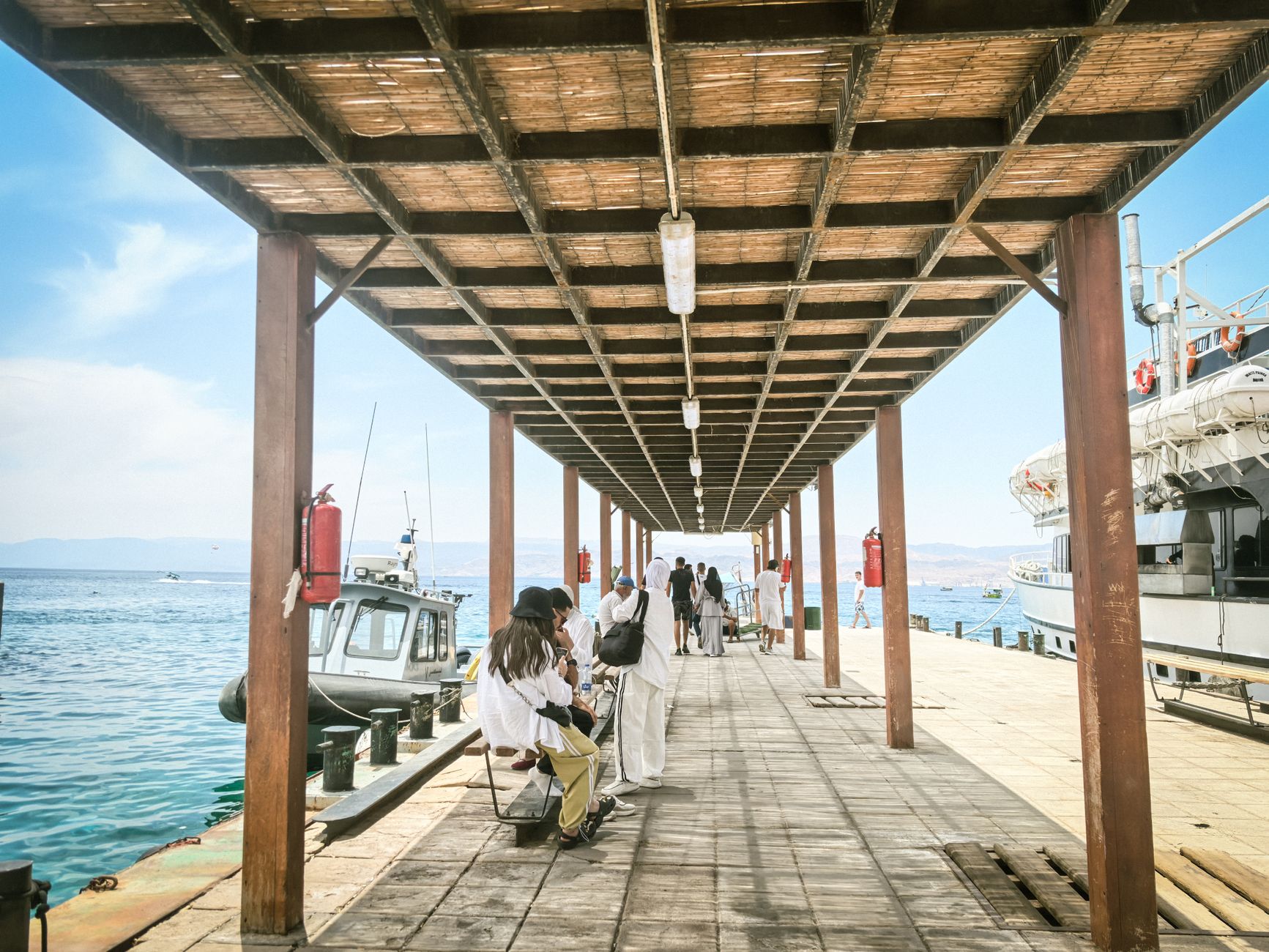
People who come back tend to time their mornings around the ferry crossing to Korčula — a 20-minute hop that leaves from the edge of town, cheap enough to do on a whim. The trail to the monastery is the other ritual: early, before the heat settles, with the Pelješac channel laid out below. The Maritime Museum rewards a slow hour; the Writ of Nobility from 1707 is the one thing to find.
Deals in Orebić
Book directly at the provider


How Orebić came to be
The settlement now called Orebić began as Trstenica, a fishing village first recorded in 1318, administered from the 14th century onward by the Republic of Dubrovnik. It takes its current name from a family who relocated from Bakar in the late 15th century, built a castle for protection against Ottoman incursions and pirates, and then restored it in 1586. The settlement grew around that fortified core.
By the 17th century, Orebić's merchant seamen had turned the town into a regional trading force. The 18th and 19th centuries were its peak: captains returned wealthy, and the villas they built still define the waterfront. In 1707, Emperor Joseph granted hereditary nobility to the Orebić family for over seven decades of naval service. The original writ is in the Maritime Museum, which opened in 1957 and holds paintings, atlases, weapons and tools spanning four centuries of seafaring.
Who and what shaped it
People who shaped it
Landmark buildings
See Orebić in motion
Plan your visit
On the map
When to go
Summers are hot and dry, with the channel providing a reliable afternoon breeze. Spring and autumn bring milder temperatures and quieter beaches — September in particular keeps the water warm well into the month.
Right now
Background & history adapted from Wikipedia (CC BY-SA) · specs from Wikidata (CC0) · weather from Open-Meteo · map data © OpenStreetMap contributors · photos from Wikimedia Commons / Unsplash with per-image credit. No third-party reviews or social posts reproduced.