
Trpanj
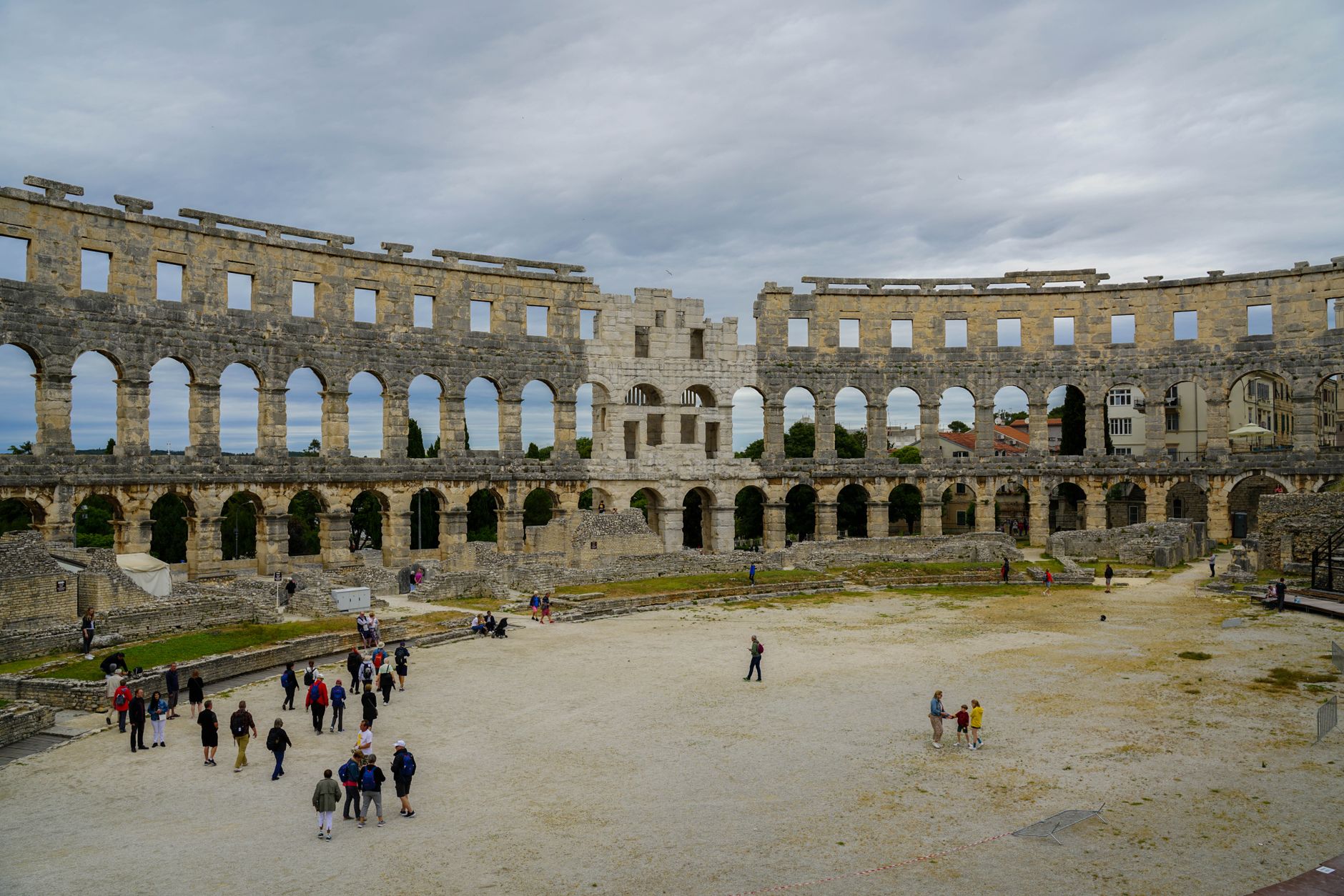
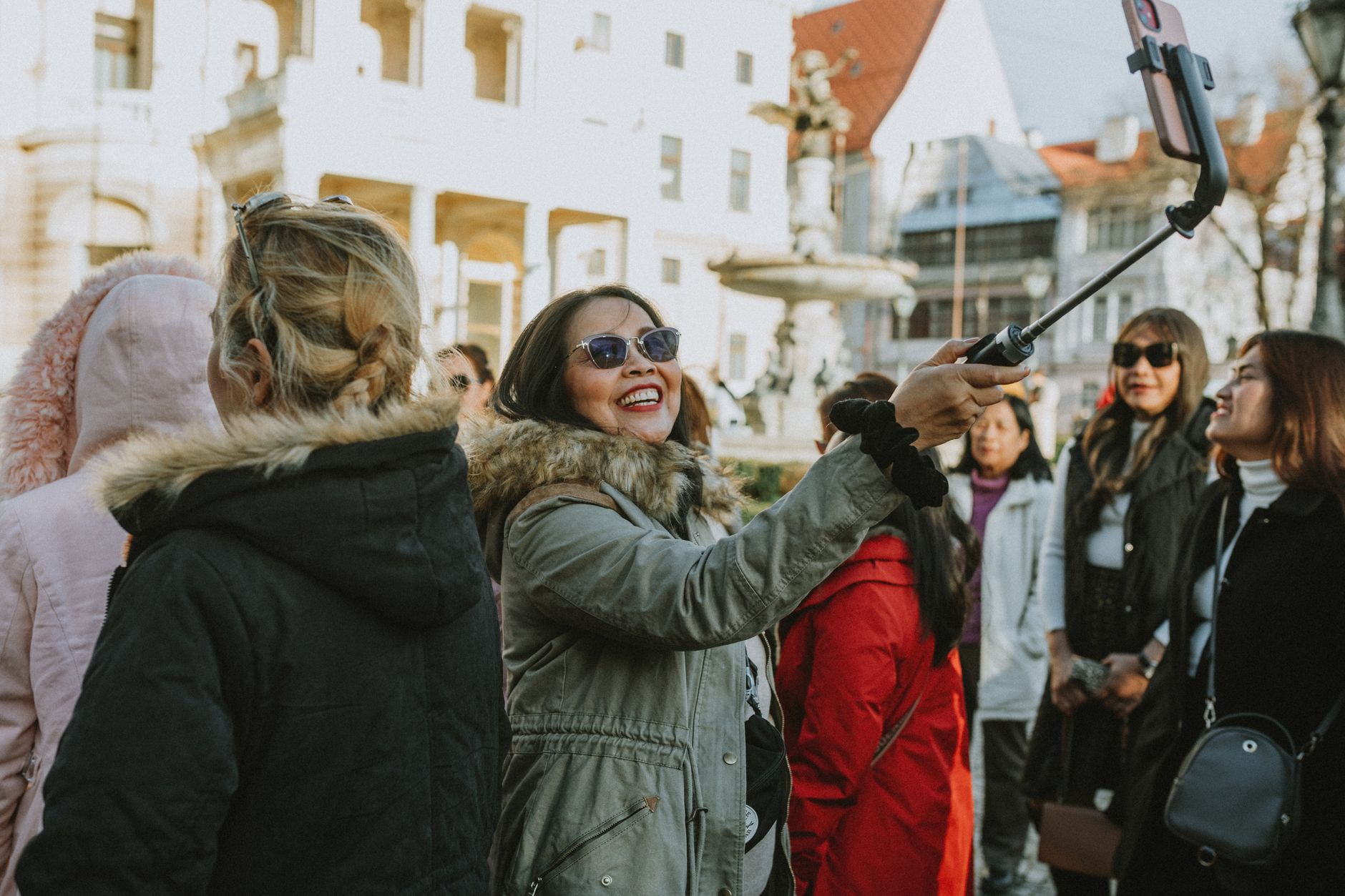
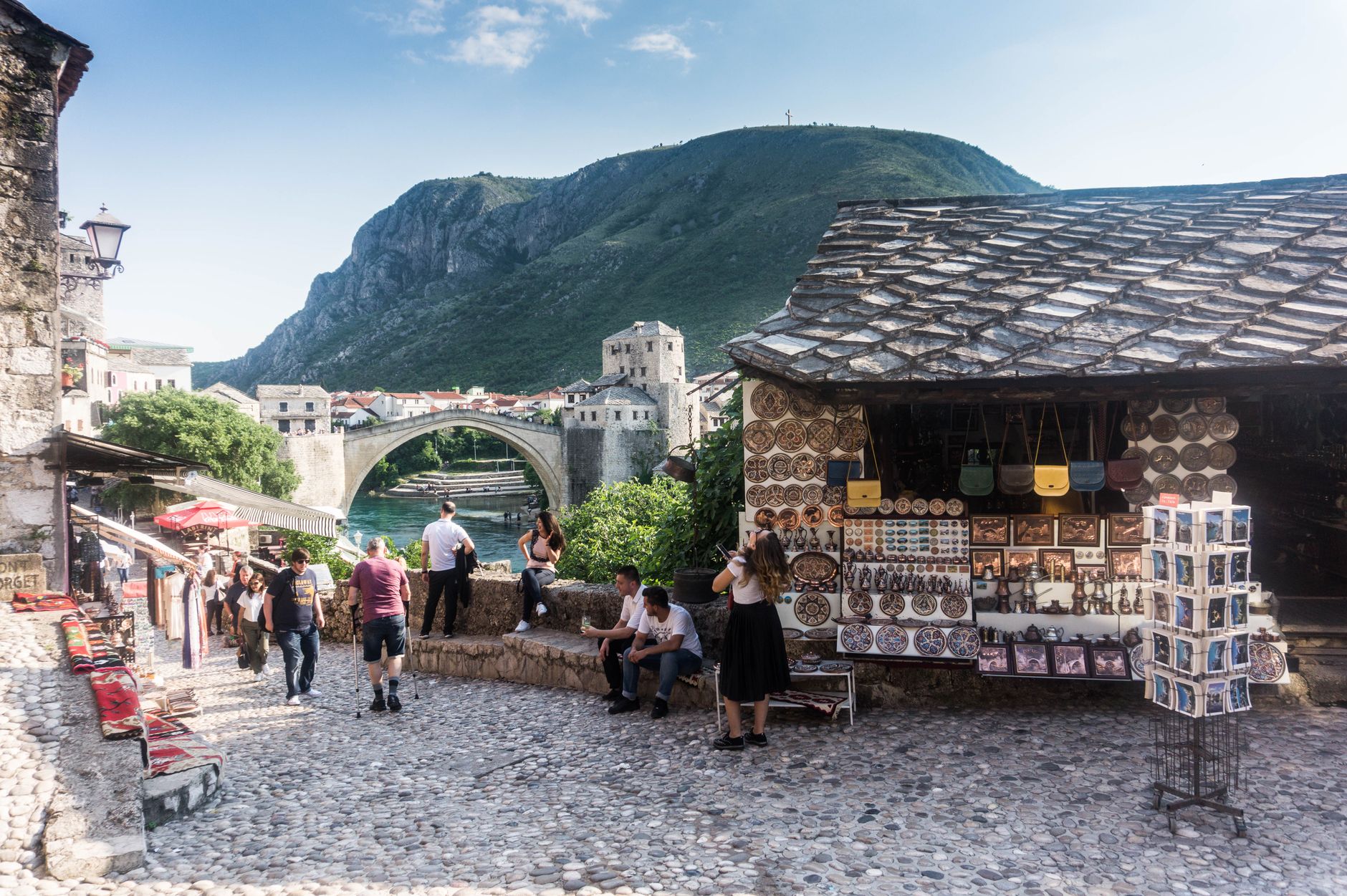
The first thing you notice about Trpanj is the small statue of the Virgin Mary standing on a rocky islet just off the harbour — not grand, just quietly there, with the Pelješac hills rising behind it. This northern-coast village on the peninsula has spent most of its history as a place people passed through or crossed to, and that transit quality still defines it: the ferry from Ploče arrives a few times a day, the road over the Pelješac Bridge draws some traffic inland, and the town itself stays unhurried.
Trpanj is compact enough to walk end to end in twenty minutes, but the layers underneath it run deep — Roman mosaic floors, a Byzantine hilltop fortification, a pre-Romanesque church barely larger than a garden shed. Gravel beaches fan out along the coast toward Duba, and the bay at Blace is known for its therapeutic mud.
💛 What travellers fall for
People who come back tend to time it around the ferry crossing from Ploče — arriving at dusk when the harbour light is flat and gold. The climb to Crkva sv. Roka up the marble steps on Gradina hill is worth doing early, before the heat settles. Bring cash; the one hotel books out fast in July and August.
Deals in Trpanj
Book directly at the provider

How Trpanj came to be
People have lived on the slopes of Gradina hill since prehistoric times — pottery fragments confirm it. Romans built a villa rustica here, and in 1963 workers uncovered column bases and an inscribed stone from the 2nd or 3rd century AD; a mosaic had already surfaced in 1922. The Byzantines under Justinian I added defensive works on the hilltop in the 6th century, and the name itself traces to an ancient fortress — Tarpano or Tarponio — said to have been destroyed during Julius Caesar's Illyrian campaigns.
The Gondola family took lordship in 1498, and Trpanj spent the next three and a half centuries as a feudal settlement on the Ottoman frontier. Then in 1856, the residents pooled resources and bought their own freedom — the first community on Pelješac to do so. That act of collective self-purchase sits at the centre of the town's identity in a way that no monument quite captures.
Who and what shaped it
People who shaped it
Landmark buildings
See Trpanj in motion
Plan your visit
On the map
When to go
Summers run dry and sunny — July averages nearly eleven hours of daylight and August sea temperatures reach around 25°C. Winters are mild by northern standards but genuinely wet, with November the rainiest month and January nights dropping to around 5°C.
Right now
Background & history adapted from Wikipedia (CC BY-SA) · specs from Wikidata (CC0) · weather from Open-Meteo · map data © OpenStreetMap contributors · photos from Wikimedia Commons / Unsplash with per-image credit. No third-party reviews or social posts reproduced.