
Bavaria, Germany
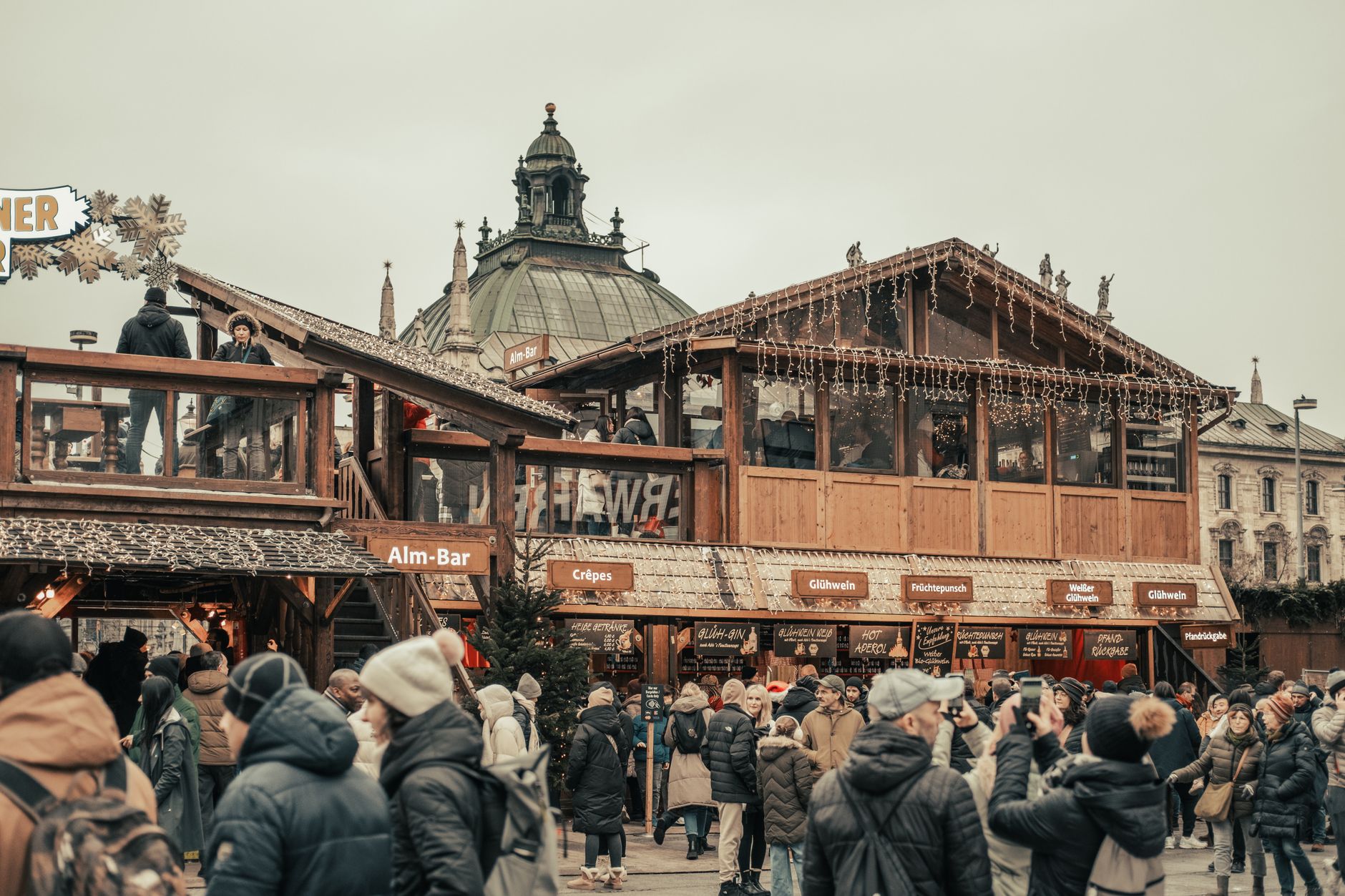
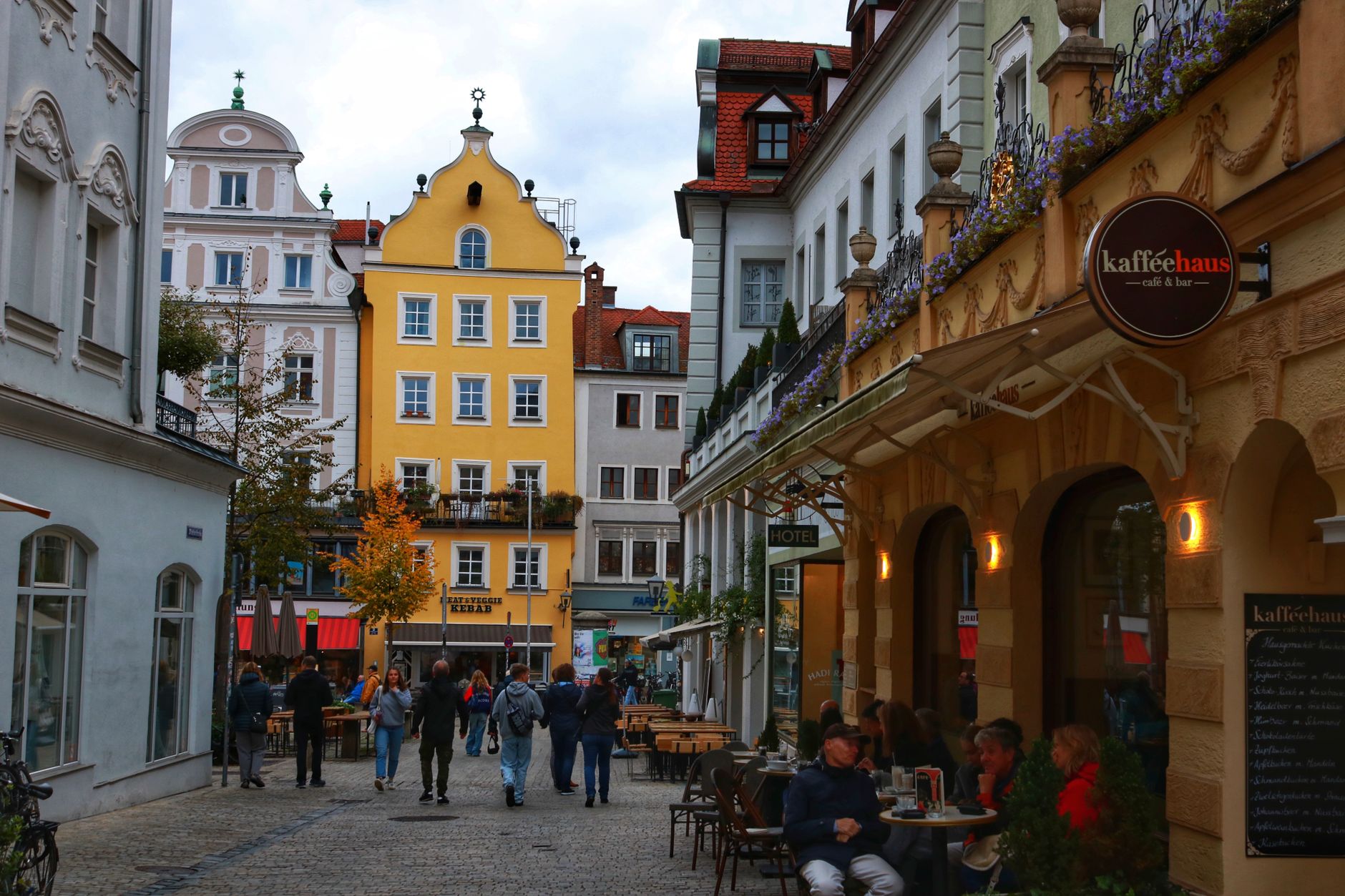
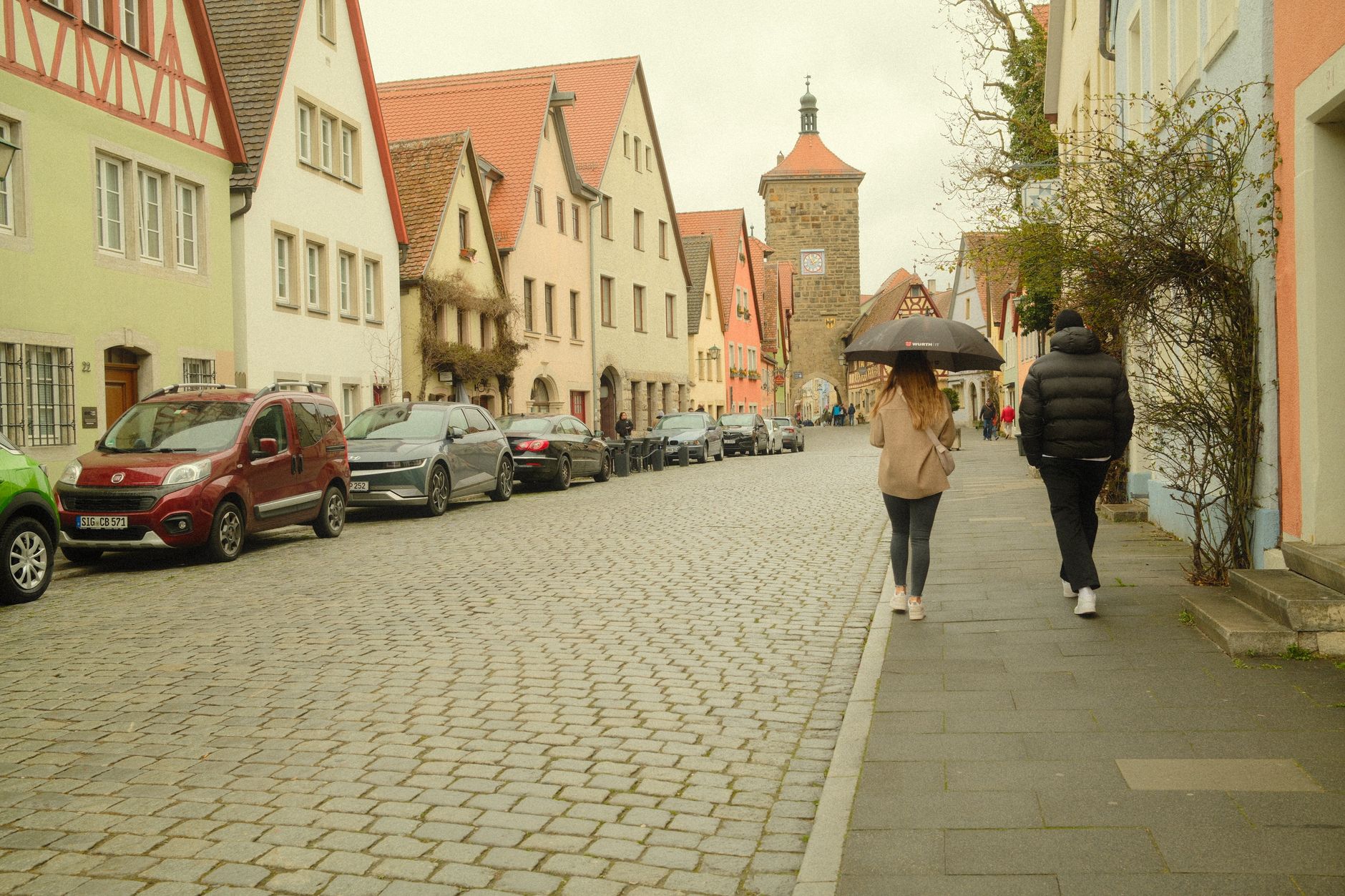
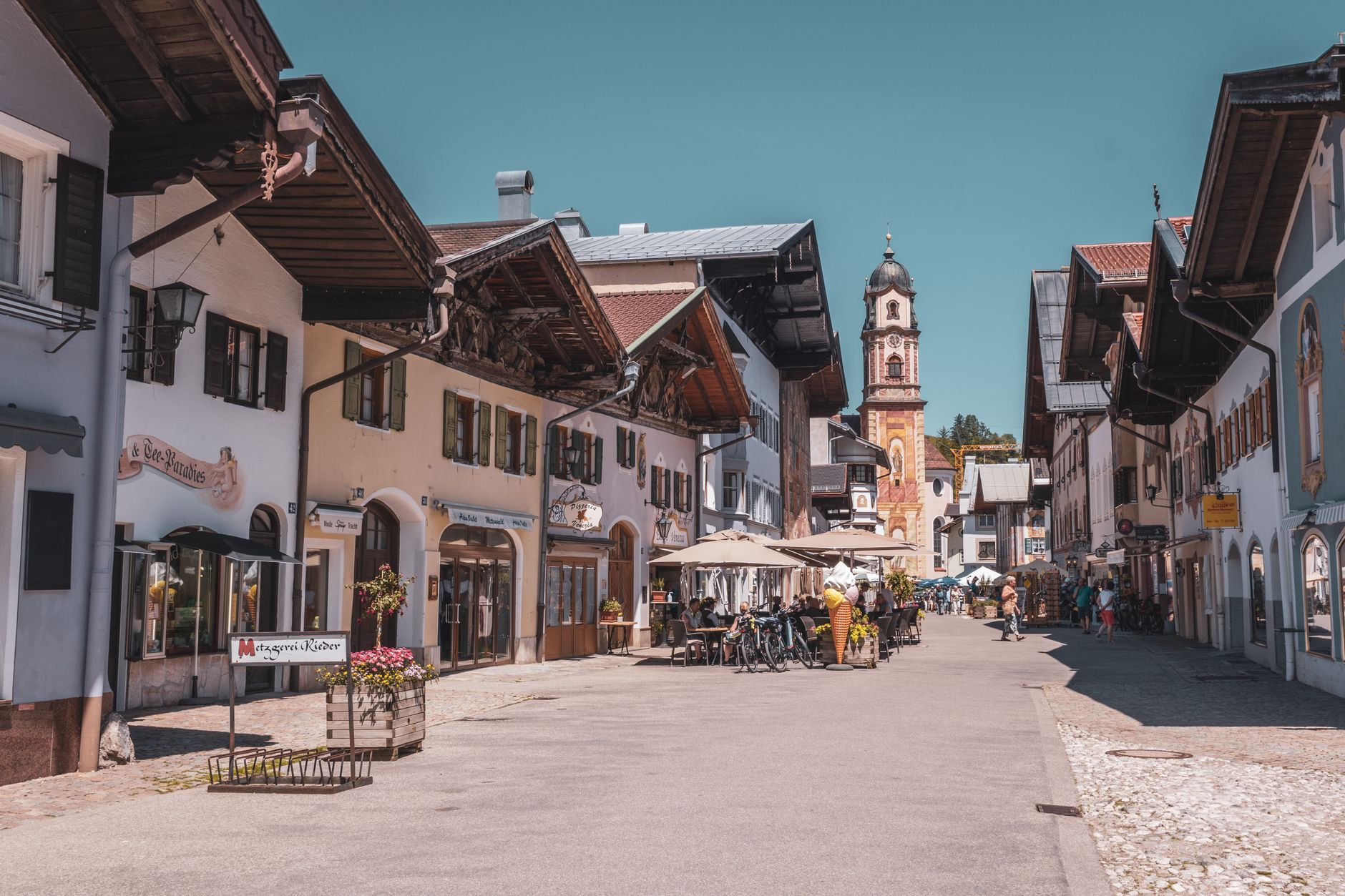
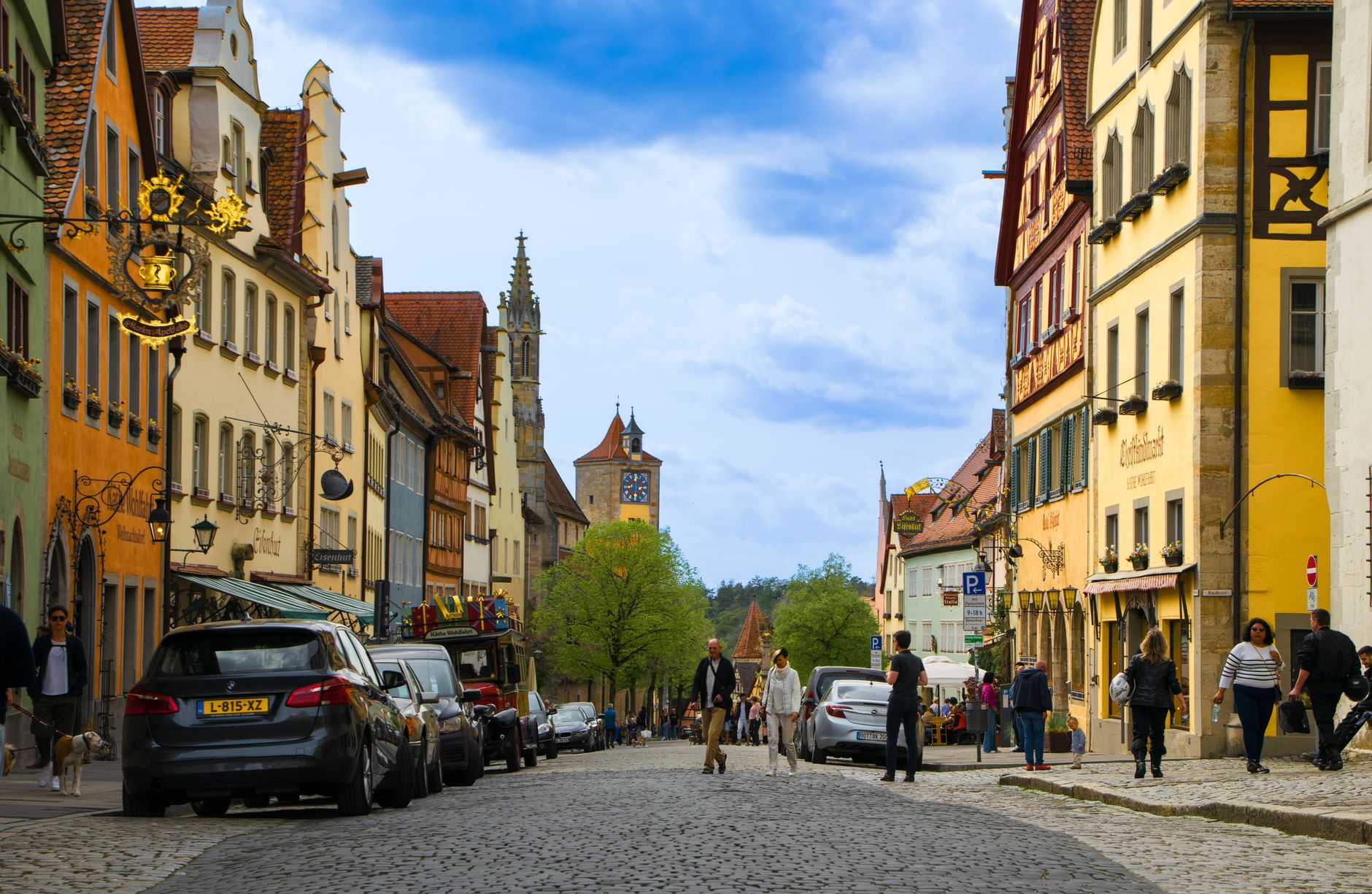
Bavaria is where the stereotype and the reality meet and, surprisingly, both hold up. The Alps push hard against the southern edge, the beer halls fill early, and the castles — there are more than you could visit in a month — range from half-finished royal fantasies to sober medieval fortresses above old town rooftops. What catches you off guard is the density of it: around 1,300 museums, a palace on an island in a lake, a Baroque summer residence in Munich's western suburbs that began as a hunting lodge.
The region has its own distinct identity within Germany — it was a kingdom before it was part of the empire, and it carries that self-possession lightly. Moving through it, you feel the weight of the Wittelsbach dynasty at almost every turn.
How Bavaria, Germany came to be
The Baiovarii tribe settled this southern territory between 488 and 520 CE, and by the 7th and 8th centuries Irish and Scottish monks had brought Christianity to the region. The real political shape of Bavaria took form later: Louis I, who came to power in 1183, is credited as the true founder of the Bavarian principality, and Duke Albert IV made Munich the duchy's capital in 1506, the same year he established primogeniture to stabilise succession.
The Treaty of Pressburg in 1805 gave Bavaria roughly its current borders and elevated it from duchy to kingdom. It became one of the founding states of the German Empire when that was proclaimed on 18 January 1871 — a history that explains why Bavaria has always felt like a place that joined something rather than was absorbed by it.
Who and what shaped it
People who shaped it
Landmark buildings
See Bavaria, Germany in motion
Plan your visit
On the map
When to go
Summers are warm and often sunny, ideal for the Alpine south, though afternoon thunderstorms are common in July and August. Winters are cold and snowy, especially at altitude; spring and autumn offer mild days and thinner crowds at the major sites.
Right now
↡ Cities
Background & history adapted from Wikipedia (CC BY-SA) · specs from Wikidata (CC0) · weather from Open-Meteo · map data © OpenStreetMap contributors · photos from Wikimedia Commons / Unsplash with per-image credit. No third-party reviews or social posts reproduced.