
Landshut

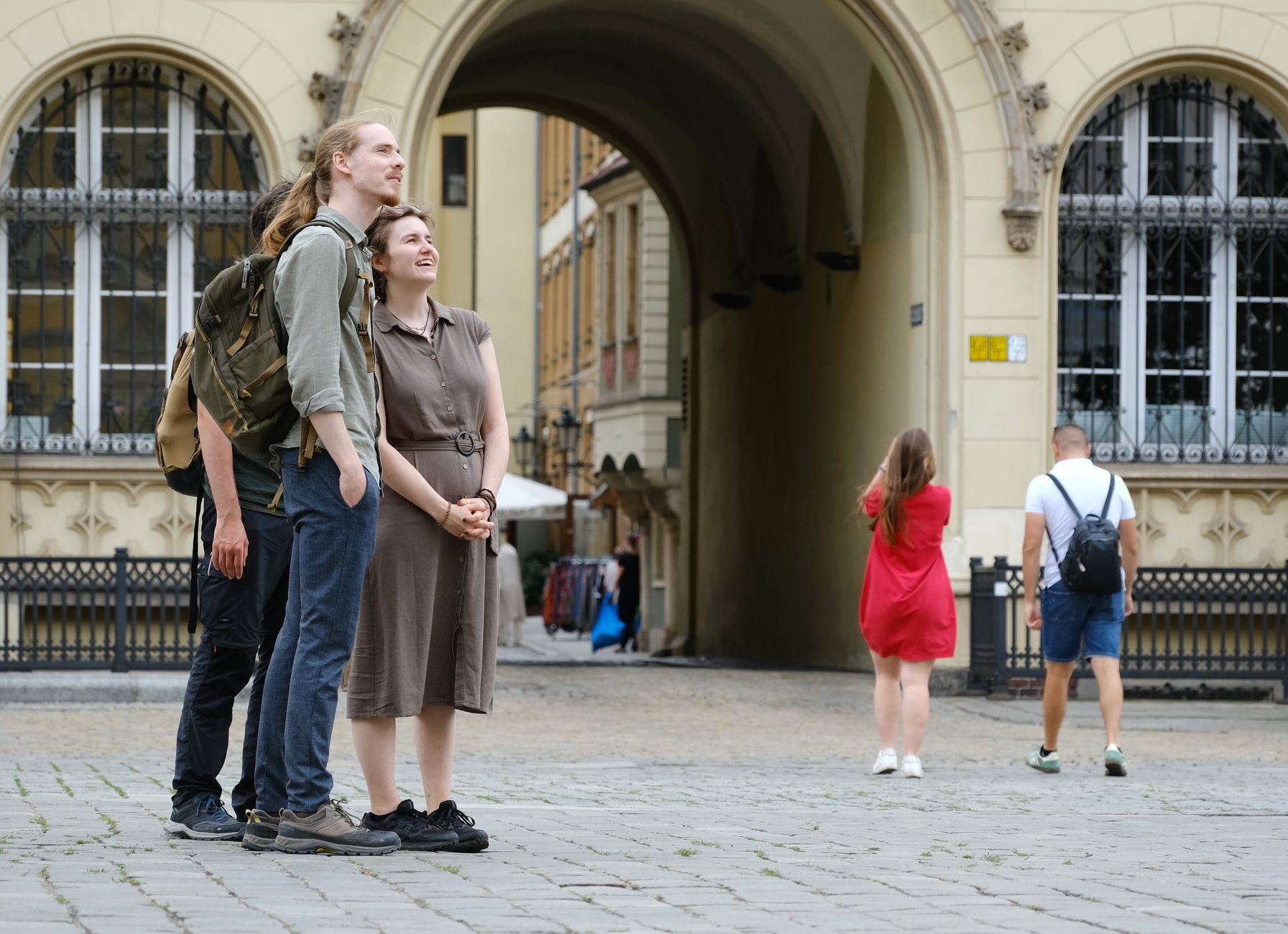

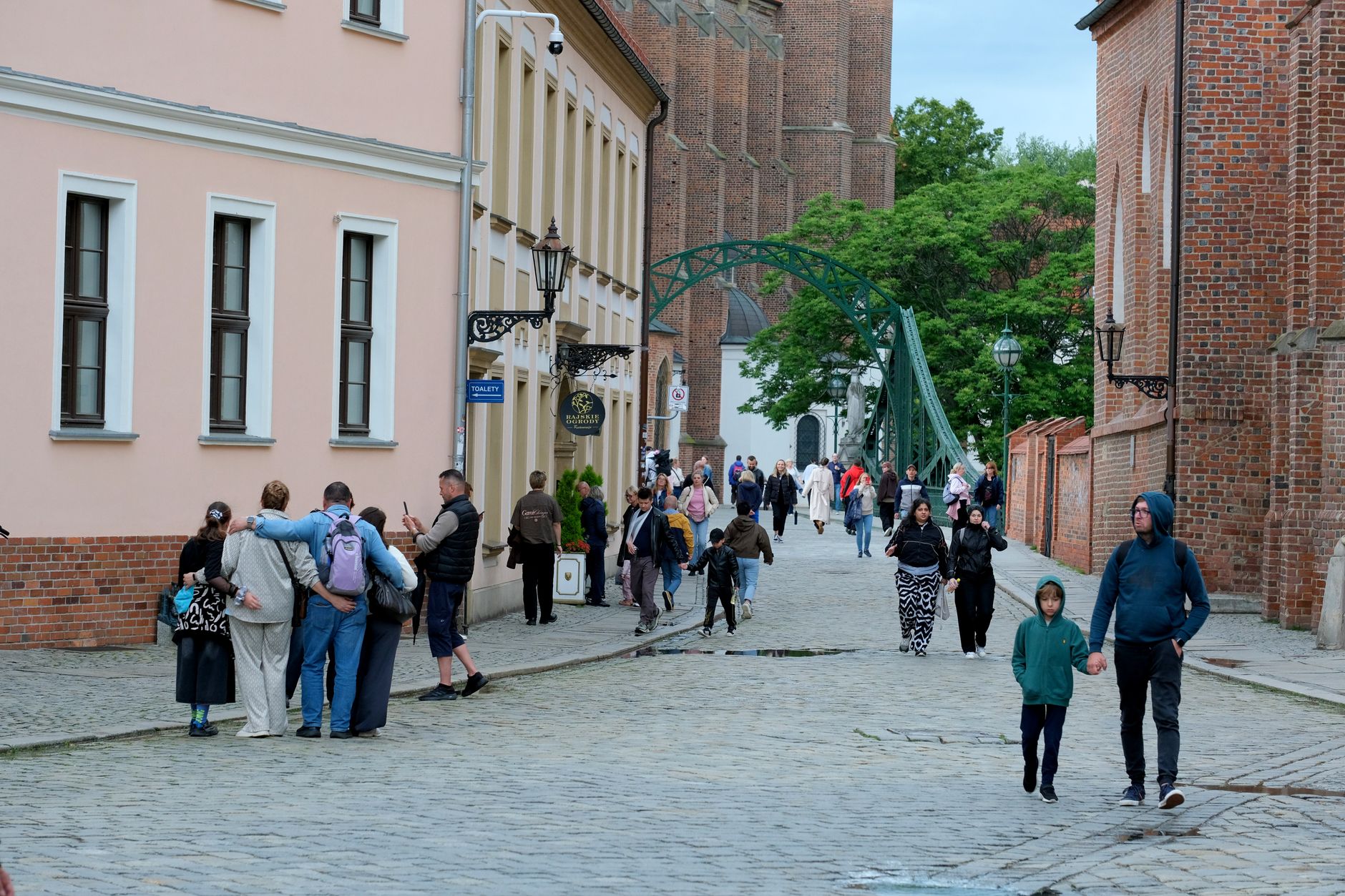
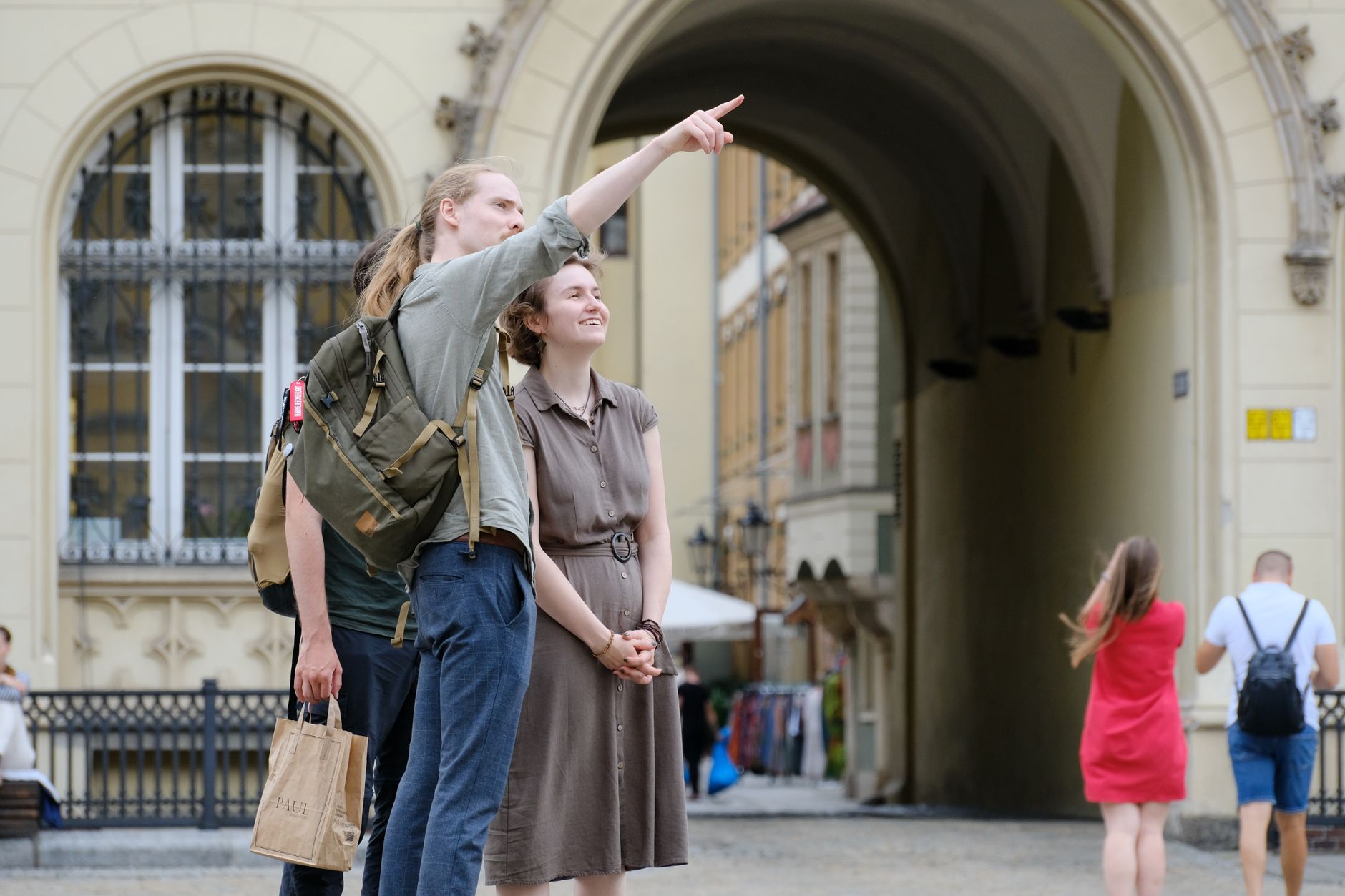
The brick tower of St. Martin's Church rises 130 metres above the Isar — the second-tallest brick structure in the world built without steel supports — and it sets the tone for a city that has been quietly accumulating remarkable things since 1204. Landshut was a Wittelsbach capital for two and a half centuries, and the old town still wears that history without fuss: Gothic churches, a Renaissance palace that was the first of its kind north of the Alps, and a hillside castle that has been added to, wing by wing, for seven hundred years.
The city sits between Munich and Regensburg, close enough to both that it gets treated as a day trip, which means the streets stay calm enough to actually look at things.
💛 What travellers fall for
People who come back tend to time a return around the Landshut Wedding — a four-yearly pageant involving 2,300 local residents in medieval costume that takes over the whole city across four weekends. The next one is 2027. Book accommodation early and pay the €50 for a grandstand seat at the procession; watching from the pavement is free but crowded.
Deals in Landshut
Book directly at the provider

How Landshut came to be
Duke Ludwig I of Bavaria founded Landshut in 1204 and immediately began work on Trausnitz Castle above the Isar. When the Bavarian duchy split in 1255, Landshut became the capital of Lower Bavaria and the Wittelsbach seat — a role it held until 1503. Its medieval peak came in 1475, when Duke George the Rich married the Polish princess Hedwig Jagiellon in what chroniclers called the grandest celebration of the Middle Ages, a wedding still re-enacted today.
The city's Renaissance turn came between 1537 and 1543, when Louis X built the Stadtresidenz after visiting Mantua. Modelled on the Palazzo del Te, it was the first Renaissance palace north of the Alps. St. Martin's Church, begun in 1389 and dedicated in 1500, was rising through all of it — a century of brick-laying that produced a tower no steel ever touched.
Who and what shaped it
People who shaped it
Landmark buildings
See Landshut in motion
Plan your visit
On the map
When to go
Landshut has a continental Bavarian climate: summers are warm and occasionally thundery, making June and September the most comfortable months to walk the old town. Winters are cold and grey, though the city's indoor spaces — the Residence, the castle rooms — hold up well as destinations from October through March.
Right now
Background & history adapted from Wikipedia (CC BY-SA) · specs from Wikidata (CC0) · weather from Open-Meteo · map data © OpenStreetMap contributors · photos from Wikimedia Commons / Unsplash with per-image credit. No third-party reviews or social posts reproduced.