
Amsterdam, North Holland, Netherlands
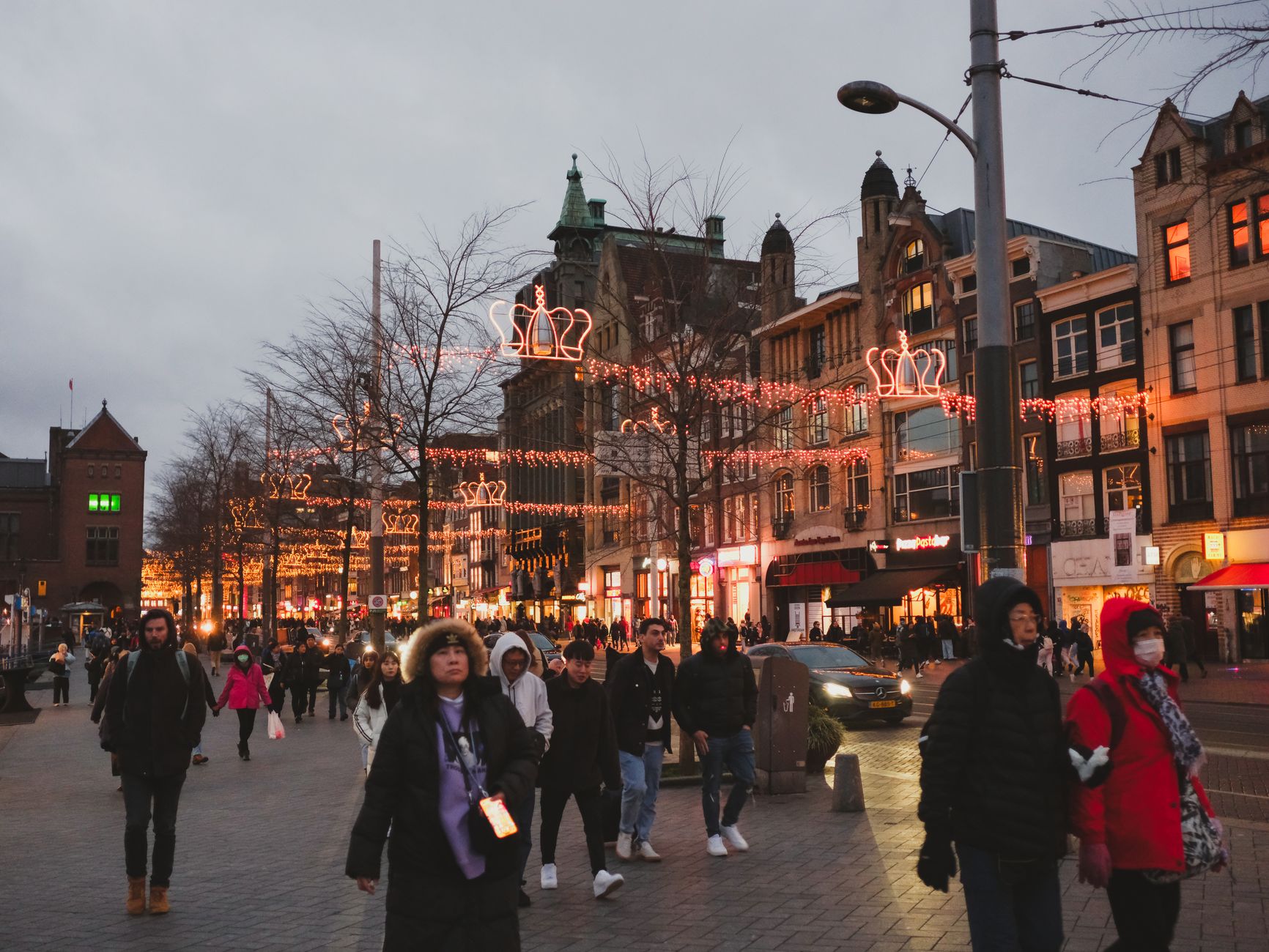
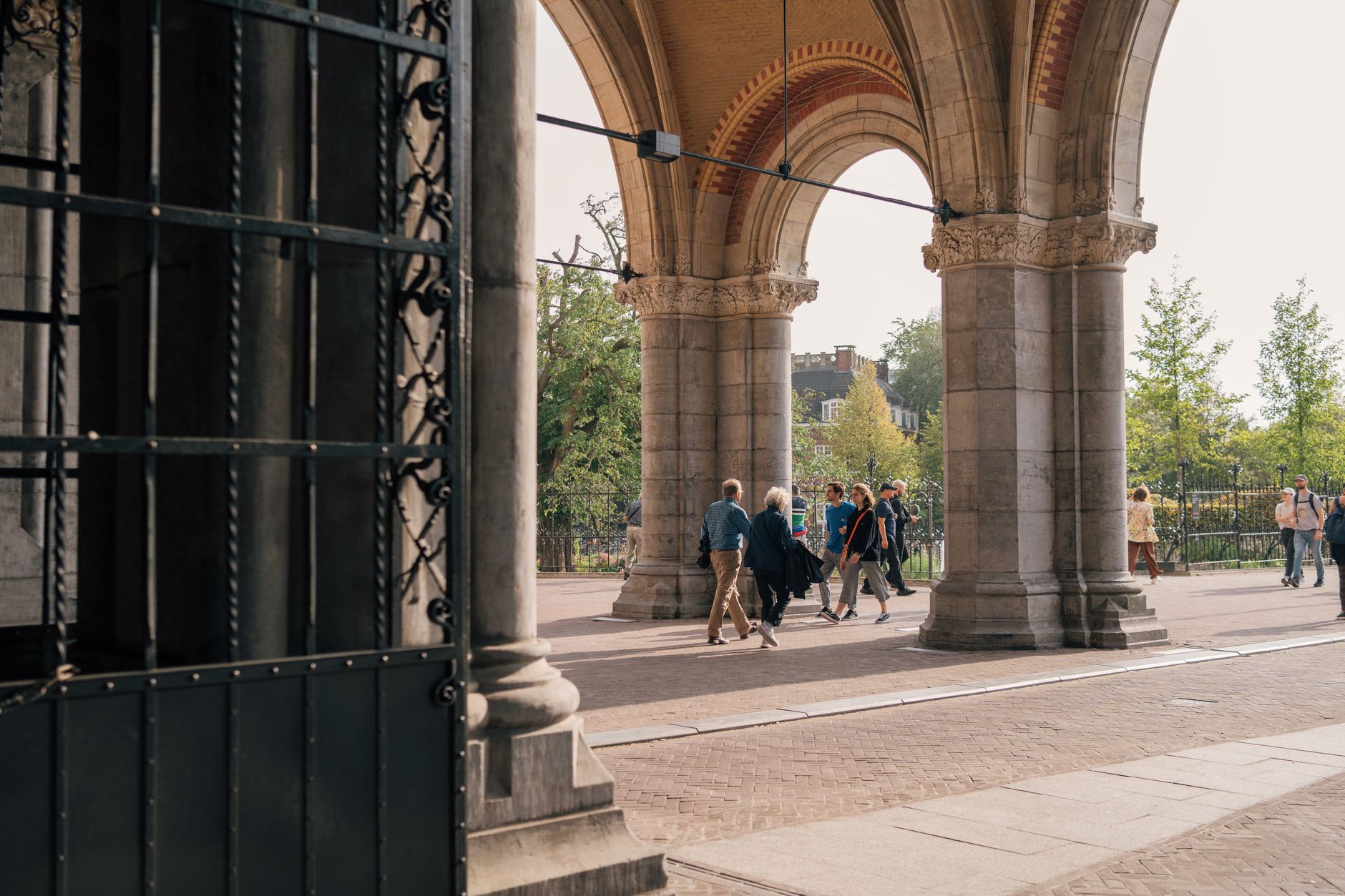
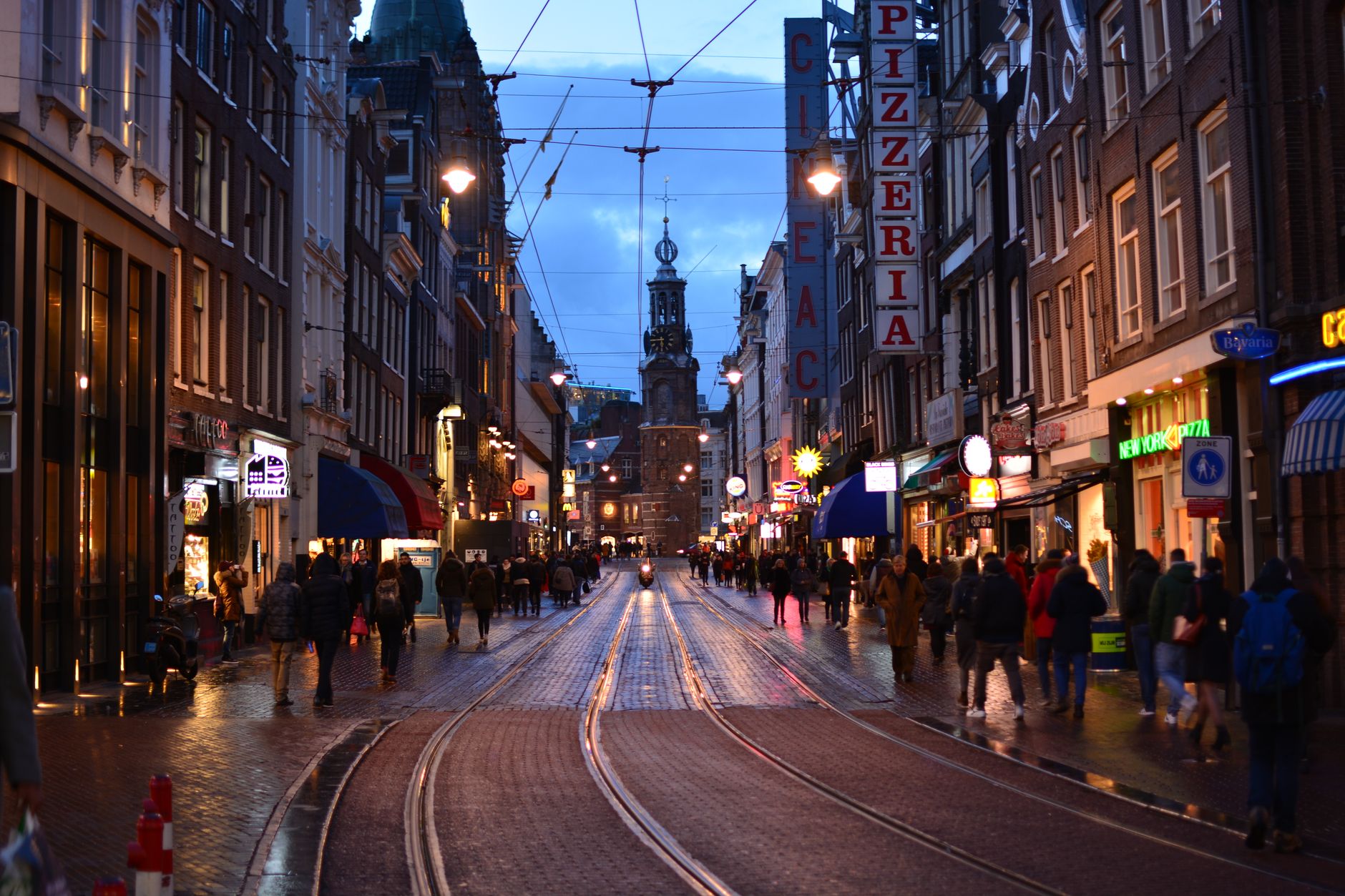

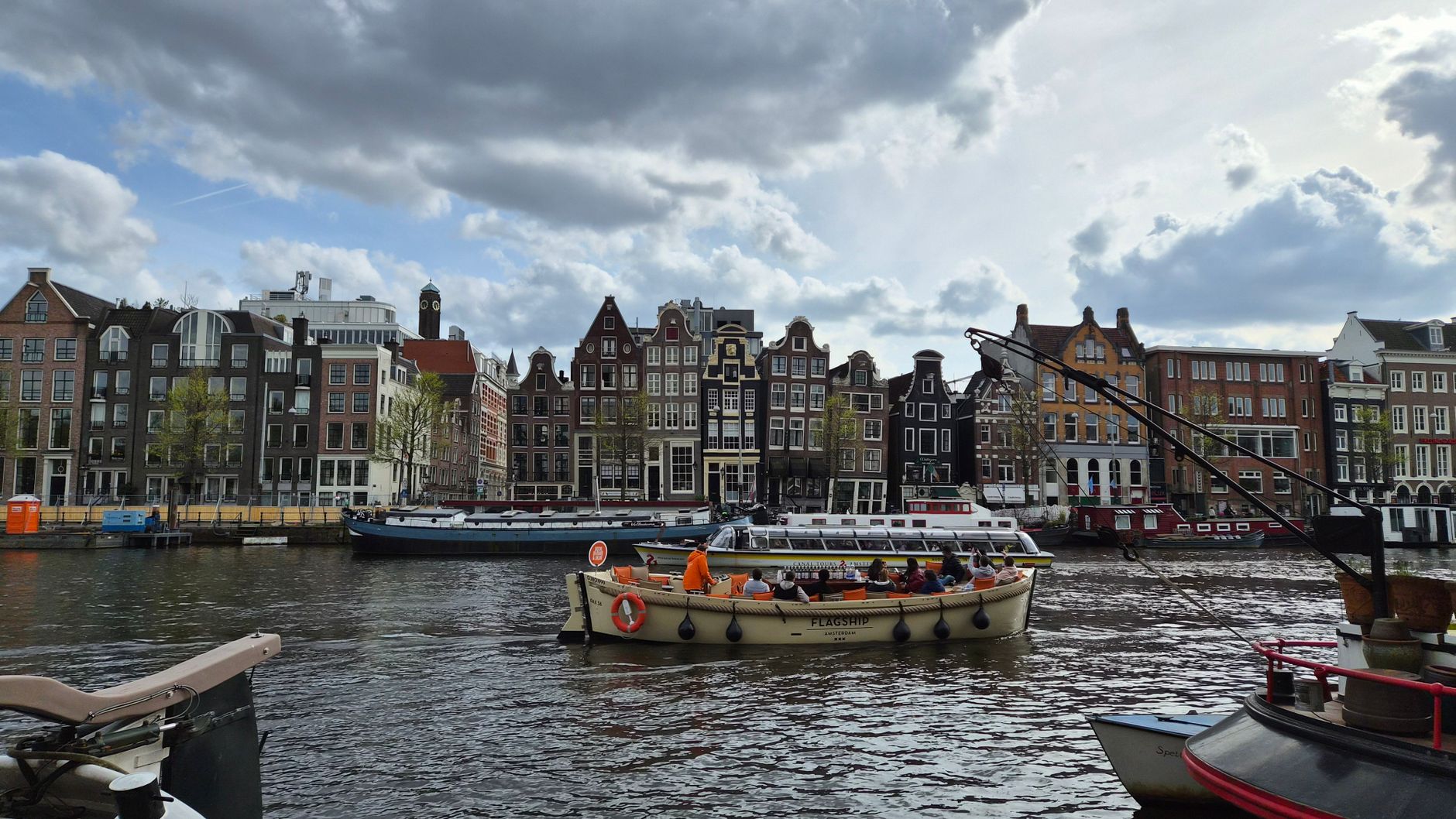
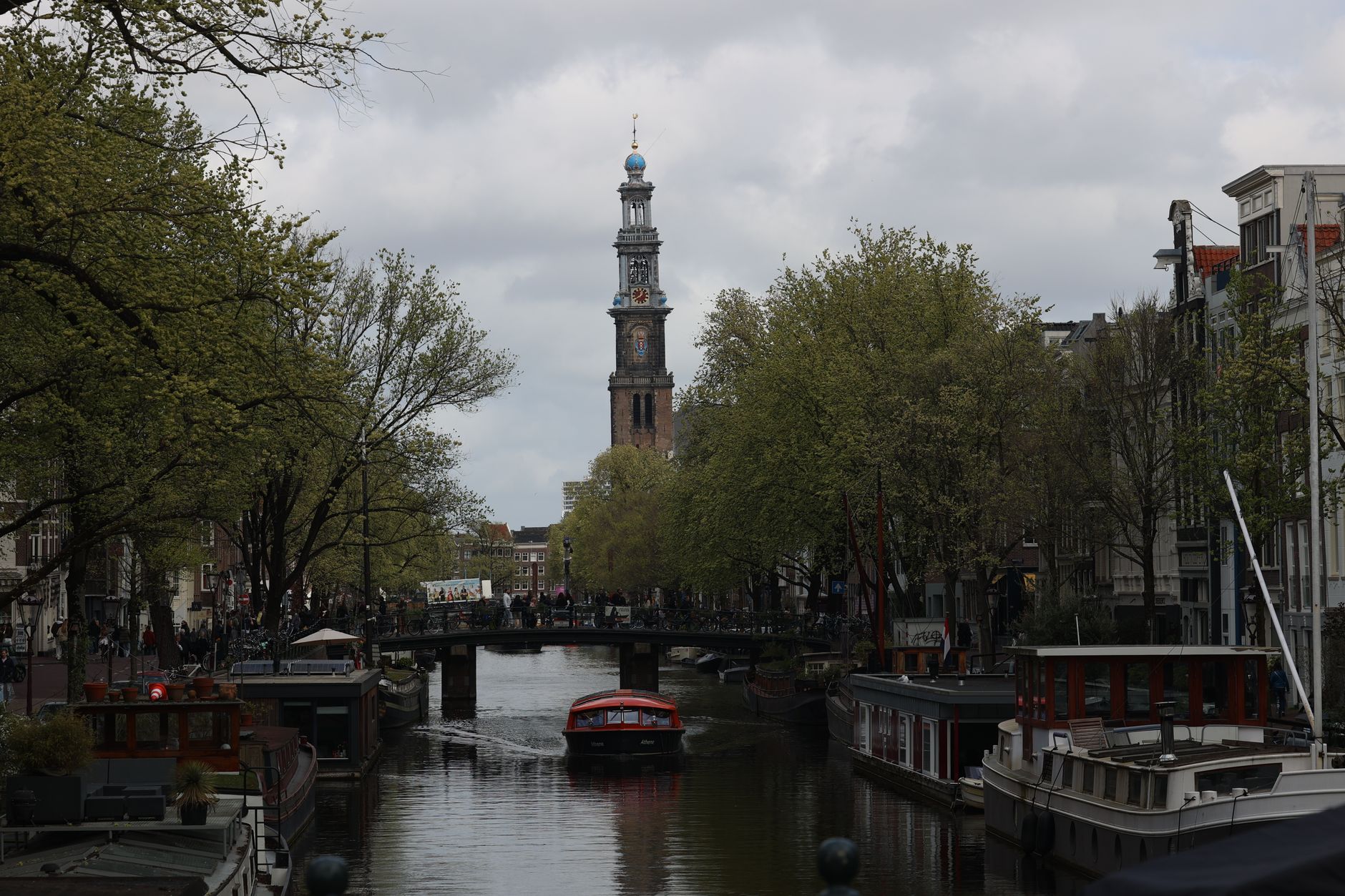
Amsterdam is a city built on water and audacity — 165 canals threading between narrow merchant houses that have been slowly sinking into peat for four centuries, the whole thing connected by more than 1,200 bridges. The Grachtengordel, that concentric ring of 17th-century waterways, is a UNESCO World Heritage Site not for its prettiness but for what it represents: one of the most ambitious feats of urban engineering in history.
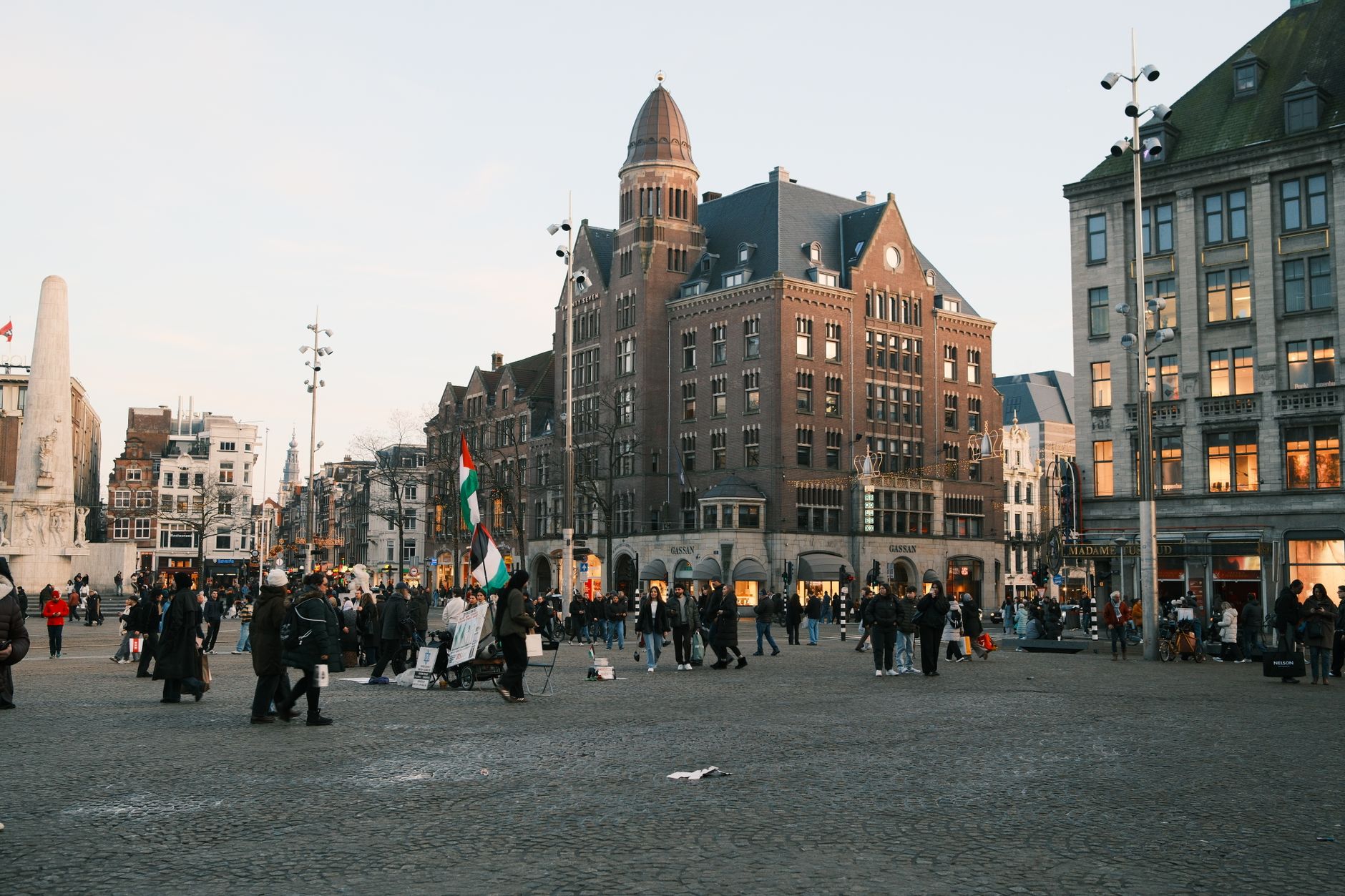
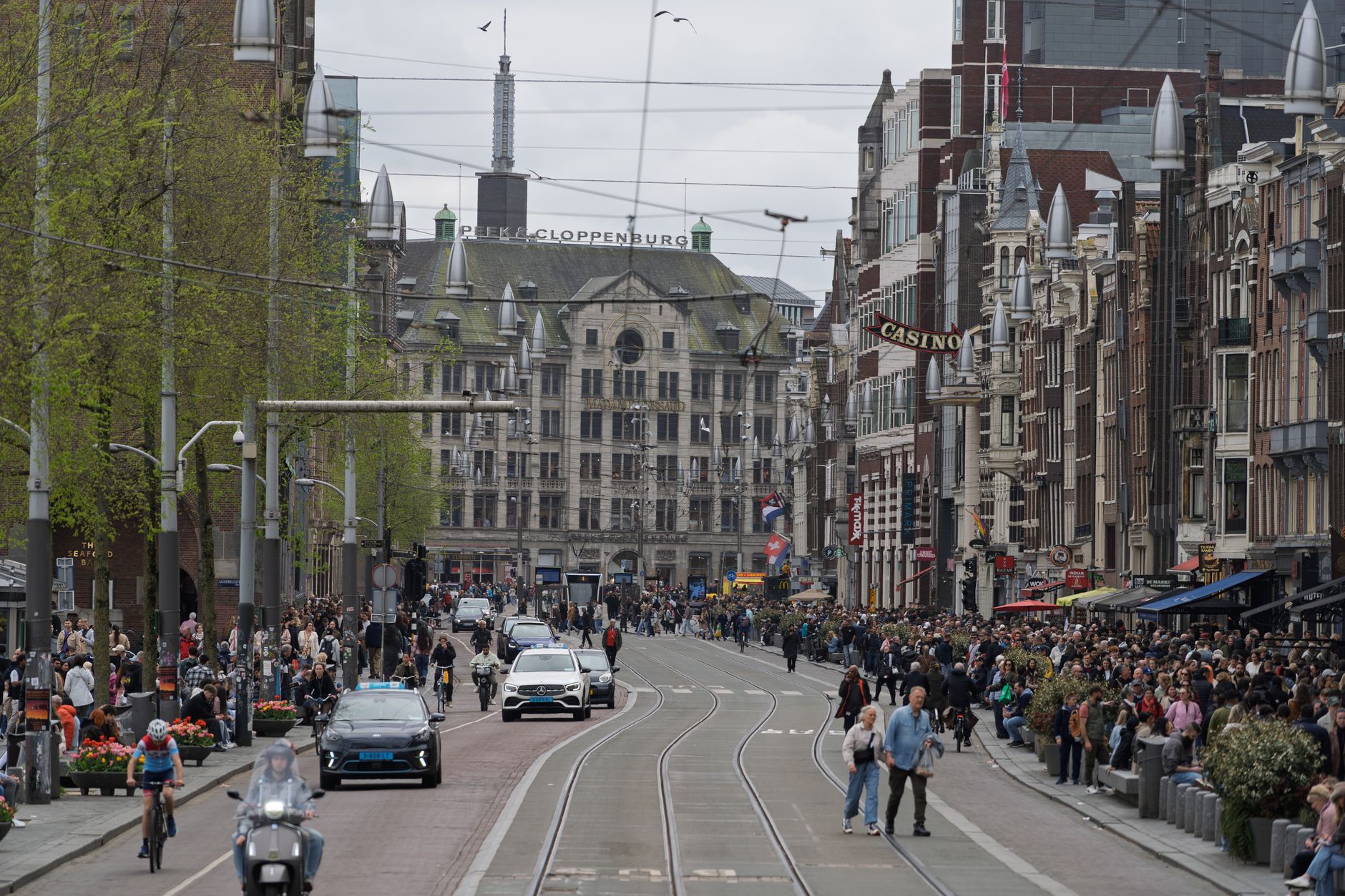
At its centre is Dam Square, where the Nieuwe Kerk and the Royal Palace face each other across the cobbles, and where Amsterdam's origins — a dam built against the Amstel after a catastrophic flood in 1170 — are literally underfoot. The city rewards slowness: a tram ride, a canal-side bench, a doorway you notice on the way to somewhere else.
Popular cities in Amsterdam, North Holland, Netherlands

💛 What travellers fall for
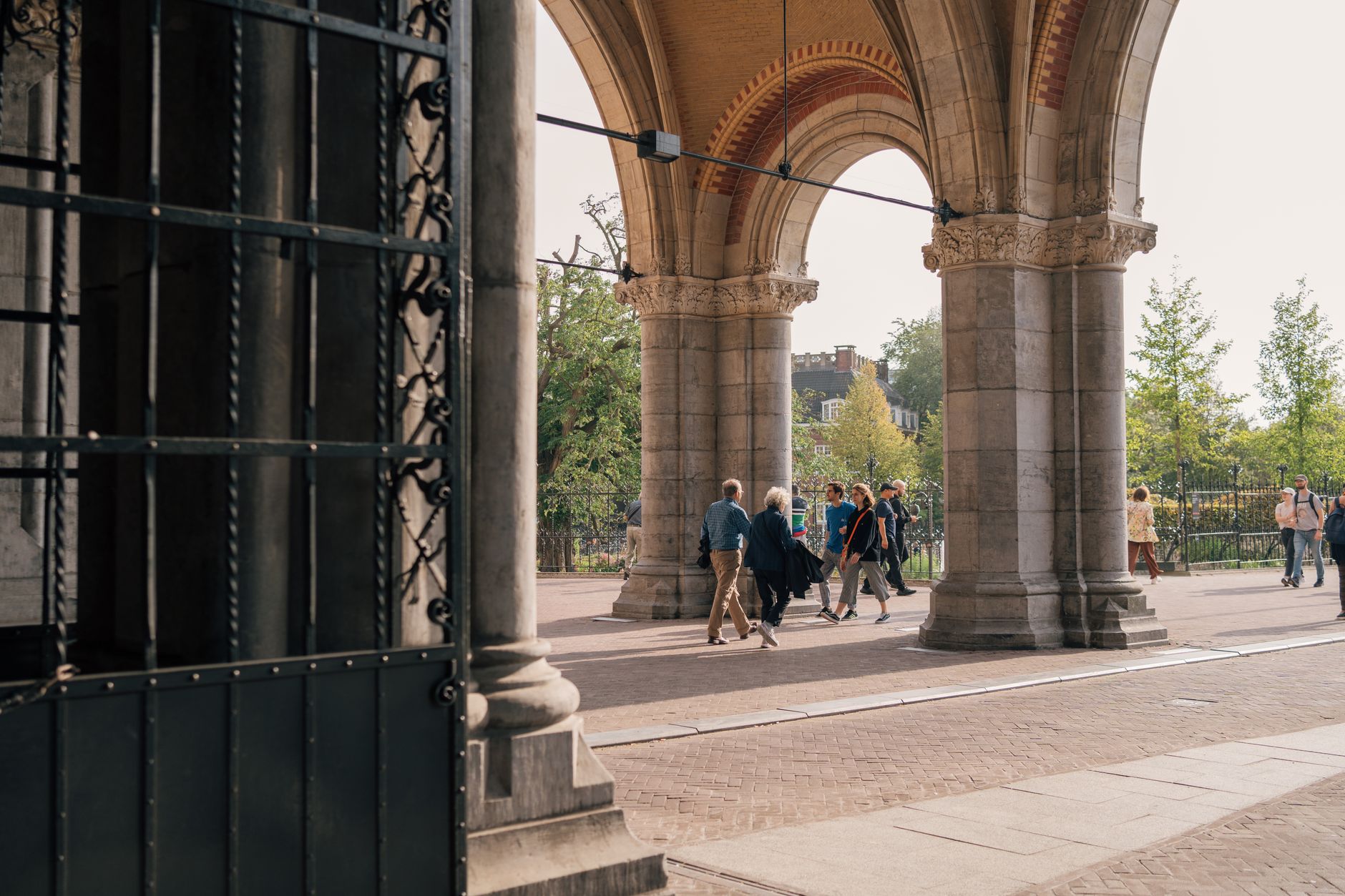
Regulars tend to figure out the tram early. Lines 2 and 5 cover an unlikely amount of ground — Rijksmuseum, Van Gogh Museum, Dam Square — for a €3.40 single fare. The day pass makes more sense once you're moving between neighbourhoods. And the Westerkerk bell, which Anne Frank wrote about hearing from her hiding place nearby, still rings on the quarter hour.
How Amsterdam, North Holland, Netherlands came to be
Amsterdam began as a fishing settlement at the mouth of the Amstel around 1000 CE. After the All Saints' Flood of 1170 inundated the low-lying peatlands, a dam was built across the river — giving the city its name. Count Floris V granted a toll privilege in 1275; city rights followed in 1306. By the 17th century, Amsterdam had become the most important trading hub in Europe and the western world's leading financial centre, a period that produced Rembrandt, the Royal Palace (completed 1665 and immediately called the eighth wonder of the world), and the canal ring that still defines the city.
The 20th century brought a different weight. In May 1940, German forces occupied the Netherlands. More than 60,000 of Amsterdam's Jewish residents were deported. The Anne Frank House, opened as a museum in 1960, stands on Prinsengracht as a record of what that occupation meant at the level of a single family in a single building.
Who and what shaped it
People who shaped it
Landmark buildings
See Amsterdam, North Holland, Netherlands in motion
Plan your visit
On the map
When to go
Summers are mild rather than warm — July and August average around 18–22°C (64–72°F) with cool nights — and winters are grey and damp, rarely dropping below freezing but rarely lifting either. Spring arrives gradually from March onward, and May tends to offer the most comfortable balance of light, temperature and manageable crowds.
Right now
↡ Cities
Background & history adapted from Wikipedia (CC BY-SA) · specs from Wikidata (CC0) · weather from Open-Meteo · map data © OpenStreetMap contributors · photos from Wikimedia Commons / Unsplash with per-image credit. No third-party reviews or social posts reproduced.